How Many Habituated Gorilla Families Are in Rwanda? Complete Guide
How Many Habituated Gorilla Families Are in Rwanda?
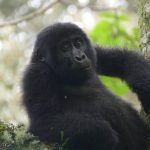
Rwanda is one of the world’s leading mountain gorilla trekking destinations, attracting visitors who want to encounter endangered mountain gorillas in their natural habitat. These remarkable primates live in social groups known as gorilla families, which are carefully monitored and protected by conservation authorities.
Rwanda has 12 habituated mountain gorilla families open to tourism in Volcanoes National Park, according to Visit Rwanda’s published gorilla trekking information. These families have undergone a habituation process that allows visitors to observe them under the supervision of trained park guides and trackers.
The 12 families are Susa, Igisha, Karisimbi, Sabyinyo, Amahoro, Agashya, Kwitonda, Umubano, Hirwa, Bwenge, Ugenda and Muhoza.
Not all mountain gorilla groups in Rwanda are available to tourists. Some are habituated specifically for scientific research and conservation monitoring. Visitors therefore need a valid gorilla trekking permit and must follow the allocation arrangements managed by the park authorities.
In this guide, Epic Uganda Vacation explains the number of habituated gorilla families in Rwanda, their names, the difference between tourism and research groups, and everything you need to know before booking a Rwanda gorilla trekking safari.
How Many Gorilla Families Are Open to Tourism in Rwanda?
There are 12 fully habituated mountain gorilla families open to tourist trekking in Rwanda’s Volcanoes National Park.
Volcanoes National Park is located in the northwestern part of Rwanda, within the Virunga Mountains. It protects part of the Virunga Massif, a transboundary mountain ecosystem shared by Rwanda, Uganda and the Democratic Republic of Congo.
The habituated families are monitored by park rangers, trackers and conservation teams. Their movements are followed daily to help determine where they are located and organise visitor trekking activities.
Under Rwanda’s standard gorilla trekking arrangements:
- There are 12 habituated families listed for tourism.
- A maximum of eight visitors can trek one family per day.
- Visitors are allowed a maximum of one hour with the gorillas.
- The theoretical daily visitor capacity is 96 permits when all 12 groups are available for trekking.
- Visitors are assigned to a gorilla family by park authorities on the trekking day.
It is important to distinguish between families habituated for tourism and those habituated for research. Although both categories may be accustomed to the presence of researchers, only designated tourism groups are allocated to ordinary visitors.
Note on published figures: Some older online information, including a legacy Rwanda Development Board booking-page description, still refers to ten tourist-accessible families. Visit Rwanda’s published tourism information lists 12. Travellers should confirm the current trekking arrangements and permit allocation directly with the Rwanda Development Board before travelling.
Names of the 12 Habituated Gorilla Families in Rwanda
Each mountain gorilla family has a unique history, social structure and home range. Some are named after their dominant silverbacks, while others take their names from locations, historical events or circumstances surrounding their formation.
The following are the 12 families identified in Visit Rwanda’s published tourism list.
1. Susa Gorilla Family
The Susa Gorilla Family is one of the most historically significant mountain gorilla groups in Rwanda. It is associated with the early gorilla research work conducted by renowned primatologist Dian Fossey in the Virunga Mountains.
The original Susa group became particularly well known for its large membership and the birth of twins, Byishimo and Impano, which attracted considerable conservation interest.
Over time, changes in its social structure resulted in the formation of separate groups, including the Karisimbi family, also known as Susa B.
Susa is generally associated with higher-altitude areas of Volcanoes National Park. Depending on its location, tracking this family can involve a demanding hike.
2. Igisha Gorilla Family
Igisha is one of the mountain gorilla groups listed among Rwanda’s habituated families.
It is important to distinguish Igisha from older Susa group histories because the gorilla population in Volcanoes National Park has experienced several family splits and changes in membership.
The group’s social structure and exact composition can change over time through births, deaths and movement between groups.
3. Karisimbi Gorilla Family
The Karisimbi Gorilla Family is also known as Susa B because it originated from the larger Susa group.
The family is associated with the upper slopes of Mount Karisimbi, the highest volcano in the Virunga range, rising to approximately 4,507 metres above sea level.
Its location can make tracking physically challenging, particularly when the gorillas move higher into the mountain forest.
Visitors interested in tracking Karisimbi should prepare for a potentially strenuous hike and communicate their fitness level to their tour operator before the trekking day.
4. Sabyinyo Gorilla Family
The Sabyinyo Gorilla Family is named after Mount Sabyinyo, one of the volcanic mountains in the Virunga range.
It is historically associated with silverback Guhonda, who became well known for his size and leadership.
The family is often considered among the more accessible groups in Volcanoes National Park, although the actual trekking distance depends on where the gorillas are located on the day.
Its proximity to the lower slopes of the Virunga Mountains can make it an attractive option for visitors who prefer to avoid particularly demanding hikes. However, an easy trek cannot be guaranteed.
5. Amahoro Gorilla Family
Amahoro is a well-known mountain gorilla family in Volcanoes National Park. The name Amahoro means “peace” in Kinyarwanda.
The family has historically been associated with silverback Ubumwe, whose calm leadership became part of its story.
Amahoro has also played an important role in the formation of other gorilla groups. Silverback Charles separated from the family and established the Umubano group.
The family is generally associated with mountainous forest areas, and visitors may encounter steep slopes during the trek.
6. Agashya Gorilla Family
The Agashya Gorilla Family was formerly known as Group 13 because it originally consisted of 13 individuals when it was habituated.
Its name is associated with the silverback Agashya, who took over leadership from the previous dominant male, Nyakarima.
Agashya became one of the well-known tourist groups in Volcanoes National Park as its membership increased.
The family’s history illustrates how leadership changes can influence the development of mountain gorilla groups.
7. Kwitonda Gorilla Family
The Kwitonda Gorilla Family has an interesting history because it originally lived in the Democratic Republic of Congo before moving into Rwanda.
The group settled in Volcanoes National Park and became one of the recognised gorilla families available for trekking.
The name Kwitonda is commonly translated as “the humble one” in Kinyarwanda.
Its movements through the forest and surrounding volcanic slopes can make tracking distances variable. Visitors should be prepared for a moderate to challenging hike depending on the family’s location.
8. Umubano Gorilla Family
The Umubano Gorilla Family was established after silverback Charles separated from the Amahoro group.
The name Umubano means “living together” or “togetherness” in Kinyarwanda.
The family is an example of how competition and changing relationships among dominant males can lead to the formation of independent mountain gorilla groups.
Its history is closely connected to Amahoro, and it remains one of the recognised habituated groups in Volcanoes National Park.
9. Hirwa Gorilla Family
The Hirwa Gorilla Family was formed from members that separated from other established groups in the Virunga region.
Its name means “the lucky one” in Kinyarwanda.
The family became particularly famous because of the birth of twins, a relatively rare occurrence among mountain gorillas.
Hirwa has also been known for moving across the transboundary Virunga landscape. Its movements can influence its availability and location for trekking.
Travellers should confirm the family’s current status and location when arranging a gorilla safari.
10. Bwenge Gorilla Family
The Bwenge Gorilla Family is named after its founding silverback, Bwenge. The name Bwenge means “wisdom” in Kinyarwanda.
The group developed after its founding male separated from other gorillas and established an independent family.
It is associated with the forested slopes between Mount Bisoke and Mount Karisimbi.
The family is an interesting example of how a mature silverback can establish a new social group after leaving an existing family.
11. Ugenda Gorilla Family
The Ugenda Gorilla Family is known for its movements through the forest, and its name is commonly associated with the idea of moving or travelling.
Its ranging patterns can make it difficult to predict the exact location of the group before the trekking day.
As with other families in Volcanoes National Park, trackers monitor its movements to help guides organise visitor activities.
12. Muhoza Gorilla Family
The Muhoza Gorilla Family is another group included in the published list of habituated tourism families in Volcanoes National Park.
It is important to distinguish it from other groups that may be monitored for scientific research. The tourism allocation and accessibility of individual families are managed by park authorities.
Visitors should not assume that a particular family will be assigned simply because they request it when booking their permits.
Are There Gorilla Families in Rwanda That Are Not Open to Tourists?
Yes. Volcanoes National Park is home to other mountain gorilla groups that are habituated for scientific research and long-term conservation monitoring.
Research groups are followed by scientists and conservation teams to study gorilla behaviour, social relationships, reproduction, health and habitat use.
These groups are not automatically available for ordinary tourist trekking.
The distinction is important because a gorilla family can be habituated to human presence without being designated for tourism.
The research groups contribute to conservation by helping scientists understand how mountain gorillas live, interact and respond to changes in their environment.
How Are Mountain Gorilla Families Habituated?
Gorilla habituation is a gradual process through which wild mountain gorillas become accustomed to the presence of authorised human observers.
It involves repeated visits by experienced trackers, researchers and conservation personnel who carefully monitor the animals from a safe distance.
The process can take several years, depending on the behaviour of the gorillas and the circumstances surrounding the group.
Habituation is not domestication. The gorillas remain wild animals and continue to live freely in their natural forest habitat.
The process helps make responsible gorilla tourism possible while supporting conservation research and monitoring.
Where Are Rwanda’s Habituated Gorilla Families Located?
All the tourist trekking families discussed in this article are found in Volcanoes National Park in northwestern Rwanda.
The park is part of the Virunga Conservation Area and protects a section of the volcanic mountain range shared by Rwanda, Uganda and the Democratic Republic of Congo.
The park includes several volcanoes, including:
- Mount Karisimbi
- Mount Bisoke
- Mount Sabyinyo
- Mount Gahinga
- Mount Muhabura
The gorillas move freely through different vegetation zones in the park. Their location can change according to feeding patterns, weather, group behaviour and other environmental factors.
This is why visitors are allocated to families on the day of trekking rather than being guaranteed a particular group at the time of booking.
How Many Visitors Can Track a Gorilla Family in Rwanda Per Day?
Under Rwanda’s standard gorilla trekking rules, a maximum of eight visitors can visit one habituated gorilla family per day.
Each visitor is allowed a maximum of one hour with the gorillas.
With 12 tourism families, the theoretical maximum is 96 visitors per day when all groups are available.
This limited visitor capacity helps reduce disturbance to the gorillas and supports responsible wildlife tourism.
It also explains why travellers are encouraged to book their permits in advance, particularly when planning to visit during busy travel seasons.
How to Book a Rwanda Gorilla Trekking Permit
A valid gorilla trekking permit is required before entering Volcanoes National Park to visit a habituated mountain gorilla family.
Permits are issued by the Rwanda Development Board (RDB), which manages the tourism booking arrangements.
The booking process generally involves:
- Choosing your preferred gorilla trekking date.
- Checking permit availability through the RDB booking system or an authorised tour operator.
- Providing the required personal and passport details.
- Paying the applicable permit fee.
- Receiving confirmation of the booking.
- Travelling to Volcanoes National Park for the scheduled trekking activity.
Because permits are limited, it is advisable to book as early as possible.
Can You Choose a Specific Gorilla Family in Rwanda?
Visitors can express a preference, but they cannot guarantee a particular family through an ordinary gorilla trekking permit.
The final allocation is managed by park authorities on the trekking day.
Rangers consider operational factors, the location of the gorillas and visitor fitness levels when organising trekking groups.
If you have a preference for a particular family or would like a less demanding hike, communicate this to your tour operator before travelling. The request can be shared with the park authorities, but the final decision remains with the park team.
What Is the Minimum Age for Gorilla Trekking in Rwanda?
The minimum age for mountain gorilla trekking in Rwanda is 15 years.
This rule helps protect the gorillas and ensures that visitors can understand and follow the safety instructions during the forest encounter.
Children below the minimum age are not permitted to participate in standard gorilla trekking.
Gorilla Trekking Rules in Rwanda
Mountain gorillas are endangered and vulnerable to human diseases. Rwanda has established strict rules to protect them and ensure that visitors enjoy a safe and responsible experience.
Important guidelines include:
- Visitors must be at least 15 years old.
- A maximum of eight tourists can visit one habituated gorilla family per day.
- The viewing period is limited to one hour.
- Maintain the required distance of at least seven metres from the gorillas, following the latest ranger instructions.
- Do not trek if you have a cold, flu or another contagious illness.
- Keep your voice low while observing the gorillas.
- Avoid sudden movements.
- Do not eat, drink or smoke near the gorillas.
- Flash photography is prohibited.
- Do not litter in the forest.
- Follow all instructions given by the park guides and trackers.
These rules are essential for protecting the gorillas and reducing the risk of disease transmission.
How Difficult Is Gorilla Trekking in Volcanoes National Park?
Gorilla trekking in Rwanda can range from relatively easy walks to challenging mountain hikes.
The difficulty depends on the location of the allocated family, the terrain and weather conditions.
Some gorilla groups forage near the lower slopes of the mountains, while others may move higher into the forest.
The trek can involve:
- Walking on steep volcanic slopes.
- Navigating muddy and slippery trails.
- Passing through thick vegetation.
- Walking at high altitude.
- Climbing uneven ground for several hours.
Visitors should wear sturdy hiking boots, long trousers, long-sleeved shirts and waterproof clothing.
Hiring a porter is also recommended, particularly for travellers who need assistance carrying their bags or navigating difficult sections of the trail.
Best Time to Track Habituated Gorilla Families in Rwanda
Gorilla trekking in Volcanoes National Park is available throughout the year.
However, the relatively drier periods are often preferred because forest trails can be less muddy and slippery.
June to September
This is generally one of the drier periods in Rwanda. It is popular with travellers planning gorilla trekking and other outdoor activities.
December to February
These months also tend to have relatively favourable trekking conditions, although rainfall can still occur.
March to May and October to November
These periods generally receive more rainfall. Forest trails can become muddy, but gorilla trekking remains possible.
Mountain gorillas live in the forest throughout the year, so sightings are not limited to a particular season.
How to Get to Volcanoes National Park from Kigali
Volcanoes National Park is located in northern Rwanda, near Musanze and Kinigi.
Most international visitors arrive through Kigali International Airport before travelling by road to the park.
The drive from Kigali to the Musanze area generally takes around two hours, depending on traffic and the final destination.
Visitors normally continue to Kinigi, where the park briefing and trekking arrangements take place.
On the trekking day, visitors should report to the designated briefing point at the time specified by the Rwanda Development Board.
Private transfers are a convenient option for travellers who want to combine gorilla trekking with other Rwanda safari activities.
Where to Stay During Gorilla Trekking in Rwanda
There are accommodation options around Volcanoes National Park, particularly in Musanze and Kinigi.
Travellers can choose from budget guesthouses, mid-range lodges and luxury safari properties.
When selecting accommodation, consider:
- Distance from the Kinigi briefing point.
- Your preferred comfort level.
- Transport arrangements.
- Meal services.
- Budget and overall safari itinerary.
Staying close to the park can make the early morning departure more convenient.
Other Activities to Combine with Rwanda Gorilla Trekking
A visit to Volcanoes National Park can be combined with several other activities in Rwanda.
Golden Monkey Tracking
Golden monkey tracking takes visitors into the bamboo forests of Volcanoes National Park to observe these endangered primates.
Mount Bisoke Hiking
Mount Bisoke is a dormant volcano with a crater lake at its summit. The hike is a popular activity for visitors interested in mountain scenery and outdoor adventure.
Dian Fossey Tomb Hike
This hike introduces visitors to the conservation history of the Virunga Mountains and the work of primatologist Dian Fossey.
Iby’Iwacu Cultural Village
Visitors can learn about Rwandan traditions, local music, dance, crafts and community life through a cultural experience near Volcanoes National Park.
Lake Kivu
Lake Kivu is a scenic destination where travellers can relax after gorilla trekking. Popular activities include boat excursions, kayaking and lakeside relaxation.
Akagera National Park
Travellers with more time can extend their trip to Akagera National Park for game drives, bird watching and boat trips on Lake Ihema.
Why Book a Rwanda Gorilla Trekking Safari with Epic Uganda Vacation?
Rwanda offers one of Africa’s most memorable wildlife experiences through mountain gorilla trekking in Volcanoes National Park.
With 12 habituated families listed for tourism, visitors have an opportunity to encounter these endangered primates under carefully managed conservation guidelines.
Epic Uganda Vacation organises personalised gorilla trekking safaris in Rwanda and Uganda. We can help arrange gorilla permits, accommodation, airport transfers, professional guides and additional activities.
Whether you are planning a one-day gorilla trek from Kigali or a longer Rwanda and Uganda safari, our team can help you create an itinerary that suits your travel dates and budget.
Contact Epic Uganda Vacation to arrange your Rwanda gorilla trekking experience.
Visit our contact page to request a personalised safari programme.
Frequently Asked Questions About Habituated Gorilla Families in Rwanda
1. How many habituated gorilla families are in Rwanda?
Rwanda has 12 habituated mountain gorilla families listed for tourism in Volcanoes National Park. Other gorilla groups are habituated for scientific research and are not ordinarily available to tourists.
2. What are the names of the habituated gorilla families in Rwanda?
The 12 families listed by Visit Rwanda are Susa, Igisha, Karisimbi, Sabyinyo, Amahoro, Agashya, Kwitonda, Umubano, Hirwa, Bwenge, Ugenda and Muhoza.
3. How many tourists can visit one gorilla family per day?
A maximum of eight visitors can visit one habituated gorilla family per day under standard trekking arrangements.
4. How many gorilla trekking permits are available in Rwanda per day?
With 12 habituated tourism families and a maximum of eight visitors per family, the theoretical daily capacity is 96 permits when all groups are available.
5. Where are Rwanda’s habituated gorilla families found?
They are found in Volcanoes National Park in northwestern Rwanda, within the Virunga Mountains.
6. Can I choose which gorilla family to track in Rwanda?
You can express a preference, but the final allocation is managed by park authorities on the trekking day. A specific family cannot be guaranteed through an ordinary permit booking.
7. Are all gorilla families in Rwanda open to tourists?
No. Some groups are habituated for scientific research and conservation monitoring rather than ordinary tourism. Visitors can only track groups designated for tourism.
8. How long can visitors stay with mountain gorillas?
Visitors are allowed a maximum of one hour with the habituated gorilla family.
9. What is the minimum age for gorilla trekking in Rwanda?
The minimum age is 15 years.
10. How difficult is gorilla trekking in Rwanda?
The difficulty varies according to the location of the gorilla family. Some treks are relatively short, while others involve steep slopes, thick vegetation and several hours of hiking.
11. When is the best time to visit Rwanda for gorilla trekking?
Gorilla trekking is available throughout the year. June to September and December to February are commonly preferred because they are relatively drier periods.
12. Can I combine Rwanda gorilla trekking with Uganda gorilla trekking?
Yes. Travellers can combine Volcanoes National Park in Rwanda with Bwindi Impenetrable National Park or Mgahinga Gorilla National Park in Uganda. This provides an opportunity to experience different parts of the Virunga and Bwindi mountain gorilla conservation landscape.
13. How far is Volcanoes National Park from Kigali?
The journey from Kigali to the Musanze area near Volcanoes National Park generally takes around two hours by road, depending on traffic and the final destination.
14. Are Rwanda gorilla permits available throughout the year?
Gorilla trekking is conducted throughout the year, subject to permit availability. Visitors should book in advance, especially when travelling during popular holiday periods.