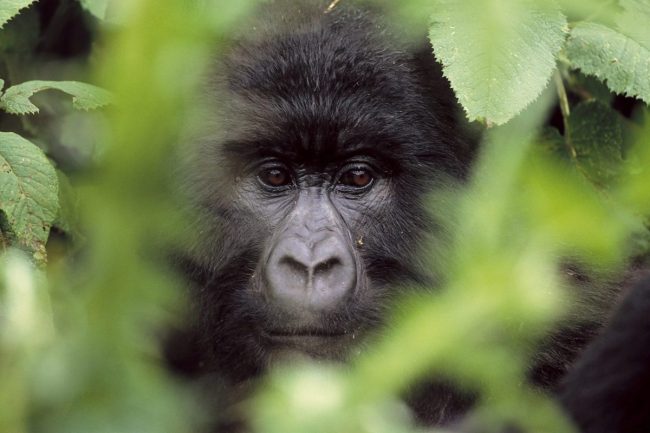
Habinyanja Gorilla Family in Bwindi Impenetrable National Park, Uganda
Habinyanja Gorilla Family: A Guide to Gorilla Trekking in Buhoma, Bwindi
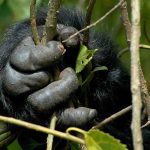
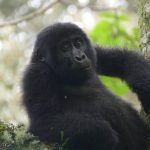
The Habinyanja Gorilla Family is one of the well-known habituated mountain gorilla groups in Bwindi Impenetrable National Park, southwestern Uganda. Found in the Buhoma Sector, this family has an interesting history dating back to the early years of gorilla habituation and tourism in Bwindi.
The group is particularly notable for its history of leadership changes and the peaceful split that led to the formation of another famous gorilla group, the Rushegura family. These developments provide an interesting insight into mountain gorilla social behaviour and the way family groups change over time.
For visitors planning a Uganda gorilla trekking safari, Habinyanja offers an opportunity to observe endangered mountain gorillas in their natural rainforest habitat while learning about the conservation work that protects them.
Where Is the Habinyanja Gorilla Family Located?
The Habinyanja Gorilla Family lives in the Buhoma Sector of Bwindi Impenetrable National Park, located in southwestern Uganda. Buhoma is in the northern part of the park, within Kanungu District.
Bwindi is an ancient tropical rainforest situated along the Albertine Rift. It is internationally recognised for its biodiversity and is home to a significant proportion of the world’s remaining mountain gorillas.
The park’s dense vegetation, steep hills, valleys and forest streams provide a natural habitat for mountain gorillas and many other wildlife species. Visitors exploring Buhoma may also encounter forest birds, monkeys, butterflies and a variety of forest plants.
Buhoma is particularly important in Uganda’s gorilla tourism history because it was among the first areas of Bwindi to welcome visitors for mountain gorilla trekking.
History of the Habinyanja Gorilla Family
The Habinyanja Gorilla Family has a long history within Bwindi’s mountain gorilla habituation programme. According to the International Gorilla Conservation Programme (IGCP), habituation of the group started in 1996. The family began receiving tourists in the early years of gorilla tourism in Bwindi.
The name Habinyanja comes from the local word Nyanja, meaning a place with water. The group was named after a swamp where its members were first sighted in the Buhoma area.
The Formation of the Rushegura Gorilla Family
One of the most significant events in Habinyanja’s history was its split in February 2002. The family had been associated with two silverbacks, Rwansigazi and Mwirima, who had different preferences regarding the group’s home range.
Rwansigazi favoured moving over a wider area, while Mwirima preferred a smaller and more familiar territory. Their different ranging preferences contributed to the separation of the group.
The split occurred peacefully, with some members remaining with Rwansigazi under the Habinyanja name, while Mwirima established the Rushegura Gorilla Family with the members who followed him.
The formation of Rushegura became an important chapter in the history of gorilla trekking in Buhoma, creating another habituated group for visitors to track.
Habinyanja Gorilla Family Size and Leadership
The International Gorilla Conservation Programme recorded 13 members in the Habinyanja Gorilla Family as of 31 January 2024.
The group is led by a silverback named Makara. Its recorded population includes different age and social categories, reflecting the family structure typical of mountain gorillas.
Gorilla family membership can change over time because of births, deaths, dispersal and changes in leadership. The 13-member figure is therefore a dated conservation record rather than a guaranteed current count.
The Role of Silverback Makara
A silverback is a mature male mountain gorilla recognised by the distinctive silver-coloured hair across his back. In a gorilla family, the dominant silverback plays an important role in maintaining group stability and protecting its members.
The leader helps coordinate the group’s movements, responds to potential threats and maintains social order. Visitors observing Habinyanja may see the silverback resting, feeding, interacting with other members or moving through the forest with the family.
The presence of younger gorillas also provides an opportunity to observe how mountain gorillas develop social relationships through play, grooming and interaction.
What Makes the Habinyanja Gorilla Family Special?
Habinyanja is particularly interesting because of its long history and its connection to the formation of the Rushegura family.
Its story illustrates how mountain gorilla groups are not static. They change naturally as individuals mature, establish relationships and sometimes leave their original families.
During a gorilla trekking encounter, visitors may observe several natural behaviours, including:
- Feeding: Mountain gorillas spend much of their day eating leaves, stems, shoots, fruits and other forest vegetation.
- Grooming: Family members groom one another, helping maintain social bonds.
- Resting: Gorillas often rest beneath the forest canopy after feeding or moving through their habitat.
- Playing: Young gorillas may climb, chase one another and interact with other family members.
- Group movement: The family moves through the forest in search of food and suitable resting areas.
- Silverback leadership: The dominant male helps maintain group cohesion and responds to potential threats.
Each encounter is different because the gorillas move freely through their natural environment.
What to Expect During Habinyanja Gorilla Trekking
Gorilla trekking in the Buhoma Sector begins early in the morning at the designated Uganda Wildlife Authority (UWA) briefing point.
Visitors register, present their permits and attend a briefing about gorilla behaviour, safety and responsible trekking practices. After the briefing, experienced UWA guides and trackers lead visitors into the forest to locate their allocated gorilla family.
The trek may take several hours, depending on where the gorillas have moved, the terrain and forest conditions. Some routes involve steep slopes, thick vegetation and muddy trails, so visitors should be prepared for a physically demanding walk.
Once the assigned gorilla family is located, visitors are allowed a maximum of one hour to observe the animals.
During the encounter, you may see the Habinyanja gorillas feeding, resting, grooming, playing or moving through the forest. The experience offers an opportunity to appreciate their social relationships and the importance of conserving their habitat.
It is important to remember that a Buhoma trekking permit does not guarantee an encounter with Habinyanja specifically. UWA allocates visitors to habituated gorilla families on the day of trekking.
Gorilla Trekking Rules and Regulations
Mountain gorillas are endangered and vulnerable to human diseases. Visitors must follow the regulations established by Uganda Wildlife Authority to protect the animals and minimise disturbance.
Important gorilla trekking guidelines include:
- Minimum age: Visitors must be at least 15 years old to participate in gorilla trekking.
- Maximum group size: A maximum of eight visitors is allowed to visit a habituated gorilla family per day.
- Viewing time: Visitors are allowed a maximum of one hour with the gorillas.
- Viewing distance: Maintain the recommended distance from the gorillas and follow your ranger’s instructions.
- Photography: Flash photography is not permitted.
- Health: Visitors with infectious illnesses should not trek because diseases can be transmitted to gorillas.
- Food and smoking: Do not eat, drink or smoke while observing the gorillas.
- Behaviour: Avoid shouting, sudden movements or actions that may disturb the animals.
- Waste management: Do not leave rubbish in the forest.
- Guidance: Always remain with your assigned ranger and follow instructions from UWA personnel.
These rules help protect mountain gorillas while ensuring that visitors enjoy a responsible wildlife experience.
Best Time to Trek the Habinyanja Gorilla Family
Gorilla trekking in Buhoma is available throughout the year. However, weather conditions can influence trail conditions and the overall trekking experience.
June to September: These months generally fall within Uganda’s drier season. Trails may be less muddy, making hiking conditions more favourable. This is a popular travel period, so advance gorilla permit reservations are recommended.
December to February: Another relatively dry period that offers good opportunities for gorilla trekking. Visitors can also combine their Buhoma experience with wildlife safaris in other Ugandan national parks.
March to May and October to November: These periods generally receive more rainfall. Forest trails may become muddy and slippery, but the rainforest is often lush and green.
Bwindi is a tropical rainforest, meaning rain can occur at any time of the year. Visitors should carry waterproof clothing regardless of their travel dates.
How to Get to the Habinyanja Gorilla Family in Buhoma
Buhoma can be reached by road or domestic flight, depending on your starting point and travel arrangements.
From Kampala or Entebbe
Travellers can drive from Kampala or Entebbe towards southwestern Uganda, passing through towns such as Mbarara and Ntungamo before continuing towards Kanungu and Buhoma.
The road journey can take approximately 8–10 hours or longer, depending on the starting point, route, traffic and road conditions.
A 4×4 safari vehicle is recommended, particularly during the rainy season when some roads can become challenging.
From Kigali, Rwanda
Travellers arriving at Kigali International Airport can reach Buhoma by road through the Uganda–Rwanda border. The journey involves crossing into Uganda and continuing towards the southwestern part of the country.
Travel time depends on the border crossing, selected route and road conditions. Starting from Kigali can be convenient for visitors who want to combine a Rwanda arrival with gorilla trekking in Uganda.
By Domestic Flight
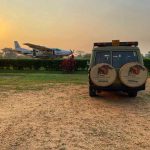
Visitors can consider scheduled or charter flights to an airstrip serving the Bwindi region, followed by a road transfer to Buhoma. Suitable airstrips and flight schedules should be confirmed before booking.
For convenience, it is advisable to spend the night near Buhoma before the trekking day.
Accommodation Near the Habinyanja Gorilla Family
Buhoma has accommodation options for different budgets, from simple guesthouses to luxury safari lodges. Staying near the trekking sector makes it easier to reach the UWA briefing point early in the morning.
Accommodation categories include:
Budget accommodation: Guesthouses and basic lodges offering essential facilities for travellers seeking affordable stays.
Mid-range accommodation: Comfortable lodges with private rooms, restaurants, scenic surroundings and convenient access to the trekking area.
Luxury accommodation: Higher-end safari lodges offering enhanced comfort, personalised services, quality dining and views of the surrounding forest.
When booking accommodation, confirm that the property is close to the Buhoma sector. Bwindi has four main trekking sectors, and travelling between them can take considerable time.
How to Book a Habinyanja Gorilla Trekking Permit
Gorilla trekking permits in Uganda are issued by Uganda Wildlife Authority. Visitors planning to trek in Buhoma should arrange a permit for their preferred date and designated entry point.
It is important to understand that permits are not sold specifically for the Habinyanja Gorilla Family. Visitors book for the Buhoma entry point and a particular date, after which UWA allocates them to a habituated gorilla group on the trekking day.
To arrange your gorilla trekking permit:
- Choose your preferred trekking date.
- Contact a licensed tour operator to check permit availability for Buhoma.
- Provide the required passport information for the reservation.
- Confirm the reservation and follow the official payment procedure.
- Arrange accommodation and transport to Buhoma.
Foreign non-resident visitors should use a tour operator licensed by the Uganda Tourism Board when booking their gorilla permits. Permit prices and booking procedures can change, so confirm the applicable rates and availability before making travel arrangements.
Why Book Your Habinyanja Gorilla Trekking Safari with Epic Uganda Vacation?
Epic Uganda Vacation organises gorilla trekking experiences in Bwindi Impenetrable National Park and Mgahinga Gorilla National Park.
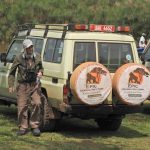
Our team can help you arrange a gorilla permit for the Buhoma sector, choose suitable accommodation and organise transport from Entebbe, Kampala or Kigali.
Our services include:
- Gorilla trekking permit arrangements.
- Private 4×4 safari transport.
- Airport transfers from Entebbe and Kigali.
- Accommodation reservations near Buhoma.
- Experienced driver-guides.
- Customised Uganda gorilla trekking and wildlife safari itineraries.
You can also combine your Habinyanja trekking experience with wildlife viewing in Queen Elizabeth National Park, chimpanzee tracking in Kibale Forest, birding and cultural experiences in southwestern Uganda.
Plan your Bwindi gorilla trekking safari with Epic Uganda Vacation.
Contact our team: https://www.epicugandavacation.com/contact-us/
Frequently Asked Questions About the Habinyanja Gorilla Family
1. Where is the Habinyanja Gorilla Family found?
The Habinyanja Gorilla Family is found in the Buhoma Sector of Bwindi Impenetrable National Park in southwestern Uganda.
2. How many gorillas are in the Habinyanja family?
The International Gorilla Conservation Programme recorded 13 members as of 31 January 2024. The group’s population may have changed since that update.
3. Who is the leader of the Habinyanja Gorilla Family?
The IGCP family record identifies silverback Makara as the group’s leader.
4. What does Habinyanja mean?
The name Habinyanja is derived from the local word Nyanja, meaning a place with water. It refers to the swamp near where the group was first sighted in Buhoma.
5. When was the Habinyanja Gorilla Family habituated?
Habituation started in 1996, according to the International Gorilla Conservation Programme. The group began receiving tourists in the late 1990s.
6. How was the Rushegura Gorilla Family formed?
The Rushegura Gorilla Family was formed in February 2002 when the original Habinyanja group split. Silverback Mwirima left with some members, while the remaining group continued under the Habinyanja name.
7. Can I book a permit specifically for Habinyanja?
No. Gorilla permits are booked according to the trekking date and designated entry point. UWA allocates visitors to a particular habituated family on the day of trekking, so an encounter with Habinyanja cannot be guaranteed.
8. How long does Habinyanja gorilla trekking take?
The trek may take approximately 2–7 hours, depending on the gorillas’ location and the terrain. Visitors are allowed a maximum of one hour to observe the gorillas once they are found.
9. Is Habinyanja gorilla trekking difficult?
Trekking difficulty varies depending on where the gorillas are located. The forest terrain can be steep, muddy and uneven, so reasonable physical fitness and appropriate hiking equipment are recommended.
10. Can I combine Habinyanja gorilla trekking with other Uganda safari activities?
Yes. You can combine gorilla trekking in Buhoma with chimpanzee tracking in Kibale Forest, wildlife viewing in Queen Elizabeth National Park, birding and cultural experiences.