Kanyanchu Visitor Center: Your Gateway to Chimpanzee Trekking in Kibale National Park, Uganda
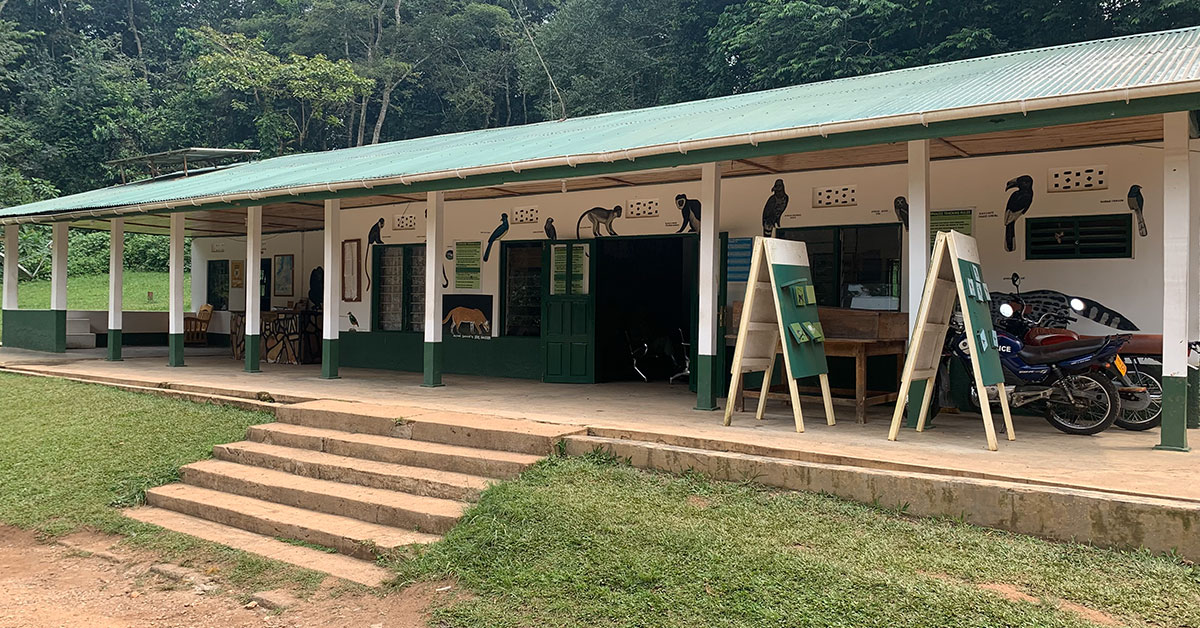
Discover the Kanyanchu Visitor Center, the main starting point for chimpanzee trekking in Kibale National Park. Learn about trekking experiences, permits, best time to visit, what to pack, and how to plan an unforgettable Uganda chimpanzee safari with Epic Uganda Vacation.
Imagine walking beneath the towering trees of an ancient tropical rainforest, listening to birds calling from the canopy and following the distant sounds of wild chimpanzees. Suddenly, your guide signals you to stop. Ahead, a chimpanzee swings through the branches while others groom, feed, communicate, and interact with one another in their natural habitat.
For many travelers, this is the highlight of visiting Kibale National Park in western Uganda. The adventure begins at the Kanyanchu Visitor Center, also known as the Kanyanchu Visitor Centre or Kibale Chimpanzee Trekking Centre.
As the principal starting point for guided chimpanzee tracking in Kibale Forest, Kanyanchu welcomes visitors from around the world who want to experience Uganda’s remarkable primate diversity. It is where trekkers check in, receive instructions from park rangers, meet their guides, and prepare to explore one of East Africa’s most celebrated tropical forests.
Whether you are planning a dedicated chimpanzee trekking safari, a Uganda wildlife holiday, or a longer itinerary combining chimpanzees and mountain gorillas, understanding how Kanyanchu operates will help you prepare for a rewarding experience.
Where Is Kanyanchu Visitor Center Located?
Kanyanchu Visitor Center is located within the tourism area of Kibale National Park in western Uganda, in the wider Fort Portal and Kabarole region.
Kibale is famous for its rich tropical forest, exceptional primate diversity, and opportunities to observe wild chimpanzees under the supervision of trained guides. The visitor center serves as a key meeting point for guided forest activities, particularly the Kanyanchu Primate Walk.
Travelers commonly reach Kanyanchu from Fort Portal, Kampala, Entebbe, Queen Elizabeth National Park, or nearby accommodation establishments around Kibale Forest.
The journey offers changing scenery, from cultivated countryside and tea plantations to forested landscapes and the rolling hills of western Uganda.
How to Get to Kanyanchu Visitor Center
By road from Fort Portal: Fort Portal is a convenient base for visitors exploring Kibale National Park. From town, travelers drive toward the Kibale tourism area via the Fort Portal–Kamwenge road. Allow extra time for the journey and confirm the latest road conditions with your safari operator.
From Kampala or Entebbe: Most visitors travel west by road through central Uganda toward Fort Portal and Kibale. Depending on the starting point, traffic, stops, and road conditions, the drive can take much of the day. An overnight stay near Kibale is advisable before an early-morning trek.
From Queen Elizabeth National Park: Kibale can be combined with Queen Elizabeth National Park on a multi-day Uganda safari. This creates an excellent itinerary combining forest primates with savannah wildlife and a boat cruise along the Kazinga Channel.
By domestic flight: Travelers seeking to reduce long road transfers can explore domestic flight options to suitable airstrips serving western Uganda, followed by a road transfer to their lodge and the visitor center. Flight schedules and availability should be confirmed before booking.
For the most comfortable experience, Epic Uganda Vacation recommends arriving in the Kibale area the day before your scheduled chimpanzee trekking activity.
Why Is Kanyanchu Visitor Center Important?
Kanyanchu is more than a meeting point. It is the gateway to an organized wildlife experience designed to protect chimpanzees while allowing visitors to learn about their behavior and forest environment.
The visitor center plays an important role in coordinating guided treks and preparing guests for their time inside the forest.
Its key functions include:
-
- Visitor registration: Travelers check their bookings and permits before participating in scheduled activities.
-
- Pre-trek briefing: Park staff explain trekking procedures, wildlife etiquette, and safety requirements.
-
- Guide coordination: Visitors join authorized guides who lead them through the forest in search of chimpanzees.
-
- Conservation education: The experience introduces travelers to the importance of protecting chimpanzees and their natural habitat.
-
- Access to forest activities: Kanyanchu is the starting point for chimpanzee tracking and other guided nature experiences, subject to current park arrangements.
Visitors should arrive early enough to complete check-in and attend the required briefing before their scheduled activity.
Chimpanzee Trekking at Kanyanchu Visitor Center
Chimpanzee trekking is the main reason most travelers visit Kanyanchu.
Unlike wildlife viewing from a vehicle, chimpanzee tracking involves walking through a living rainforest with a knowledgeable guide. The chimpanzees move freely through their habitat, so the experience combines wildlife observation, forest exploration, and the excitement of following clues such as calls, movement, and signs of recent activity.
Kibale National Park is one of Uganda’s leading destinations for observing wild chimpanzees. The Kanyanchu chimpanzee community has a long history of habituation and monitoring, helping researchers and tourism guides understand its behavior.
What Happens During a Chimpanzee Trek?
1. Arrival and registration
Your experience begins at Kanyanchu Visitor Center, where staff verify your booking and permit arrangements.
2. Pre-trek briefing
A park guide explains the rules for entering the forest, maintaining a safe distance from chimpanzees, minimizing disturbance, and protecting the animals from human-borne illnesses.
3. Entering Kibale Forest
Accompanied by your authorized guide, you walk along forest trails while listening for chimpanzee calls and observing the surrounding vegetation. The terrain may be muddy, slippery, or uneven.
4. Searching for chimpanzees
The time required to locate a chimpanzee community varies. Your guide uses experience and information about the animals’ movements to help the group search responsibly.
5. Observing the chimpanzees
Once the chimpanzees are located, standard chimpanzee tracking permits allow a maximum of one hour with them, subject to park regulations and the guide’s instructions.
During this time, you may observe feeding, grooming, social interactions, vocalizations, resting, or movement through the trees. Sightings and behaviors vary because these are wild animals.
6. Returning to the visitor center
After the trek, your group returns from the forest. Depending on the length of the search and the chimpanzees’ movements, the entire activity commonly takes approximately two to five hours.
The experience offers more than photographs. It provides an opportunity to appreciate the intelligence, social complexity, and ecological importance of one of our closest living relatives.
Chimpanzee Trekking Schedule at Kanyanchu
Kanyanchu has traditionally offered scheduled morning and afternoon chimpanzee tracking sessions.
The Uganda Wildlife Authority’s published park information lists tracking departures at approximately 8:00 a.m., 11:00 a.m., and 2:00 p.m. However, schedules and departure arrangements can vary, so confirm your actual session when securing your permit.
| Session | General planning guidance |
|---|---|
| Morning trek | Arrive early for registration and briefing before the scheduled departure. |
| Mid-morning trek | Confirm availability and the current departure schedule when booking. |
| Afternoon trek | Arrive well ahead of the scheduled 2:00 p.m. session. |
| Trek duration | Approximately 2–5 hours, depending on forest conditions and chimpanzee movements. |
| Chimpanzee viewing | Maximum of one hour for standard tracking. |
Important: Your permit confirmation and instructions from the Uganda Wildlife Authority (UWA) take precedence over general online schedules. Book in advance, especially if your safari dates are fixed.
Chimpanzee Trekking vs. Chimpanzee Habituation Experience
Kanyanchu is associated with two experiences that offer different ways to explore chimpanzee behavior: standard chimpanzee tracking and the Chimpanzee Habituation Experience.
Standard Chimpanzee Trekking
Standard trekking is ideal for travelers who want to encounter wild chimpanzees without dedicating an entire day to the activity.
You join a guided group, enter the forest, search for a habituated chimpanzee community, and spend up to one hour observing the animals after they are located.
This option works particularly well for couples, families with eligible participants, photographers, and travelers combining Kibale with other Ugandan wildlife destinations.
Chimpanzee Habituation Experience
The Chimpanzee Habituation Experience, commonly abbreviated as CHEX, is designed for visitors seeking a more extended introduction to chimpanzee behavior.
Participants accompany authorized researchers, habituators, or guides as they follow a chimpanzee group that is less accustomed to human presence than the groups used for standard tracking.
The experience can provide greater insight into daily chimpanzee activities, including feeding, movement, grooming, resting, and social interactions. It is generally more demanding in terms of time and physical endurance.
UWA guidance provides for an early start, around 6:30 a.m., and permits up to four hours of viewing during the habituation experience, subject to the applicable regulations.
Advance arrangements are essential for both activities.
What Else Can You Do Around Kanyanchu?
Although chimpanzees are the principal attraction, Kibale National Park has much more to offer nature lovers.
Guided Nature Walks
A guided forest walk allows you to experience Kibale without making chimpanzee sightings the sole objective. Your guide can introduce you to forest trees, medicinal plants, animal tracks, insects, and the ecological relationships that sustain this environment.
These walks are an excellent alternative for travelers who enjoy slow travel, natural history, and photography.
Birdwatching
Kibale is a rewarding destination for bird enthusiasts, with forest, woodland, and wetland habitats supporting a wide variety of bird species.
Guided birding around the park can complement a visit to Bigodi Wetland Sanctuary, where forest-edge and wetland species provide additional opportunities for observation.
Nocturnal Forest Walks
Where currently offered and available for booking, guided night walks introduce visitors to the forest after dark.
Potential sightings include nocturnal primates such as bushbabies and pottos. These activities must be conducted with authorized guides and according to park rules.
Bigodi Wetland Sanctuary
Bigodi Wetland Sanctuary lies outside the national park and is a popular addition to a Kibale itinerary.
Community-guided walks offer opportunities to observe wetland birds, primates, butterflies, and other wildlife while learning about community conservation and sustainable tourism.
Crater Lakes and Fort Portal
The wider region around Kibale features scenic crater lakes, tea-growing landscapes, and viewpoints that are ideal for relaxed excursions.
Travelers with extra time can explore the countryside around Fort Portal, visit selected crater lakes, or include cultural experiences in their safari.
Combining these attractions with chimpanzee trekking creates a more complete western Uganda holiday.
Best Time to Visit Kanyanchu Visitor Center
Chimpanzee trekking in Kibale is available throughout the year, subject to permits, park operations, and weather conditions.
There is no single season that guarantees the best wildlife encounter. Forest conditions, fruit availability, rainfall, and chimpanzee movements can influence the experience.
Dry Periods
The relatively drier periods are often preferred by travelers who want easier road transfers and less muddy walking trails.
However, dry weather does not guarantee that chimpanzees will be easier to locate. Their movements and feeding patterns continue to influence tracking conditions.
Rainy Periods
Rain can make the forest especially lush and atmospheric. Some visitors also appreciate the possibility of observing wildlife in a vibrant, green environment.
The trade-off is that trails can become muddy and slippery, so waterproof clothing and sturdy footwear are particularly useful.
Which Season Should You Choose?
Choose your travel dates based on your wider Uganda itinerary, preferred weather, accommodation options, and permit availability rather than assuming that one season guarantees better sightings.
For a safari combining Kibale with gorilla trekking in Bwindi Impenetrable National Park, securing permits and arranging transport should be among your first planning priorities.
Chimpanzee Trekking Permits and Booking Information
A valid chimpanzee trekking permit is essential for participating in authorized tracking at Kanyanchu.
The Uganda Wildlife Authority manages chimpanzee tracking in its protected areas and publishes the applicable conservation fees and activity tariffs.
Permit costs can vary according to visitor category, activity, and the current tariff schedule. Standard chimpanzee tracking and the Chimpanzee Habituation Experience have different permit arrangements.
Rather than relying on old prices published by third-party travel websites, check the applicable rates for your intended travel dates.
How to Arrange Your Permit
-
- Select your preferred travel date and chimpanzee activity.
-
- Confirm permit availability before finalizing non-refundable travel arrangements.
-
- Provide the required visitor details through the authorized booking channel.
-
- Obtain the appropriate booking confirmation and payment documentation.
-
- Keep your confirmation accessible and follow the reporting instructions for Kanyanchu.
Foreign non-resident visitors should also note UWA’s published guidance that chimpanzee permits are purchased through tour operators licensed by the Uganda Tourism Board. Other visitor categories should follow the relevant UWA booking procedures.
Epic Uganda Vacation can help travelers coordinate their safari arrangements, subject to confirmed permit availability.
For official information, consult the Uganda Wildlife Authority website.
What to Pack for Chimpanzee Trekking at Kanyanchu
The forest is a natural environment, and conditions can change quickly. Packing the right equipment will make your trek more comfortable.
Recommended items include:
-
- Sturdy hiking shoes or boots: Choose footwear with good grip for muddy and uneven trails.
-
- Long trousers and long-sleeved clothing: These help protect your skin from vegetation and insects.
-
- Lightweight rain jacket: Rain is possible throughout the year.
-
- Small backpack: Carry your essentials without adding unnecessary weight.
-
- Drinking water: Bring water for use during the walk, following your guide’s instructions about when and where to drink.
-
- Binoculars: Useful for observing birds and other wildlife.
-
- Camera with a suitable zoom lens: A longer focal length can help you photograph chimpanzees without approaching them.
-
- Insect repellent and sunscreen: Useful for general outdoor comfort.
-
- Personal medication: Carry any necessary medication and inform your guide of relevant safety needs before departure.
A walking stick can also be helpful in slippery sections of the forest, where permitted.
Avoid carrying unnecessary luggage into the forest. Most importantly, follow the ranger’s instructions about photography, food, waste, and interactions with wildlife.
Rules and Responsible Chimpanzee Viewing
Chimpanzees are endangered wild animals, and responsible tourism helps protect their health and natural behavior.
Visitors at Kanyanchu must follow the instructions of their authorized guides and comply with current UWA regulations.
Key principles include:
-
- Maintain the minimum viewing distance specified by the park authorities.
-
- Never touch, feed, chase, or attempt to attract chimpanzees.
-
- Avoid loud noises and sudden movements.
-
- Do not use flash photography.
-
- Do not eat or drink in the presence of the chimpanzees.
-
- Follow all instructions about masks or other health precautions if required by park authorities.
-
- Do not enter the forest for tracking if you have symptoms of a potentially infectious illness.
-
- Never leave litter behind or damage plants and other natural features.
-
- Stay with your guide and group throughout the activity.
Chimpanzees are susceptible to diseases that humans can transmit. Even a seemingly minor illness can pose a serious risk to a wild population.
Responsible behavior therefore protects both visitors and the animals they have traveled to see.
Is Chimpanzee Trekking at Kanyanchu Suitable for Everyone?
Chimpanzee trekking is a rewarding experience, but it involves walking through a natural forest rather than following a paved sightseeing route.
The trails can be steep, muddy, uneven, or slippery. The time spent walking depends on where the chimpanzees are located, and there is no guarantee that every trek will produce a sighting.
The published Kibale park guidance has specified a minimum age of 16 for standard chimpanzee tracking. Because age requirements and operational guidance should be confirmed for the intended travel date, check directly with UWA before booking for younger travelers.
Visitors with mobility limitations should discuss their needs with their tour operator and the park authorities in advance. Do not assume that the standard trekking route is accessible to all mobility levels.
With appropriate preparation and realistic expectations, many nature-loving travelers find the experience one of the most memorable parts of a Uganda safari.
Where to Stay Near Kanyanchu Visitor Center
Choosing accommodation close to Kibale National Park makes it easier to reach the visitor center on time and enjoy the surrounding region.
Options in the wider Kibale and Fort Portal area range from comfortable guesthouses and mid-range safari lodges to higher-end properties with forest or crater-lake views.
When choosing where to stay, consider:
-
- Distance and transfer time to Kanyanchu.
-
- Whether breakfast can be arranged before an early trek.
-
- Road accessibility during rainy weather.
-
- The availability of private transfers.
-
- Whether the lodge can help coordinate packed meals and early departures.
-
- Your overall safari budget and preferred level of comfort.
For most travelers, spending at least one night near Kibale before chimpanzee trekking is more convenient than attempting a long transfer on the morning of the activity.
If your itinerary also includes Queen Elizabeth National Park or Bwindi, your accommodation plan should account for the driving time between destinations.
Suggested Uganda Safari Itineraries Featuring Kanyanchu
Kanyanchu fits naturally into several types of Uganda safari.
1. Two-Day Kibale Chimpanzee Safari
Day 1: Travel to the Kibale region, check into your accommodation, and enjoy the surrounding countryside or a suitable optional activity.
Day 2: Attend your scheduled chimpanzee trekking session at Kanyanchu. Depending on your departure plans, add a community or nature experience before continuing your journey.
This is a practical choice for travelers with limited time who want to prioritize chimpanzees.
2. Three-Day Kibale and Bigodi Safari
Day 1: Transfer to Kibale and settle into your lodge.
Day 2: Enjoy chimpanzee trekking at Kanyanchu, followed by a guided visit to Bigodi Wetland Sanctuary if timing and conditions allow.
Day 3: Explore the crater-lake region or enjoy a guided nature walk before departing.
This itinerary provides a more relaxed introduction to western Uganda’s forest biodiversity and community tourism.
3. Five-Day Kibale and Queen Elizabeth Safari
Day 1: Travel to Kibale National Park and overnight in the area.
Day 2: Track chimpanzees at Kanyanchu and explore Bigodi Wetland Sanctuary.
Day 3: Transfer to Queen Elizabeth National Park and enjoy an afternoon wildlife activity if timing permits.
Day 4: Explore the park with a game drive and a boat cruise along the Kazinga Channel, subject to the selected itinerary.
Day 5: Enjoy a final wildlife activity before returning to your next destination.
This combination is ideal for travelers who want to experience both rainforest primates and classic African savannah wildlife.
4. Extended Uganda Wildlife and Gorilla Safari
For a longer adventure, Kibale can be combined with Queen Elizabeth National Park, Bwindi Impenetrable National Park, and other destinations according to your available days and interests.
A carefully planned itinerary allows you to experience chimpanzees in Kibale, mountain gorillas in Bwindi, and a broader selection of Uganda’s landscapes and wildlife.
Permit availability, driving distances, and lodge locations should determine the final route.
Why Book Your Kibale Chimpanzee Safari with Epic Uganda Vacation?
Planning a successful chimpanzee safari involves more than choosing a travel date. Permits, accommodation, transportation, departure times, and the order of destinations all affect the quality of your experience.
Epic Uganda Vacation helps travelers organize Uganda wildlife journeys around their interests, schedule, and budget.
When planning your visit to Kanyanchu, a tailored safari can help you:
-
- Coordinate chimpanzee trekking arrangements and permit enquiries.
-
- Select accommodation convenient for your scheduled activity.
-
- Organize road transfers with suitable departure times.
-
- Combine Kibale with Bigodi Wetland Sanctuary and other regional attractions.
-
- Connect chimpanzee trekking with gorilla trekking and wildlife safaris.
-
- Build an itinerary that balances travel time, comfort, and wildlife experiences.
Whether you are planning a short Kibale getaway or a multi-day Uganda adventure, advance planning helps reduce unnecessary travel stress and makes the most of your time in the forest.
Explore available itineraries at Epic Uganda Vacation, or contact the team to discuss a personalized safari.
Frequently Asked Questions About Kanyanchu Visitor Center
1. What is Kanyanchu Visitor Center?
Kanyanchu Visitor Center is a principal visitor facility and trekking starting point in Kibale National Park, western Uganda. It is best known as the meeting point for guided chimpanzee tracking and other forest activities.
2. Is Kanyanchu the same as Kibale Chimpanzee Trekking Centre?
The names are commonly used to describe the same principal chimpanzee trekking starting point in Kibale National Park. You may also see the spelling Kanyanchu Visitor Centre, particularly on official and British English-language sources.
3. What time does chimpanzee trekking start?
Kibale has traditionally offered morning and afternoon tracking sessions, with published schedules listing departures at approximately 8:00 a.m., 11:00 a.m., and 2:00 p.m. Confirm your exact departure with UWA or your safari operator before travel.
4. How long does chimpanzee trekking take?
A standard trek commonly takes about two to five hours, depending on the location and movements of the chimpanzees and the conditions inside the forest.
5. How long can visitors stay with chimpanzees?
Standard chimpanzee tracking allows a maximum of one hour with the chimpanzees once they have been located. The Chimpanzee Habituation Experience follows different rules and can allow longer viewing.
6. Are chimpanzee sightings guaranteed at Kanyanchu?
No. Kibale is well known for chimpanzee tracking, and sightings are often successful, but chimpanzees are wild animals that move freely through the forest. Sightings cannot be guaranteed on every excursion.
7. What is the minimum age for chimpanzee trekking?
Published Kibale park guidance specifies a minimum age of 16 for standard tracking. Confirm the current requirement with UWA before making a booking, especially when traveling with children.
8. Can I visit Kanyanchu without a chimpanzee trekking permit?
Access to the park and participation in activities depend on the applicable park regulations and fees. A valid chimpanzee tracking permit is required for the authorized tracking experience. Confirm arrangements for other forest activities separately.
9. What is the difference between chimpanzee trekking and habituation?
Standard trekking involves searching for an established habituated community and spending up to one hour observing it. The Chimpanzee Habituation Experience follows a less-habituated group with authorized personnel and provides an extended opportunity to observe its behavior.
10. Can I combine Kibale chimpanzee trekking with gorilla trekking?
Yes. Kibale can be included in a longer itinerary that also visits Bwindi Impenetrable National Park for mountain gorilla trekking. The destinations require separate permits and careful scheduling.
11. What should I wear to Kanyanchu Visitor Center?
Wear sturdy hiking shoes, long trousers, and comfortable outdoor clothing. Bring a rain jacket and other essentials appropriate for a tropical forest environment.
12. How do I book a chimpanzee trekking safari in Kibale?
Confirm your preferred dates, the type of chimpanzee experience, and permit availability. You can arrange your trip through an authorized operator such as Epic Uganda Vacation, with all permit arrangements subject to official confirmation.
Plan Your Visit to Kanyanchu Visitor Center with Epic Uganda Vacation
The Kanyanchu Visitor Center opens the door to one of Uganda’s most rewarding wildlife encounters. From the first briefing to the moment you spot chimpanzees moving through the rainforest, a Kibale chimpanzee trek offers a remarkable opportunity to experience wildlife in its natural environment.
Beyond the chimpanzees, Kibale’s rich birdlife, diverse primates, forest trails, nearby wetlands, and scenic crater lakes make the region an excellent destination for nature enthusiasts.
For the best experience, book your permit in advance, prepare for changing forest conditions, follow your guide’s instructions, and allow enough time to enjoy the wider Kibale region.
Ready to explore Kibale National Park? Contact Epic Uganda Vacation to plan your Kanyanchu chimpanzee trekking experience and discover how it can fit into your Uganda wildlife safari.
Visit www.epicugandavacation.com to explore safari options and begin planning your journey.