Virunga Volcanoes: A Complete Guide to Mountains, Gorilla Trekking and Hiking in East Africa
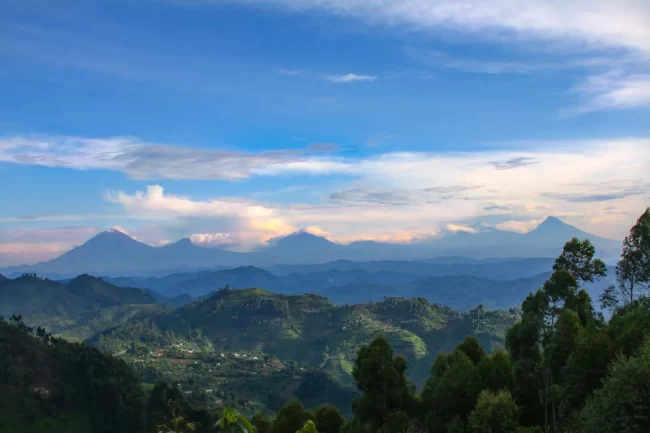
The Virunga Volcanoes are among the most spectacular natural attractions in East Africa, offering dramatic mountain scenery, lush volcanic forests, rare wildlife, and unforgettable adventures. Stretching across Uganda, Rwanda, and the Democratic Republic of Congo (DRC), this remarkable volcanic mountain range is famous for its endangered mountain gorillas, golden monkeys, challenging hiking trails, and extraordinary biodiversity.
For travelers planning a Uganda safari, the Virunga Volcanoes provide an excellent opportunity to combine mountain adventures with gorilla trekking, wildlife photography, cultural experiences, and nature exploration. In southwestern Uganda, the volcanic landscape is protected by Mgahinga Gorilla National Park, one of the country’s most remarkable conservation areas.
At Epic Uganda Vacation, we help travelers explore Uganda’s volcanic mountains through tailor-made gorilla trekking safaris, golden monkey tracking, volcano hiking, and multi-destination Uganda safari packages.
Where Are the Virunga Volcanoes Located?
The Virunga Volcanoes are part of the Virunga Mountain Range, also known as the Virunga Massif or the Mufumbiro Mountains. They lie along the borders of southwestern Uganda, northern Rwanda, and the eastern Democratic Republic of Congo.
The mountains form part of the Albertine Rift, a branch of the East African Rift System known for its dramatic landscapes and exceptional biodiversity.
The wider region includes three important protected areas:
- Mgahinga Gorilla National Park in Uganda, famous for mountain gorillas, golden monkeys, and volcano hiking.
- Volcanoes National Park in Rwanda, internationally known for mountain gorilla trekking and volcanic mountain adventures.
- Virunga National Park in the Democratic Republic of Congo, a vast protected area with volcanic landscapes, mountain gorillas, and diverse wildlife.
Although these protected areas share a connected mountain landscape, each has its own entrance procedures, tourism activities, permit requirements, and travel conditions.
The Eight Major Virunga Volcanoes
The Virunga region is commonly associated with eight major volcanic mountains. Each has distinctive scenery, elevation, geological features, and hiking opportunities.
1. Mount Karisimbi – 4,507 Metres
Mount Karisimbi is the highest volcano in the Virunga range. Located on the border between Rwanda and the Democratic Republic of Congo, it rises to approximately 4,507 metres above sea level.
The mountain is known for its steep slopes, high-altitude vegetation, and changing weather conditions. Its upper elevations can experience cold temperatures, mist, and occasional frost.
Karisimbi is particularly attractive to experienced hikers seeking a demanding mountain adventure. The climb typically requires an organized, multi-day expedition with appropriate preparation and local guiding arrangements.
2. Mount Mikeno – Approximately 4,437 Metres
Mount Mikeno is a prominent volcano located entirely within the Democratic Republic of Congo. Its rugged slopes and forested surroundings form part of the dramatic landscape of Virunga National Park.
The mountain is associated with the wider Virunga conservation landscape, where mountain gorillas inhabit protected montane forests.
Mikeno is not a standard recreational hiking destination, and access depends on park regulations, safety conditions, and authorized arrangements.
3. Mount Muhabura – Approximately 4,127 Metres
Mount Muhabura, also written as Muhavura, stands along the Uganda–Rwanda border. It is one of the most recognizable peaks in southwestern Uganda and Rwanda because of its steep, conical shape.
The mountain is a popular challenge for hikers seeking panoramic views of the surrounding countryside. On clear days, the summit area offers views across the volcanic landscape and neighboring mountains.
In Uganda, Muhabura hiking is associated with Mgahinga Gorilla National Park. The climb is physically demanding, so visitors should be prepared for steep trails, high altitude, and changing weather.
4. Mount Bisoke – Approximately 3,711 Metres
Mount Bisoke, also called Visoke, is located on the Rwanda–DRC border. It is particularly famous for the crater lake near its summit.
The mountain attracts hikers interested in volcanic landscapes, montane forest, and scenic crater views. Hiking permits and guides must be arranged through the relevant park authority.
Mount Bisoke is a popular addition to Rwanda itineraries that combine mountain hiking with gorilla trekking in Volcanoes National Park.
5. Mount Sabyinyo – Approximately 3,634 Metres
Mount Sabyinyo, also spelled Sabinyo, is one of the most distinctive mountains in the Virunga range. Its deeply eroded ridges and jagged summit give it a rugged appearance.
The mountain lies at the meeting point of Uganda, Rwanda, and the Democratic Republic of Congo. Its name is commonly associated with the appearance of an old person’s teeth.
Sabyinyo is an important hiking destination in Mgahinga Gorilla National Park. The climb involves steep sections, ladders, and exposed ridges, making it suitable for reasonably fit visitors who follow the guidance of park staff.
The mountain’s distinctive summit area makes it one of the most memorable hiking experiences in southwestern Uganda.
6. Mount Gahinga – Approximately 3,474 Metres
Mount Gahinga lies along the Uganda–Rwanda border and is part of the volcanic landscape protected by Mgahinga Gorilla National Park.
Compared with some of the higher peaks, Gahinga is often considered a more approachable option for visitors interested in a guided volcano hike. However, the trail can still be demanding, and conditions vary according to weather and fitness.
The mountain’s name is associated with piles of stones cleared from farmland in the local language. Its slopes support montane vegetation and form part of the habitat used by wildlife in the region.
7. Mount Nyiragongo – Approximately 3,470 Metres
Mount Nyiragongo is an active volcano in the Democratic Republic of Congo, historically known for its large lava lake and spectacular volcanic activity.
Its eruptions have caused serious destruction, including major lava flows affecting communities near Goma. The volcano remains an important subject of geological monitoring.
Although Nyiragongo has historically attracted adventurous hikers, access depends on official park operations, volcanic conditions, and the security situation. Travelers should not assume that a trek is available simply because it appears in older guidebooks or tour itineraries.
8. Mount Nyamuragira – Approximately 3,058 Metres
Mount Nyamuragira, also known as Nyamulagira, is another active volcano in the Democratic Republic of Congo. It is among Africa’s most active volcanoes and has produced repeated eruptions and extensive lava flows.
Unlike conventional hiking destinations, access to Nyamuragira is governed by volcanic hazards, conservation regulations, and local security conditions.
The mountain is especially important to researchers studying volcanic activity in the East African Rift region.
Why Visit the Virunga Volcanoes?
The Virunga Volcanoes offer far more than mountain scenery. Their combination of rare wildlife, high-altitude forests, geological history, and cultural heritage makes them a major attraction for nature-based tourism.
Mountain Gorilla Trekking
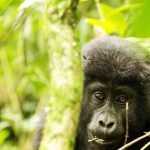
One of the greatest attractions of the Virunga region is the opportunity to encounter endangered mountain gorillas in their natural habitat.
In Uganda, visitors can arrange gorilla trekking in Mgahinga Gorilla National Park. The experience involves entering the forest with authorized guides and trackers to locate a habituated gorilla group.
Once the gorillas are found, visitors can observe their behavior during the permitted viewing period while following strict wildlife-protection rules.
Gorilla trekking permits are limited, so travelers should arrange permits and accommodation in advance.
Golden Monkey Tracking
The Virunga forests are also home to golden monkeys, striking primates recognized by their golden-orange markings.
Mgahinga Gorilla National Park is one of the main places to experience golden monkey tracking in Uganda. Guided excursions provide an opportunity to observe these active monkeys moving through the bamboo forest.
Golden monkey tracking is an excellent addition to a gorilla trekking itinerary, particularly for travelers who want to explore more of the region’s primate diversity.
Volcano Hiking
The Ugandan side of the Virunga region offers guided hikes on Mount Gahinga, Mount Sabyinyo, and Mount Muhabura.
These hikes provide different levels of physical challenge and reveal a variety of landscapes, from montane forest and bamboo vegetation to open high-altitude slopes.
Travelers should select a hike according to their fitness, available time, and comfort with steep terrain. Weather can change quickly, and high-altitude hikes require suitable clothing, sturdy footwear, water, and guidance from park staff.
Birdwatching and Nature Photography
The Virunga landscape supports a rich variety of birdlife, forest vegetation, and high-altitude habitats. Birdwatchers can explore forest trails with knowledgeable guides in search of species found in the Albertine Rift.
Photographers are drawn to the volcanic silhouettes, misty forests, mountain ridges, and dramatic scenery. Wildlife photography opportunities may include birds, golden monkeys, and mountain gorillas, subject to park regulations.
Cultural Experiences
Communities around the Virunga Volcanoes have longstanding relationships with the surrounding landscape. Visitors can arrange suitable community experiences to learn about local livelihoods, food, traditions, and conservation initiatives.
Choose responsible experiences that respect local customs and support community-led tourism.
Mgahinga Gorilla National Park: Uganda’s Virunga Destination
Mgahinga Gorilla National Park is Uganda’s smallest national park, but its volcanic scenery and wildlife make it an important destination for adventurous travelers.
Located in southwestern Uganda, the park protects part of the Virunga mountain ecosystem and is home to mountain gorillas, golden monkeys, and diverse forest species.
Its main visitor activities include:
- Mountain gorilla trekking.
- Golden monkey tracking.
- Guided hikes on Mount Gahinga.
- Guided hikes on Mount Sabyinyo.
- Guided hikes on Mount Muhabura.
- Birdwatching and nature exploration.
Mgahinga is particularly suitable for travelers who want to combine primate experiences with volcano hiking. The park can also be incorporated into a longer itinerary featuring Bwindi Impenetrable National Park, Lake Bunyonyi, Queen Elizabeth National Park, or other Ugandan destinations.
Best Time to Visit the Virunga Volcanoes
The Virunga region can be visited throughout the year, but weather conditions influence hiking difficulty, visibility, road access, and the overall experience.
June to August
These months are commonly considered part of the drier season in southwestern Uganda and Rwanda. Trails may be easier to navigate, although rain and mist remain possible in mountain environments.
This period is popular for gorilla trekking and volcano hiking, so early planning is recommended.
December to February
Another commonly drier period, these months can be suitable for travelers combining gorilla trekking, golden monkey tracking, and mountain hikes.
Conditions vary by altitude, and higher mountain slopes may remain cold and wet.
March to May
This is generally a wetter period in much of the region. Trails may become muddy and slippery, and some hikes can be more challenging.
However, the forests are lush, and visitors who are prepared for rain can still enjoy wildlife and scenery.
September to November
Rainfall can increase during this period, although conditions vary from year to year. Travelers should prepare for wet trails and remain flexible with outdoor activities.
Travel tip: There is no guarantee of dry weather in a tropical mountain environment. Check conditions with the relevant park authority before your visit.
How to Reach the Virunga Volcanoes from Uganda
Travel arrangements depend on which volcano or protected area you plan to visit.
From Entebbe or Kampala to Mgahinga
Visitors traveling to Uganda’s Virunga region can arrange a private road transfer from Entebbe or Kampala to southwestern Uganda.
The journey generally takes most of a day, depending on the departure point, traffic, stops, and road conditions. A 4×4 vehicle is recommended for comfortable travel in the mountainous region.
Alternatively, travelers may consider a domestic flight toward Kisoro, subject to available schedules, followed by a road transfer to their accommodation.
From Bwindi Impenetrable National Park
Mgahinga can be combined with Bwindi for travelers who want to experience gorilla trekking in different settings or add golden monkey tracking and volcano hiking to their safari.
The transfer time depends on the exact starting point and destination within the two park areas. Your itinerary should account for road conditions and any early-morning activity briefing.
From Kigali, Rwanda
Travelers arriving in Kigali may be able to organize a cross-border itinerary to southwestern Uganda. The route requires appropriate travel documents and arrangements for border crossing.
Entry requirements, visa conditions, vehicle documentation, and any permit arrangements should be checked before departure.
Travel to Virunga National Park in the DRC
The Democratic Republic of Congo’s Virunga National Park is a separate destination with its own entry and safety requirements. Do not assume that a Uganda itinerary automatically provides access to the DRC.
Check official park announcements and your government’s travel advice before considering any visit. Park activities may be suspended because of security or operational conditions.
Where to Stay When Visiting the Ugandan Virunga Volcanoes
Accommodation options around Mgahinga and Kisoro range from comfortable lodges to simpler guesthouses and camps.
When choosing accommodation, consider the location of your planned activity, the time required to reach the briefing point, your budget, and the type of facilities you prefer.
Useful options to research include:
- Mount Gahinga Lodge: A well-known lodge near Mgahinga Gorilla National Park, suitable for travelers seeking a comfortable base for gorilla trekking and volcano activities.
- Lake Mutanda lodges and camps: Options around scenic Lake Mutanda for visitors who want mountain views and a relaxing lakeside stay.
- Kisoro town accommodation: Guesthouses and hotels that can suit travelers looking for practical access to the region.
- Bwindi accommodation: For itineraries combining Mgahinga with Bwindi, choose lodging near the specific trekking sector assigned to your permit.
Availability and rates vary by season. Confirm transport arrangements and the distance to your activity’s starting point before booking.
What to Pack for a Virunga Volcano Adventure
The correct equipment makes a significant difference when exploring steep mountain trails and tropical forests.
Recommended items include:
- Sturdy hiking boots with good traction.
- Waterproof hiking clothing or a rain jacket.
- Long trousers and a long-sleeved shirt.
- Warm layers for cold mornings and high elevations.
- A daypack with drinking water and snacks.
- Hiking gloves where useful.
- Sunscreen, insect repellent, and personal medication.
- A camera or binoculars.
- A hat and spare socks.
- Trekking poles, if appropriate for your hike and permitted by the guides.
For demanding volcano hikes, ask the park authority or your tour operator for a route-specific packing list. Always follow the guide’s instructions and avoid attempting high-altitude hikes without proper preparation.
Responsible Tourism and Conservation
The Virunga Volcanoes are ecologically important and support endangered wildlife. Responsible tourism helps protect the environment while supporting the communities that live near protected areas.
Visitors should follow these principles:
- Follow instructions from authorized park guides and rangers.
- Never approach, feed, or disturb wildlife.
- Maintain the required distance from mountain gorillas.
- Do not use flash photography around gorillas.
- Stay on designated trails and avoid damaging vegetation.
- Carry out all rubbish.
- Respect local communities and their cultural practices.
- Follow official guidance about weather, volcanic activity, and security.
Mountain gorillas are vulnerable to human diseases. Visitors who are ill should inform park staff and follow current health rules rather than risking the animals’ wellbeing.
Sample 5-Day Virunga Volcano and Gorilla Safari in Uganda
This sample itinerary combines Uganda’s volcanic landscapes with primate experiences and scenic destinations. It should be adjusted according to permit availability, transport schedules, and your preferred activities.
Day 1: Travel to Southwestern Uganda
Depart from Entebbe or Kampala and travel toward Kisoro and the Mgahinga region. Enjoy scenic countryside stops where time permits, then check in at your lodge.
Day 2: Gorilla Trekking in Mgahinga
After an early breakfast, attend the park briefing and join your guided gorilla trekking excursion. Spend the permitted viewing time with the gorillas once the group is located, then return to your lodge.
Day 3: Golden Monkey Tracking or Volcano Hiking
Choose golden monkey tracking or a guided hike on one of the accessible Virunga volcanoes. The choice depends on your interests, fitness, available permits, and the park’s operating schedule.
Day 4: Explore Lake Mutanda or Lake Bunyonyi
Enjoy a scenic excursion around Lake Mutanda or travel onward toward Lake Bunyonyi. Depending on your location and schedule, activities may include a boat trip, photography, or a community experience.
Day 5: Return to Entebbe or Continue Your Safari
Begin your return journey or continue to another Ugandan destination. Travelers with additional time may extend the trip to Bwindi Impenetrable National Park or Queen Elizabeth National Park.
Plan Your Virunga Volcano Safari with Epic Uganda Vacation
The Virunga Volcanoes offer an extraordinary combination of mountain scenery, rare primates, volcanic landscapes, and outdoor adventure. From gorilla trekking and golden monkey tracking in Mgahinga Gorilla National Park to hiking the region’s dramatic peaks, this part of southwestern Uganda rewards travelers seeking a memorable nature-based safari.
Epic Uganda Vacation can help organize a customized itinerary that includes permits, accommodation, transportation, guided activities, and other destinations in Uganda.
Contact our team to plan your Virunga Volcano adventure and discover the beauty of Uganda’s mountain landscapes.
Frequently Asked Questions About the Virunga Volcanoes
1. Where are the Virunga Volcanoes?
The Virunga Volcanoes lie along the borders of Uganda, Rwanda, and the Democratic Republic of Congo in East-Central Africa.
2. How many volcanoes are in the Virunga range?
The range is commonly described as having eight major volcanoes: Karisimbi, Mikeno, Muhabura, Bisoke, Sabyinyo, Gahinga, Nyiragongo, and Nyamuragira.
3. Which Virunga volcanoes can I hike in Uganda?
In Uganda, guided volcano hiking is available on Mount Gahinga, Mount Sabyinyo, and Mount Muhabura through Mgahinga Gorilla National Park, subject to park regulations and conditions.
4. Can I see mountain gorillas in the Virunga Volcanoes?
Yes. Mountain gorillas inhabit the wider Virunga conservation landscape. In Uganda, visitors can trek gorillas in Mgahinga Gorilla National Park, while Rwanda and the DRC have separate protected areas and permit systems.
5. What is the highest Virunga volcano?
Mount Karisimbi is the highest major volcano in the range, reaching approximately 4,507 metres above sea level.
6. Are the Virunga Volcanoes active?
Some volcanoes in the wider region are active, particularly Nyiragongo and Nyamuragira in the DRC. Other peaks are generally dormant or inactive. Volcanic status can change, so visitors should follow official geological and park advisories.
7. What is the best time to visit the Virunga Volcanoes?
June to August and December to February are commonly considered drier periods in southwestern Uganda. However, mountain weather can change quickly, and rain is possible throughout the year.
8. Can I combine gorilla trekking with volcano hiking?
Yes. In Uganda, visitors can plan a multi-day safari combining gorilla trekking, golden monkey tracking, and guided hikes in Mgahinga Gorilla National Park, depending on permits, fitness, and available time.
9. Is it safe to visit Virunga National Park in the DRC?
Security and park operations can change. Check official park announcements and current government travel advisories before making any plans. Do not assume that activities advertised in older travel articles are currently operating.
10. How can I book a Virunga Volcano safari in Uganda?
Contact Epic Uganda Vacation to discuss your travel dates, preferred activities, accommodation, and budget. Your itinerary can then be tailored around available permits and the most suitable route.