Birding in Ruhija, Uganda: Mubwindi Swamp and Albertine Rift Endemic Birds
Birding in Ruhija is one of the highlights of a Uganda birdwatching safari. Located in the eastern section of Bwindi Impenetrable National Park, Ruhija is renowned for its montane forest, highland bird species and access to the famous Mubwindi Swamp trail.
The area is especially attractive to birders hoping to see Albertine Rift endemics, a group of birds with restricted distributions in the mountains of Central and East Africa. From the striking African green broadbill to elusive forest warblers, sunbirds and crimsonwings, Ruhija offers excellent opportunities for specialist birdwatching.
For travellers planning a Uganda birding safari, Ruhija can be explored as a dedicated birding destination or combined with gorilla trekking in Bwindi, wildlife viewing in Queen Elizabeth National Park and chimpanzee tracking in Kibale Forest.
Epic Uganda Vacation organises tailor-made birding safaris in Uganda for travellers interested in forest birds, rare species, photography and guided nature experiences.
Why Is Ruhija Famous for Birdwatching?
Ruhija is one of the principal birding areas in Bwindi Impenetrable National Park. Its high elevation and montane forest habitats support a distinctive bird community, including species that are difficult to find in other parts of Uganda.
Bwindi has recorded more than 350 bird species, including approximately 23 Albertine Rift endemics. The precise number of species recorded on an individual visit depends on the routes covered, season, weather and the experience of the birding guide.
Ruhija is particularly valued for four reasons:
- Albertine Rift endemics: Opportunities to search for restricted-range birds found in the region’s mountain forests.
- Mubwindi Swamp: A celebrated birding trail with forest and wetland-edge habitats.
- Montane forest specialists: Excellent opportunities to search for species associated with high-altitude forest.
- Specialist birding safaris: Ruhija can be incorporated into itineraries designed around target species rather than gorilla trekking alone.
Mubwindi Swamp Trail: The Highlight of Birding in Ruhija
Mubwindi Swamp is one of the best-known birdwatching locations in Bwindi. The trail descends through montane forest towards a highland wetland, passing through habitats that support a variety of forest and swamp-associated birds.
The walk can be physically demanding because of steep sections, uneven ground, mud and changes in elevation. Depending on the pace, birding stops and trail conditions, visitors should allow several hours for the excursion.
A knowledgeable local birding guide is particularly valuable. Many forest birds are heard before they are seen, and recognising their calls can make a substantial difference to the number of species identified.
The trail’s most sought-after birds include the African green broadbill and Grauer’s rush warbler. Other potential sightings include forest warblers, crimsonwings, sunbirds and other Albertine Rift specialists. Sightings are never guaranteed, even with an experienced guide.
Birds to Look for in Ruhija
Ruhija offers opportunities to search for some of Uganda’s most interesting montane forest birds. The following species are important targets for visiting birdwatchers.
1. African Green Broadbill
The African green broadbill, also known as Grauer’s broadbill, is one of the headline species for birding in Ruhija. Its green plumage helps it blend into the forest vegetation, making it surprisingly difficult to locate despite its distinctive appearance.
Mubwindi Swamp and the surrounding montane forest are important places to search for this species. A specialist guide familiar with its calls and preferred habitat can improve your chances of finding it.
2. Grauer’s Rush Warbler
Grauer’s rush warbler is a highly sought-after Albertine Rift species associated with high-altitude swamp vegetation. It can be difficult to observe because it moves discreetly through dense grasses and wetland-edge plants.
Birders may hear its call before obtaining a clear view. Patience, quiet observation and knowledge of its habitat are essential.
3. Shelley’s Crimsonwing
Shelley’s crimsonwing is another prized target for specialist birdwatchers visiting Bwindi. This small finch is associated with montane forest and dense vegetation, where it can be challenging to observe.
A local guide can help identify suitable areas and listen for activity along the trail.
4. Grauer’s Warbler
Grauer’s warbler is associated with the montane forest and dense undergrowth of the Albertine Rift. It is a worthwhile target for birders building a regional species list.
Careful listening and slow movement are often more productive than walking quickly through the forest.
5. Archer’s Robin-Chat
Archer’s robin-chat is a restricted-range forest bird that birders may seek in the dense understorey around Ruhija. Its vocalisations can help guide birdwatchers towards suitable observation points.
6. Kivu Ground Thrush
The Kivu ground thrush is another interesting target for visitors searching for forest-floor species. It can be elusive, so allow time for careful observation in appropriate habitat.
7. Rwenzori Batis
The Rwenzori batis is a small forest bird that may be encountered in mixed-species feeding flocks. Watching these flocks can reveal several species moving through different levels of the forest canopy.
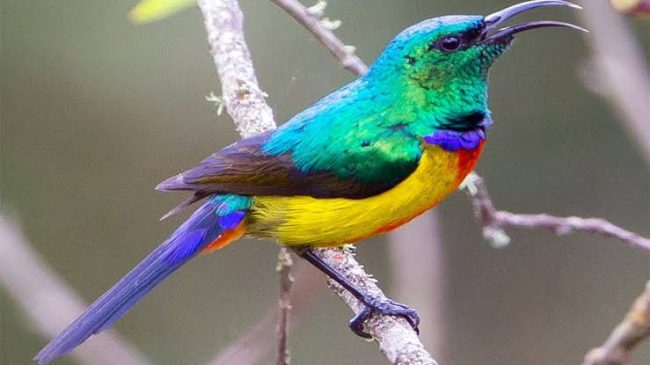
8. Regal Sunbird
The regal sunbird is one of the colourful birds associated with the Albertine Rift. Look for sunbirds around flowering vegetation and suitable forest-edge habitats.
9. Grauer’s Swamp Warbler
The name Grauer’s swamp warbler is sometimes used in birding references for a different species from Grauer’s rush warbler. Birders should use a current field guide and confirm identification with their guide, particularly when recording a specialist species list.
10. Other Montane Forest Birds
Depending on the route and conditions, birdwatchers may also look for species such as the Rwenzori turaco, stripe-breasted tit, mountain masked apalis, collared apalis, purple-breasted sunbird and other forest specialists. <Cite refs={[“turn317876search5″,”turn317876search8”]}/>
Remember that not every species is present along every trail or visible on every visit. Your guide can prioritise the birds most relevant to your target list.
Other Birding Areas Around Ruhija
Although Mubwindi Swamp is a major attraction, birdwatching around Ruhija should not be limited to a single trail.
Montane forest trails
Guided walks through suitable forest trails provide opportunities to search for canopy birds, mixed feeding flocks and secretive understorey species. A slow pace helps birders listen for calls and observe movement in the vegetation.
Forest edges and community areas
The forest edges and surrounding landscape can provide different birding opportunities from the forest interior. Depending on the habitat, birders may encounter sunbirds, weavers, flycatchers and other species.
The bamboo zone
The highland vegetation and bamboo habitats around parts of Ruhija offer additional possibilities for searching for montane species. Your guide can advise on the most suitable locations based on recent sightings and trail access.
For a more comprehensive Bwindi birding experience, consider combining Ruhija with the Buhoma sector. The two areas offer different elevations and habitat conditions, which can increase the variety of birds encountered during a multi-day visit.
Best Time for Birding in Ruhija
Birdwatching is possible throughout the year in Ruhija, but weather conditions affect walking, visibility and access to forest trails.
June to August: These months are generally within Uganda’s relatively drier season and can offer more manageable trail conditions.
December to February: Another relatively drier period that can be suitable for forest birding and combining Ruhija with other Uganda destinations.
March to May and September to November: Rain can be more frequent during these periods, creating muddy trails and more difficult walking conditions. However, birding can still be rewarding, and wet conditions do not mean birds will be absent.
For the best experience, start early in the morning, allow sufficient time on the trail and remain flexible about weather and sightings.
How Many Days Do You Need for Birding in Ruhija?
The time required depends on your target species and whether Ruhija is part of a longer Uganda birding tour.
- One day: Suitable for a short introduction to birding around Ruhija, but it may not provide enough time for a broad target list.
- Two days: Allows a dedicated Mubwindi Swamp excursion and another birding session around the forest or surrounding habitats.
- Three days or more: Recommended for specialist birders who want additional time to search for difficult species and explore different habitats.
Birders travelling specifically for Albertine Rift endemics should consider building flexibility into the itinerary. A species may be present but remain difficult to see, so extra time can be valuable.
What to Pack for Birding in Ruhija
Ruhija’s highland forest can be cool, damp and slippery. Bring equipment suitable for extended walks and forest observation.
Recommended items include:
- Binoculars suitable for forest birding.
- A camera with a suitable lens, if desired.
- A current East African or Albertine Rift bird field guide.
- Waterproof hiking boots with good grip.
- Waterproof jacket and rain protection for your equipment.
- Warm layers for early mornings.
- A small daypack and drinking water.
- Insect repellent and personal essentials.
- A notebook or birding app for recording sightings.
Avoid wearing noisy clothing or moving too quickly through the forest. Quiet observation helps you detect birds that might otherwise remain hidden.
Can You Combine Birding in Ruhija with Gorilla Trekking?
Yes. Ruhija is also one of Bwindi’s gorilla trekking sectors, so birdwatching can be combined with a mountain gorilla experience.
However, gorilla trekking and birding are different activities. Gorilla trekking follows the permit arrangements and ranger instructions for a habituated gorilla family, while dedicated birding excursions focus on finding and identifying bird species along suitable routes.
If you want to do both, plan enough nights in the area rather than trying to fit every activity into one day. Gorilla permits must be arranged for the correct sector and date, and availability should be confirmed before finalising the itinerary.
Sample 4-Day Ruhija Birding Safari
Day 1: Travel to Ruhija
Travel to the Ruhija area and check in at your chosen accommodation. Depending on arrival time, enjoy a short birding session around suitable forest edges or the lodge grounds.
Day 2: Birding at Mubwindi Swamp
Start early with your birding guide and spend the day exploring the Mubwindi Swamp trail. Search for African green broadbill, Grauer’s rush warbler, Shelley’s crimsonwing and other forest specialists. Return to your lodge after the excursion.
Day 3: Forest Birding Around Ruhija
Explore additional forest trails and habitats selected by your guide. Focus on species not yet recorded and revisit suitable locations for difficult targets. The precise route will depend on trail conditions and recent bird activity.
Day 4: Continue Your Uganda Birding Safari
After breakfast, depart for your next destination. Depending on your overall itinerary, you may continue to Buhoma, Queen Elizabeth National Park or another birding location in Uganda.
Epic Uganda Vacation can adapt this itinerary to your arrival point, departure airport, target species, accommodation preferences and available days.
Extend Your Birding Safari Beyond Ruhija
Ruhija is an excellent starting point for exploring Uganda’s wider bird diversity, but a countrywide birding itinerary benefits from including several different habitats.
Consider combining Ruhija with:
- Buhoma, Bwindi: Additional forest trails and opportunities to search for Albertine Rift endemics.
- Queen Elizabeth National Park: Savannah, woodland, wetlands and the Kazinga Channel.
- Kibale Forest: Forest birding and opportunities to combine birds with chimpanzee tracking.
- Mabamba Swamp: A well-known destination for searching for the shoebill.
- Lake Mburo National Park: Acacia woodland, open savannah, wetland habitats and diverse birdlife.
- Murchison Falls National Park: Riverine, woodland and savannah habitats, with opportunities to search for a wide range of bird species.
The best combination depends on your target list, trip length and travel logistics. A specialist itinerary can balance long drives with enough time in each habitat.
Frequently Asked Questions About Birding in Ruhija
What is the best birding trail in Ruhija?
Mubwindi Swamp is one of the best-known trails for birdwatching in Ruhija, especially for visitors targeting Albertine Rift endemics and high-altitude wetland birds.
Which rare birds can I see in Ruhija?
Important targets include the African green broadbill, Grauer’s rush warbler, Shelley’s crimsonwing, Archer’s robin-chat and Kivu ground thrush. Sightings depend on conditions, and none can be guaranteed.
Do I need a guide for birding in Ruhija?
A specialist local birding guide is strongly recommended. Forest birds are often identified by their calls, and a guide familiar with the area can help you locate species and identify them accurately.
Is the Mubwindi Swamp trail difficult?
The trail can be demanding because of its slopes, uneven surfaces, mud and elevation changes. Fitness, suitable footwear and adequate time are important.
Can beginners enjoy birding in Ruhija?
Yes. Beginners can enjoy the forest birdlife with a knowledgeable guide. Experienced birders may focus on rare or restricted-range species, while beginners can learn to recognise common calls, feeding flocks and forest habitats.
Can I combine Ruhija birding with other Uganda destinations?
Yes. Ruhija can be combined with Buhoma, Queen Elizabeth National Park, Kibale Forest, Lake Mburo and other destinations, depending on your travel dates and interests.
Plan Your Ruhija Birding Safari with Epic Uganda Vacation
Birding in Ruhija offers a rewarding opportunity to explore the montane forests of Bwindi Impenetrable National Park and search for some of East Africa’s most sought-after forest birds. Whether your priority is the African green broadbill, Albertine Rift endemics or a broader Uganda bird checklist, a well-planned itinerary gives you time to explore at a comfortable pace.
Epic Uganda Vacation can organise specialist birding guides, accommodation, transport and a tailor-made Uganda birdwatching safari that fits your interests and budget.
Contact Epic Uganda Vacation to plan your birding trip to Ruhija and explore Uganda’s exceptional birdlife.