Chimpanzee Trekking in Nyungwe Forest National Park, Rwanda: Complete Guide
Chimpanzee trekking in Nyungwe Forest National Park is one of Rwanda’s most rewarding wildlife experiences, offering travelers the opportunity to observe wild chimpanzees in their natural rainforest habitat. Located in southwestern Rwanda, Nyungwe is a biodiversity hotspot known for its ancient montane forest, diverse primate populations, spectacular birdlife, scenic hiking trails, and famous canopy walkway.
Unlike mountain gorilla trekking, which takes place at a slower pace, chimpanzee tracking is often fast-moving and unpredictable. Chimpanzees travel through the forest in search of food, communicate through loud calls, and swing between branches, creating an exciting experience for wildlife enthusiasts, photographers, and adventure travelers.
Whether you are planning a dedicated primate safari or combining Nyungwe with gorilla trekking in Volcanoes National Park, this guide covers everything you need to know about chimpanzee trekking in Rwanda, including permits, costs, the best time to visit, packing essentials, and travel tips.
About Nyungwe Forest National Park
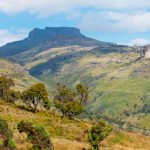
Nyungwe Forest National Park is one of Africa’s most important montane rainforest ecosystems. Covering approximately 1,019 square kilometres, the park lies along the mountainous divide between the Nile and Congo river basins in southwestern Rwanda.
The forest supports remarkable biodiversity, including hundreds of bird species, numerous mammals, orchids, butterflies, and several species of primates. Its lush vegetation, mist-covered hills, and extensive network of hiking trails make it an outstanding destination for nature lovers.
Nyungwe is particularly famous for its chimpanzee population, making it one of Rwanda’s leading destinations for primate tracking.
Visitors can also enjoy guided forest hikes, birdwatching, waterfall trails, and the spectacular Nyungwe Canopy Walkway.
Chimpanzee Trekking in Nyungwe Forest
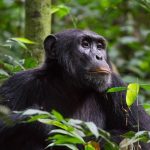
Chimpanzee trekking is the main attraction for many visitors to Nyungwe Forest National Park. The experience involves hiking through dense rainforest with experienced guides and trackers to locate a habituated chimpanzee community.
Chimpanzees share approximately 98% of their DNA with humans and display fascinating social behaviours. During your trek, you may observe them feeding, grooming, communicating, playing, caring for their young, or moving through the forest canopy.
What to Expect During a Chimpanzee Trek
Your adventure typically begins early in the morning, when chimpanzees are active and trackers have the opportunity to locate their movements.
After arriving at the designated meeting point, you will receive a briefing about the trekking experience, safety procedures, and responsible wildlife-viewing practices. You will then enter the forest with your guide.
The hike can involve steep slopes, muddy paths, thick vegetation, and uneven terrain. The duration varies depending on the location of the chimpanzees and how far they have travelled.
Once the chimpanzees are located, visitors are generally allowed to observe them for a maximum of one hour, subject to current park regulations.
Chimpanzees are highly mobile, so sightings cannot be guaranteed. However, hearing their distinctive pant-hoots and calls echoing through the forest is an unforgettable part of the experience.
Where to See Chimpanzees in Nyungwe Forest
Chimpanzee tracking takes place in designated areas of Nyungwe Forest National Park.
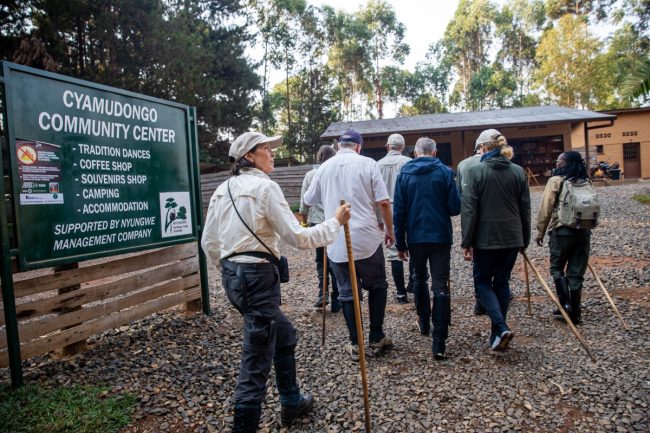
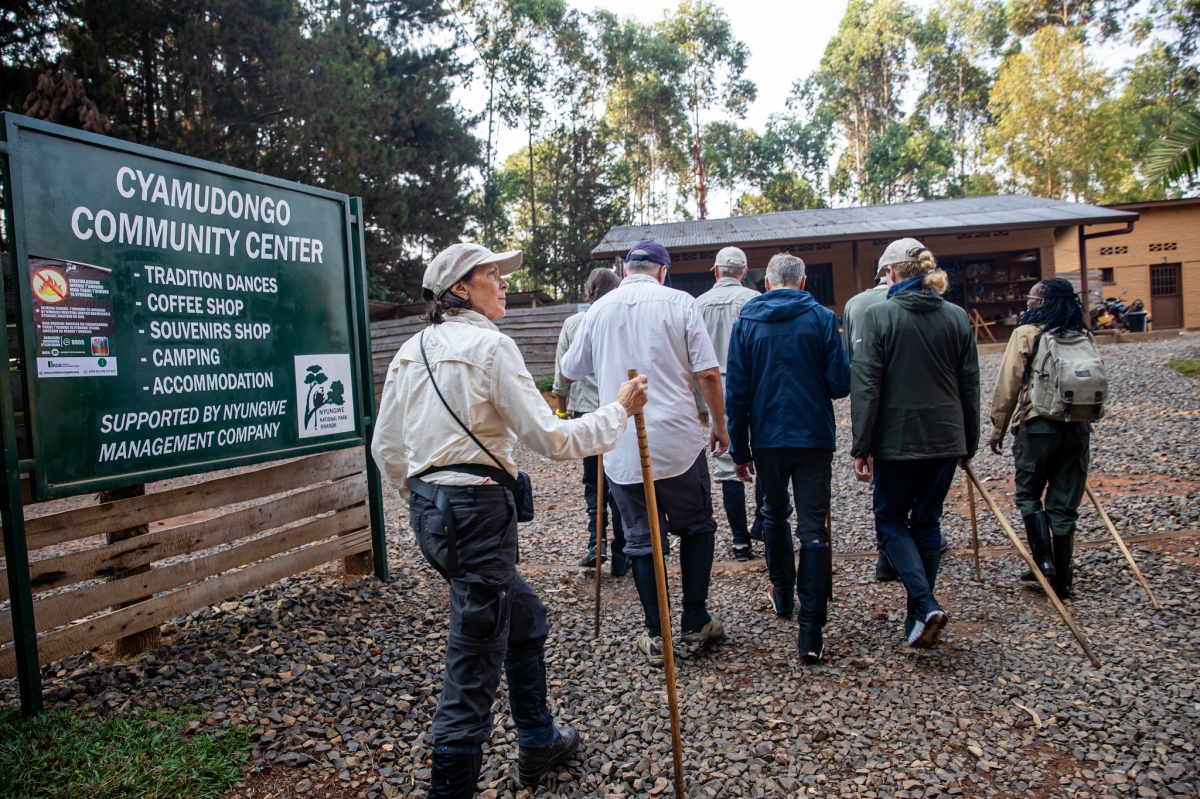
Cyamudongo Forest is an important tracking location. This relatively small forest fragment is separated from the main Nyungwe forest and is known for its habituated chimpanzee community. Its concentrated forest habitat can offer rewarding encounters, although chimpanzees may still move considerable distances.
Other tracking arrangements may operate in designated areas of the main forest, depending on park management and the availability of chimpanzee communities.
Your tour operator should confirm the assigned tracking location before your visit because the starting point and transfer arrangements may differ.
Other Primates to See in Nyungwe Forest
Chimpanzees are not the only primates that make Nyungwe special. The forest supports a remarkable diversity of monkeys and other mammals.
During your visit, you may encounter:
- Ruwenzori colobus monkeys: Known for their striking black-and-white coats and impressive group formations.
- L’Hoest’s monkeys: Distinctive forest monkeys associated with the Albertine Rift region.
- Blue monkeys: Agile primates commonly associated with forest habitats.
- L’Hoest’s and other guenons: Several monkey species inhabit the forest, depending on the specific location.
- Olive baboons: Social primates that may be seen in suitable habitats around the forest.
- Vervet monkeys: Recognisable by their expressive faces and greyish coats.
Nyungwe is home to approximately 13 primate species, making it an excellent destination for travelers interested in observing several primates during one safari.
Nyungwe Canopy Walkway: An Adventure Above the Rainforest
A chimpanzee trekking safari can be combined with the famous Nyungwe Canopy Walkway, one of the park’s signature attractions.
The suspension bridge measures approximately 160 metres long and hangs around 70 metres above the forest floor at its highest point. It offers visitors a unique perspective of the rainforest canopy, surrounding hills, and rich birdlife.
The canopy walk is conducted as part of a guided forest excursion, commonly along the Igishigishigi Trail from the Uwinka reception area.
During the experience, you may spot colourful birds, butterflies, orchids, and other forest wildlife. The elevated views also provide excellent opportunities for photography.
The canopy walkway is a separate activity from chimpanzee trekking, so visitors should allow sufficient time to enjoy both experiences.
Birdwatching in Nyungwe Forest National Park
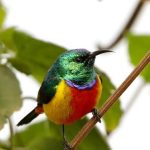
Nyungwe is also a remarkable destination for birdwatching, with more than 300 recorded bird species and a significant concentration of Albertine Rift endemics.
Birders may look for species such as the Great Blue Turaco, Ruwenzori turaco, handsome francolin, and red-collared mountain babbler.
The forest’s varied elevations and vegetation create habitats for many specialist forest birds. Guided birdwatching walks can therefore be a valuable addition to a chimpanzee trekking itinerary.
For the best experience, consider hiring a knowledgeable birding guide and carrying binoculars, a field guide, and a camera with a suitable lens.
Chimpanzee Trekking Permits and Costs in Nyungwe Forest
A valid chimpanzee trekking permit is required to participate in the activity. Permits help regulate visitor numbers and support the management and conservation of Rwanda’s protected areas.
The following prices are listed in the 2025–2026 Nyungwe National Park activity pricing schedule:
| Visitor category | Chimpanzee tracking | Canopy walk |
|---|---|---|
| International and African visitors | US$150 | US$40 |
| International visitors resident in Rwanda or the EAC | US$75 | US$20 |
| Rwandan and EAC citizens | RWF 25,000 | RWF 5,000 |
Rates and eligibility conditions should be reconfirmed when booking.
These prices cover the listed activities and their specified guiding services, but they do not necessarily include accommodation, transport, meals, or other safari expenses.
The published schedule specifies a maximum of eight adults per chimpanzee community for standard tracking. The minimum age is 15 years.
For current availability and booking procedures, consult the Rwanda development board (RDB)
Booking tip: Reserve your chimpanzee trekking permit in advance, especially if you plan to travel during peak holiday periods or combine Nyungwe with gorilla trekking. Your tour operator can help coordinate permits, accommodation, transfers, and the timing of other activities.
Best Time for Chimpanzee Trekking in Nyungwe Forest
Chimpanzee trekking is possible throughout the year, but weather conditions can affect hiking difficulty, trail conditions, and travel arrangements.
Dry periods
The drier periods generally fall around June to September and December to February. These months can offer more favourable conditions for hiking, although rainfall remains possible in this montane rainforest.
Dryer weather can make forest trails easier to navigate and is often attractive to travelers combining several destinations in Rwanda.
Rainier periods
The main rainy periods generally occur around March to May and October to November. Trails may become muddy and slippery, and rainfall can make some sections more challenging.
However, the forest remains lush, and the rainy season can appeal to visitors who enjoy vibrant vegetation and fewer crowds at some tourism sites.
Because chimpanzees move freely through the forest, sightings depend on their location and movements rather than the season alone.
What to Pack for Chimpanzee Trekking
Appropriate clothing and equipment can make your Nyungwe chimpanzee trekking experience more comfortable.
Consider packing the following:
- Waterproof hiking boots: Choose sturdy footwear with good grip for muddy, uneven trails.
- Long trousers and long-sleeved shirts: These help protect you from vegetation and insects.
- Rain jacket: Rain can occur even during traditionally drier months.
- Gardening or trekking gloves: Useful when navigating vegetation or holding onto branches on designated trails.
- Small backpack: Carry water, snacks where permitted, and personal essentials.
- Binoculars and camera: Helpful for observing wildlife and photographing birds.
- Insect repellent and sunscreen: Useful for outdoor activities.
- Walking stick: Can provide additional support on steep or slippery sections.
- Drinking water: Carry enough for the planned hike.
Follow your guide’s instructions regarding equipment, food, photography, and movement around wildlife.
Chimpanzee Trekking Rules and Responsible Tourism
Responsible wildlife tourism helps protect chimpanzees and preserves the forest ecosystem for future generations.
During your trek, observe the following principles:
- Follow your guide’s instructions. Remain with your assigned group and follow the designated trails.
- Keep a respectful distance. Never approach, touch, feed, or attempt to attract chimpanzees.
- Avoid loud or sudden movements. Do not shout at the animals or use playback calls to draw them closer.
- Do not trek when ill without checking park guidance. Respiratory infections can pose serious risks to great apes, so disclose relevant symptoms to park staff.
- Observe the permitted viewing time. Follow the official limit and any additional instructions from your guide.
- Do not litter. Carry all rubbish out of the forest.
- Respect the habitat. Avoid damaging plants, disturbing wildlife, or leaving marked trails.
- Follow photography rules. Avoid flash photography where prohibited and listen to your guide’s instructions.
The minimum age for chimpanzee tracking is 15 years under the published activity schedule. Confirm all applicable rules before travel, as park authorities may update their requirements.
How to Get to Nyungwe Forest National Park
Nyungwe Forest is located in southwestern Rwanda, and most visitors reach the park by road from Kigali.
The drive from Kigali generally takes around five to six hours, depending on traffic, road conditions, stops, and your exact destination within the park.
Travelers can arrange a private safari vehicle with a driver-guide or book a package that includes transfers and accommodation.
If you are combining chimpanzee trekking with other destinations, Nyungwe can be included in a broader Rwanda itinerary featuring Lake Kivu, Kigali, and Volcanoes National Park.
For travelers arriving from Uganda or planning a regional primate safari, it is also possible to compare Nyungwe chimpanzee tracking with chimpanzee trekking in Kibale Forest National Park.
Sample 2-Day Nyungwe Chimpanzee Trekking Safari
A two-day itinerary provides a practical introduction to Nyungwe’s wildlife and rainforest attractions.
Day 1: Kigali to Nyungwe Forest National Park
Depart Kigali in the morning and travel southwest through Rwanda’s scenic countryside. Depending on your schedule, you may stop at selected viewpoints or cultural attractions along the way.
Arrive at your accommodation near the park, check in, and prepare for an early start the following morning.
Day 2: Chimpanzee Trekking and Canopy Walk
Wake up early and transfer to the designated chimpanzee trekking briefing point. Join your guide and trackers for a forest trek in search of the chimpanzee community.
After the trek, enjoy breakfast or lunch according to your itinerary. If timing, activity availability, and your energy level allow, continue to the Nyungwe Canopy Walkway for a guided excursion above the rainforest.
You can then begin your return journey or extend your stay for birdwatching and additional forest hikes.
Note: This itinerary is a suggested outline. Your actual schedule will depend on the assigned chimpanzee tracking location, permit arrangements, activity times, and road conditions.
Chimpanzee Trekking in Nyungwe vs. Kibale Forest
Both Nyungwe Forest in Rwanda and Kibale Forest in Uganda offer opportunities to observe chimpanzees in their natural habitat.
Nyungwe is ideal for travelers who want to combine chimpanzee tracking with Rwanda’s canopy walkway, montane rainforest scenery, and other Albertine Rift wildlife experiences.
Kibale Forest is a well-known destination for chimpanzee tracking in Uganda and can be combined with other Ugandan wildlife attractions, including Queen Elizabeth National Park.
The best choice depends on your travel route, available time, budget, permit availability, and whether you intend to combine chimpanzee tracking with mountain gorilla trekking.
Frequently Asked Questions About Chimpanzee Trekking in Nyungwe
1. How much does chimpanzee trekking cost in Nyungwe Forest?
The published 2025–2026 activity schedule lists standard chimpanzee tracking at US$150 for international and African visitors, US$75 for eligible international visitors resident in Rwanda or the East African Community, and RWF 25,000 for Rwandan and EAC citizens. Confirm the current price and eligibility requirements before booking.
2. What is the minimum age for chimpanzee trekking in Nyungwe?
The published minimum age is 15 years. Check the latest park regulations when making your reservation.
3. How long does chimpanzee trekking take?
The duration varies according to the location and movement of the chimpanzees. The hike can last an hour or several hours, and visitors generally spend up to one hour observing the chimpanzees once located.
4. Can I combine chimpanzee trekking with the canopy walk?
Yes. Many visitors combine both activities, but they are separate experiences. Allow sufficient time for the trek, transfers, meals, and the canopy walk.
5. Is chimpanzee trekking guaranteed in Nyungwe?
No. Chimpanzees are wild animals and move freely through the forest. Experienced trackers help locate them, but sightings cannot be guaranteed.
6. What should I wear for chimpanzee trekking?
Wear sturdy hiking boots, long trousers, a long-sleeved shirt, and a lightweight waterproof jacket. Gloves and a walking stick can also be useful on muddy or steep trails.
7. Can I visit Nyungwe on a day trip from Kigali?
A day trip may be possible, but the long road journey and early-morning trekking schedule make an overnight stay near the park a more practical option for most travelers.
Book Your Nyungwe Chimpanzee Trekking Safari
Chimpanzee trekking in Nyungwe Forest National Park offers a memorable opportunity to discover Rwanda’s extraordinary rainforest biodiversity. From the excitement of tracking wild chimpanzees to the elevated views of the canopy walkway and the colourful diversity of forest birds, Nyungwe offers much more than a single wildlife encounter.
At Epic Uganda Great Apes Tours, we can help you plan a tailor-made regional primate safari, including chimpanzee trekking in Nyungwe, chimpanzee tracking in Kibale Forest, and mountain gorilla trekking in Rwanda or Uganda.
Contact our team to plan your Nyungwe chimpanzee trekking safari, confirm permit availability, arrange transport and accommodation, and build an itinerary that suits your travel dates and budget.
Explore our Rwanda gorilla trekking safari options or contact us to discuss a combined Rwanda and Uganda primate adventure.