Masai Mara National Reserve: Complete Safari & Travel Guide.
Introduction to Masai Mara National Reserve
The Masai Mara National Reserve is one of Kenya’s most famous safari destinations and one of the best places in Africa to experience wildlife in its natural habitat.
Located in southwestern Kenya, the reserve is known for its open savannah landscapes, abundant wildlife, big cats, elephants, spectacular scenery and the annual Great Wildebeest Migration.
The Mara is part of the larger Mara-Serengeti ecosystem, which extends from Kenya into northern Tanzania. This vast ecosystem supports millions of wildebeest, zebras and gazelles as they move between feeding grounds.
A Masai Mara safari can be designed for different types of travellers, from budget-conscious adventurers to luxury honeymooners and wildlife photographers.
Where Is Masai Mara National Reserve?
Masai Mara National Reserve is located in Narok County in southwestern Kenya, near the border with Tanzania.
It is approximately 240–270 kilometres from Nairobi by road, depending on the route and destination within the Mara. Actual travel time varies considerably depending on road conditions, stops and the location of your accommodation.
The reserve is surrounded by several private conservancies, creating a much larger wildlife ecosystem beyond the boundaries of the main reserve.
Wildlife in Masai Mara
The main attraction of the Masai Mara is its exceptional wildlife.
Visitors can encounter:
- Lions
- Leopards
- Cheetahs
- Elephants
- Buffaloes
- Rhinos
- Giraffes
- Zebras
- Wildebeest
- Hippos
- Crocodiles
- Hyenas
- Thomson’s gazelles
- Impalas
- Topis
- Elands
- Warthogs
The open grasslands make wildlife relatively easy to spot, although sightings are never guaranteed because animals move freely through their natural environment.
The Big Five
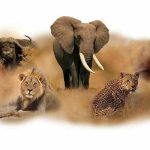
The Masai Mara is one of Kenya’s best destinations for seeing the Big Five: lion, leopard, elephant, buffalo and rhinoceros.
Lions and buffaloes are commonly encountered, while leopards and rhinos can require more patience and the knowledge of an experienced guide.
The Great Wildebeest Migration
The Great Wildebeest Migration is one of the main reasons travellers choose to visit the Masai Mara.
Millions of wildebeest, together with zebras and gazelles, move through the Mara-Serengeti ecosystem following seasonal rainfall and fresh grazing.
During the migration period, the Mara can offer spectacular wildlife encounters, including large herds and intense predator activity.
Mara River Crossings
River crossings are among the most famous images associated with the Great Migration.
However, a responsible safari operator should never guarantee a crossing on a specific day. The herds move according to natural conditions, and the timing of crossings depends on rainfall, water levels, grazing and animal behaviour.
If witnessing the migration is your main priority, staying several nights gives you more opportunities than a rushed one- or two-night visit.
Things to Do in Masai Mara
1. Game Drives
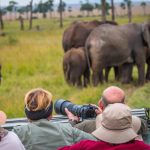
Game drives are the main activity in the Masai Mara.
Morning game drives are particularly rewarding because predators are often active during the cooler hours. Afternoon and evening drives offer another opportunity to explore the savannah.
A private safari vehicle gives travellers greater flexibility because the itinerary can be adapted around their interests.
2. Hot-Air Balloon Safari
A hot-air balloon safari offers an unforgettable aerial view of the Mara.
The experience normally begins around sunrise, when travellers fly over the savannah and wildlife below before returning for a bush breakfast.
It is particularly popular with honeymooners, photographers and travellers celebrating special occasions.
3. Maasai Cultural Experience
A visit to a Maasai community provides an opportunity to learn about local traditions, cultural practices and traditional ways of life.
For responsible tourism, travellers should choose experiences that genuinely involve and benefit local communities rather than treating culture simply as a tourist attraction.
4. Guided Walking Safaris
Walking experiences are available in some private conservancies surrounding the reserve.
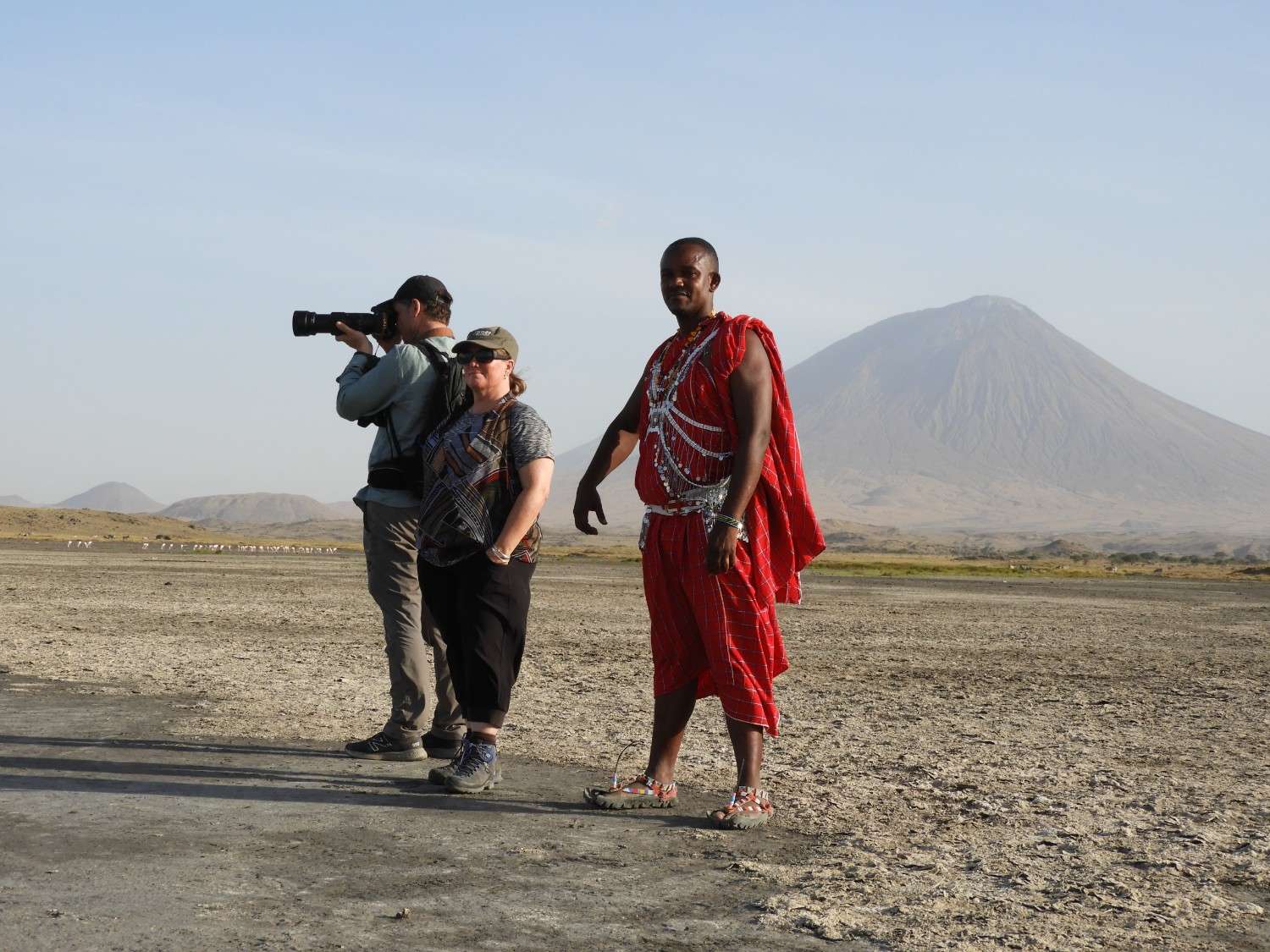
Walking allows you to focus on smaller wildlife, plants, insects, tracks and animal signs that are often overlooked during vehicle safaris.
5. Bird Watching
The Mara is also an excellent destination for bird enthusiasts.
Bird species vary across the ecosystem and include raptors, vultures, eagles, storks, hornbills, rollers and numerous grassland species.
Birding can be incorporated into ordinary game drives, especially when travelling with a guide who understands both wildlife and birds.
6. Wildlife Photography
The open landscapes and abundance of wildlife make the Masai Mara an excellent photography destination.
Early mornings and late afternoons provide softer light, while a knowledgeable guide can help position the vehicle for better viewing without disturbing the animals.
Accommodation in Masai Mara
Accommodation is an important part of planning a Masai Mara safari.
Travellers can choose from budget camps, mid-range tented camps, luxury safari camps and high-end lodges.
The best option depends on your budget, preferred level of comfort and the type of safari experience you want.
Budget Accommodation
Budget camps are suitable for travellers who want to spend more of their budget on activities and wildlife experiences.
They generally provide basic but comfortable accommodation and can be a good option for backpackers and budget-conscious travellers.
Mid-Range Accommodation
Mid-range camps and lodges offer a balance between comfort, location and price.
They are suitable for travellers who want comfortable rooms or tents, good meals and access to quality safari activities without paying luxury rates.
Luxury Accommodation
Luxury safari camps and lodges provide a more exclusive experience.
Depending on the property, facilities may include:
- Spacious luxury tents
- Private verandas
- Swimming pools
- Fine dining
- Spa treatments
- Private dining
- Dedicated guides
- Private game drives
- Excellent views of the surrounding wilderness
Choosing the Right Location
When selecting accommodation, do not look only at the room.
Consider:
- Distance from the reserve
- Access to wildlife areas
- Driving time to key areas
- Location within a private conservancy
- Quality of guiding
- Vehicle arrangements
- Meal plans
- Additional activities
For a short safari, accommodation location can make a significant difference because less time is spent travelling to and from wildlife areas.
Masai Mara National Reserve vs Private Conservancies
The main reserve and surrounding private conservancies offer different experiences.
Staying Around the Main Reserve
This is ideal for travellers who want traditional game drives within the Masai Mara National Reserve.
Staying in a Private Conservancy
Private conservancies can offer a quieter and more exclusive experience, often with fewer vehicles and additional activities depending on the specific conservancy.
Some conservancies allow activities such as guided walking and night drives that are not generally available within the main national reserve.
The best choice depends on your safari priorities.
How to Get to Masai Mara
There are two main ways to reach the Masai Mara: road and air.
Getting to Masai Mara by Road
Travelling by road from Nairobi is popular for private safaris.
The journey takes several hours and allows travellers to see parts of the Kenyan countryside along the way.
Road travel works particularly well when the Masai Mara is combined with other destinations such as Lake Naivasha, Lake Nakuru or Amboseli.
However, road conditions and the final location of your camp can significantly affect journey time.
Getting to Masai Mara by Air
Flying is the fastest and most convenient option for travellers who want to maximise their time on safari.
Scheduled and charter flights connect Nairobi with several airstrips serving different areas of the Mara ecosystem.
Your safari operator should select the most convenient airstrip based on where you are staying.
Best Time to Visit Masai Mara
The Masai Mara is a year-round safari destination.
July to October
This is one of the most popular periods because migrating wildebeest may be in the Mara.
Wildlife viewing is excellent, although visitor numbers can increase considerably.
November to June
The Mara remains excellent outside the peak migration season.
The landscape can become greener, wildlife remains abundant and some periods can offer fewer visitors and better accommodation rates.
What Is the Best Month for the Great Migration?
There is no guaranteed single month because the migration depends on rainfall and natural conditions.
If migration is your priority, allow several days in the Mara rather than trying to time your entire safari around a specific river crossing.
How Many Days Do You Need in Masai Mara?
For a first safari, 3 days and 2 nights provides a good introduction.
However, 4 days and 3 nights can be better for travellers who want a slower and more comprehensive experience.
During migration season, spending several nights is especially valuable because wildlife movements are unpredictable.
A well-designed safari should give you enough time to enjoy the destination rather than rushing between camps and parks.
Masai Mara Safari Cost
The price of a Masai Mara safari depends on several factors.
These include:
- Number of travellers
- Number of safari days
- Accommodation category
- Season
- Private or shared vehicle
- Road or air transport
- Park fees
- Conservancy fees
- Additional activities
- Type of meals and services
Budget, mid-range and luxury options are available.
When comparing safari prices, check exactly what is included rather than comparing the headline price alone.
What to Pack for Masai Mara
For a comfortable safari, consider packing:
- Lightweight clothing
- Long trousers
- Comfortable shirts
- Fleece or warm jacket
- Comfortable walking shoes
- Sun hat
- Sunglasses
- Sunscreen
- Insect repellent
- Binoculars
- Camera
- Extra batteries
- Memory cards
- Reusable water bottle
- Personal medication
- Small backpack
Early mornings can be surprisingly cool, so carrying a warm layer is recommended even when travelling during a warm season.
Masai Mara for Families
The Masai Mara can be an excellent family safari destination.
However, families should consider the ages of their children when planning the itinerary.
Long game drives can be tiring for young children, so a family safari should include reasonable driving times, comfortable accommodation and breaks.
Some camps and lodges also provide family rooms, connecting tents and child-friendly activities.
Masai Mara for Honeymooners
The Mara is one of Kenya’s most romantic safari destinations.
Couples can combine wildlife drives with luxury tented camps, private dinners, bush breakfasts, sundowners and hot-air balloon flights.
For honeymooners, staying in a private conservancy can provide a more intimate and peaceful experience.
Combining Masai Mara With Other Destinations
Masai Mara works particularly well as part of a longer East African safari.
Masai Mara and Amboseli
This combination provides excellent wildlife viewing and opportunities to see elephants against the backdrop of Mount Kilimanjaro.
Masai Mara and Samburu
Samburu introduces a very different landscape and wildlife experience in northern Kenya.
Masai Mara and Uganda
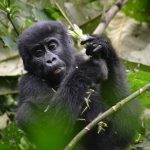
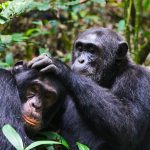
Combining Kenya and Uganda creates a diverse safari that can include the Mara’s savannah wildlife together with mountain gorilla trekking, chimpanzee tracking and forest experiences in Uganda.
Masai Mara and Tanzania
Travellers can combine the Mara with the Serengeti and Ngorongoro Conservation Area for a broader East African safari.
Tips for Planning a Masai Mara Safari
Book accommodation early
Peak-season camps and lodges can fill quickly, particularly around migration periods.
Choose the right safari vehicle
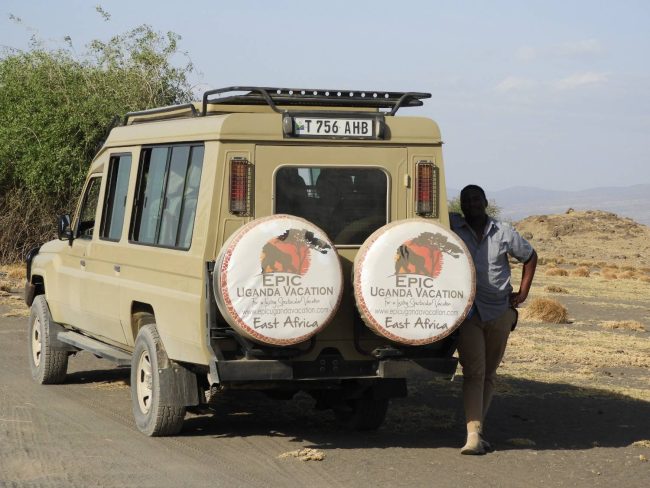
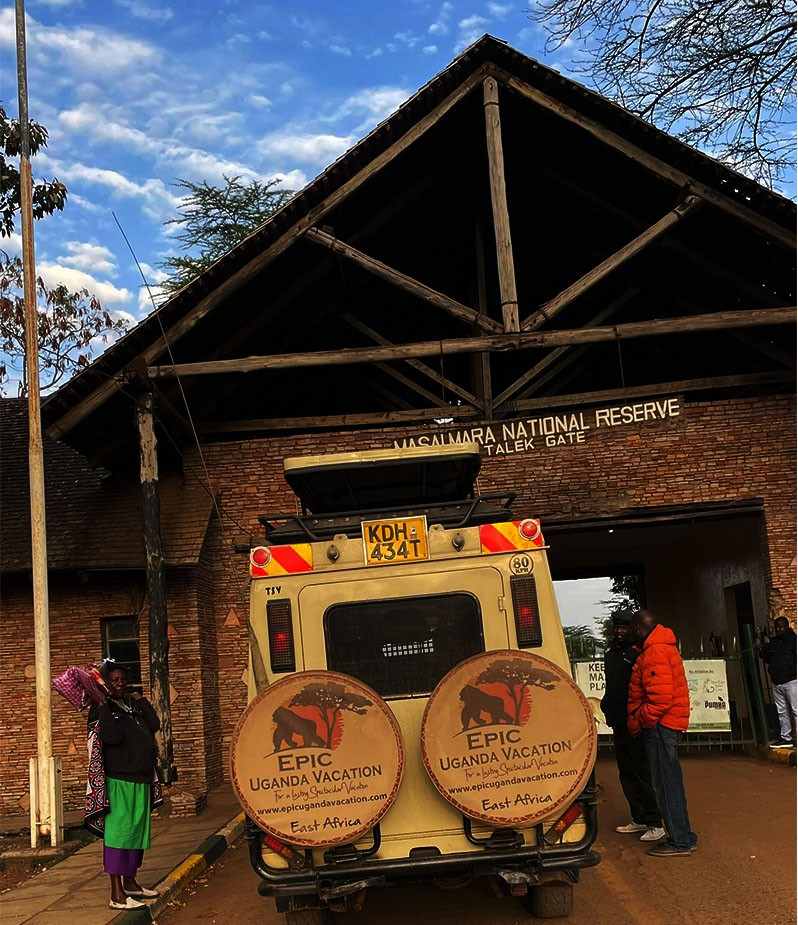
For a private safari, a 4×4 safari vehicle with a knowledgeable driver-guide can significantly improve the experience.
Allow enough time
Do not try to experience the Mara in a single rushed day.
Consider location carefully
A cheaper camp far from the wildlife areas may not provide the same experience as accommodation in a strategically located area.
Work with an experienced operator
An experienced operator can help coordinate accommodation, permits, transport, guides, park fees and domestic flights.
Why Visit Masai Mara?
The Masai Mara is not simply a destination for seeing animals. It is an opportunity to experience one of Africa’s great wilderness ecosystems.
From lions resting on the savannah to elephants crossing the plains, cheetahs hunting in open grassland and wildebeest moving across the Mara during migration, the experience changes from one day to another.
Its combination of wildlife, landscapes, culture and accommodation makes it one of the most rewarding destinations for an East African safari.
For travellers who want to experience Africa without rushing, Masai Mara deserves several days on the itinerary.
Frequently Asked Questions About Masai Mara
Where is Masai Mara located?
Masai Mara National Reserve is located in Narok County in southwestern Kenya, close to the Tanzania border.
How do I get to Masai Mara?
You can reach the Mara by road from Nairobi or by domestic flight to one of the airstrips serving the reserve and surrounding conservancies.
How many days should I spend in Masai Mara?
Three days and two nights is a good minimum for a first visit. Four or more days allow for a more relaxed experience.
What animals can I see in Masai Mara?
You can see lions, leopards, cheetahs, elephants, buffaloes, rhinos, giraffes, zebras, wildebeest, hippos, crocodiles, hyenas and many other species.
Can I see the Great Migration in Masai Mara?
Yes, the Mara is an important part of the Great Migration ecosystem. However, the timing and location of the herds vary according to natural conditions.
Is Masai Mara suitable for a luxury safari?
Yes. The Mara has numerous luxury camps and lodges offering premium accommodation, private activities and personalised safari experiences.
Can I combine Masai Mara with Uganda?
Yes. A Kenya-Uganda safari is an excellent way to combine classic savannah wildlife with gorilla trekking, chimpanzee tracking and other Ugandan experiences.
Is Masai Mara worth visiting outside the migration season?
Absolutely. Wildlife is present throughout the year, and visiting outside peak migration periods can provide a quieter safari experience.