Magombe Wetland Uganda: Birding, Primates and Community Tourism
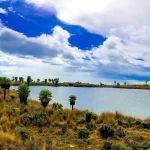
Magombe Wetland is a fascinating wetland ecosystem in western Uganda, located near Kibale National Park and closely associated with the community tourism experience around Bigodi.
For travelers visiting Kibale for chimpanzee trekking, Magombe Wetland offers a completely different way to experience the area’s biodiversity. Instead of entering the dense rainforest in search of chimpanzees, visitors explore wetland and forest-edge habitats on foot, accompanied by local guides who understand the area’s birds, plants, primates and wildlife.
The wetland is particularly attractive to birdwatchers, nature lovers, photographers and travelers interested in community-based tourism.
Its proximity to Kibale makes it easy to combine a Magombe Wetland walk with chimpanzee trekking, forest birding and other Kibale experiences.
Where Is Magombe Wetland?
Magombe Wetland is located in the Kibale area of western Uganda, close to the community of Bigodi and on the edge of Kibale Forest.
The wetland forms part of the wider landscape surrounding the forest, where wetlands, cultivated areas, forest edges and tropical forest create a diverse ecological environment.
This location is important from a tourism perspective because visitors can experience several different habitats within a relatively small geographical area.
A traveler can spend one day exploring the rainforest of Kibale and searching for chimpanzees, then experience the open wetland environment of Magombe on a guided nature walk.
Magombe Wetland and Bigodi
One of the most important things to understand about Magombe Wetland is its close relationship with Bigodi Wetland Sanctuary and the surrounding community.
Bigodi has developed a well-known community tourism model in which local people participate in tourism activities and benefit from visitor spending.
The wetland landscape therefore provides more than wildlife viewing. It also gives visitors an opportunity to learn about local livelihoods, agriculture, traditional knowledge and community conservation.
For your website, I would therefore avoid presenting Magombe simply as a “swamp.”
A stronger tourism positioning is:
Magombe Wetland is a community-based nature and birding experience near Kibale National Park.
That phrase communicates much more value to a potential safari client.
Birding in Magombe Wetland
Birdwatching is one of the strongest reasons to visit Magombe Wetland.
Wetlands provide important habitat for birds, particularly species associated with water, papyrus, marsh vegetation and forest edges.
During a guided walk, birders can search for:
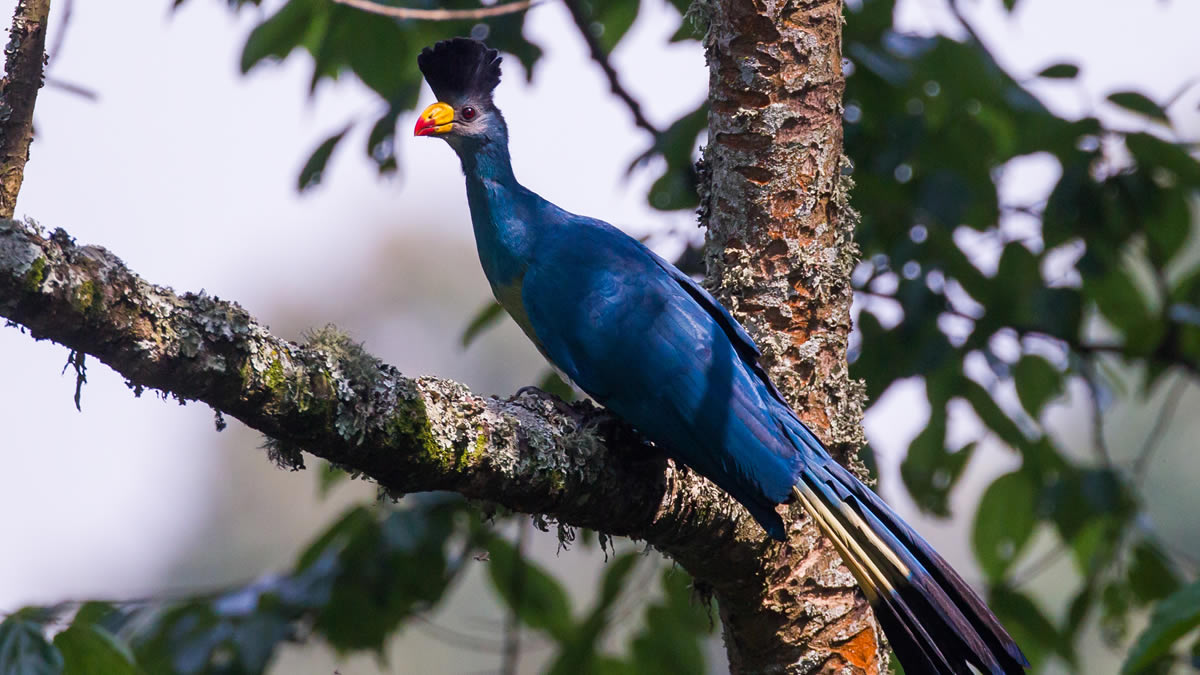
- Great Blue Turaco
- Kingfishers
- Herons
- Egrets
- Weavers
- Sunbirds
- Barbets
- Flycatchers
- Turacos
- Waders
- Papyrus-associated species
- Forest-edge birds
The Great Blue Turaco is one of the birds many visitors hope to encounter around the Bigodi and Magombe area.
However, bird sightings are naturally dependent on season, weather, habitat conditions and the movements of individual birds. A knowledgeable local guide can significantly improve the experience by identifying bird calls and knowing where particular species are frequently encountered.
Primates Around Magombe Wetland
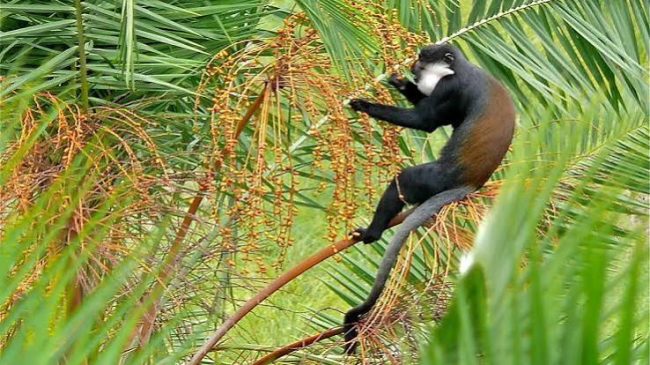
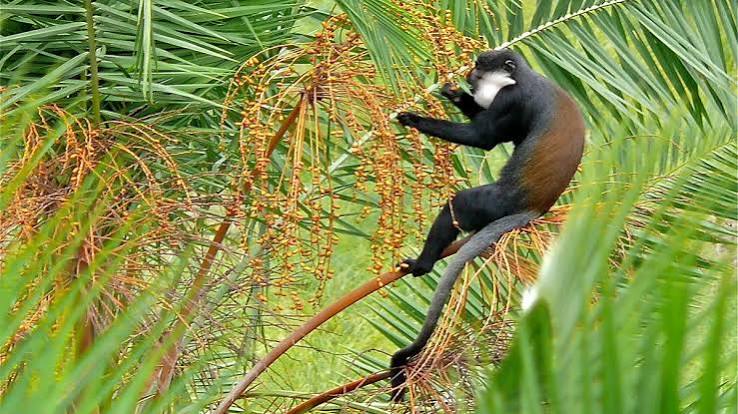
Magombe’s combination of wetland, forest edge and surrounding vegetation also provides habitat for several primate species.
Depending on conditions, visitors may encounter monkeys such as:
- Red-tailed monkeys
- Black-and-white colobus monkeys
- Blue monkeys
- Vervet monkeys
- Grey-cheeked mangabeys
- Red colobus monkeys
The experience is different from chimpanzee trekking.
You are not entering Magombe specifically to track a habituated chimpanzee community. Instead, primates are part of the broader wildlife experience encountered while exploring the wetland and surrounding habitats.
This distinction is important for SEO and also helps manage visitor expectations.
Magombe Wetland Nature Walk
The best way to experience the wetland is on foot with a local guide.
The walk takes you through wetland vegetation and surrounding community landscapes while your guide explains the area’s ecology, plants, birds and wildlife.
Rather than rushing from one viewpoint to another, the experience is about slowing down and observing.
Birdwatchers may stop frequently to identify calls. Photographers may spend several minutes watching a particular bird or monkey. Travelers interested in plants can learn about species used locally for food, medicine or other purposes.
The pace can therefore be adapted to the interests of the group.
Community Tourism in Magombe
One of the most valuable aspects of the Magombe and Bigodi area is the connection between tourism and the surrounding community.
Community-based tourism allows visitors to experience the destination beyond wildlife.
Depending on the experience arranged, travelers can learn about:
- Local farming
- Traditional food
- Medicinal plants
- Local crafts
- Community conservation
- Rural livelihoods
- Traditional knowledge
- Local culture
This makes Magombe particularly suitable for travelers who want their Uganda safari to include meaningful cultural and community experiences.
It also provides an opportunity for tourism expenditure to reach people living around the destination.
Magombe Wetland vs Kibale Forest
These two environments complement each other rather than compete.
| Magombe Wetland | Kibale Forest |
|---|---|
| Wetland ecosystem | Tropical rainforest |
| Guided nature walk | Forest trekking |
| Strong birding opportunities | Primate and forest birding |
| Community tourism | National park experience |
| Wetland and forest-edge species | Forest specialists |
| Relaxed walking experience | Chimpanzee trekking available |
| Local community interaction | Protected forest ecosystem |
For a well-rounded Kibale safari, combining the two can provide a much richer experience.
Magombe Wetland and Chimpanzee Trekking
One of the best ways to market Magombe is as an add-on to Kibale chimpanzee trekking.
A traveler could, for example:
Day 1: Travel to Kibale and relax
Day 2: Chimpanzee trekking in Kibale Forest
Day 3: Magombe/Bigodi wetland and community walk
Alternatively, travelers with limited time can combine activities according to permit availability and their preferred pace.
This creates a strong product for clients who want more than a short chimpanzee trek before immediately continuing to Queen Elizabeth National Park.
Who Should Visit Magombe Wetland?
Magombe is particularly suitable for:
Birdwatchers
The wetland and surrounding habitats provide opportunities to search for a variety of wetland and forest-edge species.
Nature lovers
The walk offers an opportunity to explore Uganda’s wetland ecosystems at a slower pace.
Photographers
The combination of birds, monkeys, vegetation and rural landscapes creates varied photographic opportunities.
Families
A guided nature walk can provide a less strenuous alternative to some longer wildlife activities, depending on the trail and conditions.
Cultural travelers
The community component allows visitors to learn more about local livelihoods and traditions.
Chimpanzee trekkers
Magombe makes a natural additional activity before or after chimpanzee trekking in Kibale.
Best Time to Visit Magombe Wetland
Magombe can be visited throughout the year.
For birdwatchers, early morning is generally preferable because bird activity is often higher and temperatures are more comfortable for walking.
Rain can occur at any time in western Uganda, so visitors should carry appropriate rain protection and wear comfortable walking shoes.
If birding is the primary objective, I recommend allowing enough time to stop, listen and search rather than treating the wetland as a quick transfer stop.
What to Bring
For a Magombe Wetland walk, I recommend:
- Binoculars
- Camera
- Comfortable walking shoes
- Long trousers
- Lightweight long-sleeved shirt
- Insect repellent
- Rain jacket or poncho
- Hat
- Drinking water
- Small backpack
Birders should bring binoculars even if they are not planning a dedicated birding safari. The experience can produce unexpected bird sightings.
How to Include Magombe Wetland in a Uganda Safari
Magombe works particularly well within a Kibale National Park itinerary.
A typical route could be:
Entebbe → Kibale → Magombe/Bigodi → Queen Elizabeth → Bwindi
For a birding-focused safari, you can extend the route:
Entebbe → Mabamba → Murchison Falls → Budongo → Kibale/Magombe → Queen Elizabeth → Bwindi
This allows travelers to experience Uganda’s different ecosystems, from Lake Victoria wetlands to tropical forests, savannah and the Albertine Rift.
Why Magombe Wetland Matters for Uganda Tourism
Uganda’s tourism story is often dominated by gorillas, chimpanzees and the Big Five.
But destinations such as Magombe demonstrate that Uganda’s appeal goes much deeper.
The country contains an extraordinary range of habitats, and wetlands play an important role in supporting biodiversity and local livelihoods.
For a traveler who has already traveled to major African safari destinations, a community-based wetland experience can provide something different: a closer connection with local people, landscapes and everyday conservation.
Plan a Magombe Wetland Experience
Magombe Wetland can be incorporated into a customized Uganda safari, Kibale chimpanzee trekking itinerary or Uganda birding safari.
At Epic Uganda Vacation, we can combine Magombe with Kibale Forest, Bigodi, Queen Elizabeth National Park, Bwindi and other destinations according to your interests, travel dates and preferred pace.
Whether your priority is birdwatching, chimpanzee trekking, primates, photography, community tourism or a complete Uganda safari, we can design the route around your interests.