
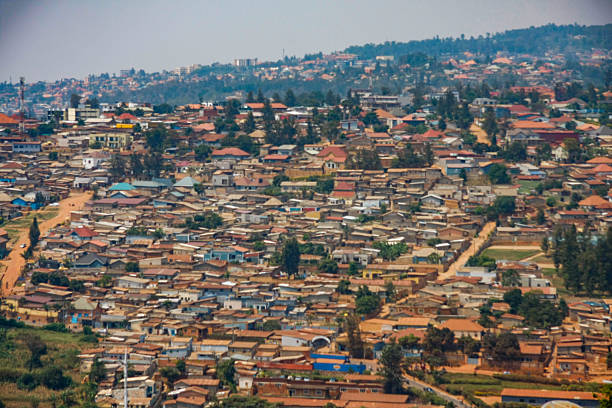
A Complete Travel Guide to Burundi: When travelers dream of East Africa, their minds usually drift to the savannas of the Serengeti, the snow-capped peaks of Kilimanjaro, or the white sands of Zanzibar. However, tucked away in the Great Lakes region lies one of the continent’s smallest, most captivating, and frequently overlooked nations: Burundi.
Known as “The Heart of Africa” due to its shape and geographic location, Burundi is a land of rolling hills, shimmering lakes, and vibrant culture. But for many, this country remains a blank spot on the map. If you are looking for an off-the-beaten-path adventure, understanding where Burundi is and how to navigate it is the first step in a journey of a lifetime.
Where on Earth is Burundi?
Burundi is a landlocked country in East-Central Africa. To visualize its location, look for the Great Rift Valley, wedged between the African giants of Tanzania and the Democratic Republic of the Congo (DRC).
Specifically, Burundi shares borders with three countries:
- Rwanda to the North: The cultural and geographic similarities between these two nations are profound, as they were once a single territory under German and later Belgian colonial rule.
- Tanzania to the East and South: This border offers a gateway to the vast savannas of the larger East African ecosystem.
- The Democratic Republic of the Congo (DRC) to the West: The border here is formed by the majestic Lake Tanganyika and the Ruzizi River, separating Burundi from the giant jungles of the Congo.
What is the climate of Burundi like?
Geographically, Burundi sits just south of the Equator. Despite its proximity to the equatorial line, the country’s high altitude, averaging 1,700 meters (5,600 feet) above sea level, moderates the climate. It is a country of dramatic topography. Often mistaken for being flat, Burundi is actually a series of verdant, cascading hills. This landscape has earned it the nickname “The Switzerland of Africa,” though the comparison lies mostly in the terrain, not the economy.
The western edge of the country is dominated by the Western Rift Valley wall, which descends sharply into the tropical basin of Lake Tanganyika. This lake, the world’s second-deepest and second-largest by volume, acts as a natural border and a primary attraction for travelers.
The Two Capitals: Bujumbura and Gitega
Understanding Burundi’s geography also requires understanding its administration. The country operates with two distinct capitals.
Bujumbura is the economic capital and the largest city. Located on the northeastern shores of Lake Tanganyika, it is the entry point for most travelers. Bujumbura retains a languid, colonial-era charm, with bustling markets, a lively lakeside promenade, and a warm, humid climate. It feels like a beach town nestled in the mountains.
Gitega, located in the center of the country, is the political capital. In 2019, the government officially moved many political institutions here from Bujumbura. Gitega sits at a higher elevation, offering a cooler, crisper climate and serving as the cultural heartland of the nation, home to the National Museum and the ancient drumming sanctuary.
Getting There
Since Burundi is landlocked, reaching it usually requires a flight and a bit of patience. The primary international gateway is Melchior Ndadaye International Airport (BJM) in Bujumbura.
- Flights: Direct flights are limited but available from regional hubs like Nairobi (Kenya), Kigali (Rwanda), and Addis Ababa (Ethiopia). Many travelers flying from Europe or North America will connect through one of these major African hubs.
- Visas: Visa regulations can change, so checking with your local embassy is essential. However, many nationalities can obtain an e-Visa online prior to travel, which is highly recommended to avoid delays at the border.
- Health: A Yellow Fever vaccination certificate is mandatory for entry. Malaria is prevalent, so prophylactics are strongly advised.
Getting Around
Traveling within Burundi is an adventure in itself. The country is small (about the size of Belgium or Maryland), but travel times are longer than they appear on a map due to the terrain.
- Roads: The main roads connecting Bujumbura to Gitega and the northern border with Rwanda are generally paved and in decent condition. However, once you venture off these main arteries, you will encounter dirt roads that can become treacherous or impassable during the rainy season (October to May).
- Transport: Public transport consists of minibuses (coasters) and shared taxis. While cheap, they are often crowded and drive aggressively. For a traveler seeking comfort and the ability to stop for photos, hiring a private 4×4 with a driver is the best option.
- Lake Transport: Ferries connect Bujumbura to the southern port of Rumonge and beyond. Taking a boat on Lake Tanganyika is not just transport; it is a scenic experience offering views of the DRC mountains on the western horizon.
Top Attractions: What to See and Do in Burundi
Despite its small size, Burundi packs a massive punch when it comes to tourism. It is a destination for those who love nature, culture, and raw authenticity.
The Source of the Nile
While Egypt claims the Nile, Burundi holds the “true” southern source of this mighty river. Located in the town of Vyanda, near Bururi, the source is marked by a pyramid and a small spring. It is a place of pilgrimage for history buffs and those looking to say they have stood at the start of the world’s longest river.
Rusizi National Park
Just a short drive from Bujumbura, this park is a must-see. It is where the Rusizi River flows into Lake Tanganyika. The park is famous for its hippos, huge pods of them that wallow in the river and sometimes wander onto the golf course of the nearby hotel. It is also one of the few places south of the Sahara where you can see sitatungas (marshbuck) and, if you are incredibly lucky, the elusive shoebill stork. A boat safari on the Rusizi River is the highlight here, offering a close-up view of crocodiles basking on the banks.
Kibira National Park
In the north of the country, Kibira extends to border the famous Nyungwe Forest in Rwanda. It is a primeval rainforest teeming with chimpanzees and colobus monkeys. Kibira offers some of the best chimpanzee trekking in Africa, often at a fraction of the cost of neighboring countries. The forest is sacred to locals and was historically used for royal hunting rituals. The canopy is thick, the air is cool, and the sounds of the forest are hypnotic.
Gishora Drum Sanctuary
Located in Gitega, this site is a UNESCO World Heritage candidate. The drumming tradition in Burundi is not just music; it is a sacred ritual that was once restricted to the royal court. The “Ingoma” drums are massive, made from hollowed-out tree trunks. Visiting Gishora allows you to witness a performance that is physically intense and spiritually moving. The drummers leap and spin in a synchronized dance that has been passed down for centuries.
The Beaches of Lake Tanganyika
For many, the highlight of Burundi is the unexpected beach culture. The shores of Lake Tanganyika near Bujumbura feature sandy beaches and warm, fresh water. The “Rusizi 1” hotel area and the “Saga Plage” are popular spots where locals and expats mix. You can go kayaking, water skiing, or simply relax with a drink while watching the sun set behind the mountains of the DRC.
The “Mushinga” Way of Life
To truly enjoy Burundi, you must understand its rhythm. Life here revolves around community and agriculture. The “Mushinga” is a local banana beer that is central to social gatherings. If invited to drink, it is polite to accept.
The country has a complex history of ethnic conflict and civil war, which ended in the mid-2000s. Today, it is a peaceful nation, but the legacy of the past is visible. Travelers are encouraged to be respectful, open-hearted, and sensitive when discussing history. The Burundian people, however, are renowned for their warmth and hospitality. You will rarely walk down a path without a friendly greeting of “Amakuru” (How are you?).
Practical Travel Tips
- Currency: The currency is the Burundian Franc (BIF). Cash is king. Credit cards are accepted in major hotels in Bujumbura, but for almost everything else, you need local cash. USD and Euros are widely exchangeable.
- Language: The official languages are Kirundi and French. Swahili is spoken along the lake borders. English is becoming more common, especially among the youth, but having a few phrases in French or Kirundi will go a long way.
- Food: The staple food is “Isombe” (cassava leaves with peanut sauce and eggplant) served with “Ubugari” (manioc flour paste). Lake fish, specifically Mukeke, is a delicious delicacy.
- Safety: While Burundi is currently stable and safe for tourists, it is always wise to check current travel advisories before booking. Petty crime exists in Bujumbura, but violent crime against tourists is rare. Political gatherings should be avoided.
Why Visit Now?
Burundi is often referred to as the “Lost World of Africa” not because it is empty, but because it has remained untouched by mass tourism. There are no queues of Land Rovers blocking the view of a lion. Here, you are likely to be the only tourist at the park, the only person hiking the trail, and the only guest listening to the drums.
Its location in the heart of Africa makes it an excellent add-on to a trip to Rwanda or Tanzania. It offers a chance to see a side of the continent that is authentic, raw, and incredibly scenic. From the depths of Lake Tanganyika to the peaks of the Congo Nile Ridge, Burundi is a geographic marvel waiting to be discovered.
If you are looking for manicured resorts and pre-packaged experiences, look elsewhere. But if you are looking for connection, breathtaking landscapes, and the thrill of discovery, pack your bags for Burundi. It is the heart of Africa, beating strong and waiting for you.


