What is the Best Time to Visit Uganda
Uganda, the Pearl of Africa, is renowned for its lush landscapes, diverse wildlife, and rich cultural heritage. It is a prime destination for safari enthusiasts seeking unique experiences. However, timing plays a crucial role in maximizing your safari adventure. This blog guides you through the best time to visit Uganda for safaris, taking into account weather conditions, wildlife behaviour, and tourist crowds.
Understanding Uganda’s Climate
Uganda has a tropical climate, characterized by two rainy seasons and two dry seasons. This climate significantly influences wildlife activity, accessibility to parks, and overall safari enjoyment. Moreover, for safari planning, knowing the best time to visit Uganda is essential.
Rainy Seasons (March to May and September to November): This period brings heavy rain and can make some roads impassable. However, the landscape is lush and green, offering picturesque views. While the rains can be unpredictable, wildlife is plentiful, and birdwatching is particularly rewarding.
Dry Seasons (June to August and December to February): These months are considered the peak safari season. Wildlife congregates around water sources, making animal sightings easier. However, parks can be crowded. This is a dry period where wildlife viewing remains excellent, and temperatures are generally pleasant.
What is the Best Time for Wildlife Viewing in Uganda?
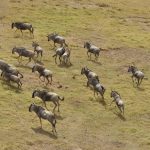
June to August (Peak Season): June to August is arguably the best time to visit Uganda for safaris. As the dry season sets in, wildlife becomes more active, and animals are easier to spot. With little rainfall, animals migrate to waterholes, making them easier to find. You will have a higher chance of spotting elephants, lions, giraffes, and other species. Daytime temperatures range from mild to warm, making it pleasant for outdoor activities. Nights can be cool, perfect for campfires and stargazing. Many parks offer a wide range of activities such as gorilla trekking, chimp trekking, and boat safaris, which are more readily accessible.
December to February (Shoulder Season): Following the major rainy season, December to February also presents favorable conditions for safaris. Animals are still active, and the lush greenery enhances photography opportunities. This period is excellent for birdwatching, as migratory species arrive. Compared to the peak season, you will encounter fewer tourists, allowing for a more intimate experience with nature and less crowded viewing spots. This time coincides with several Ugandan cultural festivals, allowing travelers to engage with local communities and traditions. In short, the best time to visit Uganda makes a difference to your overall experience.
March to May (Short Rains): While the rainy seasons (March to May and September to November) may not be suitable for everyone, they have their unique advantages. This period transforms the landscape, making it incredibly picturesque. Rich greens dominate, offering stunning backdrops for photography. The fewer tourists mean a more personal experience. You might have entire parks to yourself, enhancing the thrill of animal encounters. Many lodges offer discounted rates during this time. If you are budget-conscious, this can be an excellent opportunity for an affordable safari experience.
September to November (Long Rains): Many migratory birds are present, providing a colorful spectacle for birdwatchers. The variety of species during this time is unparalleled. The gorilla trekking permits are frequently available, offering more flexibility with your travel plans. Waterfalls and rivers are at their peak flow, creating stunning sights within the national parks.
Regional Variations in Uganda
Uganda is diverse, and different regions showcase unique landscapes and wildlife. Consequently, the best time to visit Uganda may vary depending on the regions you want to explore.
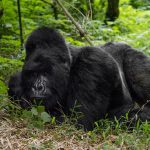
Bwindi Impenetrable National Park (Gorilla Trekking): The prime time for gorilla trekking in Bwindi is from June to September and December to February. These months have the best weather conditions for trekking, and the animals are more active. However, trekking can occur year-round, with the rains offering their own beauty.
Queen Elizabeth National Park (Wildlife Safaris): Queen Elizabeth is best visited during the dry seasons (June to August and December to February) for optimal wildlife sightings. The park is famous for the tree-climbing lions found in the Ishasha sector, particularly during this time.
Murchison Falls National Park (Boat Safaris): For Murchison Falls, the best time is also during the dry seasons. The lower water levels make boat safaris along the Nile more picturesque and fruitful the best for viewing four of the Africa big five wildlife.
Tips for Planning Your Safari in Uganda
Book in advance: If you plan to visit during peak seasons, book accommodations and permits well in advance to secure your preferred choice.
Pack accordingly: Prepare for varying weather conditions. Bring lightweight clothing for warm days and warmer layers for cooler nights. Don’t forget essential gear for gorilla trekking, such as sturdy hiking boots and rain gear.
Stay Updated: Monitor weather patterns and park conditions as your travel dates approach. This will provide insights into what to expect during your visit.
Consult Local Experts: Collaborating with a reputable tour operator can offer insider insights on the best experiences and timings based on current conditions.
Choosing the best time to visit Uganda for safaris largely depends on your interests. Whether it is wildlife viewing, birdwatching, or cultural experiences. While the dry seasons (June to August and December to February) are generally considered the best for most safari activities, the rainy seasons also provide unique opportunities and experiences.
Ultimately, Uganda’s rich biodiversity and stunning scenery guarantee an unforgettable safari adventure. Regardless of when you choose to visit, you are bound to create lasting memories in this breathtaking destination. When planning, remember the best time to visit Uganda is key to an enjoyable trip. So pack your bags, prepare for an adventure of a lifetime, and embrace the beauty that the Pearl of Africa has to offer!