
Oloololo Escarpment: The Ultimate Travel Guide to Kenya’s Spectacular Maasai Mara Viewpoint
Introduction: Discover the Beauty of the Oloololo Escarpment
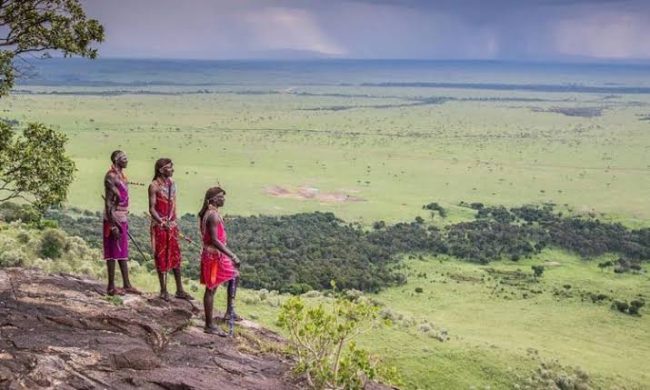
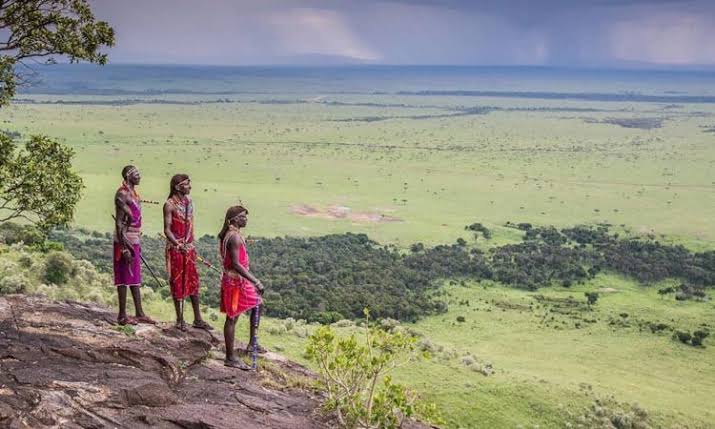
Rising above the sweeping grasslands of southwestern Kenya, the Oloololo Escarpment is one of the most striking geographical features of the Maasai Mara ecosystem. Its elevated ridges, dramatic slopes, and expansive views create an extraordinary perspective over one of Africa’s most celebrated wildlife destinations.
Also known as the Siria Escarpment, this impressive landform defines the western edge of the Maasai Mara National Reserve and overlooks the Mara Triangle. From suitable viewpoints along the escarpment, visitors can admire vast savannah plains, winding rivers, scattered hills, and the rich natural landscape that supports an incredible diversity of wildlife.
For travelers seeking more than traditional game drives, the Oloololo Escarpment offers a different way to experience the African wilderness. Its elevated position provides opportunities to appreciate the scale of the Mara, observe changing light across the plains, and discover the relationship between the landscape and the animals that inhabit it.
The escarpment is also strategically positioned for travelers exploring the Mara Triangle, an important wildlife-viewing area known for its open plains, predators, resident herbivores, and seasonal Great Wildebeest Migration activity.
Whether you are planning a photography expedition, a luxury safari, a family holiday, or a wider East African adventure, the Oloololo Escarpment deserves consideration when designing your itinerary.
At Epic Uganda Vacation, we recognize that memorable African journeys can extend beyond a single destination. Exploring Kenya’s dramatic Mara landscapes alongside Uganda’s forests, wildlife parks, and mountain gorilla trekking opportunities can create a diverse and rewarding East African safari.
Where Is the Oloololo Escarpment Located?
The Oloololo Escarpment is located in southwestern Kenya, along the western side of the Maasai Mara National Reserve in Narok County.
It forms a prominent elevated boundary overlooking the Mara Triangle, a northwestern section of the reserve managed by the Mara Conservancy. The escarpment is part of the broader geological landscape associated with the East African Rift system.
The surrounding region consists of rolling grasslands, river valleys, wooded areas, rocky slopes, and open savannah. These habitats support a variety of wildlife species and provide spectacular scenery throughout the year.
The nearby Oloololo Gate provides road access to the Mara Triangle, making the escarpment an important geographical reference point for safari travelers.
Why is its location important?
The escarpment helps define the western boundary of the Mara Triangle and provides elevated views of the landscape below.
Its location also influences how travelers plan their safaris. Visitors staying near the escarpment may enjoy spectacular panoramic scenery, while those staying on the plains may have more direct access to particular game-drive areas.
Understanding this distinction helps travelers select accommodation that matches their interests.
For example, a photographer seeking dramatic landscapes may prefer an escarpment property, while someone prioritizing dawn game drives may prefer accommodation with convenient access to wildlife-viewing routes.
What Is the Oloololo Escarpment Famous For?
The Oloololo Escarpment is best known for its sweeping views, distinctive topography, proximity to the Mara Triangle, and access to the wider Maasai Mara wildlife experience.
1. Panoramic views over the Maasai Mara
One of the escarpment’s greatest attractions is its elevated perspective over the surrounding plains.
From suitable viewpoints, visitors can see extensive grasslands stretching toward the horizon, patches of woodland following watercourses, and the Mara landscape unfolding below.
These views are especially appealing to photographers who want to capture the scale and beauty of the savannah.
2. Access to the Mara Triangle
The Mara Triangle is an important wildlife-viewing area within the Maasai Mara National Reserve.
Its combination of open plains, riverine habitat, and varied vegetation supports numerous wildlife species. The escarpment provides a dramatic natural boundary and an important reference point for exploring the western Mara.
3. Great Wildebeest Migration experiences
The broader Maasai Mara ecosystem forms part of the Great Wildebeest Migration, one of Africa’s most remarkable wildlife events.
Seasonally, large herds of wildebeest and zebras move through the ecosystem in response to rainfall and grazing conditions. Depending on the timing and location of the herds, visitors exploring the Mara Triangle may have opportunities to observe migration activity and, at suitable locations, river crossings.
The escarpment itself is not a guaranteed river-crossing viewpoint. Travelers hoping to witness a crossing should choose accommodation and game drives according to current herd movements and the accessibility of appropriate river sections.
4. Exceptional photography opportunities
The combination of elevated viewpoints, open grasslands, distant hills, and changing light makes the escarpment attractive to landscape photographers.
It is also a rewarding destination for travelers who enjoy combining wildlife photography with wide-angle landscape images.
5. A different perspective on the African wilderness
Game drives provide close encounters with wildlife, while elevated viewpoints reveal the broader structure of the ecosystem.
From the escarpment, visitors can better appreciate the vastness of the plains, the relationship between river systems and vegetation, and the scale of the landscape through which migrating animals travel.
The Geological Significance of the Oloololo Escarpment
The Oloololo Escarpment is more than a scenic attraction. It is a prominent landform associated with the geological processes that shaped East Africa.
The wider East African Rift system developed through tectonic forces that stretched and fractured the Earth’s crust over millions of years.
Faulting and changes in elevation created a landscape characterized by escarpments, valleys, plateaus, volcanic features, and other striking geological formations.
The Oloololo Escarpment forms a steep boundary between elevated ground and the lower Mara landscape. Its slopes and exposed rock contribute to the region’s distinctive appearance.
For visitors interested in geology and geography, the escarpment offers an opportunity to appreciate how the Earth’s structure influences the landscapes people visit.
Its geological character also contributes to the visual contrast between elevated ridges, open grasslands, river valleys, and wooded areas.
Although the Maasai Mara is primarily famous for wildlife, understanding its geological setting adds another dimension to the safari experience.
Best Things to Do at the Oloololo Escarpment
The escarpment can form part of a varied safari itinerary, combining scenic viewpoints with wildlife viewing and cultural experiences.
1. Enjoy panoramic landscape viewpoints
The most obvious attraction is the view over the Mara Triangle.
Spend time appreciating the surrounding plains and observing how the landscape changes with the light. On clear days, elevated viewpoints can provide extensive views across the western Mara.
Early morning is particularly attractive because softer light and occasional mist can create depth across the grasslands.
Late afternoon is another rewarding time for landscape photography.
Always use established viewpoints or locations approved by your accommodation provider or guide, and follow local access rules.
2. Go on a Maasai Mara game drive
A safari around the Mara Triangle is one of the best ways to complement a visit to the escarpment.
Game drives may reveal lions resting in the grass, elephants moving between feeding areas, giraffes browsing on trees, and herds of zebra and wildebeest crossing the plains.
Other possible sightings include cheetahs, leopards, buffaloes, hyenas, and a wide variety of bird species.
Wildlife sightings depend on animal movements, weather, habitat, and the time spent exploring. No particular sighting can be guaranteed.
3. Experience the Great Wildebeest Migration
If your travel dates coincide with the northern migration season, you may be able to combine escarpment scenery with migration-focused game drives.
The main period for migration activity in the Maasai Mara is generally July to October, although the timing and location of the herds change from year to year.
During this period, large concentrations of wildebeest and zebras may move through the plains in search of grazing.
The escarpment offers an impressive setting for understanding the wider landscape, while dedicated game drives provide the best opportunity to locate the herds.
If witnessing a Mara River crossing is your priority, plan to spend several nights in a suitable location and remain flexible about where your guide takes you.
4. Photograph sunrise and sunset
The Oloololo Escarpment is especially appealing to travelers who enjoy photography.
At sunrise, the changing light can illuminate the plains and reveal the shapes of distant hills and riverine woodland. In the late afternoon, warm light can emphasize the texture of the grasslands and the escarpment’s slopes.
For the best results:
- Carry a camera or smartphone with adequate storage and battery life.
- Use a wide-angle lens for panoramic scenes.
- Bring a telephoto lens if you plan to photograph distant wildlife.
- Protect your equipment from dust.
- Include foreground elements such as grass, rocks, or trees to create depth.
- Be prepared for changing light and weather conditions.
A landscape photograph from the escarpment can complement wildlife images from the plains and help tell the story of your safari.
5. Explore the wider Mara Triangle
The Mara Triangle offers a variety of habitats and wildlife-viewing opportunities.
Depending on your route and the current conditions, you may explore open savannah, riverine woodland, and other areas used by resident wildlife.
The Mara River is particularly important to the ecosystem because it provides water and supports habitats used by hippos, crocodiles, birds, and numerous other animals.
Combining several areas during your stay can provide a more complete picture of the Mara than focusing on a single viewpoint.
6. Learn about Maasai culture
The wider Maasai Mara region is closely associated with Maasai communities whose pastoral traditions and cultural heritage are an important part of the area’s identity.
Depending on the community and accommodation you choose, cultural experiences may include guided visits, discussions about local traditions, crafts, and opportunities to learn about community-led conservation.
Choose experiences organized with the participation and consent of local communities. Ask whether fees support local guides, artisans, or community projects, and respect restrictions on photography and access.
A cultural experience should provide an opportunity to learn and exchange perspectives rather than treat local traditions as a performance.
7. Enjoy a guided nature walk where permitted
Some accommodation providers on community land outside the reserve may arrange guided walks with local guides.
These experiences can introduce visitors to plants, animal tracks, landscape features, and the natural history of the region.
Walking permissions depend on the exact location and applicable rules. Walking is not generally permitted freely through the national reserve’s wildlife areas, so do not assume that every property near the escarpment offers walking safaris.
Arrange walks through your accommodation provider or an authorized local operator and follow the guide’s safety instructions.
Wildlife Around the Oloololo Escarpment
The escarpment overlooks a landscape that supports an impressive variety of wildlife.
Although sightings vary, the surrounding Maasai Mara ecosystem is renowned for its large mammals, predators, herbivores, and birdlife.
Lions
Lions are among the most sought-after animals on a Maasai Mara safari.
They inhabit the wider ecosystem and may be seen resting, hunting, feeding, or interacting with other members of their pride.
Game drives with experienced guides offer opportunities to observe these animals while maintaining a safe and respectful distance.
Elephants
Elephants move through different habitats in search of food and water.
Watching a herd cross the plains or interact within a family group can be one of the most memorable experiences of a safari.
Cheetahs
The Maasai Mara’s open grasslands provide suitable habitat for cheetahs, which rely on speed and open sightlines when hunting.
Cheetahs may be seen resting, scanning the plains, or pursuing prey, depending on conditions.
Leopards
Leopards are more elusive than some other large mammals. They often use thicker vegetation and riverine woodland for shelter and hunting.
Seeing a leopard can be a highlight of a safari, although patience and a degree of luck are essential.
Buffaloes
Large buffalo herds are common in the wider Mara ecosystem. These powerful herbivores graze across grasslands and may gather in substantial groups.
They are also an important part of the food web, supporting predators such as lions.
Wildebeest and zebras
Wildebeest and zebras are among the defining animals of the Great Migration.
Their movements across the ecosystem depend on seasonal grazing conditions. During migration periods, travelers may encounter large herds moving through the Mara.
Giraffes and other herbivores
Giraffes, topi, impalas, gazelles, and other herbivores contribute to the region’s diverse wildlife populations.
Their presence makes game drives rewarding even when the main migration herds are elsewhere.
Birds of the Maasai Mara
The broader ecosystem supports many bird species, including raptors, vultures, storks, hornbills, and grassland birds.
Birdwatchers should bring binoculars and allow time to observe birds in different habitats.
The escarpment’s changing terrain and the surrounding plains provide opportunities to explore a range of birdlife.
Oloololo Escarpment and the Mara Triangle: What Is the Difference?
Travelers sometimes confuse the Oloololo Escarpment with the Mara Triangle because the two geographical features are closely connected.
The escarpment is the elevated landform that forms the western boundary of the Mara Triangle. The Mara Triangle is the wider wildlife area that lies below and east of the escarpment, bounded in part by the Mara River and the international border with Tanzania.
The distinction matters when choosing accommodation and planning game drives.
The escarpment is particularly associated with panoramic scenery and elevated viewpoints. The Mara Triangle is the area to explore for game drives, wildlife viewing, and seasonal migration activity.
The two can complement one another within a single itinerary.
For example, travelers may stay at a property on or near the escarpment, enjoy the views, and descend into the Mara Triangle for wildlife excursions.
However, the exact travel time depends on the property’s location, access roads, weather, and destination within the reserve.
A lodge with a spectacular view is not necessarily the closest property to a particular wildlife sighting or river-crossing area.
Oloololo Escarpment vs. Central Maasai Mara
Both the Oloololo Escarpment area and the central Maasai Mara can provide rewarding safari experiences, but they appeal to somewhat different travel priorities.
Oloololo Escarpment area
The western escarpment is attractive for its elevated scenery, expansive views, and access to the Mara Triangle.
It may appeal particularly to landscape photographers, travelers seeking a scenic lodge setting, and visitors who want to explore the western Mara.
Some properties on or near the escarpment offer a sense of seclusion, although the actual level of privacy depends on the accommodation.
Central Maasai Mara
The central reserve contains extensive game-viewing areas and a range of accommodation options.
Its suitability depends on where you stay, the game-drive routes you want to explore, and the season of your visit.
Travelers focused on particular wildlife areas may find a centrally located camp more convenient than an escarpment property.
Which is better?
Neither location is universally better.
Choose the Oloololo Escarpment if panoramic landscapes, western Mara access, and the setting of your accommodation are priorities.
Choose a central Mara location if it better matches your intended game-drive areas, travel route, or budget.
If your main goal is to see the Great Migration or a Mara River crossing, prioritize current herd locations and practical access rather than relying on the name of the accommodation area alone.
Best Time to Visit the Oloololo Escarpment
The escarpment can be visited throughout the year, but different seasons offer different landscape and wildlife experiences.
Your ideal travel period depends on whether you prioritize the Great Migration, photography, green scenery, fewer crowds, or a broader wildlife safari.
June to October: The main dry-season safari period
The period from June to October is popular for wildlife viewing in the Maasai Mara.
As seasonal conditions change, animals may become easier to spot in open grasslands, although wildlife movements are never entirely predictable.
The Great Migration often brings large herds into the Mara ecosystem between July and October. August and September are particularly popular months for migration-focused safaris.
This is a strong period to consider if you want to combine the escarpment’s landscapes with game drives and potential migration viewing.
Because demand can be high, book suitable accommodation well in advance.
November to December: Changing seasonal conditions
Short rains often occur around November and December, although their timing and intensity vary.
The landscape may become greener, and seasonal changes can influence the distribution of wildlife.
These months can appeal to travelers who prefer to experience the Mara outside the busiest migration period.
However, road conditions and local access can be affected by rainfall, so consult your safari operator before departure.
January to February: Warm weather and wildlife viewing
January and February are often relatively warm months in the region, with local conditions varying from year to year.
Although the main northern Mara River crossing season is usually over, the Maasai Mara remains an important wildlife destination.
Travelers can still enjoy game drives, resident wildlife, birdwatching, and scenic viewpoints.
March to May: The long-rains period
The long rains commonly occur between March and May.
During this period, the grasslands can become lush and green, creating attractive conditions for landscape photography.
Rainfall can also make some roads muddy or more difficult to navigate.
Visitors considering travel during the long rains should check accommodation access, road conditions, and the suitability of their chosen itinerary.
What is the best month for photography?
There is no single best month for every photographer.
- For migration scenes, consider July to October, depending on herd movements.
- For greener landscapes, consider periods following seasonal rainfall.
- For softer morning light and dramatic panoramas, plan viewpoint visits around sunrise.
- For sunset photography, allow enough time to reach an authorized viewpoint safely before dark.
The escarpment’s visual appeal is not limited to the Great Migration season, so photography-focused travelers can enjoy it at different times of year.
How to Get to the Oloololo Escarpment
Travel to the Oloololo Escarpment generally involves reaching the Maasai Mara region by road or air, then arranging local transfers to your accommodation or the relevant viewing areas.
The most suitable route depends on your starting point, accommodation location, road conditions, and safari itinerary.
Traveling from Nairobi by road
Visitors traveling from Nairobi usually drive toward Narok before continuing toward the Maasai Mara region.
The route to the western Mara and Oloololo Gate differs from routes serving the reserve’s eastern entrances. Your driver should select the route appropriate for your destination rather than assuming that all Mara properties use the same gate.
Road journeys can take several hours, and actual travel time depends on traffic, weather, road conditions, and stops along the way.
If you are planning a self-drive trip, obtain current directions and advice on the condition of the final approach roads.
Flying to the Maasai Mara
Scheduled and charter flights serve airstrips within the wider Maasai Mara ecosystem.
Flying can reduce travel time from Nairobi and is particularly convenient for travelers staying at remote safari camps.
The appropriate airstrip depends on your accommodation. Mara Serena Airstrip and Kichwa Tembo Airstrip are among the air-access points associated with the western Mara area.
Confirm the airstrip, baggage allowance, transfer arrangements, and landing schedule with your safari operator before booking.
Access through Oloololo Gate
Oloololo Gate provides access to the Mara Triangle from the western side.
It is especially relevant for travelers staying in the western Mara or at accommodation near the escarpment.
Park and conservancy entry arrangements can differ according to the management authority and access point. Check the current entry requirements, opening hours, payment methods, and applicable fees before traveling.
Should you drive or fly?
Road travel may suit travelers who want a more flexible overland itinerary or wish to combine several destinations.
Flying can be attractive for shorter holidays, remote accommodation, or travelers who prefer to spend more time on safari rather than traveling by road.
The right choice depends on your budget, travel dates, group size, luggage, and overall itinerary.
Where to Stay Near the Oloololo Escarpment
Accommodation near the escarpment ranges from luxury safari lodges to tented camps and properties on community land around the western Mara.
The most suitable option depends on your budget and the type of experience you want.
1. Luxury safari lodges
Luxury properties may offer spacious suites or tents, fine dining, guided game drives, and panoramic views.
Some are positioned along elevated ground to take advantage of the escarpment’s scenery.
These properties may suit honeymooners, photographers, and travelers seeking a premium safari experience.
Before booking, confirm whether the property is inside the reserve, within a conservancy, or on private or community land, since location can affect access arrangements and activities.
2. Tented safari camps
Tented camps offer a closer connection with the surrounding landscape while providing varying levels of comfort.
Depending on the camp, amenities may include private bathrooms, dining tents, guided game drives, and scenic outdoor spaces.
Choose a camp based on its location, guiding arrangements, environmental practices, and suitability for your travel style.
3. Community-based accommodation
Some properties in the wider Mara region operate on community land and may provide opportunities to support locally based tourism businesses.
Travelers interested in community tourism should ask how the property works with local residents, whether cultural activities are community-led, and how tourism contributes to conservation or local livelihoods.
What should you consider when choosing accommodation?
Look beyond photographs and headline prices.
Consider the following factors:
- Distance from the escarpment viewpoint you want to visit.
- Access to the Mara Triangle and your preferred game-drive areas.
- Whether the property is inside or outside the reserve.
- Transfer times from the nearest airstrip or gate.
- Included meals, game drives, and park or conservancy fees.
- Seasonal rates and minimum-stay requirements.
- Sustainability practices and community involvement.
- Suitability for families, couples, or photographers.
If migration viewing is your priority, ask the operator where the herds are expected to be during your stay and how the camp’s location supports access to them.
How Much Does an Oloololo Escarpment Safari Cost?
The cost of a safari around the Oloololo Escarpment varies according to accommodation, travel season, transport, group size, and the activities included.
A basic itinerary using simpler accommodation and road transfers may cost less than a luxury fly-in safari with private guiding.
Common expenses include:
- Accommodation and meals.
- Park or conservancy fees.
- Safari vehicle and guide services.
- Road transfers or domestic flights.
- Airport transfers.
- Optional activities and cultural experiences.
- International flights and travel insurance.
Peak migration months can be more expensive because accommodation demand is high.
When comparing safari quotations, confirm whether park fees, transfers, game drives, meals, and taxes are included. Also check whether any activities take place inside the reserve or on private or community land.
For travelers combining Kenya with Uganda or Tanzania, international transport and border arrangements can have a substantial effect on the total budget.
A well-planned itinerary should balance accommodation comfort, travel time, wildlife priorities, and the number of nights available at each destination.
What to Pack for an Oloololo Escarpment Safari
The weather and terrain can vary between elevated accommodation and the plains below, so packing in layers is useful.
Recommended items include:
- Lightweight, neutral-colored clothing.
- A warm jacket or fleece for early mornings and evenings.
- Comfortable walking shoes for permitted activities.
- A wide-brimmed hat and sunglasses.
- Sunscreen and insect repellent.
- Binoculars for observing distant wildlife.
- A camera and suitable lenses.
- Spare batteries, chargers, and memory cards.
- A dust-resistant camera bag.
- Personal medication and travel documents.
- A reusable water bottle where appropriate.
If you are visiting during the rainy season, bring suitable rain protection and confirm whether your accommodation recommends particular footwear or equipment.
Photographers should also consider a wide-angle lens for the panoramic scenery and a telephoto lens for wildlife.
Responsible Tourism and Conservation at the Oloololo Escarpment
The Maasai Mara is an internationally important wildlife ecosystem, and tourism has a role to play in supporting its long-term protection.
Responsible travel involves respecting wildlife, following park rules, minimizing environmental impact, and supporting tourism businesses that work constructively with local communities.
Respect wildlife
Maintain safe distances from animals and follow your guide’s instructions.
Never attempt to approach, feed, touch, or provoke wildlife for photographs.
Stay on authorized routes
Use designated roads and approved viewing areas. Off-road driving is regulated, and rules vary by location and management zone.
Do not assume that a route or activity permitted on private or community land is automatically allowed inside the reserve.
Avoid littering
Carry waste back to appropriate disposal points and avoid leaving plastics, food packaging, or other materials in the environment.
Support local communities
Where possible, choose operators and accommodation providers that engage local residents, employ local guides, and support community-led initiatives.
Ask questions about local partnerships rather than assuming that every tourism business has the same conservation or community benefits.
Follow photography guidelines
Use appropriate equipment rather than approaching wildlife too closely. Avoid blocking animals, crowding other vehicles, or disturbing the landscape to obtain a photograph.
Responsible wildlife viewing helps preserve the natural behaviors that make the Mara special.
Combining the Oloololo Escarpment With a Uganda Safari
For travelers planning a broader East African holiday, the Oloololo Escarpment can be combined with wildlife and cultural experiences in Uganda.
Kenya and Uganda offer different but complementary safari experiences. Kenya is famous for the Maasai Mara’s open plains and migration season, while Uganda offers a combination of savannah wildlife, tropical forests, mountain landscapes, and primate encounters.
Gorilla trekking in Uganda
Uganda is one of the world’s leading destinations for mountain gorilla trekking, particularly in Bwindi Impenetrable National Park and Mgahinga Gorilla National Park.
Gorilla trekking requires appropriate permits, advance planning, and compliance with park regulations.
Combining this experience with a Maasai Mara safari can give travelers an opportunity to encounter two very different African environments.
Wildlife safaris in Uganda
Uganda’s savannah parks offer opportunities to see elephants, lions, buffaloes, giraffes in suitable locations, antelopes, hippos, and numerous bird species.
A visit to Queen Elizabeth National Park or Murchison Falls National Park can complement the open plains and wildlife viewing of the Maasai Mara.
Chimpanzee tracking
Travelers can also consider chimpanzee tracking in Uganda’s forest habitats.
This provides a different wildlife experience from a savannah game drive and can be a valuable addition to a longer regional itinerary.
How to plan a combined itinerary
Start by identifying the experience that matters most to you.
If witnessing the Great Migration is your priority, schedule the Maasai Mara portion around the expected seasonal movement of the herds. Then add Uganda’s gorilla trekking, wildlife safaris, or forest activities according to the available time and travel connections.
For a multi-country safari, allow adequate time for flights, transfers, immigration requirements, and rest between major activities.
Epic Uganda Vacation can help travelers explore the wider possibilities of a Uganda-centered holiday that also includes Kenya’s celebrated wildlife landscapes.
Frequently Asked Questions About the Oloololo Escarpment
1. Where is the Oloololo Escarpment?
The Oloololo Escarpment is in southwestern Kenya, along the western edge of the Maasai Mara National Reserve. It overlooks the Mara Triangle and forms an important geographical feature of the western Mara landscape.
2. Is the Oloololo Escarpment the same as the Siria Escarpment?
Yes. Oloololo Escarpment and Siria Escarpment are commonly used names for the same landform.
3. What is the Oloololo Escarpment famous for?
It is famous for panoramic views over the Maasai Mara, its dramatic topography, proximity to the Mara Triangle, and access to wildlife-viewing and migration-safari experiences.
4. Can you see the Great Wildebeest Migration from the Oloololo Escarpment?
The escarpment provides an elevated view of the wider landscape, but wildlife sightings depend on the location of the herds. Dedicated game drives in appropriate areas of the Mara Triangle provide better opportunities to observe migrating animals.
5. Can you see the Mara River crossing from the escarpment?
The escarpment is not a guaranteed river-crossing viewpoint. Visitors hoping to witness a crossing should plan game drives to suitable river locations based on current herd movements and local access conditions.
6. When is the best time to visit the Oloololo Escarpment?
The escarpment can be visited throughout the year. July to October is particularly popular for combining scenic visits with Great Migration activity in the wider Mara ecosystem, while other seasons offer different landscapes and wildlife experiences.
7. How do you get to the Oloololo Escarpment?
Visitors generally travel from Nairobi by road or fly to an airstrip serving the Maasai Mara, then arrange a transfer to their accommodation or preferred viewing areas. The best route depends on the property and the activities planned.
8. Is Oloololo Gate the same as the Oloololo Escarpment?
No. Oloololo Gate is an access point serving the Mara Triangle, while the Oloololo Escarpment is the geographical landform along the western side of the Mara landscape.
9. Can you stay near the Oloololo Escarpment?
Yes. The wider area includes safari lodges, tented camps, and other accommodation options. Check the exact location of each property and whether it lies inside the reserve, within a conservancy, or on community land.
10. Is the Oloololo Escarpment suitable for photography?
Yes. Its elevated position, expansive plains, and changing natural light make it attractive for landscape photography. Visitors can also combine viewpoint visits with wildlife photography during game drives.
11. Can you walk on the Oloololo Escarpment?
Guided walks may be available on authorized community land outside the reserve, depending on the location and the accommodation provider. Walking is subject to local rules, and visitors should not enter reserve wildlife areas on foot unless specifically authorized.
12. Can I combine the Oloololo Escarpment with gorilla trekking in Uganda?
Yes. A multi-country itinerary can combine the Maasai Mara with mountain gorilla trekking and other wildlife experiences in Uganda. Advance planning is important because of travel times, flight connections, and gorilla permit availability.
Conclusion: Explore the Oloololo Escarpment With Epic Uganda Vacation
The Oloololo Escarpment is one of the Maasai Mara’s most distinctive geographical features, offering spectacular views, access to the Mara Triangle, and a different perspective on the wildlife and landscapes of East Africa.
From sunrise panoramas across the plains to game drives in search of lions, elephants, and migrating herds, the region provides a rich combination of scenery and safari experiences.
The best itinerary depends on your interests. Landscape enthusiasts may prioritize viewpoints and photography, while wildlife lovers may focus on game drives and seasonal migration activity. Travelers seeking a broader adventure can also combine the Maasai Mara with Uganda’s mountain gorilla trekking, forest wildlife, and savannah safaris.
At Epic Uganda Vacation, we encourage travelers to plan their African journeys around the experiences that matter most to them, while allowing enough flexibility to appreciate the unpredictable beauty of nature.
Ready to discover East Africa?
Contact Epic Uganda Vacation to explore a safari itinerary that combines Uganda’s exceptional wildlife experiences with Kenya’s remarkable Maasai Mara landscapes. Whether you dream of gorilla trekking, savannah game drives, panoramic escarpment views, or the Great Wildebeest Migration, a thoughtfully planned journey can bring you closer to the extraordinary diversity of Africa.