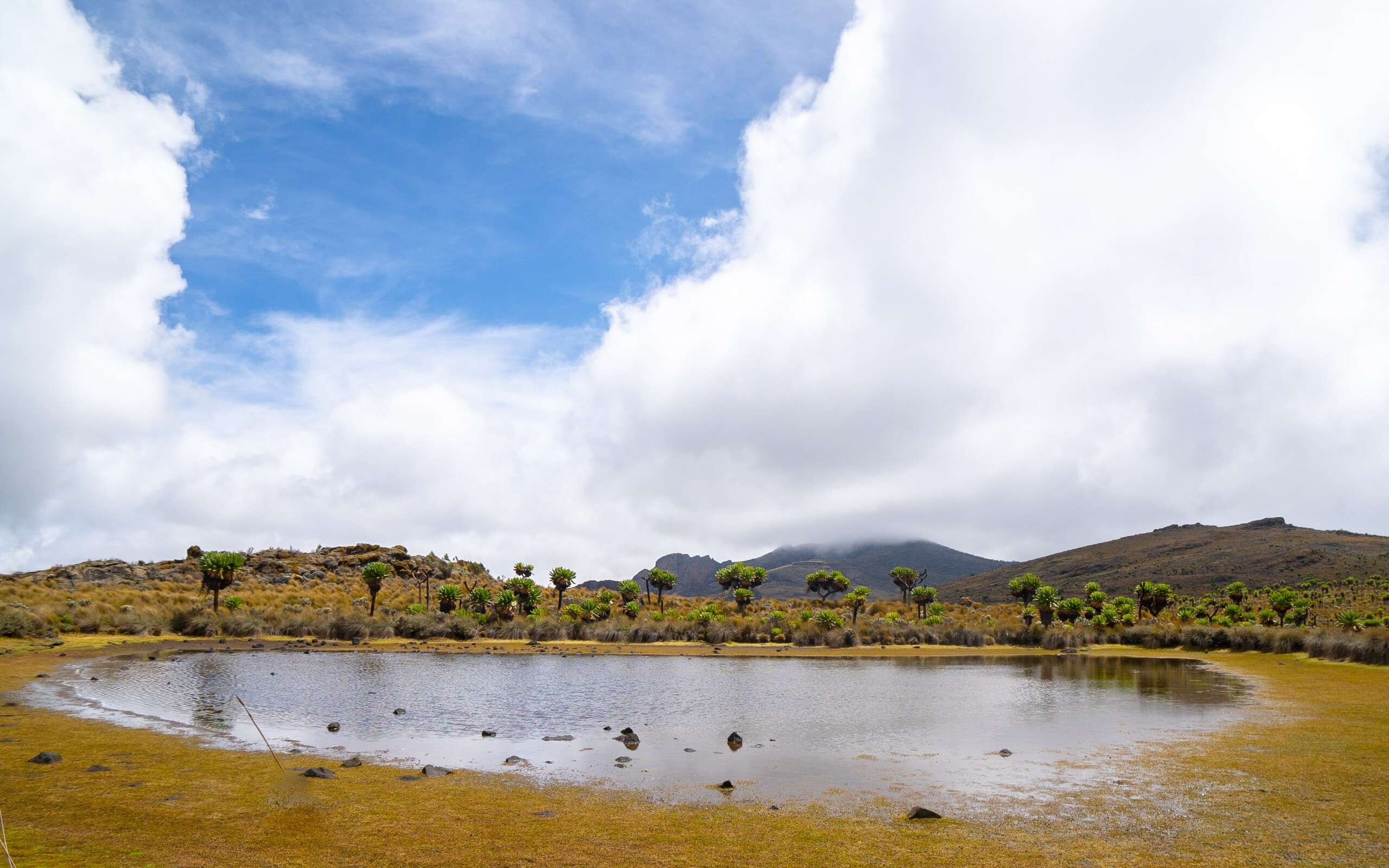
Mount Elgon: Home to the World’s Largest Volcanic Caldera
Mount Elgon is a majestic extinct shield volcano located on the border of Uganda and Kenya. It boasts a geological marvel that sets it apart from other volcanic formations around the world—the largest caldera on earth. Because this colossal caldera measures approximately 40 kilometers in diameter. It is a testament to the complex geological history and volcanic activity that have shaped the landscape of Mount Elgon. Let us look into the fascinating reasons behind why Mount Elgon harbors this extraordinary natural feature.
The Geography of Mount Elgon
Mount Elgon, an iconic stratovolcano located on the border of Uganda and Kenya, is a geological masterpiece. Many people revere the mountain for its towering peaks, rugged terrain, diverse ecosystems, and rich biodiversity.
-
Location and Extent: Mount Elgon straddles the border between Uganda and Kenya in East Africa. Specifically, it lies about 140 kilometers northeast of Kisumu in Kenya. Similarly, it is located approximately 140 kilometers east of the Ugandan capital, Kampala. The mountain covers a vast area, and its massive slopes extend deeply across both countries.
-
Physical Characteristics: The mountain reaches an impressive height of approximately 4,321 meters (14,177 feet) at Wagagai Peak. Notably, this makes it one of the highest peaks in East Africa. While scientists classify it as an ancient stratovolcano, its steep slopes result from millions of years of activity. These distinct craters tell a story of a powerful volcanic past.
-
The Massive Caldera: Mount Elgon boasts the largest caldera on earth. Indeed, this feature has a diameter of about 40 kilometers. It encompasses a vast depression that formed through volcanic collapse and erosion. Within the caldera, several stunning crater lakes dot the landscape. Furthermore, the mountain features the famous Kitum Cave. This large, elephant-frequented cavern adds a unique sense of mystery to the mountain’s allure.
-
Ecosystems and Biodiversity: The mountain features several diverse vegetation zones. First, you encounter lush montane forests at the lower altitudes. Next, the landscape transitions into heath and moorland habitats in the higher elevations. Furthermore, the mountain is renowned for its rich biodiversity. It harbors elephants, buffaloes, and various antelope species alongside rare, endemic plants.
-
Rivers and Cascading Waterfalls: Mount Elgon serves as a crucial watershed for the entire region. Specifically, it gives rise to several major rivers that provide vital water to human communities. One of the most notable attractions is Sipi Falls. This series of three stunning waterfalls cascades down steep cliffs. It offers a truly mesmerizing spectacle for all visitors.
-
Cultural Significance: Mount Elgon is home to diverse ethnic communities. These include the Bagisu and Sabiny in Uganda and the Sabaot in Kenya. Because these groups have deep cultural ties to the mountain, they preserve traditional practices and folklore. Indeed, the mountain remains woven into the fabric of their history and heritage.
The Detailed Geography of Mount Elgon
Mount Elgon is an iconic stratovolcano located on the border of Uganda and Kenya. It stands as a geological masterpiece. Many people revere the mountain for its towering peaks, rugged terrain, diverse ecosystems, and rich biodiversity.
Regional Location and Geographic Extent
Mount Elgon straddles the border between Uganda and Kenya in East Africa. Specifically, it lies about 140 kilometers northeast of Kisumu in Kenya. Similarly, it is located approximately 140 kilometers east of the Ugandan capital, Kampala. The mountain covers a vast area. Because of its massive scale, its slopes extend deeply across both countries.
Physical Characteristics and Major Peaks
The mountain reaches an impressive height of approximately 4,321 meters (14,177 feet) at Wagagai Peak. Notably, this makes it one of the highest peaks in East Africa. While scientists classify it as an ancient stratovolcano, its steep slopes result from millions of years of activity. Furthermore, these distinct craters tell a story of a powerful volcanic past.
The Massive Caldera and Secret Volcanic Caves
Mount Elgon boasts the largest caldera on earth. Indeed, this feature has a diameter of about 40 kilometers. It encompasses a vast depression that formed through volcanic collapse and erosion. Within the caldera, several stunning crater lakes dot the landscape. Furthermore, the mountain features the famous Kitum Cave. This large, elephant-infested cavern adds a unique sense of mystery to the mountain’s allure.
Ecosystems and Montane Biodiversity
The mountain features several diverse vegetation zones. First, you encounter lush montane forests at the lower altitudes. Next, the landscape transitions into heath and moorland habitats in the higher elevations. Furthermore, the mountain is renowned for its rich biodiversity. It harbors elephants, buffaloes, and various antelope species alongside rare, endemic plants.
Hydrology: Rivers and Cascading Waterfalls
Mount Elgon serves as a crucial watershed for the entire region. Specifically, it gives rise to several major rivers that provide vital water to human communities. One of the most notable attractions is Sipi Falls. This series of three stunning waterfalls cascades down steep cliffs. Consequently, it offers a truly mesmerizing spectacle for all visitors.
Cultural Significance and Local Heritage
Mount Elgon is home to diverse ethnic communities. These include the Bagisu and Sabiny in Uganda and the Sabaot in Kenya. Because these groups have deep cultural ties to the mountain, they preserve traditional practices and folklore. Indeed, the mountain remains woven into the fabric of their history and heritage.
Conclusion: A Geological Testament
The largest caldera on earth, nestled within the towering heights of Mount Elgon, stands as a testament to the dynamic forces of nature. These forces have shaped this volcanic landscape over millennia. From volcanic eruptions and collapse events to glacial sculpting and tectonic movements, a confluence of geological processes has contributed to the formation of this remarkable feature.
As a symbol of both the geologic history and ecological richness of the region, the caldera of Mount Elgon continues to captivate scientists, conservationists, and nature enthusiasts alike. Moreover, it offers a window into the intricate interplay of geology, climate, and biodiversity on our planet.