Uganda, often referred to as the “Pearl of Africa,” is a country blessed with lush landscapes, rich biodiversity, and a diverse cultural heritage. Home to several UNESCO World Heritage Sites, Uganda offers a unique blend of natural wonders and cultural significance. This article will explore the UNESCO World Heritage Sites in Uganda. Specifically, it will detail their significance, unique features, and what makes them must-visit destinations.
What are UNESCO World Heritage Sites?
UNESCO World Heritage Sites are designated locations recognised for their cultural, historical, scientific, or other forms of significance. The designation is intended to preserve and protect these sites for future generations. Uganda boasts three such sites that showcase the country’s rich biodiversity and cultural heritage.
Bwindi Impenetrable National Park
Bwindi Impenetrable National Park was established in 1991 and became a UNESCO World Heritage Site in 1994. The park covers approximately 321 square kilometers. It is renowned for its unique biodiversity and is home to nearly half of the world’s remaining mountain gorilla population. Also, the park is a biodiversity hotspot, housing over 1,000 species of flowering plants and 350 species of birds. It also hosts numerous mammal species, making it one of the most biologically diverse areas in Africa.
Bwindi is famous for its gorilla trekking experiences, allowing visitors to encounter these magnificent creatures in their natural habitat. This interaction not only fosters appreciation but also contributes to conservation efforts. Additionally, Bwindi’s unique rainforest ecosystem comprises both lowland and montane forests. This creates diverse habitats for various wildlife. The park offers several trekking trails varying in difficulty. Because of this, the park is accessible for both casual hikers and seasoned trekkers. Bwindi National Park is adjacent to communities like the Bakiga and Batwa. This offers insights into the traditions and lifestyles of these indigenous peoples.
The most popular activity in Bwindi allows visitors to spend time with mountain gorillas. With over 350 bird species, birdwatchers can catch a glimpse of rare species like the African green pigeon and the Great Blue Turaco. Similarly, you can engage with local communities to learn about their culture, crafts, and traditions.
The Misty Mountains of Rwenzori
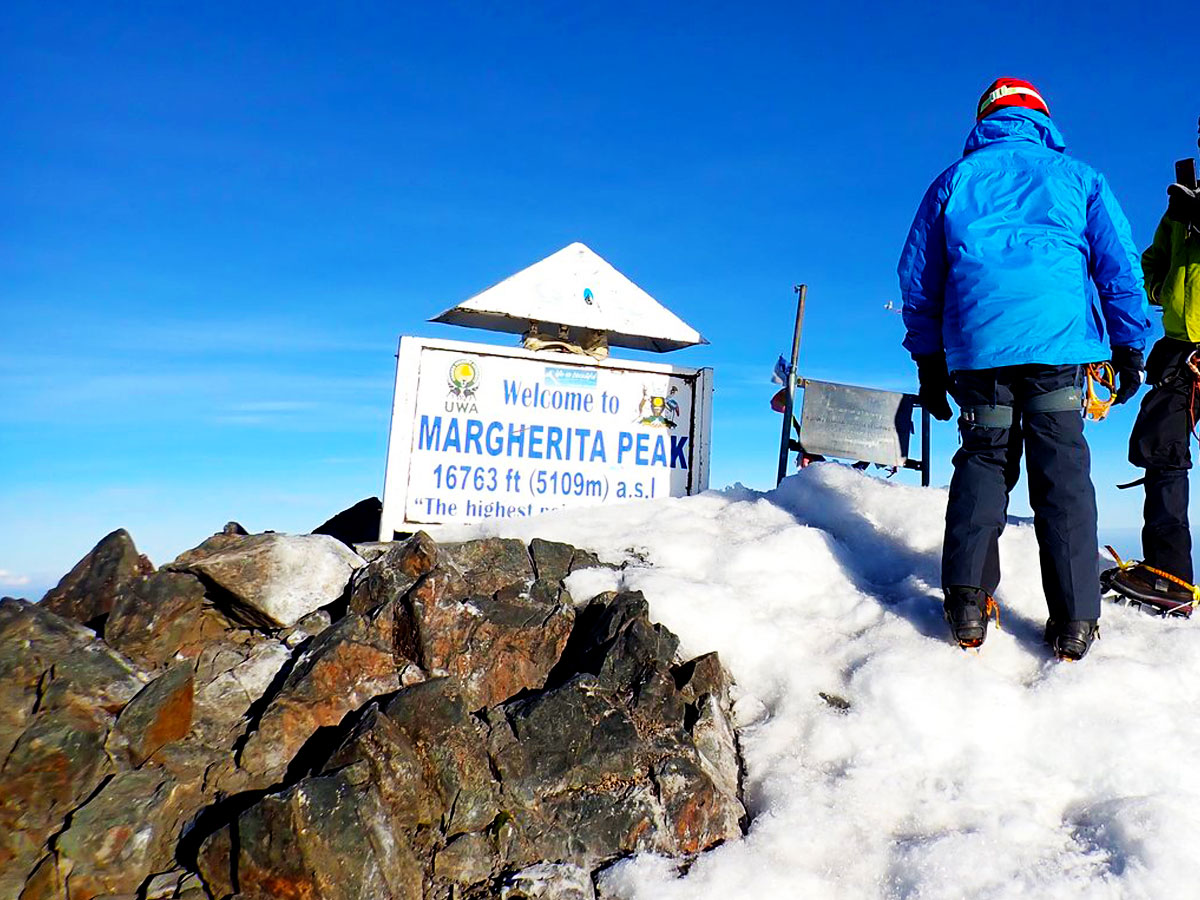
The Rwenzori Mountains, also known as the Mountains of the Moon, were designated a UNESCO World Heritage Site in 1994. This mountain range is located on the border between Uganda and the Democratic Republic of the Congo. It is famous for its stunning landscapes, unique flora and fauna, and challenging trekking routes.
The Rwenzori Mountains are home to diverse ecosystems ranging from tropical rainforest to alpine meadows. The mountains support numerous endemic plant species and rare animals, making them a significant area for conservation. Furthermore, this region is inhabited by the Basongora and Bakonjo peoples. They have unique cultural practices and traditions linked to the mountains. The snow-capped peaks of Rwenzori are home to glaciers that are continuously shrinking due to climate change. Therefore, these glaciers are vital for scientific study. The Rwenzori area is famous for unique plant species such as the giant senecio and the lobelia, found at higher elevations.
The Rwenzori Mountains offer some of the most technical climbs in Africa, attracting trekkers and climbers seeking adventure. Explore the lush vegetation and encounter unique wildlife on guided walks through the forests. Engage with local communities to learn about their daily lives, traditions, and cultural heritage.
The Buganda Kingdom Tombs (Kasubi Tombs)
The Buganda Kingdom Tombs, located in Kasubi, hold significant cultural and historical importance in Uganda. Designated as a UNESCO World Heritage Site in 2001, these tombs are the burial grounds for the Kabakas (kings) of Buganda. They serve as a symbol of the kingdom’s rich heritage. The Buganda Kingdom has a vibrant history dating back several centuries. It played a pivotal role in shaping Uganda’s social and political landscape.
These tombs are constructed using organic materials like wooden poles, thatch, and wattle. They showcase traditional Buganda architectural styles. The central structure, Muzibu-Azaala-Mpanga, features a conical thatched roof that signifies the heavens and acts as a landmark for the site. The tombs are a venue for cultural ceremonies and events. Traditional rituals celebrate the history of the Buganda Kingdom. Furthermore, the site encourages the dissemination of Baganda culture and traditions. This fosters a sense of pride within the community.
The Importance of Conservation in Uganda
The designation of these sites as UNESCO World Heritage Sites not only helps preserve their natural and cultural significance but also highlights the importance of biodiversity conservation. Uganda’s unique ecosystems are under threat from various factors, including poaching, deforestation, and climate change. Preserving these sites is essential for maintaining ecological balance and supporting local communities.
Involving local communities in conservation efforts is crucial. Many UNESCO sites encourage sustainable tourism practices, allowing communities to benefit from eco-tourism. This creates a sense of ownership, leading to positive attitudes toward conservation and the protection of these invaluable resources.
Tourism centered around UNESCO World Heritage Sites generates significant revenue for Uganda. The income from permits, tours, and accommodation not only supports conservation efforts but also helps local communities develop sustainable livelihoods. This economic benefit further reinforces the need for preserving these sites for future generations.
What is required to visit UNESCO World Heritage Sites in Uganda?
The best time to visit Uganda’s UNESCO World Heritage Sites varies by region. Generally, the dry seasons (June to August and December to February) are ideal for wildlife viewing and trekking. However, the rainy seasons can offer a more serene experience with fewer tourists.
Ensure you have a valid passport and visa to enter Uganda. Some travelers may require vaccinations or medications, like yellow fever.
Arrange for a reliable means of transport, whether by hiring a vehicle or booking with a tour operator. Local flights are also available for faster travel between regions.
Consult a healthcare provider about vaccinations and medications before your trip, particularly regarding diseases like malaria.
Pack lightweight, moisture-wicking clothing suitable for trekking and the varying weather conditions of the regions you’ll visit. Invest in durable, comfortable hiking boots for treks and wildlife viewing.
Lastly, bring reusable water bottles, bags, and biodegradable toiletries to minimize your environmental impact.
Final Thoughts
Uganda stands out as a treasure trove of biodiversity and culture. Its UNESCO World Heritage Sites showcase the country’s natural beauty and rich heritage. From the majestic mountain gorillas in Bwindi Impenetrable National Park to the stunning landscapes of the Rwenzori Mountains and the rich ecosystems around the Kazinga Channel, each site offers a unique experience. They all provide a chance to connect with both nature and humanity.
Visiting these sites not only provides an opportunity for adventure and learning but also contributes to the vital conservation efforts needed to protect these valuable resources for future generations. As you plan your journey to Uganda, immerse yourself in the beauty, culture, and conservation of these UNESCO World Heritage Sites. In doing so, you become a part of the narrative that preserves the “Pearl of Africa.”