When we think of African safaris, two East African countries often come to mind: Uganda and Tanzania. Both countries boast stunning landscapes, diverse wildlife, and rich cultures, making them popular choices for adventure seekers and nature lovers. But how do they compare? In this article, we will explore the unique features of Uganda and Tanzania as safari destinations, examining their wildlife, national parks, accessibility, and overall experience to help you decide which one is better for your next adventure.
Wildlife and Biodiversity
Uganda: The Pearl of Africa
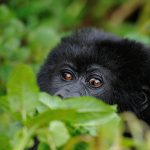
Uganda is often referred to as the “Pearl of Africa,” a title popularized by Winston Churchill due to its lush landscapes and diverse wildlife. One of Uganda’s most significant wildlife offerings is the mountain gorilla. Bwindi Impenetrable National Park and Mgahinga Gorilla National Park are both UNESCO World Heritage Sites that offer thrilling gorilla trekking experiences. Viewing these majestic creatures in their natural habitat is an unforgettable experience, attracting visitors from around the world.
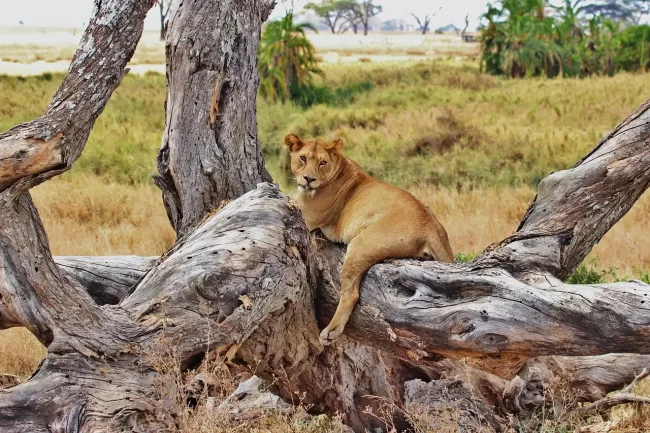
Beyond gorillas, Uganda is home to various other species, including African elephants, lions, buffalo, leopards, and over 1,000 bird species (including the shoebill stork). Uganda’s biodiversity is further enhanced by its 10 national parks, including Queen Elizabeth National Park, known for its tree-climbing lions and diverse ecosystems ranging from wetlands to savannas.
Tanzania: The Land of the Great Migration
Tanzania, on the other hand, is famous for the Great Migration, one of nature’s most spectacular events, where over a million wildebeests and zebras migrate across the Serengeti in search of food and water. This event typically occurs between June and September and is a major draw for visitors.
In addition to the Great Migration, Tanzania is home to the iconic Ngorongoro Crater, a UNESCO World Heritage Site that houses a variety of wildlife, including African elephants, black rhinos, hippos, lions, and hyenas. Tanzania’s landscapes are stunning and diverse, with many national parks, including Tarangire National Park, known for its large elephant herds and baobab trees
While both countries offer incredible wildlife experiences, the choice may ultimately depend on whether the visitor is more interested in seeing gorillas in Uganda or experiencing the Great Migration in Tanzania. If one is seeking a unique and intimate wildlife experience, Uganda stands out. However, for those looking to witness one of the most incredible natural phenomena, Tanzania is unparalleled.
National Parks and Accessibility
Uganda’s National Parks
Uganda features ten national parks, each with unique attractions:
- Bwindi Impenetrable National Park: Known for gorilla trekking.
- Queen Elizabeth National Park: Offers boat safaris along the Kazinga Channel.
- Murchison Falls National Park: Features the dramatic Murchison Falls and diverse wildlife.
The accessibility of these parks is good, though some regions may require a longer travel time, and roads can vary in quality. However, most parks are accessible from major cities like Kampala.
Tanzania’s National Parks
Tanzania has a larger variety of parks, including:
- Serengeti National Park: The heart of the Great Migration.
- Ngorongoro Crater: A unique caldera home to diverse ecosystems.
- Lake Manyara National Park: Famous for its tree-climbing lions and vibrant birdlife.
Tanzania’s parks are generally well-connected by a network of roads and domestic flights, making it easier to hop between them. The overall infrastructure for tourism is more developed compared to Uganda, with various accommodation options ranging from luxury lodges to budget camps.
Tanzania’s extensive network of national parks and developed tourism infrastructure gives it an edge in accessibility. For travelers looking to visit multiple parks in a short timeframe, Tanzania would be the easier option. However, Uganda’s smaller, less crowded parks offer a chance for a more intimate safari experience.
Cultural Experiences
Uganda’s Rich Culture
Uganda is home to over 60 different ethnic groups, each contributing to the country’s rich cultural tapestry. Visitors can learn about local customs and traditions, participate in traditional dance performances, or visit local markets to experience the vibrant daily life.
Highlight cultural experiences include:
- The Batwa Trail: A unique opportunity to learn about the traditional lifestyle of the Batwa pygmies.
- Community visits: Engaging with local communities in places like Jinja, where visitors can witness the source of the Nile River.
Tanzania’s Cultural Heritage
Similarly, Tanzania is a melting pot of cultures, with more than 120 ethnic groups. The Maasai people, known for their unique customs and colorful attire, are perhaps the most famous, and many tours offer opportunities to visit Maasai villages.
Cultural highlights in Tanzania include:
- Maasai village visits: Experience traditional Maasai lifestyle and customs.
- Historical tours: Explore the rich history of Zanzibar, including its spice trade and ancient architecture.
Both countries offer rich cultural experiences, but the emphasis may differ. Uganda tends to focus on the daily lives and traditions of various ethnic groups, while Tanzania often highlights the Maasai and historical influences. Depending on which aspect appeals more, visitors may find one country more enticing than the other.
Cost of the Safari Experience
Uganda: Affordability
Generally, Uganda is considered a more affordable safari destination. The cost of gorilla permits is significantly lower than the fees for similar experiences in other countries. Additionally, Uganda offers diverse accommodation options, from budget-friendly lodges to luxury hotels. Costs can vary, but a typical mid-range safari in Uganda may range from $150 to $300 per day, including accommodation and meals, with gorilla permits averaging $800 per person.
Tanzania: Higher Costs
If Tanzania is renowned for its wildlife experiences, it is also known for being pricier, particularly due to the high demand for wildlife safaris. Gorilla trekking permits are significantly higher, costing up to $1,500 or more. A mid-range safari in Tanzania can range from $200 to $500 per day, depending on the level of luxury and the park visited.
Overall, travelers on a budget may find Uganda to be a more cost-effective option for safari experiences, while those willing to spend more may choose Tanzania for its iconic wildlife events, such as the Great Migration.
Best Time to Visit
Uganda: Dry Season vs. Wet Season
Uganda experiences two wet seasons (March to May and October to November) and two dry seasons (June to August and December to February). The best time to visit for gorilla trekking is during the dry seasons when the trails are less muddy, making trekking easier. However, wet seasons offer lush landscapes and fewer tourists.
Tanzania: Migration Timing
For Tanzania, the best time to catch the Great Migration is between June and September when wildebeests and zebras are in the Serengeti. The dry season also attracts large numbers of wildlife to waterholes, making game viewing excellent. However, the wet season (November to March) is particularly great for bird watchers, as many migratory species arrive.
The best time to visit either country depends on specific wildlife experiences sought. If a traveler desires gorilla trekking, Uganda during the dry season is ideal. If witnessing the Great Migration is the goal, Tanzania’s dry season is the best choice.
Which Destination is Better?
Choosing between Uganda and Tanzania for a safari experience depends on individual preferences and priorities. Here are some key takeaways:
Wildlife: For intimate encounters with mountain gorillas, Uganda is the clear choice. For witnessing the Great Migration, Tanzania is unmatched.
National Parks and Accessibility: Tanzania’s extensive network of parks offer greater accessibility, but Uganda’s smaller parks provide a more intimate experience.
Cultural Experiences: Both countries boast rich cultural heritage, with Uganda emphasizing daily life and Tanzania focusing on the Maasai.
Cost: Uganda is generally more budget-friendly, while Tanzania commands higher prices for its iconic experiences.
Best Time to Visit: Timing will depend on specific interests, whether it’s gorilla trekking in Uganda or the Great Migration in Tanzania.
Ultimately, both Uganda and Tanzania offer exceptional safari experiences, each unique in its way. Your best choice will depend on the experiences you prioritize the most. Whether you choose Uganda’s lush landscapes and gorillas or Tanzania’s breathtaking migration and diverse parks, both destinations promise an unforgettable adventure in the heart of Africa.