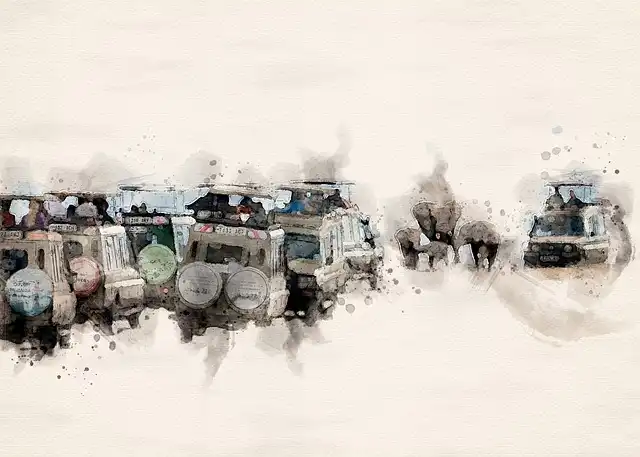
When planning a safari in East Africa, two prominent countries often emerge as top contenders: Uganda and Kenya. Both nations offer a variety of wildlife experiences, stunning landscapes, and rich cultural encounters. However, each destination has its distinctive features and attractions. In this article, we will compare Uganda and Kenya as safari destinations, examining their wildlife, national parks, accessibility, cultural experiences, costs, and the best times to visit, helping you decide where to go for your next adventure.
Wildlife and Biodiversity
Uganda: The Pearl of Africa
Uganda is known for its rich biodiversity and beautiful landscapes. The country is especially famous for its mountain gorillas, which can be tracked in Bwindi Impenetrable National Park and Mgahinga Gorilla National Park. These unique experiences allow visitors to see these endangered animals in their natural habitat, creating unforgettable memories.
With ten national parks, Uganda offers a variety of habitats, from dense rainforests to open savannas, enhancing its wildlife experience.
Kenya: The Home of the Safari
Kenya is often regarded as the birthplace of the safari, with a rich history that has established its reputation as a premier safari destination. Home to the iconic Maasai Mara National Reserve, Kenya is renowned for the Great Migration, where millions of wildebeest and zebras traverse the plains in search of fresh grazing. This spectacular event typically occurs between July and October and draws visitors from around the world. With numerous national parks and reserves, such as Amboseli National Park (famous for its views of Mount Kilimanjaro) and Tsavo National Park, Kenya offers a diverse range of safari experiences.
Both Uganda and Kenya boast impressive wildlife offerings. Uganda shines with its mountain gorillas, while Kenya offers the iconic Great Migration and the classic safari experience with “The Big Five.” Your choice may depend on what wildlife experience is more appealing for your safari.
National Parks and Accessibility
Uganda’s National Parks
Uganda’s national parks are relatively small compared to those in Kenya, allowing for a more intimate experience. Some notable parks include:
- Bwindi Impenetrable National Park: A UNESCO World Heritage site known for gorilla trekking.
- Queen Elizabeth National Park: Features diverse ecosystems and a variety of wildlife, including tree-climbing lions.
- Murchison Falls National Park: Home to the impressive Murchison Falls and various wildlife along the Nile River.
Accessibility can be a bit challenging due to road conditions, especially in more remote areas. However, most parks are reachable from the capital city, Kampala.
Kenya’s National Parks
Kenya is home to a vast number of national parks and reserves, making it easier to explore multiple areas. Renowned parks include:
- Maasai Mara National Reserve: The heart of the Great Migration.
- Amboseli National Park: Known for elephants and breathtaking views of Mount Kilimanjaro.
- Nairobi National Park: Unique for its proximity to the capital city, allowing visitors to see wildlife amidst the urban skyline.
Kenya boasts well-paved roads and a more developed tourism infrastructure, which facilitates travel between parks. Domestic flights also connect major parks, making multi-park visits easier.
Kenya has a clear advantage when it comes to accessibility, thanks to its developed infrastructure and numerous parks. While Uganda offers intimate experiences in its national parks, it can be more challenging to reach some areas.
Cultural Experiences
Uganda’s Diverse Culture
Uganda is home to over 60 ethnic groups, each contributing to the country’s rich cultural landscape. Experience the traditional lifestyle of the Batwa pygmies, known as the “keepers of the forest.” Engage with local communities in cities. These experiences offer a glimpse into everyday life in Uganda and the rich traditions of its people.
Kenya’s Cultural Heritage
Kenya also boasts a rich cultural heritage, with more than 40 ethnic groups. The Maasai are the most recognized, known for their distinctive dress and customs. Engage with the Maasai people, witnessing their traditional dances, art, and crafts. Experience the vibrant cultural diversity through music, dance, and art. Kenya’s unique blend of cultures provides a fascinating insight into the lifestyles and traditions of various ethnic groups.
Both countries highlight rich cultural interactions, but Uganda may offer more varied experiences with its multitude of ethnic groups. In contrast, Kenya often emphasizes the Maasai culture, which may be more recognizable globally. Depending on the experience desired, either nation presents compelling opportunities.
Cost of the Safari Experience
Uganda: Affordable Adventures
In terms of cost, Uganda is often considered the more budget-friendly option. Gorilla trekking permits are cheaper than in many other countries, and the overall cost of safari experiences, including accommodations, can be lower. A typical mid-range safari in Uganda may range from $150 to $300 per day. This includes meals and accommodation, with gorilla permits costing around $800 per person.
Kenya: Premium Experiences
Kenya, while offering unparalleled wildlife experiences, can be more expensive. The cost of permits for iconic activities, such as visiting the Maasai Mara during the Great Migration, can add up quickly. For a mid-range safari experience in Kenya, expect to pay between $200 to $500 per day, with permits and luxury accommodations possibly pushing the price higher.
For budget-conscious travelers, Uganda presents an attractive option due to lower costs. In contrast, those seeking unique experiences in Kenya, particularly during peak migration times, should be prepared to spend more.
Best Time to Visit
Uganda: Dry Seasons vs. Wet Seasons
Uganda experiences two wet seasons (March to May and October to November) and two dry seasons (June to August and December to February). The best time for gorilla trekking is during the dry seasons when trails are less muddy and easier to navigate. However, wet seasons provide a lush landscape and fewer tourists.
Kenya: Migration Timing
For Kenya, the best time to witness the Great Migration is between July and October, when wildebeests and zebras are crossing the Maasai Mara. The dry season is also excellent for general wildlife viewing, as animals gather around water sources. The wet season (November to March) is ideal for bird watchers, with many migratory species arriving.
The optimal time to visit either country hinges on specific priorities. If gorilla trekking in Uganda is the goal, visiting during the dry season is ideal. For those aiming to observe the Great Migration in Kenya, planning around peak migration periods is essential.
Conclusively, both Uganda and Kenya provide exceptional safari experiences that are rich in wildlife and culture. Whether you choose Uganda’s captivating gorillas or Kenya’s iconic wildebeest migrations, both destinations promise unforgettable adventures in the heart of Africa. The choice lies in what kind of experience you seek, and either option will leave you with indelible memories of East Africa.