Tarangire National Park
John Hemingway famously said, “If I have ever seen magic, it has been in Africa.” In 2026, that magic is most potently felt in the ever-changing landscapes and hospitable cultures. These are found within a specialized African Safari. While many travelers are drawn to the iconic Serengeti or the beaches of Cape Town, those seeking a truly “off-the-beaten-track” experience are increasingly turning toward the rugged beauty of Tarangire National Park.
The Heart of Northern Tanzania
Covering approximately 2,850 $km^2$, Tarangire is situated in the northern circuit, just south of Lake Manyara. It is a destination defined by its diverse ecosystems:
-
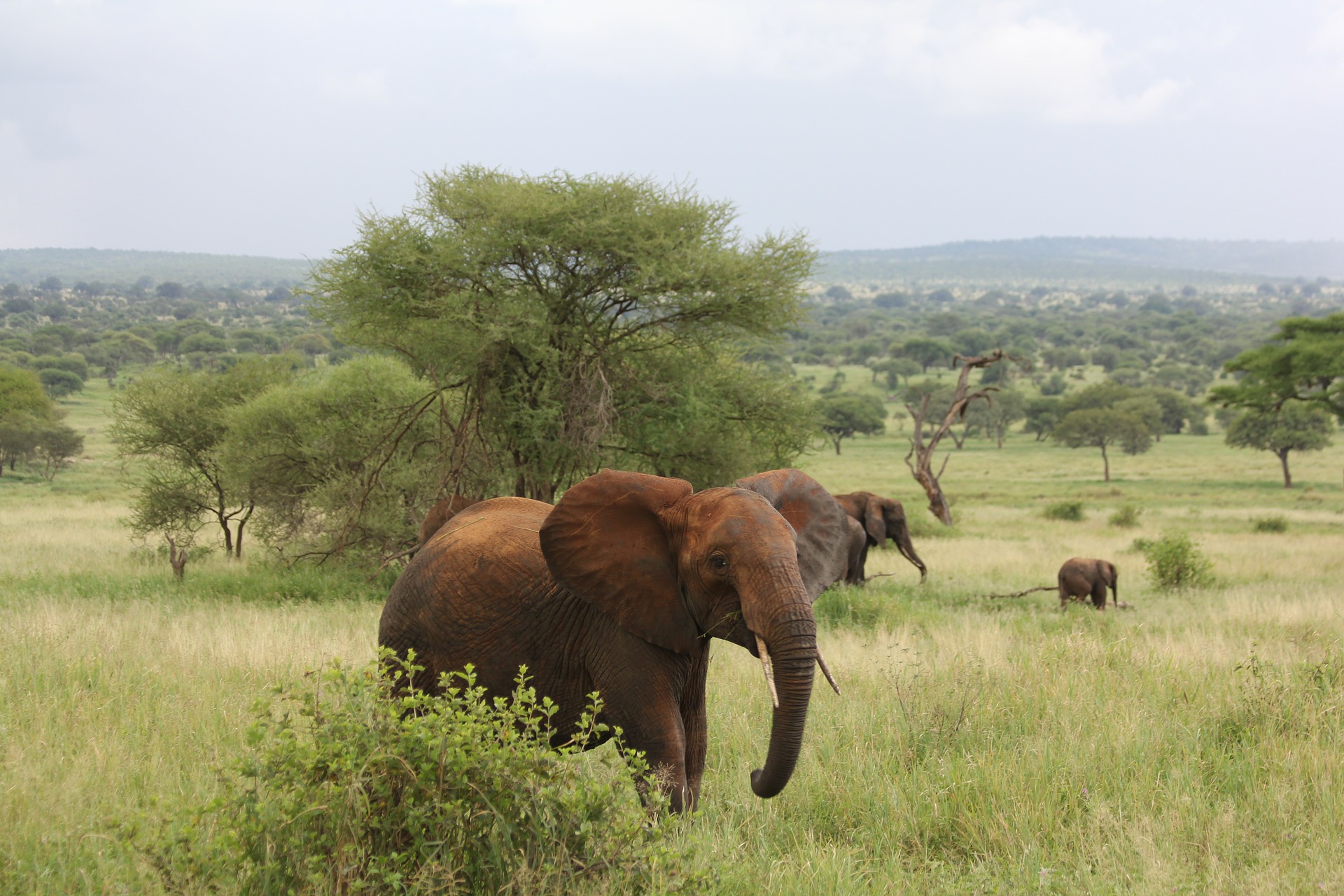
The Giants: The park is world-renowned for its massive elephant herds and ancient, towering Baobab trees.
-
Rugged Beauty: Unlike the flat plains of the Serengeti, Tarangire offers a varied landscape of granitic ridges, river valleys, and swamps.
A Wildlife Sanctuary Like No Other
While the Big Five (excluding the rhino) are frequently spotted, Tarangire is celebrated for hosting rare species that are difficult to find elsewhere in Tanzania.
-
Specialized Species: The fringe-eared oryx, the towering greater kudu, and the tiny Ashy Starling are all residents of this park.
-
The Elephant Kingdom: Tanzania’s largest population of elephants is sheltered here. Herds of over 300 individuals are often seen congregating along the Tarangire River.
-
Predators: Because of the high density of herbivores, sightings of lions and leopards are common, particularly near permanent water sources during the dry season.
The “Mini” Great Migration
While the Serengeti hosts the most famous trek, a significant wildebeest and zebra migration occurs within Tarangire between June and November. As the surrounding areas dry out, thousands of animals are drawn to the Tarangire River—the only reliable water source in the region. This concentration of prey attracts an influx of predators, creating a thrilling theater of nature.
A Birder’s Paradise
With over 550 recorded species, Tarangire is arguably the premier birding destination in Tanzania. The park’s various habitats provide sanctuary for:
-
Endemic Gems: Yellow-collared lovebirds and the Ashy Starling.
-
Raptors: Bateleur eagles, steppe eagles, and the gigantic lappet-faced vulture.
-
Colorful Residents: Lilac-breasted rollers, bee-eaters, and various species of hornbills.
Beyond the Game Drive
Tarangire offers more than just traditional wildlife viewing. In 2026, travelers can enrich their itinerary with:
-
Cultural Heritage: A day trip to the Kolo Rock Art site (a UNESCO World Heritage site) reveals ancient hunter-gatherer paintings dating back thousands of years.
-
Guided Nature Walks: Experience the wild on foot for a closer look at the park’s flora and smaller fauna.
-
Night Game Drives: Available at select lodges outside the park boundaries, offering a chance to see elusive nocturnal creatures.
Where to Stay in 2026
Accommodation options in the Tarangire ecosystem range from luxury treetop lodges to authentic bush camps.
-
Luxury: Options like Lemala Mpingo Ridge or Tarangire Treetops offer 5-star comfort embedded in nature.
-
Mid-Range/Budget: Excellent tented camps and bungalows are available both inside and just outside the park gates, providing a balance of comfort and value