Kyambura Gorge Uganda: Chimpanzee Tracking in the Valley of Apes
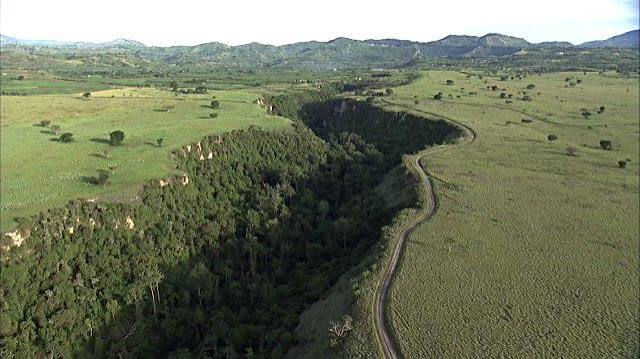
Kyambura Gorge, famously known as the Valley of Apes, is one of Uganda’s most fascinating natural attractions, located in the eastern part of Queen Elizabeth National Park. This spectacular forested gorge is renowned for its population of wild chimpanzees, beautiful riverine forest, diverse birdlife and dramatic landscapes.
Unlike the open savannah plains that dominate much of Queen Elizabeth National Park, Kyambura Gorge offers a completely different wildlife experience. Visitors descend into a deep forest valley where chimpanzees, monkeys and numerous bird species inhabit the lush vegetation along the Kyambura River.
For travellers interested in primate experiences, chimpanzee tracking in Kyambura Gorge provides an exciting opportunity to explore one of Uganda’s remarkable natural ecosystems.
Whether you are planning a chimpanzee trekking adventure, a Uganda wildlife safari or a longer primate tour combining chimpanzee and gorilla tracking, Kyambura Gorge deserves a place on your itinerary.
Where Is Kyambura Gorge Located?
Kyambura Gorge is situated in the eastern section of Queen Elizabeth National Park in southwestern Uganda. It lies within the wider Queen Elizabeth Conservation Area, close to the Kichwamba Escarpment and the Kazinga Channel.
The gorge stretches through the surrounding savannah landscape, creating a striking contrast between open grasslands and dense tropical forest.
The Kyambura River flows along the bottom of the gorge, supporting the vegetation and wildlife found within this unique environment.
The gorge reaches approximately 100 metres in depth, making it one of the most distinctive geographical features of Queen Elizabeth National Park.
Travellers visiting the park can easily combine a visit to Kyambura Gorge with other attractions, including the Kazinga Channel, Kasenyi Plains, Mweya Peninsula, Lake Katwe and the Ishasha sector.
Why Is Kyambura Gorge Called the Valley of Apes?
Kyambura Gorge is popularly called the Valley of Apes because it supports several primate species, including chimpanzees, black-and-white colobus monkeys, red-tailed monkeys, vervet monkeys and olive baboons.
The most famous inhabitants are the chimpanzees, which attract visitors from around the world.
The gorge’s thick vegetation provides a natural habitat for these intelligent primates. Its isolated forest environment also makes it an interesting location for studying chimpanzee behaviour and conservation.
As visitors descend into the gorge, they leave the open savannah behind and enter a completely different ecosystem filled with towering trees, tangled vegetation, birdsong and the sounds of wildlife.
Chimpanzee Tracking in Kyambura Gorge
Chimpanzee tracking is the main tourist activity in Kyambura Gorge.
The experience involves walking through the forest with experienced Uganda Wildlife Authority ranger guides in search of habituated chimpanzees.
Unlike traditional wildlife game drives, chimpanzee trekking takes place on foot, allowing visitors to explore the forest while learning about its ecology and wildlife.
What to Expect During Chimpanzee Trekking
Your experience normally begins with a briefing from Uganda Wildlife Authority guides, who explain the trekking procedures, safety guidelines and responsible wildlife viewing practices.
After the briefing, visitors descend into the gorge through forest trails while the guides search for chimpanzee movements, vocalisations and feeding locations.
During the walk, you may encounter:
- Chimpanzees moving through the forest canopy.
- Black-and-white colobus monkeys.
- Red-tailed monkeys.
- Vervet monkeys.
- Olive baboons.
- Colourful forest birds and butterflies.
Once the chimpanzees are located, visitors are allowed a maximum of one hour observing them under the standard tracking regulations.
Watching chimpanzees communicate, feed, groom and interact with one another is an unforgettable wildlife experience.
However, sightings are not guaranteed because chimpanzees are wild animals that move freely through the forest.
How Difficult Is Chimpanzee Tracking in Kyambura Gorge?
Chimpanzee tracking in Kyambura Gorge can be physically demanding because visitors must descend into the gorge and climb back to the escarpment after the experience.
The trails can be steep, uneven and slippery, especially during rainy weather.
A reasonable level of physical fitness is recommended. Visitors should also follow their ranger guide’s instructions throughout the experience.
Comfortable hiking shoes, long trousers, long-sleeved shirts and drinking water are useful items to carry.
Wildlife in Kyambura Gorge
Although chimpanzees are the main attraction, Kyambura Gorge supports a variety of wildlife species.
1. Chimpanzees
Chimpanzees are the most famous residents of Kyambura Gorge. These intelligent primates live in social communities and display fascinating behaviours, including communication, grooming, feeding and territorial interactions.
Tracking them provides an opportunity to learn about their behaviour and the importance of protecting their natural habitat.
2. Black-and-White Colobus Monkeys
These beautiful monkeys are recognised by their distinctive black fur and long white tails. They are adapted to life in the forest canopy and are often seen feeding on leaves.
3. Red-Tailed Monkeys
Red-tailed monkeys are smaller primates that inhabit the forest. Their reddish tail markings and facial features make them interesting animals to observe.
4. Olive Baboons
Olive baboons are among the larger primates found around the gorge. They are social animals that live in groups and feed on a variety of foods.
5. Forest Birds
Kyambura Gorge is also an attractive destination for birdwatchers. Its riverine forest and surrounding vegetation support several forest and savannah bird species.
Birds of interest in the wider area include the African finfoot, blue-headed bee-eater and pink-backed pelican.
Guided Nature Walks in Kyambura Gorge
Visitors who are not interested in chimpanzee tracking can explore the gorge through guided nature walks, subject to available activities and park arrangements.
These walks provide an opportunity to appreciate the natural beauty of the forest while learning about the area’s plants, wildlife and geographical features.
The contrast between the surrounding savannah and the forest hidden below the escarpment makes Kyambura Gorge an excellent destination for nature photography.
Guided walks also offer opportunities to observe smaller wildlife species, butterflies, forest vegetation and birds.
Birdwatching in Kyambura Gorge
Kyambura Gorge is an interesting destination for birdwatching enthusiasts visiting Queen Elizabeth National Park.
The forested gorge and surrounding wetlands provide different habitats that attract various bird species.
Birdwatchers can look out for:
- African finfoot.
- Blue-headed bee-eater.
- Pink-backed pelican.
- African fish eagle.
- Various kingfishers.
- Other forest and wetland bird species.
The best birdwatching experience often comes from exploring different habitats with a knowledgeable guide.
Visitors interested in bird photography should carry binoculars and suitable camera equipment.
Best Time to Visit Kyambura Gorge
Kyambura Gorge can be visited throughout the year, although weather conditions influence the trekking experience.
The drier months are generally more comfortable for hiking and walking through the forest.
June to September: These months are generally favourable for chimpanzee tracking because forest trails are often less muddy.
December to February: Another relatively dry period suitable for chimpanzee tracking, nature walks and wildlife safaris.
March to May and October to November: These are wetter periods when rainfall can make forest trails slippery. However, the vegetation becomes lush, creating beautiful scenery for photography.
Chimpanzee tracking is available throughout the year, subject to park arrangements and permit availability.
What to Pack for a Kyambura Gorge Chimpanzee Tracking Safari
Preparing properly makes your chimpanzee trekking experience more comfortable.
We recommend carrying:
- Comfortable hiking boots with good grip.
- Long-sleeved shirts and long trousers.
- A lightweight rain jacket.
- Insect repellent.
- Drinking water.
- A camera with a suitable zoom lens.
- Binoculars for birdwatching.
- A small backpack for personal belongings.
- Gardening gloves for additional protection when holding vegetation on steep trails.
Visitors should avoid wearing brightly coloured clothing that may distract wildlife and should follow the instructions provided by their ranger guides.
Other Attractions to Visit Near Kyambura Gorge
One of the biggest advantages of visiting Kyambura Gorge is its location within Queen Elizabeth National Park. Travellers can combine chimpanzee tracking with several other wildlife and cultural experiences.
1. Kazinga Channel
The Kazinga Channel connects Lake George and Lake Edward and is famous for its concentration of hippos, crocodiles, elephants, buffaloes and waterbirds.
A boat cruise along the channel provides excellent opportunities for wildlife photography.
2. Kasenyi Plains
Kasenyi Plains is one of the main wildlife viewing areas in Queen Elizabeth National Park.
Visitors can encounter elephants, buffaloes, Uganda kob, warthogs and several other savannah animals. The plains are also known for lion sightings.
3. Ishasha Sector
The Ishasha sector is particularly famous for its tree-climbing lions, which are sometimes seen resting in fig trees.
Other wildlife includes elephants, buffaloes, topis and various antelope species.
4. Lake Katwe
Lake Katwe is a fascinating destination where visitors can learn about traditional salt mining.
The lake and its surrounding landscape provide insight into the livelihoods of communities living around Queen Elizabeth National Park.
5. Maramagambo Forest
Maramagambo Forest offers additional forest exploration opportunities, including birdwatching and guided nature experiences.
It is an excellent addition to a broader Queen Elizabeth National Park itinerary.
How to Get to Kyambura Gorge
Kyambura Gorge can be reached by road from Kampala or other major tourist destinations in western Uganda.
The road journey from Kampala to Queen Elizabeth National Park generally takes approximately 6–8 hours, depending on the route, road conditions and stopovers.
Visitors can travel through:
- Kampala – Mbarara – Bushenyi – Queen Elizabeth National Park.
- Kampala – Fort Portal – Kasese – Queen Elizabeth National Park.
The gorge is accessed from within the eastern part of the park, and visitors should confirm the correct tracking meeting point with Uganda Wildlife Authority or their tour operator.
Travellers who prefer flying can arrange domestic charter flights to airstrips serving Queen Elizabeth National Park, followed by a road transfer.
Can You Combine Kyambura Gorge with Gorilla Trekking in Uganda?
Yes. Kyambura Gorge can be combined with mountain gorilla trekking in Bwindi Impenetrable National Park to create an exciting Uganda primate safari.
This combination allows travellers to experience two of Africa’s most fascinating primates during one holiday.
A typical itinerary can include:
Day 1: Transfer from Entebbe or Kampala to Queen Elizabeth National Park.
Day 2: Chimpanzee tracking in Kyambura Gorge and a boat cruise along the Kazinga Channel.
Day 3: Morning game drive in Queen Elizabeth National Park, followed by a transfer towards Bwindi Impenetrable National Park.
Day 4: Mountain gorilla trekking in Bwindi.
Day 5: Transfer to Lake Bunyonyi or return to Entebbe, depending on the itinerary.
The itinerary can be extended to include Kibale Forest National Park, Lake Mburo National Park and other destinations.
Kyambura Gorge vs Kibale Forest for Chimpanzee Tracking
Uganda offers several destinations for chimpanzee tracking, with Kyambura Gorge and Kibale Forest National Park being particularly popular.
Both destinations provide opportunities to observe wild chimpanzees, but their environments and trekking experiences are different.
| Feature | Kyambura Gorge | Kibale Forest |
|---|---|---|
| Location | Queen Elizabeth National Park | Near Fort Portal |
| Landscape | Deep forested gorge | Extensive tropical rainforest |
| Main attraction | Chimpanzee tracking | Chimpanzee tracking |
| Other wildlife | Monkeys and forest birds | Several primate species |
| Terrain | Steep descent and ascent | Generally forest trails |
| Safari combination | Queen Elizabeth wildlife safari | Bigodi Wetland and crater lakes |
Kibale is particularly well known for its larger chimpanzee population, while Kyambura offers a distinctive forest experience within Queen Elizabeth National Park.
The best choice depends on your itinerary, interests and expectations.
Responsible Chimpanzee Tracking and Conservation
Chimpanzees are endangered primates, and protecting their natural habitats is essential for their survival.
Responsible tourism contributes to conservation by supporting protected areas, ranger operations, research and surrounding communities.
Visitors should follow these guidelines during chimpanzee tracking:
- Do not trek when experiencing symptoms of an infectious illness.
- Maintain the minimum distance required by Uganda Wildlife Authority.
- Avoid feeding chimpanzees.
- Do not touch or attempt to provoke the animals.
- Keep noise levels low.
- Avoid littering in the forest.
- Follow all instructions from ranger guides.
- Do not use flash photography.
By following responsible tourism practices, visitors help minimise human disturbance and support long-term chimpanzee conservation.
Frequently Asked Questions About Kyambura Gorge
1. Where is Kyambura Gorge found?
Kyambura Gorge is located in the eastern part of Queen Elizabeth National Park in southwestern Uganda.
2. Why is Kyambura Gorge called the Valley of Apes?
It is called the Valley of Apes because it is home to chimpanzees and several other primate species, including colobus monkeys, red-tailed monkeys, vervet monkeys and olive baboons.
3. What is Kyambura Gorge famous for?
Kyambura Gorge is famous for chimpanzee tracking, its underground forest, beautiful scenery, birdwatching and guided nature walks.
4. How deep is Kyambura Gorge?
The gorge reaches approximately 100 metres in depth, creating a dramatic forested valley within the surrounding savannah landscape.
5. Can I see chimpanzees in Kyambura Gorge?
Yes. Kyambura Gorge is home to a habituated chimpanzee community that visitors can track with authorised ranger guides. However, sightings are not guaranteed.
6. How long does chimpanzee tracking take?
The experience can take several hours depending on the location and movement of the chimpanzees. Once the chimpanzees are found, standard tracking permits allow a maximum of one hour with them.
7. What is the best time to visit Kyambura Gorge?
The relatively dry months of June to September and December to February are generally favourable for chimpanzee tracking and forest walks.
8. Can children participate in chimpanzee tracking?
Uganda Wildlife Authority regulations specify a minimum age of 12 years for chimpanzee tracking. Visitors should confirm the latest regulations before booking.
9. Can I combine chimpanzee tracking with a Queen Elizabeth safari?
Yes. Kyambura Gorge is within Queen Elizabeth National Park, making it convenient to combine chimpanzee tracking with game drives, Kazinga Channel boat cruises and other wildlife experiences.
10. Is Kyambura Gorge worth visiting?
Yes. It offers a distinctive opportunity to explore a forested gorge, observe primates and experience a different ecosystem within Queen Elizabeth National Park.
Book Your Kyambura Gorge Chimpanzee Tracking Safari with Epic Uganda Vacation
Kyambura Gorge is one of the most remarkable natural attractions in Uganda. From its spectacular underground forest to its fascinating chimpanzee community, the gorge provides an unforgettable experience for nature lovers and wildlife enthusiasts.
Whether you want to track chimpanzees, explore the forest, photograph birds or combine primate encounters with a traditional African wildlife safari, Kyambura Gorge offers an exciting addition to your Uganda holiday.
At Epic Uganda Vacation, we organise tailor-made Uganda safaris that allow travellers to discover the country’s extraordinary wildlife and natural attractions.
Our safari experiences can include:
- Kyambura Gorge chimpanzee tracking.
- Kibale Forest chimpanzee tracking.
- Bwindi mountain gorilla trekking.
- Queen Elizabeth National Park wildlife safaris.
- Kazinga Channel boat cruises.
- Uganda birdwatching safaris.
- Multi-day Uganda wildlife and primate tours.
Ready to explore the Valley of Apes? Contact Epic Uganda Vacation today and let us organise your unforgettable Kyambura Gorge chimpanzee tracking safari in Uganda.