Lake Bunyonyi Uganda: Things to Do, Islands, Accommodation and Travel Guide
Lake Bunyonyi Uganda: Discover the Place of Many Little Birds
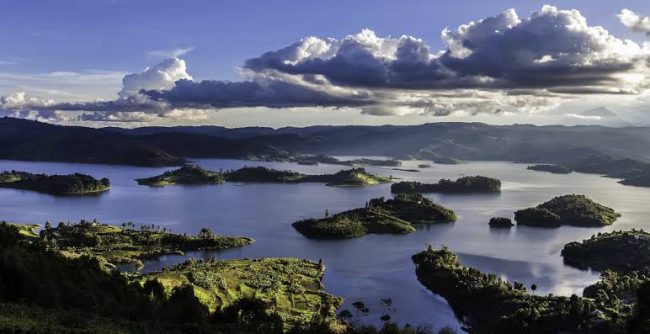
Lake Bunyonyi is one of Uganda’s most beautiful highland destinations, renowned for its tranquil waters, terraced hillsides, green islands and rich birdlife. Located in southwestern Uganda, between Kabale and Kisoro, the lake provides a peaceful escape for travellers exploring the country’s mountain gorilla destinations.
Often translated as the Place of Many Little Birds, Lake Bunyonyi is an excellent destination for canoeing, island exploration, birdwatching, nature walks and cultural encounters with communities living around its shores. Its beautiful scenery and relaxed atmosphere also make it an ideal place to unwind after gorilla trekking in Bwindi Impenetrable National Park or Mgahinga Gorilla National Park.
Whether you are planning a romantic holiday, a family vacation, a birdwatching trip or a longer Uganda safari, Lake Bunyonyi offers a different experience from the country’s traditional wildlife parks.
Where Is Lake Bunyonyi Located?
Lake Bunyonyi is found in southwestern Uganda, in the Kigezi highlands, between the districts of Kabale and Rubanda. It lies approximately 7 kilometres west of Kabale town and close to the Uganda–Rwanda border.
The lake sits at approximately 1,962 metres above sea level, surrounded by steep hills, cultivated terraces, small villages and patches of natural vegetation. Its highland setting gives the area a cooler climate than many other parts of Uganda.
Lake Bunyonyi is conveniently positioned for travellers visiting several attractions in southwestern Uganda, including:
- Bwindi Impenetrable National Park.
- Mgahinga Gorilla National Park.
- Mount Muhabura, Mount Gahinga and Mount Sabyinyo.
- Lake Mutanda.
- Kisoro and the surrounding highlands.
- Rwanda’s Volcanoes National Park, across the international border.
Its location makes it a particularly useful stop on Uganda gorilla trekking holidays, especially itineraries combining Bwindi, Mgahinga and Rwanda.
Why Is Lake Bunyonyi Famous?
Lake Bunyonyi is famous for its scenic islands, peaceful atmosphere, terraced hillsides and birdlife. Unlike destinations centred on large mammals and conventional game drives, the lake offers a slower form of tourism based on nature, water activities, cultural encounters and relaxation.
Some of its main attractions include:
The 29 islands: Lake Bunyonyi is commonly described as having 29 islands, ranging from small uninhabited formations to larger islands with settlements and accommodation.
The terraced hills: The surrounding hills are cultivated in attractive agricultural terraces, creating some of the most recognisable landscapes in southwestern Uganda.
Canoeing: Traditional dugout canoe trips allow visitors to explore the lake, visit islands and learn about local history.
Birdwatching: The lake and surrounding wetlands support a variety of waterbirds and other bird species.
Cultural history: Islands such as Akampene and Bwama have important historical associations with the communities of the Kigezi region.
The Islands of Lake Bunyonyi
Exploring the islands is one of the most rewarding activities at Lake Bunyonyi. A guided canoe or motorboat trip gives visitors an opportunity to appreciate the scenery while learning about the history and everyday life of communities around the lake.
1. Akampene Island – Punishment Island
Akampene, commonly known as Punishment Island, is one of Lake Bunyonyi’s most historically significant landmarks.
According to local historical accounts, unmarried girls who became pregnant were traditionally abandoned on this small island as punishment. Some died from starvation or drowned while attempting to swim to the mainland. In certain cases, men unable to afford the customary bride price reportedly rescued women from the island.
This practice is understood to have ended during the first half of the twentieth century, although historical accounts differ on the exact date.
Today, Akampene is remembered as a painful reminder of past social practices. Visitors can learn about its history during guided boat trips. The story should be approached with sensitivity and respect for the women who suffered.
The island has also experienced erosion and changes in its physical size, making its preservation an environmental and heritage concern.
2. Bwama Island
Bwama Island is associated with the history of medical care for people affected by leprosy in the Kigezi region.
In the early twentieth century, missionary doctor Leonard Sharp established a treatment and isolation centre on the island. At the time, leprosy was heavily stigmatised, and the island became an important location in the history of healthcare in southwestern Uganda.
The former medical centre later developed into a school serving communities around the lake.
A visit to Bwama offers an opportunity to learn about the region’s medical and social history.
3. Bushara Island
Bushara Island is among the islands associated with tourism, nature and community activities on Lake Bunyonyi. Visitors can enjoy peaceful surroundings, birdwatching, nature walks and canoe excursions.
It is also a useful place to appreciate the relationship between tourism and local livelihoods around the lake.
4. Njuyeera Island
Njuyeera is historically associated with Dr Leonard Sharp and his family. The island is remembered for the gardens and residence established during the period when Sharp worked in the area.
Visitors interested in the history of Lake Bunyonyi can ask local guides about the island and its connection to the former medical centre on neighbouring Bwama.
5. Other Islands
Other islands and lakeside settlements offer opportunities for photography, nature walks, birdwatching and cultural encounters. A local guide can help visitors choose an island route according to their interests and available time.
Things to Do at Lake Bunyonyi
Lake Bunyonyi offers a variety of activities suitable for couples, families, solo travellers, birdwatchers and visitors looking for a relaxing break.
1. Canoeing on Lake Bunyonyi
Canoeing is one of the most popular experiences at Lake Bunyonyi. Visitors can use traditional wooden dugout canoes, often paddled by experienced local guides, to explore the lake and its islands.
A guided canoe excursion may include visits to historical landmarks, opportunities to observe birds and explanations of local traditions.
Early morning trips are particularly rewarding because mist sometimes hangs over the water and surrounding hills. Evening canoeing offers beautiful views as the sun sets behind the highlands.
Visitors should use experienced guides and wear life jackets where provided. Traditional canoes require care, particularly for people who are not confident swimmers.
2. Island-Hopping Boat Trips
Travellers who prefer not to paddle can explore Lake Bunyonyi by motorboat. Boat trips make it easier to cover several islands and are particularly suitable for families, older travellers and visitors with limited time.
Depending on the route, a guided excursion can include Akampene, Bwama and other notable islands.
Boat trips also provide excellent opportunities for photography, particularly when the surrounding hills are reflected in the water.
3. Birdwatching
Lake Bunyonyi is an attractive destination for birdwatchers. Its wetlands, papyrus vegetation, cultivated hillsides and island habitats support a variety of bird species.
Birds that visitors may look for include:
- Grey crowned crane.
- Pied kingfisher.
- Malachite kingfisher.
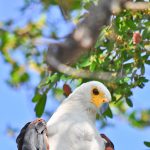
- African fish eagle.
- Herons.
- Egrets.
- Weavers.
- Various sunbirds and other highland birds.
Bird sightings depend on season, habitat and the time spent exploring the lake. Visitors interested in specialised birdwatching can arrange a local guide who understands the area’s bird habitats.
4. Swimming and Relaxation
Lake Bunyonyi has traditionally been promoted as a swimming destination because it is not known for the typical hippo and crocodile hazards associated with some African lakes. However, swimming safety should not be assumed simply from these descriptions.
The lake is deep, and water-quality conditions require attention. In September 2025, Uganda’s Ministry of Water and Environment issued a statement concerning brownish water, unpleasant odours, oily films and low dissolved oxygen levels. The assessment identified concerns involving catchment erosion, sedimentation and waste management.
Before swimming, ask your accommodation provider or local authorities about the latest water conditions and any safety advice. Do not drink untreated lake water, and avoid swimming where water appears discoloured, smells unpleasant or has a visible surface film.
Visitors who prefer not to swim can enjoy lakeside relaxation, scenic views and accommodation facilities overlooking the water.
5. Nature Walks and Hiking
The hills surrounding Lake Bunyonyi offer opportunities for guided nature walks and community walks. These excursions allow visitors to explore the countryside, observe local farming practices and enjoy panoramic views of the lake.
Depending on the route, walks may pass through cultivated terraces, villages, footpaths and viewpoints overlooking the islands.
A local guide can explain the area’s vegetation, agricultural activities and cultural history. Travellers should wear comfortable walking shoes because some paths are steep and can become slippery after rainfall.
6. Cultural and Community Experiences
Communities around Lake Bunyonyi are predominantly associated with the Bakiga people, whose culture and traditions are an important part of southwestern Uganda’s heritage.
A community visit may introduce travellers to traditional farming, local food, crafts, music, dance and everyday life around the lake.
Visitors can also learn about traditional ironworking and other local skills where community-led experiences are available.
For a meaningful visit, choose activities organised with local residents and ask permission before photographing people, homes or cultural events.
7. Photography and Scenic Viewing
Lake Bunyonyi is an excellent destination for landscape photography. Its winding shoreline, terraced hills, scattered islands and changing light create beautiful views throughout the day.
The early morning hours are particularly attractive when mist rises above the lake. Sunset also offers opportunities to photograph the islands and surrounding hills in warm evening light.
Photographers should consider staying at least one night to enjoy different lighting conditions rather than visiting only for a short daytime excursion.
8. Relax at a Lakeside Lodge
Some travellers visit Lake Bunyonyi simply to rest. After long drives, mountain hikes or gorilla trekking, the lake provides a peaceful setting to slow down.
Many accommodation properties are positioned on the mainland or on islands, offering views of the water and surrounding highlands.
Visitors can spend time reading, enjoying local meals, taking short walks or watching birds from the lodge grounds.
Wildlife and Nature Around Lake Bunyonyi
Lake Bunyonyi is better known for its birdlife and scenic landscapes than for large wildlife populations. Its wetlands, islands, cultivated areas and surrounding vegetation support a variety of bird species and smaller animals.
The lake’s bird habitats are particularly attractive to nature lovers. Visitors may encounter kingfishers, herons, egrets, weavers and other water-associated birds.
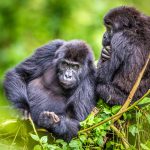
The wider southwestern Uganda region also supports important wildlife habitats, including the forests of Bwindi and Mgahinga. Travellers can combine a stay at Lake Bunyonyi with mountain gorilla trekking, golden monkey tracking and birdwatching in these nearby protected areas.
Best Time to Visit Lake Bunyonyi
Lake Bunyonyi can be visited throughout the year, although weather conditions influence the experience.
Dry Seasons: June to August and December to February
These months are generally favourable for outdoor activities, including canoeing, island visits, nature walks and photography. Roads and walking trails may be easier to navigate during relatively drier conditions.
However, rainfall can occur at any time in this highland region.
Rainy Seasons: March to May and September to November
Rainfall is more frequent during these periods. The surrounding hills can become particularly green, creating attractive scenery for photographers.
Travellers should allow additional time for road transfers and outdoor activities because rain can make some routes slippery.
Recommendation: June to August and December to February are generally convenient periods for combining Lake Bunyonyi with gorilla trekking and other outdoor activities. Nevertheless, the destination remains attractive throughout the year.
Where to Stay at Lake Bunyonyi
Lake Bunyonyi has a selection of accommodation ranging from luxury lodges to mid-range hotels, budget properties and community-oriented accommodation.
Some properties are located along the mainland shoreline, while others occupy islands and provide a quieter setting.
Examples of accommodation to consider include:
Luxury Accommodation
- BirdNest Resort: A lakeside property known for its views and relaxed setting.
- Arcadia Lodges: Offers accommodation overlooking the lake and surrounding highlands.
- Heritage Lodge: An island-based accommodation option associated with Lake Bunyonyi.
Mid-Range Accommodation
- Bunyonyi Overland Resort: A popular option for travellers seeking lakeside accommodation and access to lake activities.
- Lake Bunyonyi Eco Resort: Offers a range of activities, including canoeing, boat trips, birdwatching and community experiences.
- Lake Bunyonyi Rock Resort: An accommodation option in the wider lakeside area.
Budget Accommodation
- Amasiko Homestay: A community-oriented accommodation option for visitors interested in a quieter local experience.
- Bunyonyi Overland Resort: Depending on the room or camping option selected, it may also suit travellers with more modest budgets.
- Local guesthouses around Kabale: Useful for visitors who prefer to stay in town and travel to the lake for activities.
Accommodation facilities, room categories and operating arrangements can change. Confirm availability, services and current rates directly before travelling.
How to Get to Lake Bunyonyi
Travellers can reach Lake Bunyonyi by road from Kampala, Entebbe, Kigali and other destinations in southwestern Uganda.
From Kampala or Entebbe
The journey from Kampala to Lake Bunyonyi is approximately 410–420 kilometres, depending on the route and final accommodation location. Travellers generally pass through Masaka, Mbarara and Kabale before continuing to the lake.
The drive can take approximately 7–9 hours or longer depending on traffic, road conditions and stops.
Visitors travelling from Entebbe can first connect to Kampala or join the southwestern route directly.
From Bwindi Impenetrable National Park
Lake Bunyonyi is a popular extension to gorilla trekking safaris in Bwindi. Travel time depends on the trekking sector and lodge location.
Travellers from the southern sectors, including Rushaga and Nkuringo, may find the lake a convenient next stop. Transfers from Buhoma in northern Bwindi generally take longer.
A private safari vehicle is the most convenient option, especially when combining the lake with other destinations.
From Mgahinga Gorilla National Park
Visitors trekking gorillas or tracking golden monkeys in Mgahinga can include Lake Bunyonyi in their itinerary. The journey usually involves travelling through the Kisoro area towards Kabale and the lake.
From Kigali, Rwanda
Travellers coming from Kigali can reach Lake Bunyonyi through the Katuna border crossing, subject to immigration requirements and border operating arrangements.
This route is useful for visitors planning a Rwanda–Uganda safari, including gorilla trekking in Bwindi or Mgahinga.
Check current visa and entry requirements before crossing the border.
Combining Lake Bunyonyi with Gorilla Trekking
Lake Bunyonyi is an excellent addition to a Uganda gorilla trekking safari. After spending time hiking through the forest in search of mountain gorillas, visitors can relax beside the lake and enjoy a different side of Uganda’s natural beauty.
A combined itinerary may include:
- Gorilla trekking in Bwindi Impenetrable National Park.
- A relaxing stay at Lake Bunyonyi.
- Canoeing and island visits.
- A community or cultural experience.
- Birdwatching and nature walks.
- Golden monkey tracking in Mgahinga Gorilla National Park, if included in the route.
The lake is particularly useful for travellers who want to balance physically demanding activities with time for relaxation.
Suggested 3-Day Lake Bunyonyi Safari
Day 1: Transfer to Lake Bunyonyi
Depart from Kampala, Entebbe, Bwindi or another agreed starting point and travel towards southwestern Uganda.
Upon arrival, check in at your selected lakeside accommodation. Depending on arrival time, enjoy a relaxed afternoon overlooking the lake.
In the evening, enjoy dinner and an overnight stay.
Day 2: Canoeing, Island Exploration and Community Visit
After breakfast, take a guided canoe or boat excursion to explore some of Lake Bunyonyi’s notable islands.
Learn about the history of Akampene, visit Bwama where appropriate and enjoy the surrounding scenery.
In the afternoon, participate in a guided community walk or birdwatching excursion. Return to your lodge for dinner and relaxation.
Day 3: Morning Views and Departure
Enjoy breakfast with views of the lake. Depending on your onward itinerary, take a short nature walk or relax at the lodge before departing.
You can continue to Kampala, Kigali, Bwindi, Mgahinga or another destination in southwestern Uganda.
Travel Tips for Visiting Lake Bunyonyi
To enjoy a comfortable and responsible visit, consider the following advice:
- Carry warm clothing: The lake is situated in a highland region where mornings and evenings can be cool.
- Bring comfortable walking shoes: Some accommodation properties and community trails are located on steep hillsides.
- Use experienced canoe guides: Local guides can explain the history of the islands and help you navigate the lake.
- Check water conditions: Seek current local advice before swimming, particularly in light of the water-quality concerns reported in 2025.
- Carry cash: Some community activities and smaller service providers may not accept electronic payments.
- Respect local communities: Ask permission before taking photographs and follow guidance during cultural visits.
- Book accommodation in advance: This is particularly important during busy gorilla trekking and holiday seasons.
- Protect the environment: Avoid littering, use accommodation providers with responsible waste-management practices and respect the lake’s natural habitats.
Responsible Tourism and Conservation at Lake Bunyonyi
Lake Bunyonyi is an important natural resource for the communities living around its shores. It supports tourism, fishing, local transport and other livelihood activities.
However, its environment faces pressures associated with soil erosion, agricultural runoff, poor waste management and development around the shoreline. Uganda’s Ministry of Water and Environment highlighted these concerns in its September 2025 statement on the lake’s water-quality changes.
Visitors can support responsible tourism by choosing accommodation providers that manage waste appropriately, supporting local guides and purchasing locally made products.
Protecting the lake also requires cooperation between residents, tourism businesses, government agencies and visitors. Responsible travel helps maintain the landscape and supports the communities whose livelihoods are connected to the lake.
Frequently Asked Questions About Lake Bunyonyi
1. Where is Lake Bunyonyi found?
Lake Bunyonyi is located in southwestern Uganda, between the districts of Kabale and Rubanda, approximately 7 kilometres west of Kabale town.
2. Why is Lake Bunyonyi called the Place of Many Little Birds?
The name Bunyonyi is commonly translated as the Place of Many Little Birds, reflecting the area’s rich birdlife.
3. How many islands are found on Lake Bunyonyi?
Lake Bunyonyi is commonly described as having 29 islands. These include Akampene, also known as Punishment Island, Bwama and Bushara.
4. What is the deepest point of Lake Bunyonyi?
Published depth figures differ. The IGAD Groundwater Information System, drawing on Uganda’s Department of Water Resources Management data, lists a maximum depth of approximately 44 metres and a mean depth of 21 metres. Popular tourism descriptions sometimes repeat a much greater figure of 900 metres, which should not be presented as an established measurement.
5. Can visitors swim in Lake Bunyonyi?
Swimming has traditionally been promoted as an activity at Lake Bunyonyi. However, visitors should seek current local water-quality and safety advice before entering the lake. The Ministry of Water and Environment reported water-quality concerns in September 2025.
6. What is Punishment Island?
Punishment Island, locally known as Akampene, is a small island associated with the historical practice of abandoning unmarried pregnant girls there. It is now visited as a historical landmark and reminder of painful past traditions.
7. What activities can visitors enjoy at Lake Bunyonyi?
Popular activities include canoeing, island-hopping, birdwatching, community visits, nature walks, photography and lakeside relaxation.
8. How many days should I spend at Lake Bunyonyi?
One or two nights are suitable for many travellers. A three-day stay allows more time for canoeing, island exploration, cultural activities and relaxation.
9. Can Lake Bunyonyi be combined with gorilla trekking?
Yes. Lake Bunyonyi can be combined with gorilla trekking in Bwindi Impenetrable National Park or Mgahinga Gorilla National Park. It is an excellent place to relax before or after a trekking experience.
10. What is the best time to visit Lake Bunyonyi?
June to August and December to February are generally favourable for outdoor activities. However, the lake can be visited throughout the year, and weather conditions vary.
Plan Your Lake Bunyonyi Holiday with Epic Uganda Vacation
Lake Bunyonyi is a rewarding destination for travellers seeking beautiful scenery, peaceful accommodation, birdwatching and authentic cultural experiences in southwestern Uganda. Its location also makes it an excellent addition to gorilla trekking holidays in Bwindi and Mgahinga.
At Epic Uganda Vacation, we can help you include Lake Bunyonyi in a personalised Uganda safari, combining canoeing and island exploration with gorilla trekking, golden monkey tracking, nature walks and other regional attractions.
Whether you are planning a short lakeside escape or a longer Uganda and Rwanda holiday, contact our team to discuss an itinerary that matches your travel dates, interests and budget.
Plan your Lake Bunyonyi holiday: https://www.epicugandavacation.com/contact-us/