Tarangire River, Tanzania – Wildlife, Activities and Safari Guide
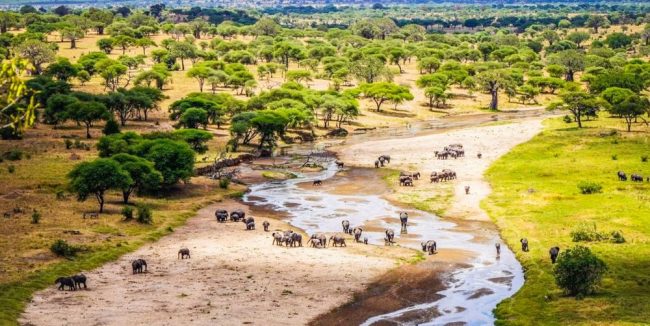
The Tarangire River is one of the most important natural features of Tarangire National Park in northern Tanzania. Flowing through the park’s beautiful savannah landscapes, acacia woodlands and baobab-dotted plains, the river provides a vital source of water for wildlife, particularly during the dry season.
Tarangire National Park is famous for its large elephant herds, diverse birdlife and seasonal wildlife movements. The river plays a central role in this ecosystem by attracting animals from surrounding areas when seasonal water sources become scarce. Elephants, buffaloes, zebras, wildebeest and different antelope species can be seen around the river and its associated habitats.
For travellers exploring northern Tanzania, a game drive along the Tarangire River offers excellent opportunities for wildlife viewing, birdwatching and photography. The experience becomes particularly rewarding between June and October, when animals increasingly depend on the river and permanent wetlands for water.
At Epic Uganda Vacation, we include Tarangire River in our northern Tanzania safari experiences, combining wildlife viewing with visits to other attractions such as Silale Swamp, baobab landscapes, Lake Manyara and Ngorongoro Crater.
Where Is the Tarangire River Located?
The Tarangire River is located in northern Tanzania and flows through Tarangire National Park in the Manyara Region. The river is a defining geographical feature of the park, which covers approximately 2,850 square kilometres.
The river is fed by seasonal sand rivers originating in the eastern and south-eastern parts of the park. It flows northwards through Tarangire before emptying into Lake Burunge. Along its course, it is connected with important wetland areas, including Silale, Gurusi and Larmakau swamps.
These associated swamps and the river’s water sources are essential to the survival of wildlife during dry periods. They provide water and support vegetation that attracts both resident and migratory animals.
The river is also central to the identity of the national park. The name Tarangire itself comes from the river that crosses the protected area.
Why Is the Tarangire River Important?
The Tarangire River is a lifeline for wildlife in an ecosystem characterised by seasonal rainfall and changing water availability.
During the rainy months, water becomes available across a wider area of the surrounding landscape. However, as the dry season progresses, temporary water sources disappear, encouraging wildlife to move towards more dependable sources.
The Tarangire River and its associated permanent swamps become particularly important during this period.
1. A Vital Water Source for Wildlife
The river provides water for elephants, buffaloes, zebras, wildebeest and numerous other animals.
Large herds may gather along its banks to drink, particularly during the late dry season. This concentration of wildlife creates rewarding game-viewing opportunities for visitors exploring the park.
2. Supports Seasonal Wildlife Movements
Tarangire is part of a wider ecosystem that extends beyond the national park into the Maasai Steppe and surrounding plains.
Animals move between these areas according to rainfall, grazing conditions and water availability. During the dry season, many move into Tarangire to access the river and associated wetlands. When the rains return, some disperse into surrounding seasonal grazing areas.
This seasonal movement is an important ecological process that supports wildlife populations across the wider landscape.
3. Provides Habitat for Aquatic and Terrestrial Wildlife
The river and its surrounding vegetation support different forms of wildlife. Riverine habitats provide shelter and feeding opportunities for birds and smaller animals, while the surrounding grasslands and woodlands support larger herbivores and predators.
The combination of habitats contributes to Tarangire’s ecological diversity.
4. Supports Birdlife
The river and surrounding floodplains are important bird habitats. Wetland areas attract wading birds, while open woodland and grassland support raptors, ground-dwelling birds and other species.
This makes the Tarangire River an interesting destination for birdwatchers as well as general wildlife travellers.
Wildlife to See Along the Tarangire River
Tarangire River is among the best areas in the park to look for wildlife, especially during the dry season.
African Elephants
<escape>African elephants are among the most recognisable animals in Tarangire National Park. The park is particularly famous for its large elephant herds, which can be encountered along the river and in surrounding woodland.</escape>
Visitors may observe elephants drinking, bathing, feeding on vegetation and interacting within family groups. The dry season often provides excellent opportunities to see these impressive animals near water sources.
African Buffaloes
Buffaloes are another species that may be seen around the Tarangire River. They often move in herds and depend on reliable water sources, particularly during dry conditions.
They can be observed grazing near the riverbanks or moving through nearby grassland and woodland.
Zebras
Zebras are common herbivores in Tarangire’s open landscapes. They may approach the river to drink and can be seen grazing in the surrounding plains.
Wildebeest
Wildebeest are part of the wider seasonal wildlife movements within the Tarangire ecosystem. During the dry season, they may move towards the park in search of water and grazing opportunities.
Giraffes
Giraffes can be spotted in Tarangire’s woodland and open savannah. They feed on leaves from acacia trees and other vegetation and may be seen moving through the landscape near the river.
Lions
Lions inhabit Tarangire National Park and may be encountered during game drives along the river and in nearby habitats. They often rest in shaded areas during the heat of the day and become more active during cooler hours.
Leopards
Leopards are present in the park but are more difficult to spot because of their elusive behaviour and preference for concealed habitats. Visitors may occasionally encounter them resting in trees or moving through riverine vegetation.
Other Wildlife
Other animals that may be encountered during a Tarangire River safari include impalas, waterbucks, warthogs, baboons, vervet monkeys and different antelope species.
Wildlife sightings depend on season, location and animal movements. No sighting is guaranteed.
Things to Do Along the Tarangire River
1. Enjoy a Game Drive Along the River
A game drive is the main activity for visitors exploring the Tarangire River.
With an experienced safari guide, travellers can follow designated park roads and look for animals gathering near the water. The guide can explain animal behaviour, identify different species and provide information about the park’s ecology.
Early-morning and late-afternoon drives are particularly attractive because temperatures are generally cooler and many animals are active.
2. Watch Elephants Drinking and Bathing
Watching elephants around the Tarangire River is one of the memorable experiences of a Tanzania safari.
Depending on conditions, visitors may see family groups approaching the river, drinking water, bathing or using their trunks to collect vegetation.
Elephants should always be observed from a safe distance, and visitors must follow their guide’s instructions.
3. Enjoy Birdwatching
The river and its surrounding wetlands provide important habitats for resident and migratory birds.
Birdwatchers can look for:
- African fish eagles.
- Grey herons.
- Yellow-billed storks.
- Open-billed storks.
- African spoonbills.
- Crowned cranes.
- African jacanas.
- Different kingfisher species.
- Secretary birds in the wider grassland environment.
Tarangire National Park is recognised for its exceptional bird diversity, with more than 550 recorded species according to Tanzania National Parks Authority information.
4. Enjoy Wildlife Photography
The Tarangire River offers excellent opportunities for wildlife photography, especially when animals gather around its banks.
Elephants drinking, buffaloes grazing and birds feeding along the water provide interesting photographic subjects.
The surrounding baobab trees and riverine vegetation also create attractive landscape compositions.
Visitors should take photographs from their safari vehicles or authorised viewing locations without disturbing animals.
5. Explore the Riverine Landscape
The river is surrounded by a mixture of vegetation, including riverine woodland, open grassland and acacia trees.
Exploring this landscape gives visitors a better understanding of how water influences wildlife distribution in Tarangire.
A knowledgeable guide can explain the relationship between the river, seasonal rainfall and the movement of animals across the ecosystem.
6. Enjoy a Picnic During a Game Drive
Visitors can arrange a packed lunch at an authorised picnic site during a full-day game drive.
Some picnic areas provide opportunities to enjoy the natural scenery while taking a break from wildlife viewing. Matete and Silale are among the picnic locations associated with Tarangire’s river and wetland landscape.
The exact picnic stop depends on the route, available facilities and park regulations. Visitors should never leave designated picnic areas to approach wildlife.
Best Time to Visit the Tarangire River
Tarangire River can be visited throughout the year, but wildlife concentrations change with rainfall and seasonal water availability.
June to October – Dry Season
The dry season is generally the most rewarding period for wildlife viewing along the river.
As seasonal water sources dry up, animals move towards permanent water sources. The Tarangire River and associated swamps attract elephants, buffaloes, zebras, wildebeest and other herbivores.
Vegetation also becomes less dense in many areas, making it easier to spot animals.
July to October is particularly attractive for travellers hoping to observe large concentrations of wildlife.
November to December – Short Rains
The short rains bring fresh vegetation and improve water availability across parts of the wider ecosystem.
Some animals begin dispersing from the park into surrounding grazing areas. However, resident wildlife remains, and visitors can enjoy greener landscapes and seasonal birdlife.
January to February – Warm and Relatively Dry Period
These months can provide good opportunities for wildlife viewing, depending on rainfall and local conditions.
The river remains an important part of the ecosystem, while surrounding vegetation and water availability influence where animals are found.
March to May – Long Rains
The long rains transform Tarangire’s landscape, bringing fresh grass and water to seasonal habitats.
Wildlife becomes more widely distributed, and some park roads may become difficult to navigate after heavy rainfall.
This period can be attractive for travellers who prefer greener scenery and fewer visitors, but game viewing may require more time and flexibility.
Best overall recommendation: Visit between June and October for the strongest opportunities to observe wildlife concentrating around the Tarangire River and associated wetlands.
Tarangire River and the Seasonal Wildlife Migration
Tarangire National Park is part of a larger ecological system that extends into the Maasai Steppe and Simanjiro Plains.
Unlike the famous Serengeti wildebeest migration, the seasonal movements around Tarangire are driven largely by rainfall, grazing conditions and access to water.
During the wet season, many animals disperse into surrounding areas where fresh grass is available. As these areas become drier, animals move towards the Tarangire River and other dependable water sources.
The river therefore plays an important role in supporting the seasonal concentration of wildlife inside the park.
This movement also demonstrates why conservation must extend beyond national park boundaries. Wildlife depends on connected landscapes, seasonal grazing areas and migration routes outside protected areas.
Other Attractions Near the Tarangire River
A visit to the river can be combined with other attractions in Tarangire National Park.
Silale Swamp
Silale Swamp is an important wetland in the park, connected to the wider Tarangire river system.
It provides habitat for elephants, buffaloes and numerous bird species. During the dry season, the swamp can remain an important source of water and vegetation when surrounding areas become dry.
Matete Picnic Site
Matete Picnic Site is one of the recognised picnic locations in Tarangire. It provides an opportunity for safari visitors to stop for lunch during their game drives.
Visitors should confirm current access and facilities with their safari guide or park authority.
Baobab Trees
Tarangire is famous for its impressive baobab trees, which characterise much of the park’s savannah landscape.
These distinctive trees provide shelter and feeding opportunities for different species. They are also among the most photographed natural features of the park.
Gurusi and Larmakau Swamps
These wetlands form part of the wider network of swamp habitats associated with the Tarangire River. They contribute to the park’s ecological diversity and provide important seasonal habitats for wildlife.
How to Get to the Tarangire River
The Tarangire River is accessed through Tarangire National Park in northern Tanzania.
From Arusha
Tarangire National Park is approximately 118 kilometres south-west of Arusha. The journey normally takes around two to three hours, depending on the entrance gate, road conditions and traffic.
After entering the park, visitors continue with a game drive along designated roads towards the river area.
From Kilimanjaro International Airport
Travellers arriving at Kilimanjaro International Airport can transfer to Arusha and continue by road to Tarangire National Park.
The journey is usually arranged as part of a private safari package.
By Domestic Flight
Visitors can also use scheduled or charter flights to airstrips serving Tarangire National Park, including Kuro Airstrip. From the airstrip, a safari vehicle and guide provide access to wildlife-viewing areas.
Flight availability and schedules should be confirmed before booking.
Where to Stay During a Tarangire River Safari
Visitors exploring the Tarangire River can stay inside the national park or in accommodation around its boundaries.
Luxury Accommodation
Travellers looking for an exclusive safari experience can consider properties such as:
- Oliver’s Camp.
- Tarangire Safari Lodge.
- Tarangire Sopa Lodge.
- Other luxury tented camps operating in the wider Tarangire area.
Mid-Range Accommodation
Mid-range options may include:
- Tarangire Simba Lodge.
- Sangaiwe Tented Lodge.
- Other lodges and tented camps around the park boundary.
Budget Accommodation
Budget travellers can consider campsites and more affordable lodges in areas around Tarangire, Mto wa Mbu and the wider Lake Manyara region.
Before booking, confirm the property’s location, park access arrangements, meals, transfers and whether it is convenient for your planned game-drive route.
Responsible Wildlife Viewing Along the Tarangire River
The Tarangire River is essential to wildlife and the surrounding ecosystem. Responsible safari practices help protect the animals and their habitats.
Visitors should:
- Maintain a safe distance from wild animals.
- Never feed wildlife.
- Avoid blocking animals’ access to water.
- Stay within authorised park roads.
- Follow the guide’s instructions at all times.
- Avoid littering or leaving food waste.
- Keep noise to a minimum around wildlife.
- Never get out of the vehicle except in authorised areas.
Responsible wildlife viewing helps ensure that the Tarangire River remains an important habitat for future generations.
Why Visit the Tarangire River with Epic Uganda Vacation?
Epic Uganda Vacation arranges tailor-made Tanzania safaris, including wildlife experiences in Tarangire National Park.
Although our company is based in Uganda, we work with Tanzania-based guides and local partners who have firsthand knowledge of the country’s wildlife destinations, landscapes and communities.
When arranging your Tarangire safari, we can include game drives along the river, visits to Silale Swamp, baobab landscapes and other wildlife-viewing areas, depending on the time available and prevailing conditions.
Our approach includes:
- Personalised safari itineraries.
- Experienced Tanzania-based guides.
- Private 4×4 safari arrangements.
- Flexible accommodation options.
- Opportunities to combine wildlife and cultural experiences.
- Responsible tourism and community participation.
We believe that tourism should contribute positively to the communities neighbouring conservation areas and encourage their participation in protecting natural heritage for generations to come.
Frequently Asked Questions About Tarangire River
1. Where is Tarangire River located?
Tarangire River flows through Tarangire National Park in northern Tanzania’s Manyara Region. It is one of the park’s most important natural features.
2. Why is Tarangire River important?
The river provides an important source of water for wildlife, particularly during the dry season when seasonal water sources disappear across the wider ecosystem.
3. What animals can I see along Tarangire River?
Visitors may see elephants, buffaloes, zebras, wildebeest, giraffes, antelopes and different bird species. Lions and leopards inhabit the wider area.
4. When is the best time to visit Tarangire River?
June to October is generally the best period for concentrated wildlife viewing because animals gather around dependable water sources.
5. Can I see elephants along Tarangire River?
Yes. Tarangire is famous for its large elephant herds, and elephants are frequently encountered around the river, especially during the dry season.
6. Is Tarangire River permanent?
The river and its associated water sources are important during the dry season. However, its flow and water levels change with rainfall and seasonal conditions.
7. Can I have a picnic near Tarangire River?
Yes. Visitors can plan a picnic stop at authorised picnic sites during a game drive. Always follow park regulations and your guide’s instructions.
8. Is Tarangire River good for birdwatching?
Yes. The river and associated wetlands support many bird species, including wading birds, waterbirds and raptors.
9. Can I combine Tarangire River with Silale Swamp?
Yes. Both are important parts of the park’s wider wetland and river ecosystem and can be included in a suitable game-drive route.
10. How many days do I need to explore Tarangire River?
A full-day safari can include the river and other park attractions. A two-day visit allows more time to explore different habitats and wildlife areas.
11. Is Tarangire River close to Arusha?
Tarangire National Park is approximately 118 kilometres south-west of Arusha. The river is reached after entering the park and continuing on a game drive.
12. Can I visit Tarangire River throughout the year?
Yes. The river can be included in safaris throughout the year, although wildlife concentrations and road conditions vary by season.
Book Your Tarangire River Safari with Epic Uganda Vacation
Discover the wildlife and landscapes of northern Tanzania with a visit to Tarangire River. Observe elephants and other wildlife around an important water source, enjoy birdwatching and explore the park’s beautiful baobab-dotted savannah.
Whether you are planning a one-day Tarangire excursion or a longer safari combining Tarangire, Lake Manyara, Ngorongoro Crater and Serengeti National Park, Epic Uganda Vacation can help arrange a personalised holiday.
Contact Epic Uganda Vacation to start planning your Tanzania safari.