Kogatende Airstrip: Flights, Location and Northern Serengeti Safari Guide
Introduction to Kogatende Airstrip
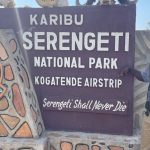
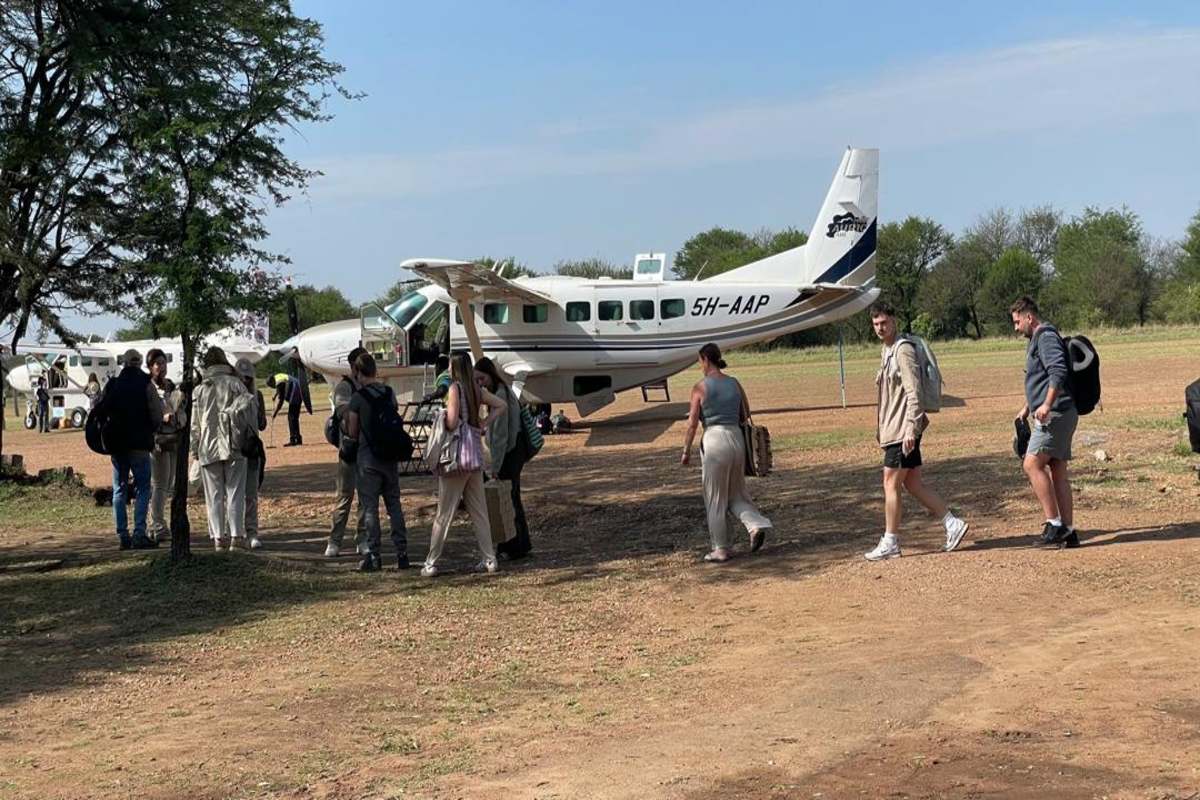
Kogatende Airstrip is an important gateway to the northern section of Serengeti National Park in Tanzania. Located in a wildlife-rich region near the Mara River, it provides convenient access to some of East Africa’s most sought-after safari experiences, including seasonal movements of wildebeest and zebras, spectacular landscapes, and exceptional opportunities to observe African wildlife.
For travelers planning a Tanzania safari, flying into Kogatende Airstrip can reduce the time spent traveling overland and provide more opportunities to explore the northern Serengeti. The region is particularly popular during the Great Wildebeest Migration, when large herds move through the northern Serengeti ecosystem and may cross the Mara River.
Kogatende also provides access to remote safari camps and lodges, making it an appealing option for honeymooners, wildlife photographers, luxury safari travelers, and visitors seeking an immersive wilderness experience.
At Epic Uganda Vacation, we understand that planning an African adventure involves choosing the right destinations, transportation, and accommodation. Whether you are organizing a Tanzania wildlife safari or combining the Serengeti with gorilla trekking and wildlife experiences in Uganda, understanding Kogatende Airstrip can help you create a well-coordinated East African holiday.
Where Is Kogatende Airstrip Located?
Kogatende Airstrip is located in the northern part of Serengeti National Park, within the wider Mara River region of northern Tanzania. The surrounding landscape consists of open savannah, rolling hills, river valleys, and habitats that support a diverse range of wildlife.
Its location makes it especially useful for travelers staying in northern Serengeti safari camps, including properties around the Kogatende and Lamai areas.
Unlike Seronera Airstrip, which serves the central Serengeti, Kogatende is positioned for visitors who want to explore the northern part of the ecosystem.
The northern Serengeti is also close to Kenya’s Maasai Mara ecosystem across the international border. Although the wildlife ecosystem extends across both countries, crossing the border requires the appropriate immigration procedures and travel arrangements.
Kogatende Airstrip at a Glance
-
- Country: Tanzania.
-
- Region: Northern Serengeti.
-
- Location: Near the Mara River and northern Serengeti safari areas.
-
- Commonly used IATA code: KOG.
-
- Main purpose: Domestic safari flights and charter services.
-
- Primary attraction: Access to northern Serengeti wildlife and seasonal Great Migration viewing.
-
- Main onward transport: Pre-arranged safari vehicle transfers.
-
- Best-known travel period: Generally July to October for potential Mara River crossing experiences, depending on wildlife movements.
Kogatende is a bush airstrip rather than a major international airport. Most international visitors arrive through a suitable Tanzanian or regional gateway before connecting to a domestic safari flight.
Why Is Kogatende Airstrip Important for Serengeti Safaris?
Kogatende is particularly valuable for travelers who want to explore the northern Serengeti without spending a substantial part of their holiday on a long road transfer.
1. Access to the Great Wildebeest Migration
One of the main reasons travelers choose Kogatende is its location near areas used by migrating wildebeest and zebras.
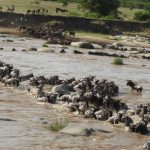
The Great Wildebeest Migration is a large-scale, seasonal movement of grazing animals across the Serengeti ecosystem and into Kenya’s Maasai Mara. As the herds move in search of fresh grazing and water, the northern Serengeti can become an important destination for wildlife enthusiasts.
During favorable periods, visitors may witness large herds gathering near the Mara River. Some animals attempt to cross the river, creating dramatic wildlife scenes.
However, the migration is a natural phenomenon, not a scheduled event. Herd movements and river crossings depend on rainfall, grazing conditions, animal behavior, and other environmental factors. No safari operator can guarantee a crossing on a particular day.
2. Convenient Access to Northern Serengeti Lodges
The northern Serengeti has a selection of safari lodges and tented camps that serve travelers interested in remote wilderness experiences.
Flying into Kogatende can simplify access to these properties, particularly when the accommodation is a considerable distance from the central Serengeti.
Your lodge or tour operator can usually coordinate an onward transfer, subject to the booking arrangements. Some transfers include wildlife viewing along the route.
3. More Time for Wildlife Viewing
Traveling by air can reduce the time spent on long road journeys between destinations.
This is particularly beneficial for visitors on shorter itineraries who want to maximize time for game drives, photography, and wildlife observation.
A fly-in safari can also be convenient for travelers combining the northern Serengeti with other Tanzanian destinations.
4. Access to a Diverse Wildlife Habitat
Although the Great Migration attracts considerable attention, northern Serengeti is more than a seasonal migration destination.
Its grasslands, riverine forests, rocky areas, and open plains support resident wildlife throughout the year. Depending on the location and season, visitors may encounter lions, leopards, elephants, giraffes, buffaloes, antelopes, and many bird species.
Flights to Kogatende Airstrip
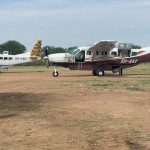
Domestic safari flights are one of the most convenient ways to reach Kogatende Airstrip.
Scheduled services and charter arrangements may connect the northern Serengeti with Arusha, Kilimanjaro, and other safari destinations. The routes and operating days depend on the airline, season, and current timetable.
Airlines that have served Tanzania’s safari-flight network include Coastal Aviation, Auric Air, and Regional Air Services. Confirm the specific Kogatende route and operating schedule directly with the airline or your tour operator.
Flights From Arusha to Kogatende
Arusha is a major starting point for northern Tanzania safaris and is commonly used for connecting to Serengeti airstrips.
Depending on the service booked, the flight may be direct or include stops at other airstrips to collect and drop off passengers.
Flying from Arusha is a practical option for travelers who want to avoid a lengthy overland journey and arrive closer to their northern Serengeti accommodation.
Flights From Kilimanjaro International Airport
Kilimanjaro International Airport (JRO) is an important international gateway for travelers visiting northern Tanzania.
Some safari flight arrangements connect Kilimanjaro with the Serengeti, but services and departure times vary. In some cases, an overnight stay or transfer to Arusha Airport may be necessary.
If you arrive on an international flight, confirm your connection carefully before booking. Separate tickets may not provide protection if a delayed international arrival causes you to miss a domestic safari flight.
Connecting From Other Serengeti Airstrips
Kogatende can also form part of a multi-region safari.
For example, you may combine central Serengeti wildlife viewing with a northern Serengeti stay during the migration season. Flights between airstrips can help reduce overland travel, although schedules and availability must be checked for your dates.
How Long Does It Take to Fly to Kogatende?
Flight duration depends on your departure point, aircraft, weather, and any intermediate stops.
Flights from Arusha generally take around one to two hours, depending on routing and the service selected. Some itineraries include additional stops.
These are planning estimates, not guaranteed flight times. Always use the schedule provided for your specific booking.
Important: Domestic safari flights often use small aircraft with strict baggage restrictions. Confirm the permitted weight, bag dimensions, check-in time, and any additional charges before departure.
For route information, consult the official booking resources of Regional Air Services and the relevant airline.
What to Expect When Arriving at Kogatende Airstrip
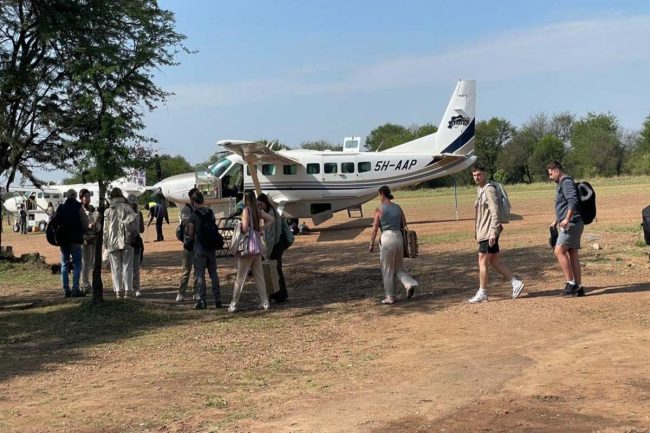
Arriving at Kogatende is different from arriving at a large commercial airport.
The airstrip is designed to serve safari passengers, and the surrounding environment reflects the remote character of the northern Serengeti.
Arrival Procedures
After landing, follow the instructions provided by your airline and safari operator. Your driver-guide or camp representative will normally meet you if a transfer has been arranged.
Depending on your accommodation, the onward journey may take you through open plains and other wildlife habitats.
Wildlife can sometimes be spotted during the transfer, but sightings depend on conditions and should not be treated as guaranteed game drives.
Facilities at Kogatende Airstrip
Kogatende is a bush airstrip, so facilities are more limited than those at a major international airport.
Travelers should arrange flights, transfers, accommodation, and special requirements in advance. Do not rely on the availability of extensive dining, shopping, or passenger services.
Airstrip Transfers
The transfer time depends on where your lodge or camp is located.
Some northern Serengeti properties are relatively close to Kogatende, while others may require a longer drive. Ask your accommodation provider for the expected transfer time and whether the cost is included in your safari package.
Best Time to Visit Kogatende Airstrip
Kogatende is accessible for safari travel during different periods of the year, subject to flight schedules and operating conditions. However, the best time to visit depends on your wildlife interests.
July to October: Popular Migration Season
The period from July to October is widely associated with northern Serengeti safaris and opportunities to observe wildebeest near the Mara River.
During this period, some herds may move through the northern Serengeti and gather near potential crossing points.
August and September are particularly popular with travelers hoping to witness river-crossing behavior. Nevertheless, crossing activity varies from year to year and may not occur during a particular visitor’s stay.
This period can also bring increased demand for flights and accommodation. Early planning is advisable if your travel dates are fixed.
June: Changing Herd Movements
June can be a transition period as wildlife movements shift across the wider Serengeti ecosystem.
Depending on rainfall and herd distribution, some travelers may find northern areas rewarding, while others may prefer a different region.
If your priority is the Mara River, ask your safari planner to assess expected migration movements before choosing Kogatende as your arrival point.
November: Seasonal Changes
November can bring seasonal rainfall and changes in grazing conditions. Wildebeest movements may begin shifting toward other parts of the ecosystem, although the timing is variable.
The northern Serengeti can still provide wildlife-viewing opportunities, including sightings of resident animals.
Travelers should choose their destination according to current conditions rather than assuming the migration will remain in the north.
December to March: Southern Serengeti and Calving Season
The southern Serengeti and the wider Ndutu area become important during the wildebeest calving period, which commonly takes place early in the year.
If witnessing newborn wildebeest is your primary goal, accommodation and flights serving the southern plains may be more appropriate than Kogatende.
The best airstrip is the one that places you closest to your intended wildlife experience.
April to May: Green Landscapes and Seasonal Rains
The long rains can transform the Serengeti into a lush landscape with changing wildlife distribution.
Travel during this period requires attention to road conditions, weather, and flight arrangements. Depending on your interests, a different Serengeti region may offer a more suitable base.
Wildlife Experiences Near Kogatende Airstrip
The northern Serengeti is home to a wide range of wildlife and offers several types of safari experience.
The Great Wildebeest Migration
The migration is the main attraction for many visitors arriving at Kogatende.
Large herds may move through northern Serengeti plains and approach the Mara River. Watching these animals move across the landscape can be a remarkable experience, even when a river crossing does not take place.
Experienced guides help visitors understand animal behavior, follow the herds responsibly, and locate suitable wildlife-viewing areas.
Lions and Other Big Cats
Lions are found throughout the Serengeti ecosystem, including the northern region.
Leopards may be encountered near suitable riverine habitats, while cheetahs and other predators use different parts of the landscape.
Sightings depend on habitat, season, and animal movements.
Elephants and Other Large Mammals
Elephants, buffaloes, giraffes, zebras, and several antelope species inhabit the northern Serengeti.
These animals can be encountered during game drives across the plains, near water sources, and in areas with suitable vegetation.
Crocodiles and Hippos Near the Mara River
The Mara River supports aquatic wildlife, including crocodiles and hippos.
Where conditions permit, visitors may observe these animals from designated and appropriate viewing locations with their guide.
River-crossing areas require particular care. Visitors should remain in their safari vehicles or follow their guide’s instructions and never approach wildlife on foot.
Birdwatching and Photography
The northern Serengeti provides opportunities for birdwatching and wildlife photography.
Photographers can capture landscapes, animal behavior, and the changing colors of the savannah throughout the day.
Early mornings and late afternoons can offer attractive light, although the timing of game drives depends on the safari schedule and park regulations.
Where to Stay Near Kogatende Airstrip
The northern Serengeti offers a selection of permanent lodges and seasonal tented camps. The right choice depends on your budget, preferred level of comfort, travel dates, and the wildlife experience you want.
Examples of accommodation options associated with the wider northern Serengeti include:
-
- Lemala Kuria Hills Lodge: A luxury lodge option in the northern Serengeti region.
-
- Serengeti Bushtops: A luxury tented safari experience associated with the northern Serengeti.
-
- Nomad Tanzania’s Lamai-area camps: Options for travelers seeking a more remote northern Serengeti safari.
-
- Singita Mara River Tented Camp: A high-end safari camp serving the northern Serengeti area.
-
- Kimondo Migration Camp: A seasonal-style safari accommodation option associated with migration-focused travel.
These properties do not all have the same transfer time from Kogatende, and availability or operating arrangements can change.
Before booking, confirm the property’s exact location, operating dates, transfer arrangements, and suitability for your intended wildlife experience.
How to Choose the Right Lodge
Consider the following factors when selecting accommodation:
-
- Migration access: Ask where the herds are expected to be during your stay.
-
- Transfer distance: Confirm how long it takes to reach the property from Kogatende.
-
- Seasonality: Check whether the camp operates on your exact dates.
-
- Included services: Confirm meals, game drives, park fees, and airstrip transfers.
-
- Budget: Compare the full package price rather than the nightly rate alone.
-
- Travel style: Decide whether you prefer a luxury lodge, a traditional tented camp, or a more intimate safari experience.
Kogatende Airstrip vs. Seronera Airstrip
Kogatende and Seronera are both important access points to Serengeti National Park, but they serve different safari regions.
| Feature | Kogatende Airstrip | Seronera Airstrip |
|---|---|---|
| Location | Northern Serengeti | Central Serengeti |
| Main attraction | Northern wildlife areas and potential Mara River crossings | Resident wildlife and central Serengeti game drives |
| Migration focus | Northern herds during the appropriate season | Herds passing through the central region, depending on season |
| Accommodation | Northern Serengeti lodges and camps | Central Serengeti lodges and camps |
| Best suited to | Travelers prioritizing the northern Serengeti | Travelers seeking a central Serengeti safari base |
| Seasonal consideration | Especially popular during the northern migration period | Useful for a broader range of central Serengeti itineraries |
Neither airstrip is the right choice for every traveler.
If your main objective is to explore the northern Serengeti during the Mara River migration season, Kogatende may be a convenient choice. If you prefer a central base with access to resident wildlife and other parts of the park, Seronera may be more appropriate.
Your itinerary should be based on accommodation location, seasonal wildlife distribution, flight availability, and the length of your stay.
Kogatende Airstrip vs. Lamai Airstrip
Lamai Airstrip is another option for accessing the northern Serengeti region.
Both airstrips serve northern safari areas, but their suitability depends on where your accommodation is located.
Before choosing between them, ask your lodge or safari operator:
-
- Which airstrip is closest to your accommodation?
-
- Which flights operate on your travel dates?
-
- What is the expected transfer time?
-
- Are there differences in transfer charges?
-
- Which location best supports your wildlife-viewing plans?
A slightly different flight destination can make a significant difference to the amount of time spent on the road.
How to Plan a Fly-In Safari Through Kogatende Airstrip
A well-organized fly-in safari requires coordination between your flights, accommodation, transfers, and game drives.
Step 1: Choose Your Travel Dates
Decide whether you are primarily interested in the migration season, general wildlife viewing, photography, or a broader Tanzania safari.
If river crossings are important, plan with flexibility and understand that the animals do not follow a fixed timetable.
Step 2: Book Your Accommodation
Choose a lodge or camp that fits your travel dates and preferred wildlife experience.
Check its location relative to Kogatende and confirm whether it is operating during your stay.
Step 3: Arrange Your Domestic Flights
Confirm the departure airport, flight times, baggage limits, routing, and connection requirements.
If you are connecting from an international flight, allow enough time for delays and transfers.
Step 4: Organize Airstrip Transfers
Confirm who will meet you at Kogatende and how you will travel to your accommodation.
Share your final flight details with your camp or tour operator and ask what happens if your flight schedule changes.
Step 5: Plan Your Game Drives
Discuss your interests with your guide. You may prioritize migration viewing, predators, photography, birdwatching, or a combination of wildlife experiences.
Allow enough time in the region to make your visit worthwhile. A short stay can be rewarding, but additional nights provide greater flexibility when wildlife movements are unpredictable.
Step 6: Prepare for Small-Aircraft Travel
Pack according to your airline’s rules. Soft-sided luggage is often required, and baggage limits may be strictly enforced.
Carry important documents, personal medication, and essential items in accordance with your airline’s baggage policies.
Practical Travel Tips for Kogatende Airstrip
Use these recommendations when preparing for your northern Serengeti safari:
-
- Book well in advance: Flights and accommodation can be in high demand during popular migration periods.
-
- Confirm current flight schedules: Routes and departure times can change seasonally.
-
- Check baggage limits: Confirm the exact weight and size restrictions for your airline.
-
- Arrange transfers beforehand: Verify who will meet you at the airstrip and whether the service is included.
-
- Allow connection time: Avoid unnecessarily tight connections between international and domestic flights.
-
- Bring suitable clothing: Early mornings and evenings can be cool, while daytime temperatures may be warm.
-
- Pack sun protection: A hat, sunscreen, and suitable sunglasses can make game drives more comfortable.
-
- Carry binoculars and a camera: These are useful for observing wildlife at a respectful distance.
-
- Follow your guide’s instructions: Never approach wildlife or attempt to leave the vehicle in an unsafe area.
-
- Choose the right region: Match your airstrip and lodge to your preferred activities rather than relying on a general migration calendar.
Combining a Kogatende Safari With a Uganda Holiday
Travelers who want to experience more of East Africa can consider combining a Tanzania safari with a Ugandan wildlife and primate adventure.
Uganda offers a different set of experiences, including mountain gorilla trekking in Bwindi Impenetrable National Park, chimpanzee tracking, birdwatching, and game drives in destinations such as Queen Elizabeth National Park and Murchison Falls National Park.
A combined holiday could include:
-
- Gorilla trekking in Uganda.
-
- Wildlife viewing in Queen Elizabeth National Park.
-
- A visit to Murchison Falls National Park.
-
- A fly-in safari to northern Serengeti through Kogatende Airstrip.
-
- Additional time in other East African destinations, depending on your schedule.
Such an itinerary requires careful planning around regional flight connections, immigration requirements, visa eligibility, gorilla trekking permits, accommodation, and the number of days available.
Travelers should confirm that all flights and transfers connect appropriately before booking.
Epic Uganda Vacation can use its Uganda travel-planning focus to help visitors explore the possibilities of a broader East African holiday. The exact Tanzania services offered should be confirmed directly with the company when requesting a customized itinerary.
Frequently Asked Questions About Kogatende Airstrip
1. Where is Kogatende Airstrip located?
Kogatende Airstrip is in the northern part of Serengeti National Park, Tanzania, near the Mara River region. It serves travelers visiting northern Serengeti safari lodges and camps.
2. What is the airport code for Kogatende Airstrip?
The commonly used IATA code is KOG. Confirm the airport details on your flight booking before departure.
3. Can I fly directly to Kogatende Airstrip?
Domestic safari flights and charter services may connect Kogatende with Arusha, Kilimanjaro, and other destinations. Direct service depends on the airline, route, and travel dates.
4. How long does it take to fly from Arusha to Kogatende?
Flight times are generally around one to two hours, depending on the routing and any intermediate stops. Check the actual schedule for your selected flight.
5. What is Kogatende Airstrip famous for?
Kogatende is particularly well known as an access point for northern Serengeti safaris and potential Great Migration viewing near the Mara River.
6. When is the best time to visit Kogatende?
July to October is a popular period for travelers hoping to see migration herds in the northern Serengeti. The exact timing of the herds and river crossings varies, and wildlife viewing is not guaranteed.
7. Can I see the Great Migration from Kogatende?
Kogatende provides access to areas used by migrating wildebeest and zebras. Whether you see large herds or river crossings depends on their location and behavior during your visit.
8. Which lodges can I access from Kogatende Airstrip?
The airstrip serves several lodges and camps in the northern Serengeti, including properties in the wider Kogatende and Lamai areas. Transfer times and availability vary by accommodation.
9. Is Kogatende Airstrip inside Serengeti National Park?
Kogatende is commonly described as an airstrip within the northern Serengeti park area. Confirm the exact location and any relevant park entry arrangements with your safari operator.
10. Can I combine Kogatende with Seronera?
Yes. A multi-region safari can combine northern and central Serengeti experiences. Depending on your itinerary, you may connect between airstrips by scheduled flight or travel overland.
11. What should I pack for a flight to Kogatende?
Pack soft-sided luggage if required by your airline, and check the precise weight limit before departure. Useful items include layered clothing, sun protection, binoculars, a camera, personal medication, and travel documents.
12. Can I combine a Kogatende safari with gorilla trekking in Uganda?
Yes. A combined Tanzania and Uganda holiday can include northern Serengeti wildlife viewing and gorilla trekking in Uganda. The itinerary must account for regional flights, permits, accommodation, and immigration requirements.
13. How far in advance should I book Kogatende flights?
Booking early is advisable, particularly for travel during the popular migration season. Your preferred flight, camp, and travel dates will determine how much availability remains.
14. Are airport transfers included in the safari package?
Some lodges include airstrip transfers, while others may charge separately. Confirm the terms of your package before making payment.
Conclusion: Begin Your Northern Serengeti Safari at Kogatende Airstrip
Kogatende Airstrip provides a convenient gateway to the northern Serengeti, one of Tanzania’s most exciting wildlife destinations.
Its location near the Mara River makes it particularly appealing to travelers hoping to explore the Great Wildebeest Migration, observe big cats, photograph wildlife, and experience the remote landscapes of northern Tanzania.
However, a successful safari depends on more than choosing an airstrip. Flight schedules, accommodation locations, transfer arrangements, seasonal wildlife movements, and the length of your stay all influence the experience.
For travelers seeking a wider East African adventure, combining the Serengeti with Uganda’s gorilla trekking and wildlife destinations can create a diverse and memorable holiday.
Plan your East African adventure with Epic Uganda Vacation. Contact the team to discuss your Uganda safari plans and explore whether a customized Uganda–Tanzania itinerary fits your travel dates, interests, and budget.