Lake Nabugabo Birding Safari: Discover Uganda’s Hidden Wetland Paradise
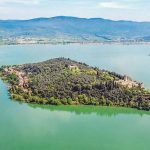
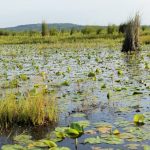
Discover the exceptional birdlife of Lake Nabugabo, Uganda, with Epic Uganda Vacation on a rewarding birdwatching safari near Masaka in southwestern Uganda. Separated from Lake Victoria by a natural sandbar, Lake Nabugabo is a shallow freshwater lake surrounded by extensive wetlands, grass swamps, forest patches, and sandy shores.
For birdwatchers, Lake Nabugabo offers an opportunity to explore one of Uganda’s internationally important wetland ecosystems, search for specialised papyrus birds, and observe migratory species that use the area as a seasonal refuge. Its varied habitats make it an appealing destination for bird photography, nature walks, and specialist Uganda birding tours.
The wider Lake Nabugabo wetland system is recognised as a Wetland of International Importance under the Ramsar Convention and as a Key Biodiversity Area. It is particularly notable for its importance to the Blue Swallow and large seasonal congregations of White-winged Terns.
Whether you are planning a dedicated birding holiday or adding a wetland excursion to a broader Uganda wildlife safari, Epic Uganda Vacation can help you discover the remarkable biodiversity of Lake Nabugabo.
Why Visit Lake Nabugabo for Birdwatching?
Lake Nabugabo lies approximately 20–25 kilometres east of Masaka, depending on the route. The lake is separated from Lake Victoria by a sandbar and surrounding wetland vegetation, creating a distinctive freshwater ecosystem with its own ecological characteristics.
The wider wetland system includes the smaller lakes of Birinzi, Manywa, and Kayugi, together with extensive swamps, grasslands, and patches of forest.
This variety of habitats attracts different bird species throughout the year, making Lake Nabugabo a rewarding destination for both experienced birders and travellers discovering Uganda’s birdlife for the first time.
Highlights of a Lake Nabugabo birding safari include:
-
- Searching for the Blue Swallow during its seasonal presence in Uganda.
-
- Observing large gatherings of White-winged Terns when conditions are favourable.
-
- Looking for Papyrus Gonoleks and other specialised wetland birds.
-
- Exploring wetland margins for kingfishers, herons, egrets, and weavers.
-
- Birdwatching along forest edges and around the lake shoreline.
-
- Discovering a unique wetland ecosystem with significant conservation value.
The combination of open water, swamp vegetation, grassland, and woodland makes Lake Nabugabo particularly interesting for birders seeking a variety of species within one destination.
Birds to Look for on a Lake Nabugabo Birding Safari
1. Blue Swallow
The Blue Swallow is one of the most important bird species associated with the Lake Nabugabo wetland system. This globally threatened species is known for its graceful flight, distinctive dark-blue plumage, and association with montane grasslands during breeding.
Uganda’s wetlands provide important habitat for Blue Swallows during their non-breeding season. Lake Nabugabo has historically been recognised for supporting a significant proportion of the global population at certain times of the year.
For specialist birdwatchers, searching for the Blue Swallow can be a highlight of a Lake Nabugabo birding excursion. Its presence varies seasonally, so planning your visit around its movements and checking recent sightings can improve your chances.
2. White-winged Tern
The White-winged Tern is another major attraction for birdwatchers visiting Lake Nabugabo. These elegant birds are associated with wetlands and shallow freshwater habitats, where they feed on insects and other small prey.
Historical Ramsar documentation identifies Lake Nabugabo as an important site for large congregations of this species, sometimes accounting for a substantial proportion of its global population.
Depending on the season, you may see White-winged Terns flying low over the water, feeding above the wetlands, or gathering in large flocks.
Their numbers can change considerably with migration and local conditions, making seasonal bird records useful when planning a visit.
3. Papyrus Gonolek
The Papyrus Gonolek is a sought-after species for birdwatchers exploring Uganda’s papyrus wetlands.
Its contrasting plumage and distinctive calls make it an exciting bird to search for, although it can remain hidden in dense vegetation for long periods.
At Lake Nabugabo, suitable wetland vegetation provides opportunities to look for this specialised bird. Move slowly along accessible papyrus margins, listen carefully for calls, and allow enough time for observation.
A knowledgeable local birding guide can help distinguish the Papyrus Gonolek from other species inhabiting the same dense vegetation.
4. White-winged Swamp Warbler
The White-winged Swamp Warbler is another species associated with Uganda’s wetland habitats and recorded in the wider Nabugabo area.
This bird is particularly interesting to specialist birders who enjoy searching for species adapted to swamp vegetation.
Careful listening is often as important as visual observation when exploring these habitats. A patient approach also helps minimise disturbance to birds using dense vegetation for shelter and nesting.
5. Papyrus Canary
The Papyrus Canary is another wetland-associated species worth looking for around suitable papyrus habitats.
Birdwatchers may encounter it feeding or moving through vegetation along accessible wetland edges. Its presence adds to the appeal of Lake Nabugabo for birders interested in specialised species and the ecological importance of papyrus swamps.
As with other secretive wetland birds, sightings depend on the location, habitat condition, and season.
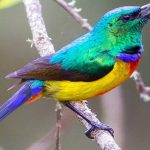
6. Red-chested Sunbird
The Red-chested Sunbird adds colour and variety to the birding experience around Lake Nabugabo.
Sunbirds feed on nectar and small insects and are often observed around flowering plants, shrubs, and woodland edges.
Look for movement among flowering vegetation and listen for calls while exploring the lake’s forest patches and surrounding habitats.
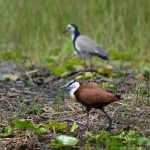
7. Herons, Kingfishers, Cormorants, and Other Waterbirds
Lake Nabugabo’s open water, shallow margins, and surrounding swamps attract a variety of additional birds.
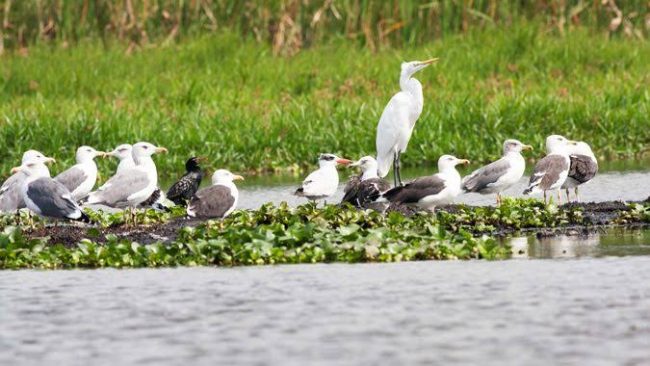
Depending on the time of year and the habitats explored, birdwatchers may encounter herons, egrets, kingfishers, Long-tailed Cormorants, weavers, and other wetland-associated species.
Exploring different parts of the lake helps reveal the diversity of its birdlife, from birds feeding over open water to smaller species moving through reeds and woodland.
Explore the Different Habitats of Lake Nabugabo
One of the greatest advantages of birdwatching at Lake Nabugabo is the variety of habitats within the wider wetland system.
Wetland grasslands: These areas are particularly relevant when searching for seasonal visitors such as the Blue Swallow and other grassland-associated birds.
Papyrus and swamp vegetation: Dense wetland vegetation provides shelter and feeding opportunities for specialised marsh birds, including the Papyrus Gonolek and other swamp specialists.
Open freshwater: The lake attracts terns, cormorants, kingfishers, and other birds that feed on aquatic prey.
Forest patches and woodland edges: These habitats support sunbirds, turacos, hornbills, and other woodland-associated birds that add variety to the birding list.
Sandy shores and the surrounding sandbar: The shoreline provides a different setting for observing birds moving between wetland vegetation, open ground, and the lake.
A guided excursion that explores more than one habitat can provide a richer birding experience than remaining in a single location.
Best Time to Visit Lake Nabugabo for Birding
Lake Nabugabo can be visited throughout the year, but seasonal changes influence the birds you are most likely to encounter.
The Blue Swallow is a particularly important seasonal target, and birders should plan around its non-breeding presence in Uganda. White-winged Tern numbers also vary with migration and changing wetland conditions.
Drier periods can make some access routes easier to navigate, while wetter periods may expand the flooded habitats used by waterbirds. Local rainfall can affect road conditions and access to particular sections of the wetland.
For the best experience, Epic Uganda Vacation recommends:
-
- Checking recent sightings of your target species before travelling.
-
- Allowing time for early-morning birdwatching.
-
- Exploring different habitat types rather than concentrating on open water alone.
-
- Confirming road conditions and local guiding arrangements in advance.
A knowledgeable guide can help tailor your itinerary to your birding interests and the conditions at the time of your visit.
What to Expect on a Lake Nabugabo Birdwatching Tour
A Lake Nabugabo birding safari combines wetland exploration, bird photography, and the opportunity to learn about one of Uganda’s distinctive freshwater ecosystems.
Depending on your itinerary and local arrangements, your excursion may include:
-
- Early-morning birdwatching along accessible wetland edges.
-
- Searching for Blue Swallows and specialised papyrus birds.
-
- Observing terns, cormorants, kingfishers, and other waterbirds.
-
- Exploring suitable forest patches for woodland species.
-
- Photographing birds and recording sightings on your personal checklist.
-
- Learning about the conservation challenges facing the Nabugabo wetland system.
Bring binoculars, a camera with a suitable telephoto lens, comfortable walking shoes, sun protection, insect repellent, and drinking water.
Boat or canoe-based birding may be possible through local operators, depending on availability and conditions. Any water-based activity should be arranged with appropriate safety equipment and experienced local guidance.
Combine Lake Nabugabo with Other Uganda Birding Destinations
Lake Nabugabo’s location near Masaka makes it a useful destination to consider when planning a wider birdwatching itinerary through southwestern Uganda.
Nabajjuzi Wetland
Nabajjuzi Wetland, also near Masaka, offers additional opportunities to explore papyrus habitats and search for specialised wetland birds. It is also a documented habitat for the Shoebill, although sightings are never guaranteed.
Lake Mburo National Park
Lake Mburo provides a contrast to Nabugabo’s freshwater lake and swamp habitats, with savannah, woodland, and other wetland environments. Combining the two destinations can add variety to a birding itinerary.
Mabamba Bay Wetland
Mabamba Bay is a well-known destination for Shoebill tracking and papyrus wetland birding. Travellers can combine Mabamba with Lake Nabugabo to experience different wetland ecosystems during a wider Uganda birding holiday.
Sango Bay and Musambwa Islands
For travellers with more time, Sango Bay and Musambwa Islands offer additional opportunities to explore Lake Victoria’s wetland landscapes and important waterbird habitats.
Epic Uganda Vacation can help you select destinations according to your target species, available time, and preferred style of travel.
Responsible Birdwatching and Wetland Conservation
Lake Nabugabo is important for birds, fish, wetland plants, and the communities that depend on its natural resources. Its ecological value is reflected in its international conservation recognition.
However, the wetland system faces pressures from habitat conversion, burning of vegetation, fishing, and other human activities. Responsible tourism can help raise awareness of the importance of conserving this unique environment.
During your birding safari:
-
- Maintain a respectful distance from birds and nesting sites.
-
- Avoid disturbing birds with excessive calls or playback.
-
- Remain on appropriate routes and follow local guidance.
-
- Never leave litter in the wetland or along the shoreline.
-
- Respect local communities and their livelihoods.
-
- Support responsible local guiding and conservation initiatives where available.
Protecting the Nabugabo wetland system helps safeguard its distinctive biodiversity and the natural resources that support surrounding communities.
Book Your Lake Nabugabo Birding Safari with Epic Uganda Vacation
Are you ready to discover the exceptional birdlife of Lake Nabugabo?
Epic Uganda Vacation can help you plan a personalised Lake Nabugabo birding safari tailored to your interests, travel dates, target species, and wider Uganda itinerary.
Whether you want to search for the Blue Swallow, observe seasonal White-winged Tern gatherings, explore papyrus habitats, or photograph birds along the lake shoreline, we can help you organise a rewarding birdwatching experience.
Contact Epic Uganda Vacation to discuss your preferred travel dates, transport, guiding arrangements, accommodation, and opportunities to combine Lake Nabugabo with other birding destinations in Uganda.
Explore Uganda’s remarkable wetlands, discover exceptional birdlife, and experience Lake Nabugabo with Epic Uganda Vacation.