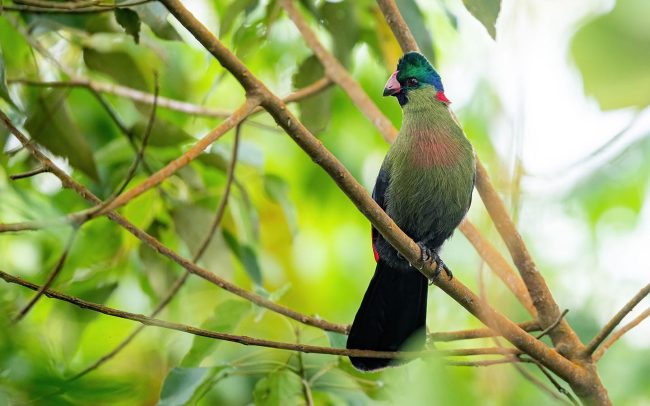
8-Day Rwanda Birding Tour Itinerary: Nyungwe, Akagera and Kigali

Rwanda is a rewarding destination for birdwatchers seeking an impressive variety of species within a relatively compact country. Its montane rainforests, savannah plains, papyrus wetlands, lakes and cultivated landscapes support different bird communities, making it possible to experience several birding habitats on one carefully planned holiday.
This 8-day Rwanda birding tour itinerary combines Nyungwe National Park, Akagera National Park and selected birding locations around Kigali. It is designed for international birdwatchers, wildlife photographers and nature enthusiasts who want to explore Rwanda with a knowledgeable birding guide.
The itinerary prioritises forest birding in Nyungwe, savannah and wetland species in Akagera, and opportunities to look for additional birds around Kigali. The route can be adjusted according to your target species, arrival time, preferred accommodation and budget.
Rwanda Birding Tour at a Glance
- Duration: 8 days and 7 nights
- Arrival and departure: Kigali International Airport
- Main destinations: Kigali wetlands, Nyungwe National Park and Akagera National Park
- Main interests: Forest birds, Albertine Rift endemics, savannah birds and wetland species
- Accommodation: Budget, mid-range or luxury, subject to availability
- Transport: Private 4×4 vehicle with an experienced driver-guide
- Best suited to: Birdwatchers, nature lovers and wildlife photographers
Day 1: Arrival in Kigali and Introductory Birding
Arrive at Kigali International Airport, where your driver-guide will welcome you and transfer you to your accommodation.
Depending on your arrival time, enjoy a short introductory birding excursion around suitable gardens, green spaces or wetland habitats near Kigali. This provides an opportunity to start your Rwanda bird checklist before travelling to the national parks.
The birds encountered will depend on the location and season, but the surrounding landscapes can offer opportunities to observe weavers, sunbirds, doves, kingfishers and other familiar East African species.
If your international flight arrives late, use the day for arrival and rest instead of scheduling a rushed birding excursion.
Accommodation: Kigali hotel.
Day 2: Kigali to Akagera National Park
After breakfast, depart for Akagera National Park in eastern Rwanda. The drive generally takes around two to three hours, depending on your starting point, road conditions and the park entrance being used.
Akagera offers a different birding environment from the rainforest of Nyungwe. Its combination of savannah, woodland, lakes and wetlands supports a wide range of resident and migratory birds.
After entering the park, begin birding along suitable routes with your guide. Depending on the conditions, you may look for rollers, bee-eaters, raptors, hornbills, weavers and other savannah species.
Keep your binoculars ready during the drive, as birds can be encountered along the tracks as well as at designated viewing locations.
Birding focus: Savannah, woodland and open-country species.
Accommodation: Lodge or tented camp in or near Akagera, according to your package.
Day 3: Full-Day Birding in Akagera National Park
Spend the day exploring different habitats within Akagera with your birding guide.
Start early, when birds are often active, and concentrate on the areas most suitable for your target species. Your guide can help identify calls, distinguish similar species and select locations according to recent sightings and access conditions.
Birds to look for
Species of interest may include:
- Red-faced Barbet
- African Fish Eagle
- Lilac-breasted Roller
- Saddle-billed Stork
- African Jacana
- Grey Crowned Crane
- Long-crested Eagle
- Various bee-eaters, kingfishers, weavers and waterbirds
The Red-faced Barbet is a notable target for birders visiting Akagera. Sightings depend on local conditions and should not be treated as guaranteed.
In addition to birding, the park offers opportunities to observe large mammals, including elephants, giraffes, buffaloes and antelopes. Wildlife sightings will depend on the route and conditions.
Accommodation: Akagera National Park area.
Day 4: Akagera Birding and Transfer to Kigali
Enjoy an early morning birding session before leaving Akagera. The morning provides another opportunity to search for species missed on the previous day.
Where practical, include a visit to a suitable wetland or lakeside location. If arrangements and timing permit, a boat excursion on Lake Ihema can provide opportunities to observe waterbirds and birds along the shoreline.
After the excursion, travel back towards Kigali and overnight in the city or continue to accommodation suitable for the next day’s journey.
This overnight stop helps divide the journey between eastern Rwanda and the southwestern rainforest. The route and departure time should be planned with your operator to avoid arriving late after a long day.
Birding focus: Waterbirds, shoreline species and missed target birds.
Accommodation: Kigali or a suitable overnight stop along the planned route.
Day 5: Travel to Nyungwe National Park
After breakfast, depart for Nyungwe National Park in southwestern Rwanda. The journey from Kigali can take approximately five to six hours or longer, depending on traffic, stops and road conditions.
The route passes through Rwanda’s rolling hills, agricultural landscapes and tea-growing areas. You can make birding stops where safe, practical and permitted, but the main focus should be reaching Nyungwe with enough time to prepare for the following days.
Nyungwe is one of Rwanda’s most important birding destinations, with more than 300 recorded species and around 30 Albertine Rift endemics reported by official destination sources. Its montane rainforest supports birds that are difficult to find in the country’s savannah and wetland habitats.
After checking in, meet your local guide to review your target list and discuss the next day’s birding plan.
Accommodation: Nyungwe area, preferably with convenient access to your planned trail.
Day 6: Full-Day Birding in Nyungwe Forest
Dedicate the day to bird watching in Nyungwe’s montane rainforest. An early start is recommended, as it allows time to listen for bird calls and search for species before the day’s activities are affected by changing weather.
With an experienced local birding guide, explore an authorised trail or suitable forest road according to your target list and current conditions.
Key species to search for
Nyungwe is especially attractive to birders looking for Albertine Rift specialties, including:
- Rwenzori Turaco
- Red-collared Babbler
- Rwenzori Batis
- Regal Sunbird
- Yellow-eyed Black Flycatcher
- Handsome Francolin
- Stripe-breasted Tit
- Neumann’s Short-tailed Warbler
- Purple-breasted Sunbird
- Red-throated Alethe
Some of these species can be difficult to locate because they move through dense vegetation or remain high in the canopy. Birding success depends on local knowledge, patience, weather and the time spent in suitable habitat.
Your guide can help identify birds by sight and sound, while explaining the forest’s ecology and conservation importance.
Accommodation: Nyungwe area.
Day 7: More Nyungwe Birding and Forest Exploration
Spend another morning searching for priority species or exploring a different habitat within the Nyungwe landscape.
A second birding session is valuable because forest species can be elusive. Rather than rushing through a long list of targets, allow time to revisit productive areas and improve your chances of finding birds missed on the previous day.
Depending on your interests and the available schedule, you may also consider a forest nature walk or the Nyungwe Canopy Walkway. These activities provide different perspectives on the forest but should be arranged around your birding priorities.
After lunch, you can continue birding if time and trail arrangements permit, or enjoy a more relaxed afternoon at your accommodation.
Birding focus: Albertine Rift specialties, forest canopy birds and remaining target species.
Accommodation: Nyungwe area.
Day 8: Birding En Route and Departure from Kigali
After breakfast, begin the return journey towards Kigali International Airport.
If your flight departs late enough, your guide may arrange brief birding stops at suitable locations along the route. These stops should be planned conservatively, allowing enough time for traffic, airport procedures and international check-in.
For an early departure, consider an overnight stay in Kigali on Day 7 instead. This is particularly important if you have a fixed international flight and do not want to risk a long road transfer on departure day.
Your birding tour ends with a diverse checklist built from Rwanda’s wetlands, savannahs and montane forest habitats.
Best Time for a Rwanda Birding Tour
Rwanda can be visited for bird watching throughout the year, although the most suitable travel period depends on the species you want to find and the habitats you plan to explore.
June to September
These months generally include a drier period in much of Rwanda and can be convenient for combining birding with hiking and wildlife viewing. Rain is still possible in montane forest environments.
October to November
Seasonal rains can bring greener landscapes and may coincide with movements of some migratory birds. Wet conditions can affect trails and travel schedules.
December to February
This period can be attractive for travellers who want to combine birding with other Rwanda experiences. Conditions vary by location, so plan your route according to your target species and current weather.
March to May
This is a wetter period in much of the country. Birding remains possible, but rain may affect walking conditions and visibility.
For a specialised tour, consult a local birding guide about recent sightings and the best timing for your priority species. There is no single month that guarantees every target bird.
What Makes Rwanda Special for Birdwatchers?
Rwanda’s main advantage is the variety of habitats that can be explored on one trip.
Nyungwe National Park is a priority for montane forest birds and Albertine Rift endemics.
Akagera National Park offers savannah, woodland, lakes and wetlands, with opportunities to see both birds and large mammals.
Kigali and surrounding wetlands can provide additional birding opportunities before or after the national parks.
This combination makes Rwanda appealing to both dedicated birdwatchers and travellers who want to include birding as part of a wider wildlife holiday.
What to Pack for a Rwanda Birding Safari
Bring equipment and clothing suitable for both forest walks and vehicle-based birding.
- Binoculars suitable for identifying distant and small birds.
- Camera with a suitable zoom lens, if bird photography is important.
- Bird field guide or offline identification app.
- Waterproof walking shoes with good grip.
- Lightweight, quick-drying clothing.
- Waterproof jacket and protection for camera equipment.
- Sun protection, insect repellent and personal medication.
- Reusable water bottle and small daypack.
- Notebook or digital bird checklist.
A spotting scope can be useful for certain open habitats and distant waterbirds. Discuss equipment with your guide before departure.
Accommodation for a Rwanda Birding Tour
Your choice of accommodation should reflect your budget, comfort preferences and planned birding locations.
In Akagera, options include camps and lodges suited to different budgets. In the Nyungwe area, consider accommodation that minimises driving time to your chosen trails and allows for early departures.
When booking, ask about early breakfasts, packed lunches, transfers to birding locations and whether an experienced birding guide is included. These practical details can make a significant difference to a wildlife-focused holiday.
Responsible Bird Watching in Rwanda
Birding should be conducted in a way that protects the habitats and species visitors have come to appreciate.
Stay on authorised trails, avoid disturbing nests, and never handle wild birds without appropriate authorisation. Keep noise low and use playback only when permitted and appropriate. Follow the instructions of park staff and local guides.
Responsible birding helps protect Rwanda’s forests and wetlands while supporting the guides and communities who contribute to tourism.
Frequently Asked Questions About Rwanda Birding Tours
How many days do I need for bird watching in Rwanda?
Eight days allows a useful combination of Akagera’s savannah and wetland habitats, Nyungwe’s montane rainforest and selected birding locations around Kigali. Dedicated birders may prefer 10 to 14 days for a more relaxed pace or additional locations.
Which is the best national park for birding in Rwanda?
Nyungwe is a major destination for forest birds and Albertine Rift specialties. Akagera is especially valuable for savannah, woodland and wetland species. The best choice depends on your target list.
Can I see the shoebill in Rwanda?
Akagera’s wetland habitats are among the places where birders may search for the shoebill. It is an elusive species, however, and sightings are not guaranteed. Discuss current information and suitable locations with your guide.
Is a specialist birding guide necessary?
A specialist guide is strongly recommended for visitors with a target list, particularly in Nyungwe, where many birds are difficult to identify in dense vegetation.
Can I combine bird watching with gorilla trekking?
Yes. Rwanda birding can be combined with gorilla trekking in Volcanoes National Park, subject to permit availability and additional travel time. A longer itinerary is advisable so that the birding days are not rushed.
Is this itinerary suitable for beginners?
Yes. Beginners can enjoy the landscapes, common birds and wildlife encounters. Your guide can adapt the pace and identification approach to your experience level.
Book a Rwanda Birding Holiday
From the forest specialties of Nyungwe to the wetlands and savannahs of Akagera, Rwanda offers birdwatchers an opportunity to explore a remarkable variety of habitats in one country.
Our team can help tailor a Rwanda birding holiday to your travel dates, target species, accommodation preferences and budget. Whether you are looking for an introductory bird-watching trip or a dedicated search for Albertine Rift endemics, a well-planned route and knowledgeable local guiding can make the experience more rewarding.