What to Pack for Rwenzori Trekking: Complete Gear Guide
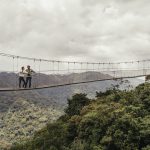
Planning a trek in the Rwenzori Mountains of Uganda? Knowing what to pack for Rwenzori trekking is one of the most important parts of preparing for your adventure. The Rwenzori Mountains, also known as the Mountains of the Moon, offer some of Africa’s most spectacular mountain landscapes, from lush montane forests and bamboo zones to giant heathers, Afro-alpine vegetation, glaciers and snow-covered peaks.
Unlike a conventional hiking trip, a Rwenzori trek can take you through dramatically different environments within a few days. You may begin your hike in warm, humid conditions and later encounter heavy rain, mud, cold temperatures and challenging high-altitude terrain. If your itinerary includes Margherita Peak, the highest point of the Rwenzori range at 5,109 metres, your equipment requirements become even more important.
In this complete Rwenzori trekking packing list, we explain what to wear, which hiking equipment to bring, what footwear works best, how to prepare for cold and wet conditions, and what additional gear may be required for a Margherita Peak summit attempt.
Whether you are planning a multi-day Rwenzori trek, a shorter mountain hike or a challenging climb toward Margherita Peak, this guide will help you prepare properly.
Why You Need the Right Gear for Rwenzori Trekking
The Rwenzori Mountains are not an ordinary hiking destination. The mountain environment is wet, rugged and highly variable, with trails passing through forest, bamboo, heather and Afro-alpine environments. Tourism Uganda describes Rwenzori trekking as a fairly challenging experience requiring proper hiking equipment.
Rain is possible even when the weather looks clear at the beginning of the day. Lower sections of the mountain can be muddy and wet, while temperatures become progressively colder as you gain altitude.
This is why your Rwenzori trekking gear should prioritize:
- Waterproof protection
- Warmth
- Comfortable footwear
- Lightweight clothing
- Good traction
- Moisture management
- Protection from sun and rain
- Equipment suitable for high-altitude conditions
The best strategy is to use layers rather than relying on one heavy item of clothing. Layers allow you to adapt as temperatures and weather conditions change.
Complete Rwenzori Trekking Packing List
Here is the essential gear to consider before your Rwenzori trekking adventure.
1. Waterproof Hiking Boots
Good hiking boots are among the most important items on your Rwenzori trekking packing list.
The trails can be wet, muddy and slippery, so choose boots that provide:
- Good ankle support
- Strong traction
- Waterproof protection
- Comfortable cushioning
- Durable construction
Make sure your boots are properly broken in before your trek. Starting a multi-day mountain trek with brand-new boots can result in painful blisters.
Your trekking operator should advise you about the footwear most appropriate for your particular route and current trail conditions.
For some lower and muddy sections, different footwear arrangements may be recommended depending on the route and operator.
2. Waterproof Jacket
A waterproof jacket is essential for Rwenzori trekking.
Weather can change quickly in the mountains, and rain can occur even during periods that are generally considered drier.
Choose a jacket that is:
- Waterproof
- Windproof
- Breathable
- Lightweight
- Easy to pack
Keep your waterproof jacket somewhere accessible in your daypack rather than buried inside your main luggage.
3. Waterproof Trousers
Waterproof trousers provide another important layer of protection.
They can help keep you dry when walking through heavy rain, wet vegetation and muddy sections.
Choose lightweight rain trousers that can easily be worn over your normal hiking trousers.
4. Hiking Trousers
Pack one or two pairs of comfortable hiking trousers made from quick-drying and durable material.
Good trekking trousers should be:
- Lightweight
- Flexible
- Quick-drying
- Comfortable
- Durable
Avoid relying on jeans. Cotton absorbs water and dries slowly, making it uncomfortable and heavy during wet mountain conditions.
Convertible trousers can also be useful, although long trousers may provide better protection from vegetation, insects and wet conditions.
5. Moisture-Wicking Base Layers
Base layers help regulate body temperature by moving moisture away from your skin.
Pack moisture-wicking shirts and, for colder sections, thermal underwear for your upper and lower body.
Avoid relying heavily on cotton as your primary hiking layer because it retains moisture and takes longer to dry.
6. Fleece or Insulating Jacket
A fleece jacket makes an excellent mid-layer.
It is lightweight, warm and relatively quick to dry.
For higher elevations and summit attempts, you may also need a warmer insulated jacket. Your trekking company should advise you on the appropriate insulation for your route and expected conditions.
7. Warm Hat and Gloves
Cold conditions become increasingly important as you gain altitude.
Pack:
- Warm beanie
- Lightweight liner gloves
- Warm insulated gloves or mittens
- Buff or neck gaiter
If you are attempting Margherita Peak, your summit equipment may need to include additional cold-weather protection.
8. Sun Hat and Sunglasses
Do not pack only for cold weather.
You will also encounter sunny conditions during sections of the trek, and ultraviolet exposure can be stronger at altitude.
Bring:
- Sun hat
- UV-protective sunglasses
- Sunscreen
- Lip balm with sun protection
For high-altitude summit conditions, your guide should advise you about appropriate eye protection.
9. Hiking Socks
Good socks can make a major difference to your comfort.
Pack several pairs of moisture-wicking hiking socks and consider bringing warmer thermal socks for colder nights and higher elevations.
Avoid wearing wet socks for long periods because they can contribute to blisters and discomfort.
Keep at least one dry pair protected in a waterproof bag.
10. Backpack and Rain Cover
A comfortable daypack is essential.
A lightweight backpack with a good hip belt and comfortable shoulder straps can make long hiking days much easier.
Look for a pack with:
- Rain cover
- Water bottle pockets
- Multiple compartments
- Compression straps
- Comfortable back support
Your daypack should contain the items you may need during the day, including water, rain protection, snacks, camera equipment and personal essentials.
Keep the bag as light as reasonably possible. Carrying unnecessary weight becomes increasingly tiring during long mountain days.
11. Waterproof Dry Bags
The Rwenzori environment can be extremely wet, so dry bags are highly recommended.
Use them to protect:
- Clothing
- Sleeping bag
- Electronics
- Camera
- Passport
- Personal documents
- Medication
- Other sensitive items
A backpack rain cover provides useful protection, but waterproof bags inside your backpack provide an additional layer of security.
12. Sleeping Bag
A suitable sleeping bag is important for multi-day Rwenzori trekking.
Temperatures can become very cold at higher elevations, particularly overnight.
Choose a sleeping bag appropriate for the expected conditions and check its comfort and lower-limit temperature ratings.
A sleeping bag liner can also provide additional warmth and help keep your sleeping bag clean.
Ask your trekking company whether sleeping bags are provided or available for rental before purchasing one.
13. Trekking Poles
Trekking poles can be extremely useful on Rwenzori trails.
They can help with:
- Balance
- Steep ascents
- Descents
- Muddy sections
- Slippery terrain
- Reducing pressure on the knees
Adjustable trekking poles are particularly convenient because they can be shortened when not needed.
14. Headlamp and Spare Batteries
A headlamp is an essential part of your Rwenzori trekking equipment.
You may begin walking before sunrise, arrive at camp after dark or start an early summit attempt.
Pack:
- Reliable headlamp
- Spare batteries
- Small backup flashlight if possible
Keep spare batteries somewhere dry. Cold conditions can also reduce battery performance.
15. Water Bottles or Hydration System
Staying hydrated is essential during mountain trekking.
Carry reusable water bottles or a hydration bladder according to the guidance of your trekking operator.
A hydration bladder can make drinking easier because you do not have to repeatedly remove your backpack.
Your trekking company should explain how drinking water is supplied and treated along your particular route.
16. Water Purification
Depending on your route and trekking arrangements, your team may collect water from mountain sources.
Ask your trekking operator whether water is provided and treated.
You can also carry:
- Water purification tablets
- Portable water filter
- Other approved purification systems
Do not assume that clear-looking mountain water is automatically safe to drink.
17. Personal First-Aid Kit
Your guides should have appropriate first-aid arrangements, but it is still useful to carry a small personal kit.
Consider packing:
- Plasters
- Blister treatment
- Antiseptic wipes
- Medical tape
- Elastic bandage
- Personal medication
- Oral rehydration salts
- Pain-relief medication if normally used by you
If you take prescription medication, carry enough for your entire trip and protect it from moisture.
18. High-Energy Snacks
Mountain trekking requires considerable energy.
Although meals are normally arranged as part of your trekking package, personal snacks can provide useful energy during the day.
Good options include:
- Energy bars
- Nuts
- Dried fruit
- Chocolate
- Trail mix
- Biscuits
- Boiled sweets
Choose lightweight foods that are easy to carry and consume.
19. Personal Hygiene Items
Pack only the toiletries you actually need.
Useful items include:
- Toothbrush
- Toothpaste
- Biodegradable soap
- Small towel
- Wet wipes
- Toilet paper
- Hand sanitizer
- Lip balm
- Personal hygiene products
Store these items in a waterproof bag.
20. Insect Repellent
Lower sections of the Rwenzori pass through forest environments where insects may be encountered.
A good insect repellent can be useful, particularly during lower-altitude sections and overnight stays.
21. Sunscreen
Sunscreen is another essential item.
Apply it to exposed skin, including:
- Face
- Ears
- Neck
- Hands
- Arms
- Other exposed areas
Do not assume that cloudy weather means you do not need sun protection.
22. Camera and Power Bank
The Rwenzori Mountains offer extraordinary photographic opportunities.
You may want to photograph:
- Mountain landscapes
- Forest trails
- Giant lobelias
- Giant heathers
- Waterfalls
- Alpine vegetation
- Valleys
- Wildlife
- Fellow trekkers
- Snow and glacial scenery
A smartphone is sufficient for many travelers, but a dedicated camera can provide greater flexibility.
Bring a power bank and protect your electronics from rain and condensation.
23. Travel Documents
Keep your important documents protected from moisture.
Carry:
- Passport
- Travel insurance information
- Emergency contacts
- Trekking confirmation
- Relevant permits or documentation
- Copies of important documents
Digital copies stored securely can provide additional backup.
24. Gaiters
Gaiters can be particularly useful in wet and muddy sections.
They help prevent:
- Mud entering your boots
- Water entering from the top of your footwear
- Small stones getting into your boots
- Wet vegetation rubbing against your legs
Whether you need them depends on your route, season and personal preference.
What to Wear for Rwenzori Trekking
The best approach is to dress in layers.
You should be prepared for significant changes in temperature and weather as you climb.
Lower Mountain Sections
You may be comfortable wearing:
- Moisture-wicking T-shirt
- Lightweight hiking trousers
- Hiking socks
- Hiking boots
- Sun hat
Middle Elevations
As temperatures change, add:
- Fleece
- Long-sleeved shirt
- Waterproof jacket
- Waterproof trousers when raining
- Warm hat
Higher Elevations
You may need:
- Thermal base layers
- Fleece or mid-layer
- Insulated jacket
- Waterproof outer shell
- Warm gloves
- Warm hat
- Thermal socks
- Appropriate waterproof footwear
Your exact clothing requirements depend on the route, season, altitude and current mountain conditions.
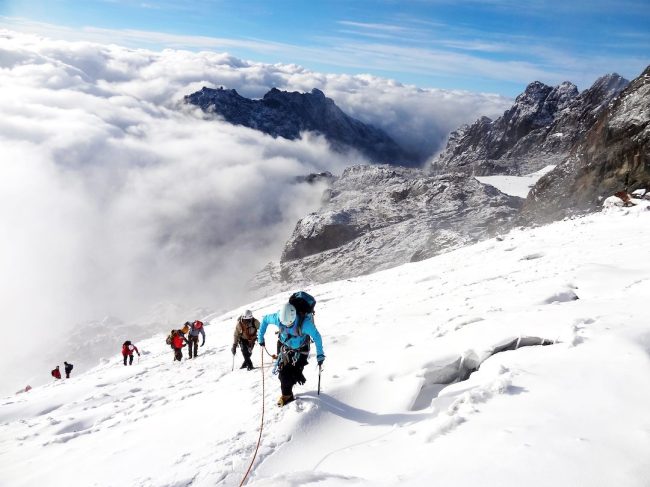
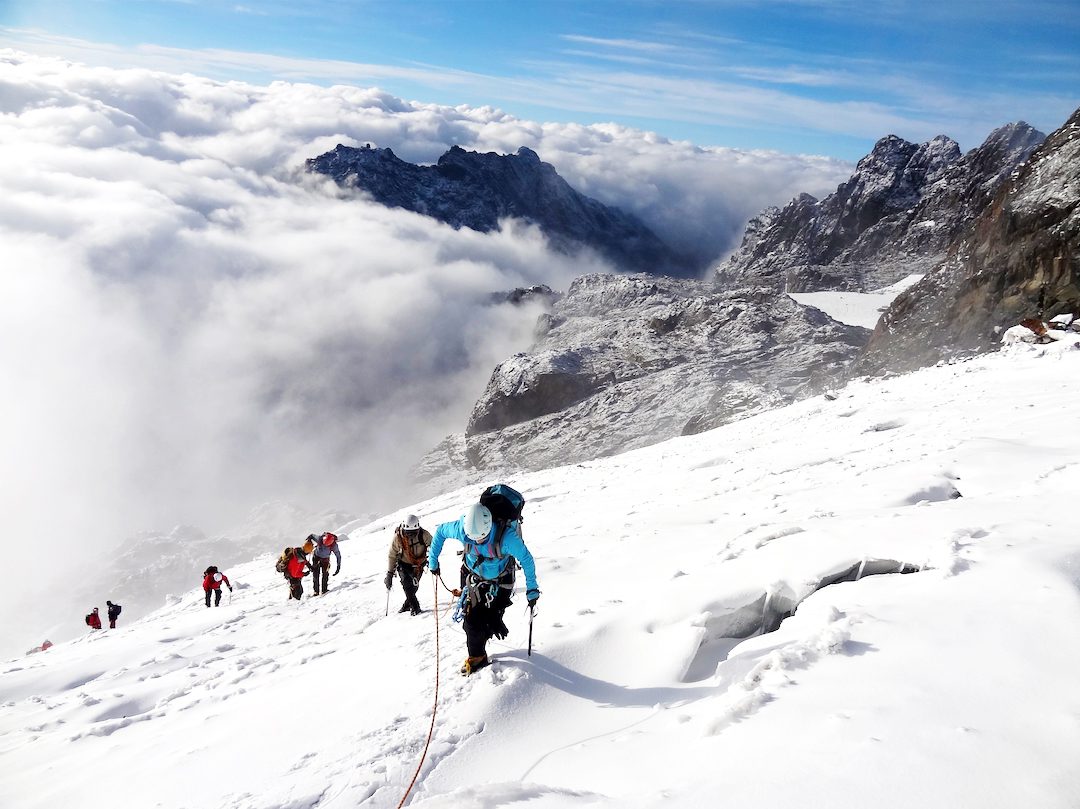
What to Pack for a Margherita Peak Climb
If your goal is to summit Margherita Peak, you should prepare for more demanding high-altitude conditions than you would for a lower-elevation Rwenzori trek.
Margherita Peak reaches 5,109 metres and involves high-altitude terrain.
Additional summit equipment may include:
- Warmer insulated jacket
- Thermal base layers
- Warm gloves or mittens
- Suitable high-altitude footwear
- Glacier-compatible equipment where required
- Helmet
- Harness
- Crampons
- Ice axe
- Appropriate eye protection
The specialized technical equipment required for a summit attempt should be determined and arranged with your qualified trekking team. Do not independently assume that ordinary hiking equipment is sufficient for glacier terrain.
Conditions can change, so the equipment required for a particular summit attempt should be confirmed with your trekking operator and mountain guides before departure.
Uganda Wildlife Authority announced the resumption of Margherita Peak hiking in August 2024 after safety improvements, including a bridge across a glacier crevasse and additional climbing ropes.
Rwenzori Trekking Packing List: Quick Checklist
Clothing
- Moisture-wicking T-shirts
- Long-sleeved hiking shirts
- Hiking trousers
- Thermal base layers
- Fleece jacket
- Insulated jacket
- Waterproof jacket
- Waterproof trousers
- Hiking socks
- Warm thermal socks
- Warm hat
- Sun hat
- Gloves
- Buff or neck gaiter
Footwear
- Waterproof hiking boots
- Camp shoes or sandals
- Gaiters
Trekking Equipment
- Daypack
- Backpack rain cover
- Dry bags
- Sleeping bag
- Trekking poles
- Headlamp
- Spare batteries
- Water bottles or hydration bladder
Personal Items
- First-aid supplies
- Personal medication
- Sunscreen
- Insect repellent
- Toiletries
- Toilet paper
- Hand sanitizer
- Energy snacks
Electronics
- Smartphone
- Camera
- Power bank
- Charging cables
- Waterproof protection
Documents
- ☐ Passport
- ☐ Travel insurance
- ☐ Emergency contacts
- ☐ Trekking documents
- ☐ Copies of important documents
What Not to Pack for a Rwenzori Trek
Packing too much can make your trek unnecessarily difficult.
Avoid carrying:
- Heavy cotton clothing
- Jeans
- Excessive toiletries
- Multiple pairs of heavy shoes
- Unnecessary electronics
- Large bottles of liquid
- Clothes you are unlikely to wear
- Heavy luggage that you do not need
The goal is not to pack everything you own. The goal is to carry the equipment that provides the greatest benefit for the weight.
Can You Rent Rwenzori Trekking Gear in Uganda?
Some trekking equipment may be available for hire in Uganda, depending on your route, trekking company and the equipment you require.
Before travelling, ask your operator which items are:
- Included in your trekking package
- Available for rental
- Required to bring from home
- Supplied by the mountain guides
- Required specifically for a summit attempt
Personal items such as well-fitting hiking boots, socks, thermal clothing and prescription medication are generally better to bring yourself.
For specialized climbing equipment, always confirm the current requirements with your trekking company before departure.
How Much Luggage Should You Take on a Rwenzori Trek?
The amount of luggage you need depends on the duration of your trek and the porter arrangements.
For longer expeditions, trekkers may use porter support for heavier equipment, while keeping a smaller daypack with items needed during the day’s hike. This makes it particularly important to separate your luggage into daily essentials and items that can remain with the porter or support team.
Your daypack should contain items such as:
- Water
- Rain jacket
- Snacks
- Camera
- Sunscreen
- Personal medication
- Warm layer
- Important personal items
Keep the daypack as light as possible.
Before your trek, ask your operator about luggage and porter limits because arrangements can vary between routes and trekking companies.
Tips for Preparing Your Rwenzori Trekking Gear
Break in Your Hiking Boots
Do not wait until your Rwenzori trek to discover that your boots cause blisters.
Wear them during training walks before your trip.
Test Your Backpack
Load your backpack with the equipment you expect to carry and take it on practice hikes.
This will help you identify uncomfortable straps or unnecessary items.
Waterproof Everything
The Rwenzori can be wet.
Use dry bags or waterproof liners to protect clothing, sleeping equipment, electronics and important documents.
Pack Spare Socks
Wet feet can become one of the biggest sources of discomfort during a mountain trek.
Carry enough socks to allow you to change into a dry pair.
Keep Rain Gear Accessible
Do not put your waterproof jacket at the bottom of your bag.
Keep it somewhere you can reach quickly when the weather changes.
Prepare for Cold Conditions
Even if the weather is warm when you begin your trek, conditions become colder with altitude.
Always carry appropriate warm layers.
Confirm Technical Equipment Before Departure
If your trek includes Margherita Peak, speak to your trekking operator about the technical equipment required for the current route and conditions.
Best Time to Prepare for Your Rwenzori Trek
Start preparing several weeks before your trip rather than waiting until the last minute.
This gives you enough time to:
- Buy and test your equipment
- Break in your boots
- Practice hiking with your backpack
- Check your clothing
- Arrange travel insurance
- Confirm equipment rental
- Organize personal medication
- Prepare documents
Remember that even during generally favorable trekking periods, mountain weather can change quickly. Waterproof clothing should therefore remain part of your essential equipment.
Frequently Asked Questions About Rwenzori Trekking Gear
What should I pack for Rwenzori trekking?
Essential Rwenzori trekking gear includes waterproof hiking boots, waterproof clothing, warm layers, hiking trousers, thermal base layers, gloves, a warm hat, a backpack, sleeping bag, trekking poles, headlamp, water bottles, personal medication and basic first-aid supplies. Your exact requirements depend on your route, trekking duration and altitude.
What shoes are best for Rwenzori trekking?
Waterproof hiking boots with good ankle support and strong traction are generally recommended. Because Rwenzori trails can be wet and muddy, footwear should provide good grip and protection from moisture. Break in your boots before starting your trek.
How cold is it in the Rwenzori Mountains?
Temperatures vary considerably according to altitude and weather conditions. Lower sections can be relatively warm and humid, while higher elevations can become very cold, particularly at night and during summit attempts. This is why layering and proper cold-weather clothing are essential.
Do I need a sleeping bag for Rwenzori trekking?
For multi-day Rwenzori trekking, a suitable sleeping bag is generally important because temperatures can become cold at higher elevations. Confirm the appropriate temperature rating and whether your trekking company provides or rents sleeping bags.
Can I rent Rwenzori trekking equipment in Uganda?
Some trekking equipment may be available for rental depending on the route and operator. Confirm availability before travelling. Personal items such as properly fitting hiking boots, socks, thermal clothing and medication are best brought from home.
What should I wear for a Rwenzori trek?
Use a layering system consisting of a moisture-wicking base layer, insulating mid-layer and waterproof outer layer. As you gain altitude, you may need additional warm clothing, including thermal layers, gloves, a warm hat and an insulated jacket.
Do I need trekking poles for the Rwenzori Mountains?
Trekking poles are strongly recommended by many hikers because they provide additional balance on steep, muddy and slippery terrain. They can also reduce stress on the knees during descents.
What should I pack for climbing Margherita Peak?
A Margherita Peak climb requires preparation for colder, high-altitude and potentially glacial conditions. In addition to normal trekking gear, you may require thermal layers, a warm insulated jacket, specialized gloves and technical mountaineering equipment such as crampons, harnesses, helmets and an ice axe depending on the route and current conditions. Your qualified mountain guides should confirm the required equipment before the climb.
Final Thoughts: Pack Smart for Your Rwenzori Adventure
Knowing what to pack for Rwenzori trekking can make a significant difference to your comfort and overall mountain experience.
The Rwenzori Mountains are beautiful but demanding. You may move from humid forest to muddy trails and eventually into cold, high-altitude environments during the same expedition. The right combination of waterproof clothing, warm layers, reliable footwear, trekking poles, a suitable sleeping bag, waterproof storage and essential personal equipment will help you handle these changing conditions.
Do not focus on carrying the most equipment. Focus on carrying the right equipment.
If you are planning a Rwenzori trek, especially a climb to Margherita Peak, discuss your equipment requirements with your trekking operator before travelling. Current route conditions, technical requirements and available rental equipment can change, so professional guidance is important.
Start Planning Your Rwenzori Trekking Adventure
Ready to explore Uganda’s Mountains of the Moon?
Whether you are interested in a multi-day Rwenzori trekking experience or want to challenge yourself with a climb toward Margherita Peak, proper planning is the first step.
Our local Uganda travel team can help you plan your Rwenzori adventure, including trekking arrangements, accommodation, guides, porters, transport and other travel arrangements.
Contact us today to start planning your Rwenzori trekking adventure in Uganda.