Nyamata Genocide Memorial in Rwanda: History, Facts, Location and Visitor Guide
The Nyamata Genocide Memorial is one of Rwanda’s most significant historical and remembrance sites. Located in Bugesera District, Eastern Province, the memorial preserves the history of the 1994 Genocide against the Tutsi and honours thousands of people who were killed after seeking refuge in a Catholic church.
During the genocide, many Tutsi civilians believed that churches and other religious institutions would provide protection from the violence spreading across Rwanda. However, Nyamata Catholic Church became one of the locations where thousands of innocent people were massacred.
Today, the former church stands as a memorial, preserving physical evidence of the genocide, victims’ belongings and the memory of those who lost their lives. It is also one of four Rwandan genocide memorial sites inscribed on the UNESCO World Heritage List in 2023.
For visitors interested in Rwanda’s history, culture and heritage, Nyamata Genocide Memorial provides an opportunity to understand an important part of the country’s past and reflect on the importance of remembrance, human dignity and the prevention of genocide.
But what happened at Nyamata? Why did thousands of people gather at the church? Where is the memorial located, and what can visitors expect when they visit?
This guide explores the history, historical facts, significance, location and visitor information about Nyamata Genocide Memorial in Rwanda.
Where Is Nyamata Genocide Memorial Located?
Nyamata Genocide Memorial is located in Nyamata Sector, Bugesera District, Eastern Province of Rwanda.
The memorial occupies the site of the former Nyamata Catholic Church, which became a place of refuge for Tutsi civilians during the 1994 genocide.
Nyamata is situated south of Kigali, Rwanda’s capital city. The memorial can be visited as part of a historical excursion from Kigali, making it accessible to travellers staying in the capital.
Location facts:
-
Country: Rwanda
-
Province: Eastern Province
-
District: Bugesera District
-
Sector: Nyamata
-
Site: Former Nyamata Catholic Church
-
Historical event: 1994 Genocide against the Tutsi
-
UNESCO recognition: 2023
The location is particularly important because it illustrates how civilians who sought protection in religious institutions were targeted during the genocide.
History of Nyamata Genocide Memorial
To understand the significance of Nyamata Genocide Memorial, it is important to understand the historical background of the area and the events that took place in 1994.
Historical Background of Nyamata
The history of Nyamata is connected to the forced displacement and persecution of Tutsi communities before the 1994 genocide.
During 1959 and 1960, Tutsi were forcibly expelled from other parts of Rwanda and relocated to Nyamata, an area that was then characterised by forest and tsetse fly.
Over time, the area developed, and a Catholic church was constructed in 1980.
The church later became an important religious gathering place for the surrounding community.
However, in April 1994, it became the scene of one of the devastating massacres associated with the genocide against the Tutsi.
What Happened at Nyamata Catholic Church in 1994?
Following the assassination of Rwandan President Juvénal Habyarimana on 6 April 1994, systematic killings of Tutsi civilians began across Rwanda.
As violence spread, thousands of Tutsi in Bugesera District sought refuge at Nyamata Catholic Church.
Many believed that the church would protect them because of its religious significance and the expectation that places of worship would be respected.
Unfortunately, the church did not provide the protection they hoped for.
On 14 April 1994, attackers, including members of the Interahamwe militia, entered the church and massacred thousands of people who had gathered there.
The attackers used machetes, grenades and other weapons.
According to Rwanda’s official heritage documentation, more than 45,000 people were killed at the Nyamata site in a single day.
The massacre remains one of the most painful chapters in the history of the 1994 genocide.
Following the genocide, the former church and surrounding grounds were preserved as a memorial through cooperation between the Catholic Church and the Government of Rwanda.
Today, Nyamata stands as a place of remembrance, honouring the victims and preserving evidence of what happened.
What Can Visitors See at Nyamata Genocide Memorial?
Nyamata Genocide Memorial is different from an ordinary historical museum. The former church has been preserved as a place of remembrance, with physical evidence and memorial structures that help visitors understand the events of 1994.
The experience can be emotionally challenging, and visitors should approach the site with sensitivity.
1. The Former Catholic Church
The former Nyamata Catholic Church is the central structure of the memorial.
It was constructed in 1980 and later became a place where thousands of Tutsi sought refuge during the genocide.
The building has been preserved as a historical reminder of the massacre.
Visitors can observe the church’s structure and learn about the events that transformed a religious sanctuary into a site of mass killing.
2. Victims’ Clothing and Personal Belongings
One of the most moving parts of the memorial is the preservation of victims’ clothing and personal belongings.
These items provide a tangible connection to the people who lost their lives.
Rather than representing anonymous numbers, the preserved belongings remind visitors that the victims were individuals with families, communities, personal histories and aspirations.
They also help document the human impact of the genocide.
3. Preserved Human Remains
The memorial preserves human remains as historical evidence of the massacre.
Rwanda’s official heritage documentation describes remains preserved in glass display cases within the church’s associated cave area.
These displays are intended to document the atrocities and honour those who were killed.
Visitors should be prepared for emotionally difficult material and follow the guidance of memorial staff.
4. Mass Graves and Burial Grounds
The memorial also includes burial areas where victims are laid to rest.
Official heritage records describe two mass graves in the church garden, together with memorial stones bearing the names of some of the people buried there.
These burial grounds provide a place for remembrance and reflection.
Visitors should treat the grounds with respect and follow all instructions concerning access.
5. Historical Information and Memorial Exhibitions
The memorial provides historical context about the genocide and the experiences of people who sought refuge at the church.
Visitors can learn about the persecution of Tutsi communities, the circumstances surrounding the massacre and the wider history of the 1994 Genocide against the Tutsi.
The preserved church and its contents form an important part of Rwanda’s historical record.
Why Is Nyamata Genocide Memorial Important?
Nyamata Genocide Memorial has historical, cultural, educational and international significance.
Its importance goes beyond commemorating the people who died at the former church.
1. Honouring the Victims of the Genocide
The memorial provides a permanent place to remember the thousands of people who were killed at Nyamata.
It honours their lives and ensures that their experiences remain part of Rwanda’s national history.
2. Preserving Historical Evidence
The former church, preserved belongings, human remains and burial grounds provide important evidence of the events that occurred in 1994.
Preserving these materials helps future generations understand the consequences of organised violence and discrimination.
3. Educating Future Generations
Nyamata helps visitors understand how hatred, discrimination, extremist propaganda and dehumanisation can contribute to mass violence.
Its educational importance extends beyond Rwanda, encouraging visitors from different countries to reflect on human rights, tolerance and peaceful coexistence.
4. Promoting Remembrance and Reconciliation
Memorial sites contribute to Rwanda’s continuing efforts to remember the victims and rebuild communities affected by the genocide.
They also provide spaces for reflection, remembrance and dialogue.
5. Protecting Rwanda’s Historical Heritage
Preserving Nyamata ensures that an important historical location is protected for future generations.
Its recognition by UNESCO further strengthens its international significance.
Nyamata Genocide Memorial and UNESCO World Heritage Recognition
Nyamata Genocide Memorial received international recognition in September 2023 when UNESCO inscribed it on the World Heritage List as part of a group of four Rwandan genocide memorial sites.
The official UNESCO property is titled:
Memorial Sites of the Genocide: Nyamata, Murambi, Gisozi and Bisesero.
The four component sites are:
-
Nyamata: A former Catholic church where thousands of Tutsi civilians were massacred.
-
Murambi: A former technical school where thousands of people sought refuge before being killed.
-
Gisozi: Home to the Kigali Genocide Memorial, where more than 250,000 victims are buried.
-
Bisesero: A memorial commemorating Tutsi communities who resisted their attackers in the surrounding hills.
These four locations represent different experiences and events associated with the genocide.
UNESCO recognised the sites for their outstanding universal value in preserving the memory of the victims and documenting the history of the genocide against the Tutsi.
It is important to understand that Nyamata is one component of a single UNESCO World Heritage property, rather than an independently listed property.
How to Visit Nyamata Genocide Memorial
Nyamata is suitable for travellers interested in Rwanda’s history, heritage and cultural experiences.
The memorial can be included in a private Kigali historical excursion or a broader Rwanda itinerary.
1. Visiting from Kigali
Kigali is the most convenient starting point for visiting Nyamata.
Travellers can arrange private transportation from Kigali to Bugesera District. A driver-guide familiar with Rwanda’s history can help provide geographical and historical context during the journey.
A visit to Nyamata can be combined with Ntarama Genocide Memorial, another important historical site in Bugesera District.
2. Visiting Nyamata and Ntarama Together
Nyamata and Ntarama are two separate genocide memorial sites located in Bugesera District.
Both were former churches where Tutsi civilians sought refuge during the genocide.
Visiting both sites provides an opportunity to understand how similar tragedies occurred in different communities.
A combined excursion can include:
-
Nyamata Genocide Memorial.
-
Ntarama Genocide Memorial.
-
A drive through Bugesera District.
-
Historical explanations from a knowledgeable local guide.
Travellers should arrange access to both memorials in advance.
3. Booking a Visit to Nyamata Genocide Memorial
Rwanda provides an official application service through IremboGov for visiting genocide memorial sites.
According to the current IremboGov guidance:
-
Both Rwandans and international visitors can apply.
-
A valid identification document or passport is required.
-
Visitors select their preferred memorial site and visit date.
-
Applications should be submitted at least two days before the intended visit.
-
The published application service is free of charge.
-
Confirmation is communicated through SMS or email after approval.
Separate applications may be required for different memorial sites. Travellers should check the current arrangements before departure.
Best Time to Visit Nyamata Genocide Memorial
Nyamata Genocide Memorial can be incorporated into a Rwanda trip throughout the year, subject to visitor access arrangements.
However, some periods have particular historical and national significance.
Kwibuka: Rwanda’s Annual Genocide Remembrance Period
Kwibuka is a Kinyarwanda word meaning remembrance.
Rwanda begins its annual commemoration of the 1994 Genocide against the Tutsi on 7 April. The remembrance period continues for 100 days, corresponding to the period during which the genocide took place.
During Kwibuka, memorial sites across Rwanda host remembrance activities, ceremonies and educational programmes.
Visiting Nyamata during this period can provide additional insight into Rwanda’s national remembrance activities.
However, visitors should be particularly sensitive to the mourning atmosphere and check whether ceremonies affect ordinary access.
Visiting Outside Kwibuka
Travelling outside the annual remembrance period also provides opportunities to visit the memorial and learn about its history.
Visitors can arrange their excursions in advance and combine historical experiences with other destinations in Rwanda.
Visitor Guidelines When Visiting Nyamata Genocide Memorial
Nyamata is a place of remembrance, not an ordinary tourist attraction. Visitors should observe appropriate conduct throughout their visit.
Consider the following guidelines:
-
Dress respectfully: Wear modest clothing appropriate for a memorial site.
-
Maintain silence: Avoid unnecessary noise, particularly around burial areas.
-
Respect photography restrictions: Ask memorial staff before taking photographs, especially inside the church.
-
Respect preserved belongings: Do not touch clothing, remains or historical objects.
-
Follow staff instructions: Certain areas may have specific access restrictions.
-
Be sensitive: Avoid inappropriate jokes, comments or behaviour.
-
Allow time for reflection: Do not rush through the memorial.
-
Prepare emotionally: Some preserved evidence may be disturbing or difficult to view.
The purpose of visiting is to understand, remember and honour the victims.
Other Genocide Memorials to Visit in Rwanda
Travellers with a deeper interest in Rwanda’s history can explore other important memorial sites across the country.
1. Kigali Genocide Memorial
Located in Gisozi, Kigali, this is Rwanda’s principal genocide memorial and the resting place of more than 250,000 victims.
Gisozi, Kigali City
2. Ntarama Genocide Memorial
A former church where Tutsi civilians sought refuge and were massacred during the genocide.
Bugesera District, Eastern Province
3. Murambi Genocide Memorial
Located at a former technical school, the memorial preserves evidence of one of the major massacres of 1994.
Nyamagabe District, Southern Province
4. Bisesero Genocide Memorial
Commemorates Tutsi communities who attempted to resist attackers in the hills of Bisesero.
Karongi District, Western Province
These memorials provide different historical perspectives and collectively contribute to preserving Rwanda’s history.
Combining Nyamata Genocide Memorial with Other Rwanda Experiences
Rwanda offers a variety of historical, cultural and wildlife experiences that can complement a visit to Nyamata.
For travellers with sufficient time, the memorial can be included in a broader itinerary.
Kigali City Historical Tour
Begin with Kigali, exploring the city’s history, development and cultural attractions.
A visit to Kigali Genocide Memorial provides an important historical introduction before travelling to Nyamata and Ntarama.
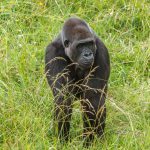
Rwanda Gorilla Trekking in Volcanoes National Park
After exploring Rwanda’s history, travellers can continue to Volcanoes National Park in northern Rwanda.
The park is internationally recognised for mountain gorilla trekking and conservation activities.
Travellers can combine Kigali historical excursions with a gorilla trekking experience, creating an itinerary that explores both Rwanda’s heritage and natural attractions.
Lake Kivu
Lake Kivu offers beautiful scenery, lakeside accommodation and opportunities for relaxation.
Destinations such as Karongi and Rubavu can be incorporated into longer Rwanda itineraries.
Rwanda Cultural Experiences
Visitors can also explore Rwanda’s cultural heritage through traditional performances, local crafts, community experiences and historical attractions.
These experiences provide a broader understanding of Rwanda’s people, traditions and contemporary identity.
Frequently Asked Questions About Nyamata Genocide Memorial
1. Where is Nyamata Genocide Memorial located?
Nyamata Genocide Memorial is located in Nyamata Sector, Bugesera District, Eastern Province, Rwanda. It occupies the grounds of a former Catholic church.
2. What happened at Nyamata Catholic Church in 1994?
Thousands of Tutsi civilians sought refuge at the church during the 1994 Genocide against the Tutsi. On 14 April 1994, attackers entered the church and massacred those who had gathered there.
3. How many people were killed at Nyamata?
Rwanda’s official heritage documentation records that more than 45,000 people were killed at the Nyamata site in a single day.
4. Why is Nyamata Genocide Memorial important?
It preserves the memory of victims, historical evidence and the remains of people killed during the genocide. It also educates visitors about the consequences of hatred, discrimination and mass violence.
5. Is Nyamata Genocide Memorial a UNESCO World Heritage Site?
Yes. It was inscribed in 2023 as one of four component sites of the UNESCO World Heritage property called Memorial Sites of the Genocide: Nyamata, Murambi, Gisozi and Bisesero.
6. Can tourists visit Nyamata Genocide Memorial?
Yes. International visitors can apply through Rwanda’s official IremboGov service. Visitors should confirm access and scheduling arrangements before travelling.
7. Is there an entrance fee at Nyamata Genocide Memorial?
The IremboGov application service for visiting genocide memorial sites is published as free of charge. Visitors should confirm any additional arrangements directly with the relevant authorities.
8. Can I visit Nyamata and Ntarama in one day?
Yes. Both memorials are located in Bugesera District and can be included in one historical excursion from Kigali, subject to confirmed access arrangements.
9. What can I see at Nyamata Genocide Memorial?
Visitors can see the preserved former church, victims’ clothing and belongings, preserved human remains, burial grounds and historical memorial displays.
10. When is Kwibuka commemorated in Rwanda?
Kwibuka begins on 7 April every year and marks the annual remembrance of the 1994 Genocide against the Tutsi. The national remembrance period extends over 100 days.
11. Which other genocide memorials can I visit in Rwanda?
Other important sites include Kigali Genocide Memorial, Ntarama Genocide Memorial, Murambi Genocide Memorial and Bisesero Genocide Memorial.
12. Can I combine Nyamata Genocide Memorial with gorilla trekking?
Yes. Travellers can visit Nyamata and other historical attractions around Kigali before continuing to Volcanoes National Park for mountain gorilla trekking.
Conclusion: Remembering the Victims of Nyamata Genocide Memorial
Nyamata Genocide Memorial is an important historical site that preserves the memory of thousands of innocent people killed during the 1994 Genocide against the Tutsi.
The former Catholic church, once a place where people gathered for worship and sought protection, now stands as a reminder of the suffering experienced by the local community.
Through its preserved historical evidence, burial grounds and international recognition, Nyamata continues to play an important role in remembrance, education and the protection of Rwanda’s cultural heritage.
Its inscription on the UNESCO World Heritage List in 2023 further demonstrates the international importance of preserving sites associated with the genocide.
For travellers visiting Rwanda, Nyamata offers an opportunity to understand the country’s history beyond its famous wildlife, mountain gorillas and beautiful landscapes.
A visit should always be approached with respect, sensitivity and a willingness to learn.
Explore Rwanda with Epic Uganda Vacation
At Epic Uganda Vacation, we believe that discovering East Africa involves more than wildlife safaris and beautiful landscapes. Understanding the history, culture and people of each destination is equally important.
We organise tailored Rwanda and Uganda holidays, including Kigali city tours, historical excursions, cultural experiences, mountain gorilla trekking and combined East African safaris.
Whether you are planning a short historical visit to Kigali and Bugesera or a longer Rwanda and Uganda adventure, we can help you incorporate meaningful experiences into your itinerary.
Thinking of an East Africa trip? Look no further.