
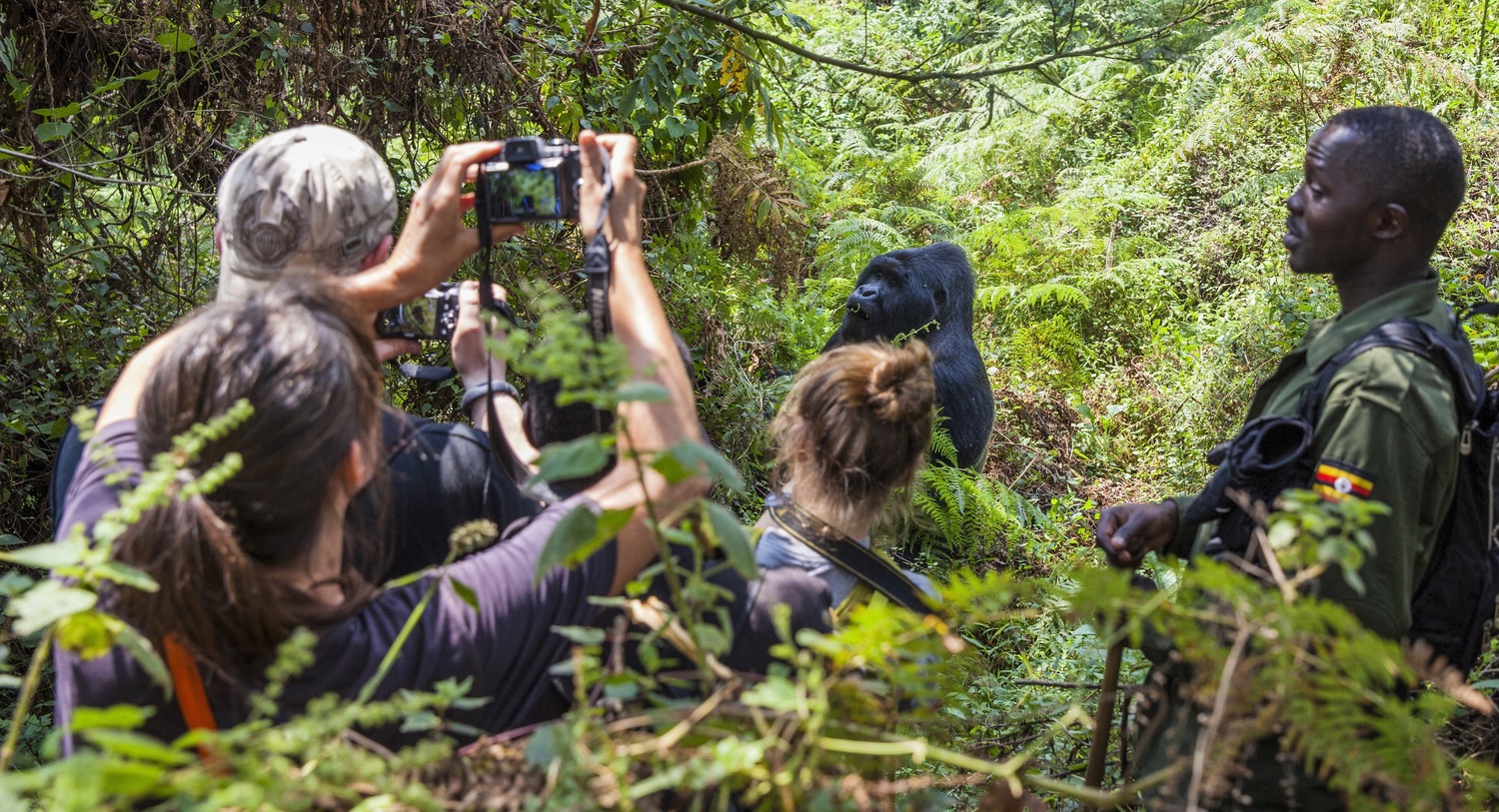
Gorilla trekking is one of the most exhilarating wildlife experiences on the planet, especially in Bwindi Impenetrable National Park, Uganda. Home to nearly half of the world’s remaining mountain gorillas. Bwindi offers trekkers the unique opportunity to see these magnificent creatures up close in their natural habitat. However, the experience can be physically demanding and presents several challenges. This article aims to provide an in-depth look at the difficulty level of gorilla trekking in Bwindi, what you need to know before you go, and tips to make your trek more enjoyable.
Understanding the Trekking Environment
Bwindi Impenetrable National Park is not named “impenetrable” for no reason. The park is characterized by steep hills, thick vegetation, and muddy trails. Trekking through the dense rainforest often requires navigating through underbrush, crossing streams, and sometimes climbing steep slopes. Some trails involve significant elevation gain, making it essential for trekkers to be physically prepared. The paths can be muddy, especially during the rainy seasons. Proper footwear is crucial for maintaining grip and stability. Thick foliage may obstruct views and require trekking through brambles and ferns. The unpredictable weather can further complicate the situation. It may rain unexpectedly, making trails slippery and challenging.
Bwindi’s climate is subtropical, characterised by heavy rainfall throughout the year. The weather can change rapidly, so trekkers must be prepared for both sunshine and rain. The average temperature ranges from 7°C to 20°C (45°F to 68°F), but it feels cooler in the dense forest.
Physical Demands of Trekking
Gorilla trekking varies in difficulty based on trail conditions and the location of the gorillas on the day of your trek. While previous trekking experience is helpful, moderate physical fitness is generally sufficient for trekkers. Trekkers should have good cardio fitness to endure a few hours of walking in potentially challenging conditions. Strong leg muscles will aid in navigating steep trails and uneven terrain. Trekkers should possess some level of agility to balance on muddy slopes and navigate through brush.
The duration of the trek can vary significantly based on the gorilla group’s location. On average, trekkers may spend. While some trekkers might encounter the gorillas quickly, others may have to hike for several hours. The average trek lasts about two to four hours of hiking before reaching the gorillas. Treks are organized in groups of eight people to minimize the impact on the gorilla population. Having a smaller group size can lead to a more manageable experience, but it can also mean different fitness levels among participants. Some trekkers may find themselves struggling to keep pace with faster hikers, while others may be more experienced. Group dynamics can impact the overall experience. Park rangers accompany trekkers, providing support and ensuring everyone’s safety throughout the trek.
Tips to Prepare for Gorilla Trekking in Bwindi
Physical Preparation: Start training at least a month before your trek. Engage in regular hikes that mimic the terrain you will encounter. Aerobic activities such as running, cycling, or swimming can improve your stamina. Focus on leg workouts, core stability, and overall body strength to prepare for steep climbs.
Gear and Packing Essentials: Bringing the right gear can significantly enhance your experience. Sturdy, waterproof hiking boots with good ankle support are a must. Gaiters can help keep mud out. Dress in moisture-wicking layers to deal with changing temperatures. A waterproof jacket is also recommended. A lightweight backpack for water, snacks, and any personal items.
Hydration and Nutrition: Staying hydrated is vital for maintaining energy levels during the trek. Carry enough water, and consider energy-boosting snacks such as nuts, energy bars, or fruit.
What to expect on gorilla trekking in Bwindi
Before you set off, rangers provide a briefing about the gorillas, safety protocols, and trekking guidelines. Maintain a respectful distance from the gorillas, adhere to park regulations, and follow your guide’s instructions for safety. Once you locate the gorilla group, you will spend one hour observing them. This moment can be breathtaking, providing the emotional payoff for your efforts.
The Benefits of Gorilla Trekking
Despite the challenges, gorilla trekking in Bwindi offers numerous rewards.
Unforgettable Wildlife Encounters: Seeing mountain gorillas in their natural habitat is an awe-inspiring experience. Their gentle demeanor and familial behaviors create intimate moments that few will forget.
Connection to Nature: Trekking through the beautiful landscapes of Bwindi allows you to connect with nature and appreciate the biodiversity of the rainforest. The sounds, smells, and sights create an immersive experience.
Cultural Engagement: Gorilla trekking often opens opportunities to engage with local communities. Visitors can learn about the cultural significance of the gorillas and the conservation efforts taking place, enabling a deeper understanding of the region.
Environmental Impact: Trekking permits contribute directly to conservation efforts. The funds generated help protect the gorillas, their habitats, and support local communities. By trekking, you contribute to these invaluable conservation initiatives.
Is Gorilla Trekking in Bwindi Worth the Challenge?
Gorilla trekking in Bwindi Impenetrable National Park can be physically demanding due to the challenging terrain, unpredictable weather, and various fitness levels among trekkers. However, with adequate preparation, the experience becomes one of the most rewarding wildlife encounters you can engage in.


