Which Is Worth It?
Gorilla trekking is often seen as a pinnacle experience for wildlife enthusiasts and adventure seekers. The chance to observe these majestic creatures in their natural habitat is both thrilling and humbling. When considering a gorilla trekking expedition, two countries stand out: Uganda and Rwanda. Both offer extraordinary opportunities to see mountain gorillas, but each destination has its unique features, advantages, and challenges. This article will compare gorilla trekking in Uganda and Rwanda, examining factors such as wildlife experiences, national parks, accessibility, cultural encounters, costs, and the best times to visit, to help you decide which destination is worth it for your journey.
A Brief Introduction to Mountain Gorillas
Mountain gorillas (Gorilla beringei beringei) are one of the world’s most endangered species, primarily found in the Virunga Mountains, which span the borders of Uganda, Rwanda, and the Democratic Republic of Congo. These incredible animals live in family groups led by a dominant silverback male, who plays a crucial role in the group’s social structure and protection. Their gentle nature, coupled with their impressive size, makes them one of the most sought-after wildlife encounters in the world.
Gorilla Trekking in Uganda
Uganda is home to approximately half of the world’s mountain gorilla population, mainly located within two national parks:
Bwindi Impenetrable National Park: This UNESCO World Heritage Site is known for its dense forests and diverse ecosystems. It provides the most gorilla families for trekking.
Mgahinga Gorilla National Park: Smaller than Bwindi, this park is located in the Virunga Mountains and offers a less crowded trekking experience.
Uganda’s gorilla trekking experience is renowned for its rugged terrain, making it a memorable adventure for those seeking a physically engaging experience.
Gorilla Trekking in Rwanda
Rwanda also protects a significant portion of the mountain gorilla population, primarily found in:
Volcanoes National Park: This park is part of the Virunga Massif and is famous for its eight habituated gorilla families, making it accessible for trekking.
Rwanda has developed a well-organized and efficient gorilla trekking experience, with shorter treks and excellent facilities, making it an attractive choice for first-time trekkers.
Both Uganda and Rwanda offer incredible opportunities for gorilla trekking. However, the choice may depend on the type of trekking experience you desire. More rugged and adventurous in Uganda, or more structured and somewhat easier in Rwanda
Uganda’s Gorilla Experience
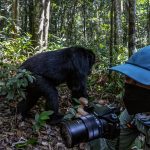
Gorilla trekking in Uganda can be a more raw and wild experience. Bwindi Impenetrable National Park, with its dense jungle and varied topography, provides a sense of adventure. Trekking through the forest can be challenging, with steep climbs and potential encounters with other wildlife, including forest elephants, monkeys, and numerous bird species.
The interactions with the gorillas are intimate and allow trekkers to observe their natural behaviors in a relatively uncommercialized setting. The experience in Uganda is often quieter, with fewer tourists, which can lead to a more personal encounter.
Rwanda’s Gorilla Experience
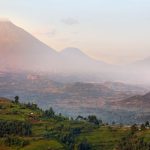
Rwanda’s volcanic landscape provides a different kind of beauty, with stunning views over the mountains and valleys. The treks in Volcanoes National Park are generally shorter and less strenuous, making them accessible to a wider audience, including families and older trekkers.
The gorilla families in Rwanda are relatively well-monitored, allowing for structured observation during visits. Due to the higher numbers of visitors, the experience may feel more commercialized, but the organization and facilities are top-notch, ensuring safety and comfort.
If you are looking for a rugged adventure and a sense of wilderness, Uganda may provide a more authentic experience. In contrast, Rwanda offers a more organized and straightforward trekking option that is accessible to a broader range of travelers.
National Parks and Accessibility
Bwindi Impenetrable National Park covers over 330 square kilometers and is accessible via a network of trails leading through dense forest. The park is located near the town of Kisoro and is accessible from the capital city, Kampala, though the journey can take several hours by road.
Mgahinga Gorilla National Park is smaller but offers a chance to see golden monkeys in addition to gorillas. Trekking here can be a less touristy experience, allowing for a more intimate encounter with nature.
Volcanoes National Park is more compact and accessible, located just a two-hour drive from the capital city, Kigali. The roads leading to the park are mostly in good condition, making travel easier for visitors. The park also has well-maintained facilities, including lodges and campsites.
Rwanda’s emphasis on eco-tourism and national development has resulted in a highly efficient tourism operation, making the experience seamless for travelers.
Rwanda’s Volcanoes National Park wins when it comes to accessibility and ease of travel. However, Uganda’s Bwindi Impenetrable National Park offers a larger wilderness area and a more rugged trekking experience.
Cultural Experience in Uganda
Uganda is home to numerous ethnic groups, including the Baganda, Basoga, and Bakiga. The opportunity to interact with local communities adds another dimension to the gorilla trekking experience.
Batwa Trail: Visitors can engage with the Batwa pygmies and learn about their traditional way of life, which is intertwined with the forest where they once lived as hunters and gatherers.
Cultural Performances: Many lodges and eco-friendly accommodations offer traditional music and dance performances that celebrate Ugandan culture.
Cultural Experience in Rwanda
Rwanda also has a rich cultural heritage, shaped significantly by its history. The Intore Dancers are world-famous for their acrobatic performances and traditional dances, showcasing Rwandan culture.
Community Visits: Many tours offer opportunities to engage with local communities and learn about Rwandan history, including visits to memorials dedicated to the genocide.
Cultural Centers: In Musanze, near Volcanoes National Park, there are cultural centers where visitors can learn about local crafts, storytelling, and traditional knowledge.
If cultural immersion is a high priority, Uganda may offer a more diverse range of interactions and experiences. However, Rwanda also provides rewarding cultural insights that enhance the gorilla trekking experience.
Cost of the Gorilla Trekking Experience
Uganda’s Pricing Structure
Gorilla trekking permits in Uganda are generally more affordable compared to Rwanda. A gorilla trekking permit costs $800 per person for Bwindi and Mgahinga Gorilla National Parks. Accommodations in Uganda can range from budget options to luxurious lodges, allowing you to tailor your experience according to your budget. On average, a mid-range safari can cost between $150 and $300 per day, including meals and lodging.
Rwanda’s Pricing Structure
In Rwanda, the cost for gorilla trekking permits is significantly higher, currently priced at $1,500 per person. While this might seem steep, many tourists find the cost justified due to the high quality of infrastructure and experience. Accommodations in Rwanda vary widely, but luxury lodges often dominate. A typical mid-range safari can range from $250 to $500 per day, including luxurious amenities and excellent meals.
For travelers on a budget, Uganda presents a more affordable option for gorilla trekking. Rwanda, while pricier, offers a high-quality experience with well-developed infrastructure that some travelers may find worth the investment.
Best Times to Visit
In Uganda, the best time for gorilla trekking is during the dry seasons (June to August and December to February) when the weather is drier, making the trails more manageable. Although the wet seasons (March to May and September to November) can also offer lush landscapes and fewer tourists, the trails can become muddy and difficult to navigate.
Similarly, the best time to visit Volcanoes National Park for gorilla trekking is also during the dry seasons from June to September and December to February. Treks are typically easier during these periods, although the park is more popular among tourists.
Both destinations are best visited during the same dry seasons. If you prefer fewer tourists and don’t mind a little mud, visiting during the wet seasons can still provide a rewarding experience in either location.
Conclusion: Which Is Worth It?
Choosing between gorilla trekking in Uganda and Rwanda ultimately depends on individual preferences and travel priorities. Both Uganda and Rwanda offer remarkable gorilla trekking experiences that cannot be found elsewhere in the world. Whether you choose to trek through the rainforests of Bwindi or the volcanic landscapes of Volcanoes National Park, you are sure to create lasting memories and witness the beauty of mountain gorillas in their natural habitats. The choice of destination will depend on the specific experiences you seek, making both tours worth it in their own right.