The Top Places for Wildlife Photography Tours in Uganda
Uganda, a country known for its diverse landscapes and rich biodiversity, offers a paradise for wildlife photographers seeking unique subjects. From the iconic mountain gorillas to the majestic elephants roaming the savannas, the national parks provide endless opportunities for stunning imagery. Indeed, a wildlife photography safari in Uganda is more than a trip; it is an immersion into the natural world.
Why You Should Choose Uganda for Photography
Uganda’s wildlife is as diverse as its landscapes. Notably, the country is home to the endangered mountain gorillas in Bwindi Impenetrable Forest and Mgahinga Gorilla National Park. Furthermore, the country boasts an array of species including tree-climbing lions, giraffes, and an impressive variety of birdlife. Consequently, photographers can create stunning visual narratives that play a crucial role in wildlife conservation.
Top Destinations for Wildlife Photography in Uganda
1. Bwindi Impenetrable Forest National Park
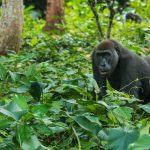
Known for its world-class gorilla trekking safaris, Bwindi is a prime location for capturing intimate moments with primates. As you hike through the lush green rainforest, expert safari guides help you find these gentle giants. Once you meet the gorillas, you have the perfect environment to capture the photo of a lifetime.
2. Queen Elizabeth National Park
This park is renowned for the rare tree-climbing lions in the Ishasha sector. In addition, the Kazinga Channel offers excellent opportunities for capturing hippos and elephants from the water. Specifically, the park is a birdwatcher’s dream, featuring species like:
-
Abyssinian Ground Hornbill
-
African Fish Eagle
-
Grey-Crowned Crane (Uganda’s national bird)
3. Murchison Falls National Park
Home to the world’s most powerful waterfall, this park provides dramatic landscapes. Notably, you can photograph the “Big 4” (Lion, Leopard, Elephant, and Buffalo) against the green savannah plains on a 12-day Uganda wildlife photography safari. Furthermore, you will encounter giraffes and Nile crocodiles grazing under the iconic sausage trees.
4. Kibale Forest National Park
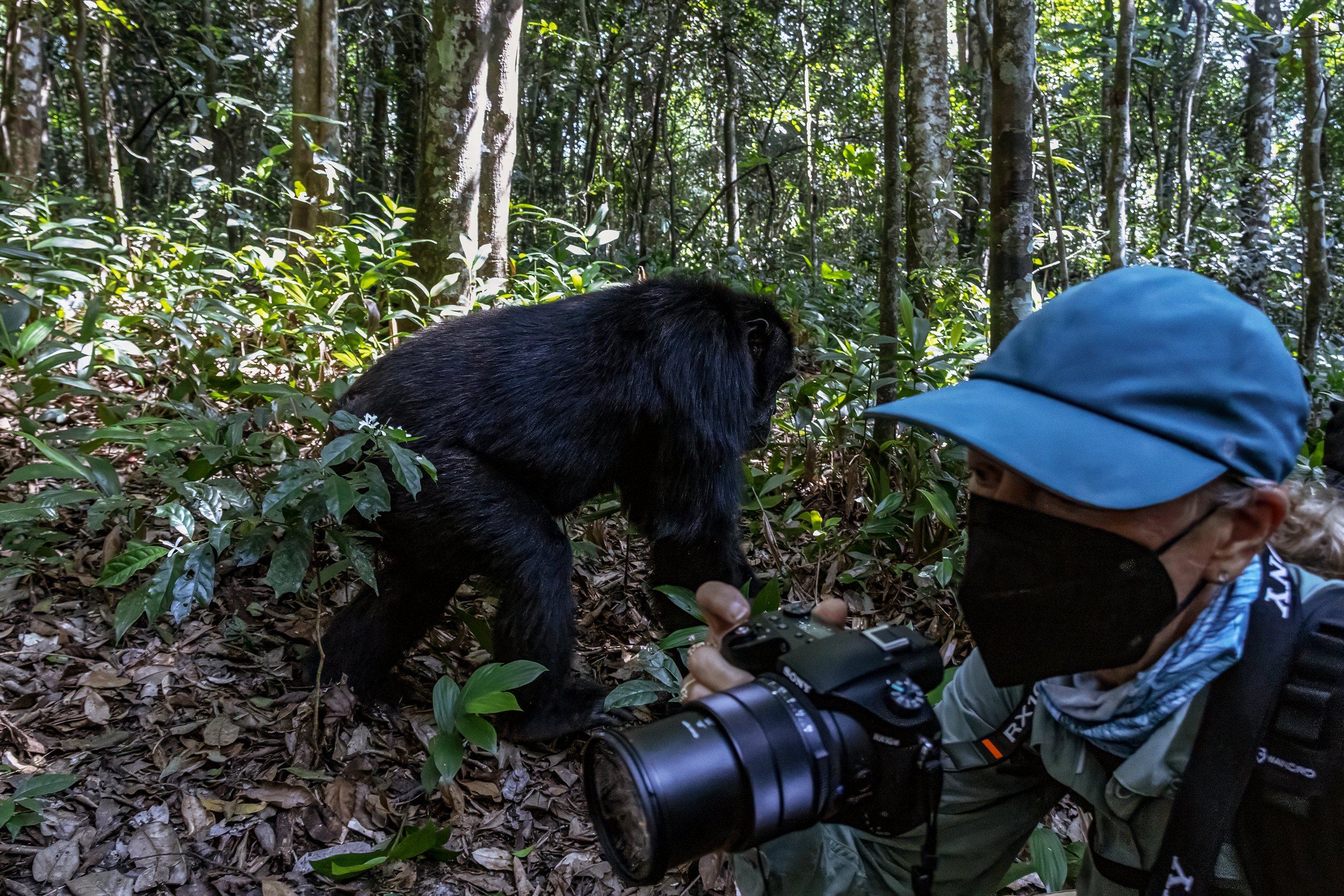
Kibale is ideal for capturing primates such as chimpanzees. During your session, an experienced guide leads you through the forest. Once you find the group, you spend one hour capturing their fascinating behaviors. Additionally, a nature walk in the Bigodi Wetland Sanctuary introduces you to rare forest birds and monkeys.
Essential Tips for a Successful Photography Safari
To ensure your photography trip in Uganda is a success, keep these professional tips in mind:
-
Golden Hours: Early mornings and late afternoons offer the best lighting. Specifically, the soft, warm light during these hours adds a professional glow to your images.
-
Patience is Key: Wildlife photography requires waiting. Therefore, spend time observing animal behavior to anticipate the perfect shot.
-
Respect the Environment: Always maintain a safe distance. Because the well-being of the animals is paramount, follow all park regulations strictly.
-
Prepare for Weather: Uganda’s weather is unpredictable. Consequently, you must pack a sturdy camera bag, rain covers, and extra batteries.
Beyond the Lens: What Else to Consider
Birdwatching and Bird Photography
Uganda is a birdwatcher’s paradise with over 1,000 recorded species. For instance, photographers flock here to capture the prehistoric-looking Shoebill Stork. To maximize your sightings, you should research the best time for bird watching in Uganda before booking your tour.
Landscape and Regional Safaris
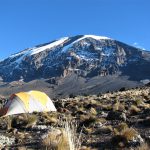
Beyond wildlife, the landscapes—from the snow-capped Rwenzori Mountains to the tranquil Nile River—provide endless inspiration. If you are looking for an extensive journey, consider a 15-day photography safari in East Africa which combines the best of Uganda and its neighbors.
Ethical Considerations
When photographing in Africa, ethical practices are essential. Indeed, you must avoid disrupting natural behaviors. By adhering to sustainable travel practices, you ensure that these ecosystems remain vibrant for future generations.