A tour of CTC Conservation Centre offers a different kind of wildlife experience in Uganda. Instead of travelling deep into a national park, visitors can discover a wide variety of animals in a privately managed conservation facility in Butambala District, within easy reach of Kampala. The centre provides an opportunity to see wildlife, learn about conservation and understand some of the work involved in protecting animals in a controlled environment.
The CTC Conservation Centre, whose name comes from Conservation Through Commercialisation, was established in 2015 as a privately owned wildlife facility. It is located in Lukalu, Butambala District, approximately 36–43 kilometres southwest of Kampala along the Kampala–Masaka road, and about 15 minutes from Mpigi Town. For travellers with limited time in Uganda, a CTC Conservation Centre tour can be an interesting addition to a Kampala itinerary or a longer Uganda safari.
Where Is CTC Conservation Centre?
CTC Conservation Centre is located in Lukalu in Butambala District, in Uganda’s Central Region. The centre is accessed by road from Kampala, making it considerably easier to visit than many of Uganda’s major wildlife destinations.
The journey takes you away from the busy streets of Kampala and towards the countryside along the Kampala–Masaka road. From the city, the drive generally takes around one to one-and-a-half hours, depending on traffic and road conditions. The centre is also approximately 15 minutes from Mpigi Town. Its location makes the conservation centre suitable for travellers looking for a short wildlife excursion from Kampala without committing several days to a traditional safari.
What Is CTC Conservation Centre?
CTC Conservation Centre is a privately owned wildlife and conservation facility established with the idea that conservation can be supported through sustainable commercial activities. The centre combines wildlife experiences with conservation, education and animal management. Rather than functioning like a conventional national park, CTC provides visitors with opportunities to see animals in a managed environment while learning about the species and the importance of protecting wildlife.
According to Uganda’s 2026 State of Wildlife Resources report, the facility has a diverse collection of mammals and reptiles, including carnivores, herbivores and other wildlife species. This diversity is one of the main reasons a visit to CTC Conservation Centre can feel different from a conventional wildlife drive.
Wildlife You Can See at CTC Conservation Centre
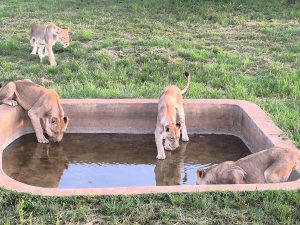
One of the biggest attractions of a CTC Conservation Centre tour in Uganda is the variety of wildlife found within the facility. The animals recorded at the centre include several species of carnivores, herbivores and smaller mammals. These include lions, hyenas, jackals, servals, bat-eared foxes, bushbucks, Uganda kobs, impalas, waterbucks and zebras. The centre also has giraffes and other wildlife species.
Visitors may also encounter a variety of reptiles. Tortoises, crocodiles, chameleons and snakes are among the animals associated with the centre’s wildlife experiences. The range of species means that even a relatively short visit can introduce visitors to animals that they might otherwise need to visit several different destinations to see.
Lions
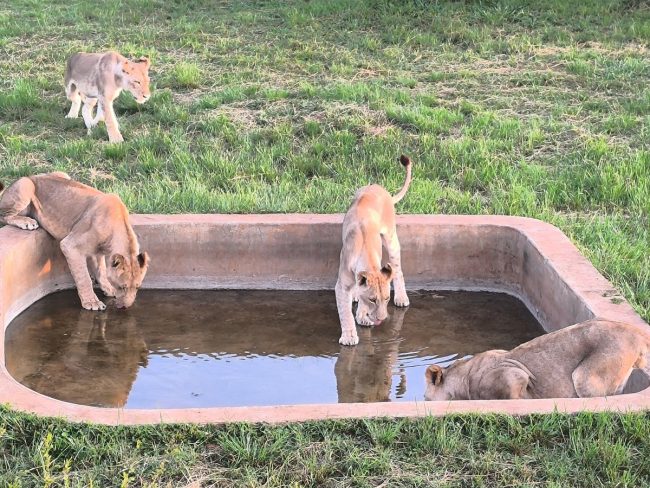
Lions are among the animals that attract particular interest at CTC. Some visiting experiences have included supervised interaction with young lions, depending on the animals’ age and the activities available at the time of the visit. Because lions are wild animals, visitors should always follow the instructions of the centre’s staff. Wildlife interaction should be conducted under controlled conditions and with animal welfare in mind.
Zebras and Antelopes
Zebras and antelopes add another dimension to the experience. Visitors can observe their behaviour and learn how different herbivore species live and interact. Uganda kob, impala, waterbuck and bushbuck are among the herbivores recorded at the centre.
Hyenas and Other Carnivores
The centre’s wildlife collection also includes spotted hyenas, striped hyenas, jackals, servals and other carnivorous species. The 2026 national wildlife report records both spotted and striped hyenas at the facility, as well as several smaller carnivores. Seeing these species in a managed environment provides an opportunity to learn about their characteristics, behaviour and ecological importance.
Reptiles
For visitors interested in reptiles, the centre provides another reason to visit. Depending on the experience available on the day, visitors may see tortoises, crocodiles, chameleons and snakes. The reptile component can be particularly interesting for children and educational groups because it introduces visitors to animals that are often misunderstood.
Conservation and Education at CTC
The conservation message is central to the CTC experience. The facility was established around the concept of Conservation Through Commercialisation, which focuses on creating economically sustainable ways of supporting wildlife conservation. Its activities also include conservation education and animal management. A visit therefore goes beyond simply taking photographs of animals. It can help visitors understand why wildlife conservation requires funding, professional animal care, suitable habitats and public awareness. For schools, families and visitors interested in conservation, the centre can provide an accessible introduction to wildlife protection without requiring a long journey into one of Uganda’s remote national parks.
What Is a Tour of CTC Conservation Centre Like?
A typical visit begins with an introduction and briefing before visitors start exploring the facility. The exact experience can depend on the tour option and animals available at the time. The centre’s published basic tour currently describes an experience of approximately 2.5 hours, with opportunities to see a selection of animals including young lions, zebras, impalas, chameleons, bat-eared foxes, tortoises, baby crocodiles and snakes. Visits are currently arranged by appointment, with limited groups accepted each day. The centre’s website lists visiting times around 10:00 AM, 1:00 PM and 3:00 PM, although visitors should confirm availability before travelling because arrangements can change as the facility continues to develop.
How Long Should You Spend at CTC Conservation Centre?
For a first visit, allowing approximately 2.5 to 3 hours provides enough time to explore the facility and participate in the available activities without making the excursion unnecessarily long. Travellers starting from Kampala can make the visit part of a half-day excursion or combine it with other attractions in the Kampala–Mpigi area. The centre has also been developing additional infrastructure, meaning the visitor experience may continue to expand over time. Its official information notes that facilities such as accommodation and dining infrastructure were still under development.
Who Should Visit CTC Conservation Centre?
A CTC Conservation Centre tour can appeal to several types of travellers. Families with children may enjoy the variety of animals and the educational aspect of the visit. It provides children with an opportunity to see wildlife at relatively close range while learning about different species.
Wildlife enthusiasts can also find the diversity of animals interesting, particularly because the centre includes species that are not commonly seen together. Photographers may appreciate the opportunity to photograph lions, zebras, antelopes, reptiles and other animals in a controlled setting.
The centre can also be suitable for students and educational groups, particularly where the focus is on wildlife, conservation, animal behaviour and environmental awareness. For travellers staying in Kampala for only a few days, it can provide a wildlife experience without requiring a multi-day safari.
Best Time to Visit CTC Conservation Centre
CTC Conservation Centre can be visited throughout the year. However, because visits are currently arranged by appointment and the number of visitors is limited, it is important to arrange the visit in advance. Morning and early afternoon visits can be convenient for travellers combining CTC with other activities. The best time ultimately depends on the scheduled tour and the activities available on the day. Visitors should also remember that wildlife behaviour is not completely predictable. Animals may be active at different times, so the experience can vary from one visit to another.
What to Bring for a CTC Conservation Centre Tour
A few simple items can make the experience more comfortable. Bring comfortable walking shoes, lightweight clothing, sunscreen, a hat and drinking water. A camera or smartphone is also useful for photography. Because Uganda has a tropical climate, carrying insect repellent can be helpful, particularly when spending time outdoors. Most importantly, visitors should follow the instructions provided by the centre’s guides and animal handlers. Wildlife should never be approached, fed or touched unless staff specifically permit the activity.
CTC Conservation Centre as a Short Uganda Wildlife Experience
Uganda is internationally known for destinations such as Bwindi Impenetrable National Park, Queen Elizabeth National Park, Murchison Falls National Park and Kibale National Park. However, wildlife experiences are not limited to the country’s large national parks. CTC Conservation Centre provides a different option. Its proximity to Kampala makes it possible to experience a range of wildlife without spending several days travelling between national parks.
It is particularly useful for travellers who have a free day in Kampala, families looking for an educational outing, or visitors who want to add a conservation-focused experience to their Uganda itinerary.
Final Thoughts
A tour of CTC Conservation Centre offers an accessible way to discover Uganda’s wildlife and learn more about conservation. Located in Lukalu, Butambala District, the centre combines wildlife viewing, education and conservation within a privately managed facility. From lions, hyenas and zebras to antelopes, reptiles and smaller carnivores, the variety of species makes the visit different from a traditional game drive. Its location near Kampala also makes it practical for travellers who have limited time. As the centre continues developing its facilities and conservation programmes, it is becoming an increasingly interesting addition to Uganda’s growing collection of wildlife attractions.
If you are planning a Uganda holiday and have time available around Kampala, adding CTC Conservation Centre to your itinerary can provide a memorable introduction to wildlife and conservation before continuing to the country’s larger national parks and protected areas.