A Visit to Grumeti Game Reserve, Tanzania: Wildlife, the Great Migration and an Exclusive Safari Experience
Introduction
Tanzania is famous for its extraordinary wildlife destinations, and while the Serengeti National Park attracts much of the attention, there are other remarkable wilderness areas that offer equally memorable safari experiences. One such destination is Grumeti Game Reserve, situated along the western side of the greater Serengeti ecosystem in northern Tanzania.
Known for its sweeping savannah plains, seasonal rivers, impressive wildlife populations and connection to the Great Wildebeest Migration, Grumeti is an exciting destination for travellers seeking an authentic African safari. Its landscape provides important habitat for elephants, lions, leopards, buffaloes, giraffes, hyenas, crocodiles and numerous other species.
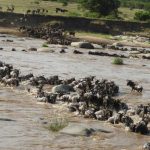
The reserve is particularly interesting during the annual wildebeest migration when enormous herds move through the western Serengeti corridor, sometimes crossing the crocodile-inhabited Grumeti River.
Beyond wildlife viewing, the wider Grumeti conservation landscape is recognised for its conservation initiatives, community partnerships and exclusive safari experiences. Visitors can combine a stay in this region with other famous northern Tanzania destinations, including Serengeti National Park, Ngorongoro Conservation Area and Tarangire National Park.
For travellers planning a Tanzania safari with Epic Uganda Vacation, Grumeti offers an opportunity to explore a less conventional part of the Serengeti ecosystem while enjoying remarkable wildlife encounters.
Where Is Grumeti Game Reserve Located?
Grumeti Game Reserve is located in the Mara Region of northern Tanzania, within the western section of the greater Serengeti ecosystem. It lies along the western corridor of Serengeti National Park, an important wildlife movement route connecting the central Serengeti plains with the northern Serengeti and the Maasai Mara ecosystem in Kenya.
The reserve takes its name from the seasonal Grumeti River, which flows through the landscape and provides an important source of water for wildlife, particularly during drier periods.
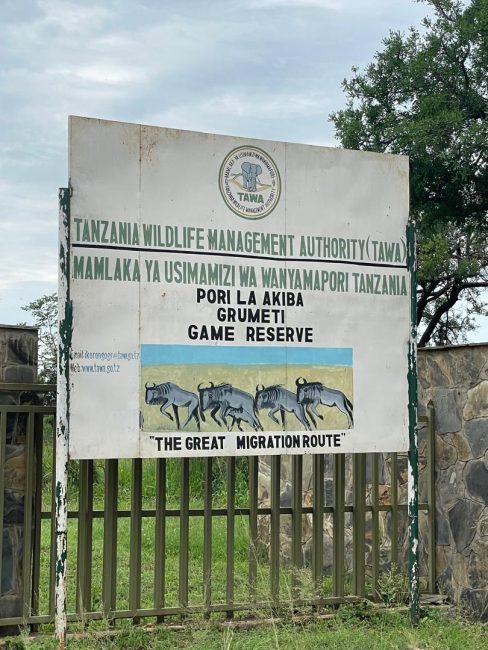
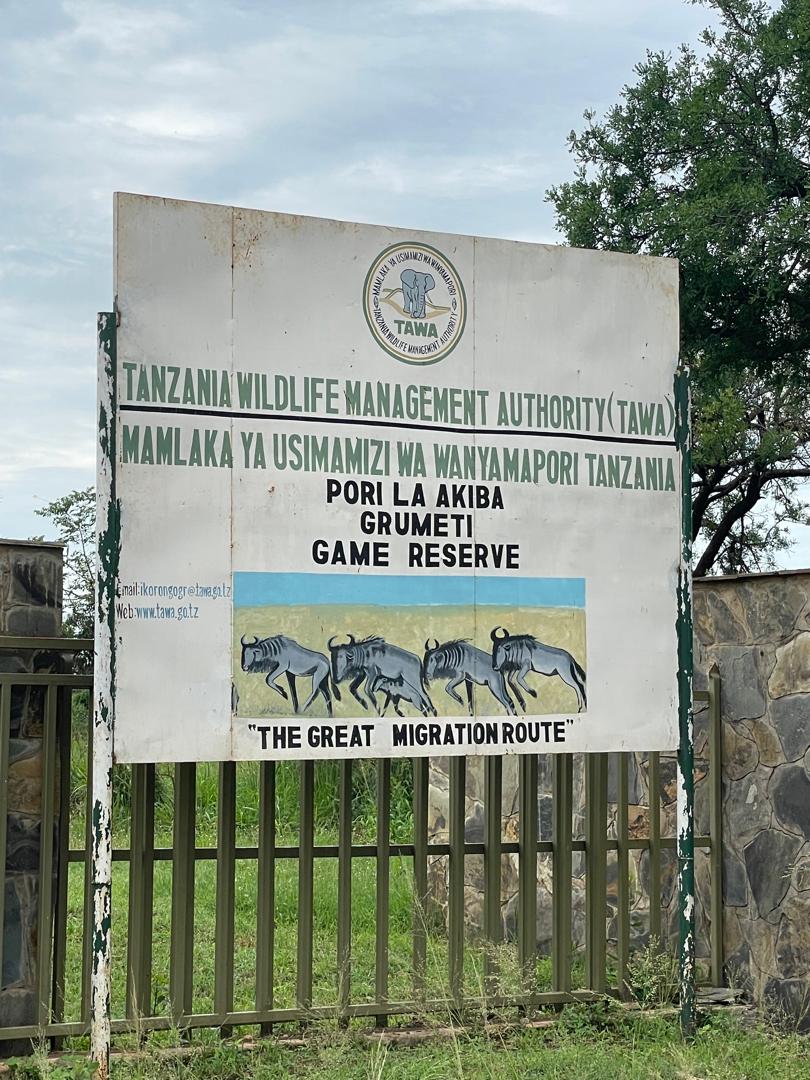
According to the Tanzania Wildlife Management Authority (TAWA), Grumeti Game Reserve covers approximately 434.5 square kilometres and was gazetted as a protected area on 10 June 1994. It is administered together with the neighbouring Ikorongo Game Reserve.
It is important not to confuse the government-administered Grumeti Game Reserve with the wider Singita Grumeti conservation and tourism concession, which covers a much larger landscape of approximately 350,000 acres.
The wider area is part of an important conservation initiative that combines wildlife protection, tourism and community development.
The History of Grumeti Game Reserve
Grumeti has an important place in Tanzania’s wildlife conservation history. The reserve was officially gazetted in 1994 to protect wildlife habitats and maintain the ecological integrity of the western Serengeti.
Historically, parts of the western Serengeti experienced serious wildlife pressures, including illegal hunting, snaring, habitat degradation and uncontrolled fires. These challenges affected wildlife populations and threatened the ecological balance of the region.
A major conservation development came in 2003 when the Grumeti Fund began working in the area alongside government authorities and conservation partners.
Through anti-poaching operations, habitat restoration, wildlife monitoring and community engagement, conservation efforts have helped restore wildlife populations and strengthen protection across the landscape.
One particularly significant achievement was the reintroduction of nine critically endangered eastern black rhinos in 2019, helping restore an important species to the wider ecosystem.
Today, Grumeti is recognised as an important conservation landscape within the Serengeti ecosystem.
Wildlife in Grumeti Game Reserve
Grumeti supports a rich variety of wildlife species because of its grasslands, woodland habitats, seasonal watercourses and riverine forests.
Visitors can encounter several iconic African mammals during game drives.
1. African elephants
Elephants are among the most impressive animals found in the Grumeti landscape. They move through woodland areas, open grasslands and riverine habitats in search of food and water.
Family groups can sometimes be seen feeding on vegetation, interacting with their young or moving between water sources.
2. Lions
Grumeti is an exciting destination for lion sightings. The surrounding plains support prey species such as wildebeest, zebras, gazelles and buffaloes, making the area suitable habitat for these powerful predators.
Visitors may encounter lions resting under trees, patrolling their territories or hunting during the cooler hours of the day.
3. Leopards
Leopards are among the more elusive predators in Grumeti. They inhabit areas with trees, rocky outcrops and thick vegetation where they can rest, hunt and conceal themselves.
Early morning and late afternoon game drives provide opportunities to search for these secretive cats.
4. African buffaloes
Large buffalo herds are an important part of the Grumeti ecosystem. They graze on open grasslands and frequently gather around water sources.
Buffaloes are also important prey for lions, particularly when predators target young, old or weakened individuals.
5. Giraffes
The beautiful Masai giraffe is another species visitors may encounter. Giraffes browse on acacia trees and other woody vegetation, using their long necks and specialised tongues to reach leaves that many other herbivores cannot access.
6. Zebras
Plains zebras are commonly associated with the Serengeti ecosystem and are particularly important during the Great Migration.
They graze alongside wildebeest and other herbivores, taking advantage of different vegetation heights and contributing to the ecosystem’s natural grazing patterns.
7. Spotted hyenas
Spotted hyenas are intelligent and highly social carnivores. They are both skilled hunters and scavengers, playing an important role in maintaining the ecosystem by consuming carcasses.
They can be encountered during daytime game drives, although they are particularly active at night.
8. Black rhinoceros
The wider Grumeti conservation landscape has become important for eastern black rhino conservation.
In 2019, nine eastern black rhinos were reintroduced into the wider Ikorongo-Grumeti area. Their return represented a significant conservation achievement following their local disappearance.
Rhinos are highly protected, and sightings should never be expected or guaranteed.
Other wildlife
Additional species found in the wider Grumeti ecosystem include:
-
Topi
-
Coke’s hartebeest
-
Thomson’s gazelles
-
Grant’s gazelles
-
Warthogs
-
Baboons
-
Vervet monkeys
-
Hippos
-
Nile crocodiles
-
Various mongoose species
The diversity of wildlife makes Grumeti attractive to photographers, wildlife enthusiasts and travellers interested in exploring different habitats within the Serengeti ecosystem.
The Great Wildebeest Migration in Grumeti
One of the greatest reasons to visit Grumeti Game Reserve is its connection to the annual Great Wildebeest Migration.
Every year, more than a million wildebeest, accompanied by hundreds of thousands of zebras and gazelles, move across the Serengeti-Mara ecosystem in search of fresh grazing and water.
The migration follows seasonal rainfall patterns rather than a fixed calendar. The animals move between the southern Serengeti plains, the western corridor, the northern Serengeti and Kenya’s Maasai Mara before eventually returning south.
When does the migration reach Grumeti?
The western Serengeti corridor generally experiences significant migration activity around May, June and July, although exact timing varies depending on rainfall and grazing conditions.
During this period, large herds move through the western Serengeti towards the northern grasslands.
One of the most dramatic experiences is watching wildebeest approach the Grumeti River.
Grumeti River crossings
The Grumeti River is famous for its challenging wildlife crossings.
As wildebeest move through the western corridor, they encounter the river, which contains large Nile crocodiles. The animals must negotiate steep riverbanks, strong currents and submerged obstacles as they attempt to reach the opposite side.
River crossings can be chaotic, with thousands of animals gathering along the banks before some eventually enter the water.
The presence of crocodiles adds another dimension to this extraordinary natural spectacle.
However, river crossings are unpredictable. Wildebeest may gather for hours or days before crossing, and some seasons may produce fewer dramatic crossings than others.
Travellers should therefore allow sufficient time in the western Serengeti rather than planning their entire safari around a guaranteed river crossing.
Why is the Grumeti River important?
The river is important beyond the migration spectacle.
Its seasonal water supplies sustain wildlife during dry periods and support riverine vegetation that provides shelter and feeding grounds for several species.
Hippos and crocodiles also inhabit the river system, while numerous birds use its surrounding vegetation.
Things to Do in Grumeti Game Reserve
Grumeti offers several exciting wildlife experiences. The wider Grumeti and Ikorongo conservation landscape provides opportunities to explore the wilderness in different ways.
1. Guided game drives
Game drives are among the most popular activities in Grumeti.
Accompanied by experienced safari guides, visitors explore open grasslands, woodland areas and riverine habitats while searching for wildlife.
Morning game drives are particularly rewarding because predators are often active after a night of hunting.
Afternoon drives provide opportunities to observe elephants, giraffes, buffaloes and other herbivores as they move through the landscape.
Depending on the accommodation and concession arrangements, guests may enjoy more flexible game-drive schedules than those permitted inside Serengeti National Park.
2. Guided walking safaris
Walking safaris offer a completely different perspective of the African wilderness.
Instead of viewing wildlife exclusively from a safari vehicle, visitors explore the landscape on foot under the supervision of qualified guides and appropriately authorised armed rangers.
During the walk, guides introduce guests to animal tracks, insects, plants, bird calls and smaller details that are often overlooked during conventional game drives.
Walking safaris are particularly appealing to travellers who want a closer understanding of the Serengeti ecosystem.
Availability, age restrictions and walking routes depend on the operator and applicable reserve regulations.
3. Night game drives
Night game drives are another exciting activity in the wider Grumeti safari concession.
After sunset, the wilderness becomes a different environment as nocturnal animals emerge.
Using specialised spotlights, guides search for:
-
Leopards
-
Spotted hyenas
-
Genets
-
Civets
-
Bush babies
-
Porcupines
-
Nightjars
-
Other nocturnal species
Night drives are especially interesting for wildlife photographers and travellers who want to understand animal behaviour beyond daylight hours.
They are not permitted under the standard rules for ordinary game drives inside Serengeti National Park, making concession-based experiences particularly attractive.
4. Hot-air balloon safaris
A hot-air balloon safari offers a spectacular opportunity to appreciate the scale of the Serengeti ecosystem from above.
Early in the morning, visitors rise before sunrise and travel to the balloon launch site.
As the balloon gradually ascends, the landscape opens up to reveal endless grasslands, woodland patches, rivers and wildlife moving across the plains.
Depending on the season, visitors may see large herds of wildebeest and zebras from the air.
Balloon safaris are subject to weather conditions, operator arrangements and availability. Confirm that the experience is offered from your chosen accommodation before booking.
5. Birdwatching
Grumeti is also worth considering for birdwatching enthusiasts.
Its combination of grasslands, acacia woodland, riverine vegetation and seasonal watercourses attracts a variety of bird species.
Birdwatchers may encounter:
-
Ostriches
-
Secretary birds
-
Helmeted guineafowl
-
Various francolins
-
Vultures
-
Crowned cranes
-
Eagles
-
Bee-eaters
-
Hornbills
-
Starlings
-
Weavers
-
Kingfishers
The surrounding river habitats are particularly interesting for water-associated birds.
A knowledgeable birding guide can help visitors identify species through their calls, plumage, flight patterns and feeding behaviour.
6. Sundowners in the African wilderness
A sundowner is a memorable way to conclude a day in the African wilderness.
After an afternoon game drive, guests may stop at a scenic location to enjoy refreshments while watching the sun disappear over the Serengeti landscape.
The changing colours of the sky, distant animal calls and peaceful surroundings create a beautiful safari experience.
Sundowner arrangements depend on the lodge and the location’s safety regulations.
The Grumeti River: Wildlife and Natural Attractions
The Grumeti River is one of the most recognisable natural features of the region. It plays an important ecological role, particularly during the dry season when water becomes increasingly important for wildlife survival.
The river and its surrounding vegetation create habitats for several animals and birds.
Nile crocodiles
The Grumeti River is known for its large Nile crocodiles. These reptiles are particularly associated with the wildebeest migration because they wait in the water for opportunities to prey on animals attempting to cross.
Hippopotamuses
Hippos spend much of the day submerged in water to protect their sensitive skin from the sun. They emerge at night to graze on nearby grasslands.
Their presence makes the river an interesting location for wildlife observation.
Riverine vegetation
The vegetation along the river provides shelter, feeding areas and nesting habitats for different wildlife species.
Visitors may encounter monkeys, birds and other animals around these wooded sections.
Accommodation: Where to Stay in Grumeti
Accommodation in the wider Grumeti safari landscape is particularly associated with high-end and luxury safari experiences.
Unlike some of Tanzania’s larger national parks, where visitors can choose from budget campsites, public camps and mid-range lodges, the exclusive Singita Grumeti concession is primarily known for premium accommodation.
Some notable properties include:
1. Singita Sasakwa Lodge
Singita Sasakwa Lodge is an elegant safari property situated on Sasakwa Hill, offering expansive views over the Serengeti landscape.
The lodge combines classic colonial-inspired architecture with contemporary luxury. Its facilities and accommodation are designed for travellers seeking privacy, personalised service and exceptional wildlife experiences.
2. Singita Sabora Tented Camp
Singita Sabora Tented Camp provides a more intimate tented safari experience.
The camp combines contemporary tented accommodation with the natural surroundings of the Serengeti. It is particularly suitable for travellers who appreciate the atmosphere of a traditional African safari while enjoying modern comforts.
3. Singita Faru Faru Lodge
Faru Faru Lodge is an attractive luxury property overlooking a wildlife-rich landscape.
Its design incorporates natural materials, open spaces and large viewing areas that connect guests with the surrounding environment.
4. Singita Explore
Singita Explore offers an adventurous private-camp experience.
It is particularly appealing to travellers who want a more intimate wilderness stay, with a dedicated team and flexible safari arrangements.
Accommodation advice: These properties are in the wider Singita Grumeti concession, not interchangeable with ordinary public accommodation inside Serengeti National Park. Confirm the exact location, access arrangements and activities included in your booking.
Best Time to Visit Grumeti Game Reserve
Grumeti can be visited throughout the year, but the best time depends on your interests, particularly whether you want to experience the Great Wildebeest Migration.
June to July: Best for the migration
June and July are among the most interesting months for visiting the western Serengeti.
Large wildebeest herds may move through the Grumeti corridor, with opportunities to witness river crossings.
This period is especially attractive to wildlife photographers and travellers interested in migration behaviour.
August to October: Dry-season wildlife viewing
During the dry season, vegetation becomes thinner in many areas and animals increasingly depend on permanent and seasonal water sources.
Wildlife viewing can be rewarding, with opportunities to encounter elephants, lions, buffaloes and other animals.
However, the main migration herds may have moved further north towards the Mara River and Kenya’s Maasai Mara.
November to December: Short rains
The short rains generally begin around September or October and may continue into December.
The landscape becomes greener, migratory wildlife begins moving southwards and birdwatching becomes particularly rewarding.
January to February: Calving season in the southern Serengeti
Although the main wildebeest calving season takes place further south in the Ndutu and southern Serengeti plains, this period can be an excellent opportunity to combine different regions of the ecosystem.
Travellers can enjoy Grumeti as part of a wider northern Tanzania safari, depending on their itinerary.
March to May: Long rains
The long rainy season generally occurs between March and May.
The landscape becomes lush, vegetation grows rapidly and many migratory birds are present.
Some roads may become muddy, and heavy rainfall can affect safari logistics.
| Month | Safari experience |
|---|---|
| January–February | Green landscapes and southern Serengeti calving season |
| March–May | Long rains, lush scenery and birdwatching |
| June–July | Western corridor migration and possible river crossings |
| August–October | Dry-season wildlife viewing |
| November–December | Short rains and southward migration movements |
The migration is driven by rainfall and grazing conditions, so no safari operator can guarantee a particular river crossing on a particular date.
How to Get to Grumeti Game Reserve
Grumeti is accessible by both road and air, although flying is particularly convenient for travellers staying in the exclusive safari concessions.
1. By air
Flying is one of the easiest ways to reach the wider Grumeti safari area.
Visitors can arrange scheduled or charter flights from major safari hubs, depending on the airline, season and itinerary.
Relevant airstrips include:
-
Sasakwa Airstrip – serves the Singita Grumeti concession.
-
Fort Ikoma Airstrip – provides access to the wider western Serengeti area.
Flights may connect through Arusha, Kilimanjaro or other Serengeti airstrips.
Travellers should confirm which airstrip serves their selected accommodation because these facilities are not interchangeable.
2. By road
Grumeti can also be reached by road through the Serengeti region.
A road safari allows visitors to explore other northern Tanzania destinations along the way, including:
-
Ngorongoro Conservation Area
-
Serengeti National Park
-
Ikorongo Game Reserve
TAWA lists approximate road distances to the combined Ikorongo-Grumeti reserve area from several regional towns, including 350 km from Arusha, 260 km from Mwanza, 120 km from Musoma and 32 km from Mugumu.
These are regional access references, not guaranteed driving distances to an individual lodge. Actual journey times depend on the route, road conditions, park entry arrangements and accommodation location.
Combining Grumeti with Other Tanzania Safari Destinations
One of the advantages of visiting Grumeti is its location within the greater Serengeti ecosystem.
Travellers can combine it with other remarkable destinations to create a more comprehensive Tanzania safari.
1. Serengeti National Park
A visit to Serengeti National Park is an excellent addition to a Grumeti safari.
The park is internationally recognised for its large predator populations, endless plains and the Great Wildebeest Migration.
Travellers can explore the central Serengeti around Seronera, the western corridor and the northern Serengeti depending on the season.
2. Ngorongoro Conservation Area
Ngorongoro Conservation Area is another remarkable destination.
Its main attraction is the Ngorongoro Crater, a spectacular volcanic caldera supporting a high concentration of wildlife.
Visitors can search for lions, elephants, buffaloes, zebras, wildebeest and the endangered black rhinoceros.
3. Tarangire National Park
Tarangire National Park is famous for its large elephant herds, ancient baobab trees and seasonal wildlife concentrations along the Tarangire River.
It is an excellent addition for travellers interested in elephants, birdwatching and diverse savannah landscapes.
4. Lake Manyara National Park
Lake Manyara National Park offers a different safari environment characterised by groundwater forests, open grasslands and the alkaline lake.
It is known for elephants, baboons, hippos, waterbirds and its famous tree-climbing lions.
Suggested 5-Day Tanzania Safari Including Grumeti
For travellers interested in combining migration viewing with other wildlife experiences, Epic Uganda Vacation can arrange a private safari incorporating Grumeti and the wider Serengeti ecosystem.
| Day | Destination | Main experience |
|---|---|---|
| 1 | Arusha – Serengeti | Scenic transfer or flight to the Serengeti |
| 2 | Western Serengeti – Grumeti | Game drives and migration viewing |
| 3 | Grumeti | Full-day wildlife safari and possible river crossing |
| 4 | Central Serengeti | Predator viewing and exploration of the plains |
| 5 | Ngorongoro | Crater game drive and onward departure |
This itinerary can be adjusted depending on the migration season, accommodation preferences, available flights and the number of nights travellers wish to spend in each location.
Map: Grumeti and the Northern Tanzania Safari Circuit
Why Visit Grumeti Game Reserve?
Grumeti is an excellent destination for travellers who want to explore a different part of the Serengeti ecosystem.
Its main attractions include:
-
The Great Wildebeest Migration: An opportunity to witness enormous herds moving through the western Serengeti corridor.
-
Grumeti River crossings: A chance to observe the dramatic interactions between migrating wildebeest and Nile crocodiles.
-
Predator sightings: Opportunities to encounter lions, leopards, hyenas and other carnivores.
-
Walking safaris: A closer understanding of the wilderness through guided nature walks where permitted.
-
Night game drives: Opportunities to discover nocturnal wildlife in authorised concession areas.
-
Luxury safari experiences: Exclusive accommodation and personalised wildlife activities.
-
Birdwatching: Diverse birdlife across grasslands, woodland and riverine habitats.
-
Conservation experiences: An opportunity to learn about wildlife protection and community conservation initiatives.
For travellers who have already visited the central Serengeti, Grumeti offers another perspective on the remarkable Serengeti-Mara ecosystem.
Frequently Asked Questions About Grumeti Game Reserve
1. Where is Grumeti Game Reserve located?
Grumeti Game Reserve is situated in the Mara Region of northern Tanzania, along the western side of the greater Serengeti ecosystem.
2. Is Grumeti part of Serengeti National Park?
No. Grumeti is a separately gazetted game reserve within the wider Serengeti-Mara ecosystem. It has its own administration and access arrangements.
3. What is Grumeti Game Reserve famous for?
The reserve is particularly famous for the Great Wildebeest Migration, Grumeti River crossings, crocodiles, diverse wildlife and conservation initiatives.
4. When is the best time to visit Grumeti?
June and July are particularly interesting months for migration viewing in the western Serengeti corridor. However, the timing of the herds depends on seasonal rainfall.
5. Can I see the Big Five in Grumeti?
The wider Grumeti conservation landscape supports all five members of the African Big Five: lions, leopards, elephants, buffaloes and eastern black rhinos. However, sightings are never guaranteed.
6. Are there crocodiles in the Grumeti River?
Yes. The river is home to Nile crocodiles, which are particularly famous for their presence during wildebeest migration crossings.
7. Can I do a night game drive in Grumeti?
Night game drives are available through authorised concession-based safari arrangements. They are not permitted under standard game-drive regulations inside Serengeti National Park.
8. Are walking safaris available?
Yes. Guided walking safaris are offered in authorised areas, subject to applicable safety regulations and operator arrangements.
9. How many days should I spend in Grumeti?
Two to three nights provide a good opportunity to explore the wider area, enjoy game drives and potentially experience migration activity. Travellers specifically interested in river crossings may wish to allow additional time.
10. Is Grumeti suitable for luxury safaris?
Yes. The wider Singita Grumeti concession is particularly well known for exclusive luxury lodges, personalised safari services and conservation-oriented tourism.
11. Can I visit Grumeti on a budget safari?
The exclusive Singita concession is primarily a luxury product. However, travellers can explore the western Serengeti region through other accommodation and safari arrangements outside the exclusive concession, subject to access and reserve regulations.
12. Is Grumeti worth visiting?
Absolutely. Grumeti is particularly worthwhile for travellers interested in the western Serengeti, the Great Migration, wildlife photography, quieter safari experiences and conservation.
Plan Your Tanzania Safari with Epic Uganda Vacation
At Epic Uganda Vacation, we believe that an exceptional African safari is about more than visiting famous national parks. It is about discovering extraordinary landscapes, understanding wildlife behaviour and experiencing the natural beauty of Africa with knowledgeable local safari professionals.
We organise tailor-made Tanzania safaris combining Grumeti Game Reserve with Serengeti National Park, Ngorongoro Crater, Tarangire and other destinations.
Whether you are interested in witnessing the Great Wildebeest Migration, photographing predators, exploring remote wilderness areas or enjoying an exclusive luxury safari, we can design a private itinerary around your travel dates, interests and accommodation preferences.
Our safaris use comfortable 4×4 safari vehicles with pop-up roofs, providing excellent opportunities for wildlife viewing and photography.
Thinking of an East African trip? Look no further.
Contact Epic Uganda Vacation to start planning your Tanzania safari.
Website: https://www.epicugandavacation.com/