How to Combine Maasai Mara, Serengeti and Ngorongoro for an Unforgettable Safari
Imagine exploring the endless golden plains of Kenya’s Maasai Mara, witnessing thousands of wildebeest moving across Tanzania’s Serengeti, and descending into the spectacular Ngorongoro Crater to encounter some of Africa’s most remarkable wildlife.
Combining Maasai Mara, Serengeti National Park, and Ngorongoro Conservation Area in one safari is one of the most rewarding ways to experience East Africa.
These three iconic destinations offer different but complementary wildlife experiences. The Maasai Mara is famous for its exceptional predator populations and the Great Wildebeest Migration. Serengeti National Park is renowned for its vast savannah landscapes, abundant wildlife, and year-round migration activity. Meanwhile, Ngorongoro Crater offers an extraordinary opportunity to encounter a wide variety of wildlife within one spectacular volcanic caldera.
Whether you are planning a luxury African safari, a family holiday, a honeymoon, or a wildlife photography adventure, combining these destinations creates an unforgettable journey through Kenya and Tanzania.
But how do you combine Maasai Mara, Serengeti, and Ngorongoro in one safari? What is the best time to visit? How many days do you need? And what is the most convenient way to travel between Kenya and Tanzania?
At Epic Uganda Vacation, we help travelers discover East Africa through memorable wildlife safaris and customized travel experiences. In this guide, we explain everything you need to know about planning a combined Maasai Mara, Serengeti, and Ngorongoro safari, including suggested itineraries, migration seasons, border crossings, accommodation, and travel tips.
1. Why Combine Maasai Mara, Serengeti and Ngorongoro in One Safari?
Combining these three destinations allows you to experience some of Africa’s most spectacular wildlife attractions in a single holiday.
Although they are located in two different countries, the Maasai Mara and Serengeti form part of the same Greater Serengeti-Mara ecosystem, which supports millions of migrating animals and exceptional populations of predators.
Ngorongoro adds another unique dimension to the experience through its breathtaking landscapes and concentrated wildlife viewing opportunities.
Here are some reasons why this combination makes an excellent East African safari.
Witness the Great Wildebeest Migration
The Great Wildebeest Migration is one of the world’s most extraordinary wildlife spectacles.
Every year, more than one million wildebeest, accompanied by hundreds of thousands of zebras and gazelles, move across the Serengeti-Maasai Mara ecosystem in search of fresh grazing and water.
The migration follows seasonal rainfall patterns, creating different wildlife experiences throughout the year.
Between July and October, migrating herds generally move through northern Serengeti and Kenya’s Maasai Mara.
This is the main period for travelers hoping to witness the famous Mara River crossings, although their exact timing and location are unpredictable.
Combining the Maasai Mara and Serengeti gives you opportunities to explore different parts of this remarkable migration ecosystem.
Experience Africa’s Big Five
A combined safari offers excellent opportunities to search for Africa’s Big Five:
- Lions.
- Leopards.
- African elephants.
- African buffaloes.
- Rhinoceroses.
The Maasai Mara and Serengeti are especially famous for their lion populations, while Ngorongoro Crater offers an excellent opportunity to encounter a variety of large mammals, including black rhinoceroses.
Wildlife sightings are never guaranteed, but all three destinations offer outstanding safari experiences.
Explore Three Different Wildlife Landscapes
Each destination has its own character.
The Maasai Mara features open grasslands, rolling hills, and excellent predator-viewing opportunities.
Serengeti National Park offers extensive savannah plains, rocky kopjes, river systems, and diverse habitats that support remarkable wildlife populations.
Ngorongoro Crater presents a completely different environment, with a dramatic volcanic landscape and a relatively concentrated population of wildlife on the crater floor.
Experiencing all three destinations creates a more diverse safari than visiting only one national park.
Enjoy an Unforgettable East African Adventure
A combined Kenya and Tanzania safari also gives you the opportunity to experience different cultures, local communities, traditional foods, and spectacular scenery.
You can visit selected Maasai cultural communities, enjoy scenic drives through the Great Rift Valley, and explore the beautiful landscapes of northern Tanzania.
It is an excellent choice for international travelers who want to experience the best of East African wildlife tourism.
2. Best Time to Visit Maasai Mara, Serengeti and Ngorongoro
Choosing the right travel season is essential when planning a combined safari.
The best time depends on whether your priority is witnessing the Great Wildebeest Migration, experiencing river crossings, observing newborn wildlife, or enjoying general wildlife viewing.
Generally, June to October is an excellent period for a combined safari because of the dry-season wildlife viewing conditions.
However, January to March is particularly rewarding for travelers interested in the wildebeest calving season in southern Serengeti.
January to March: Wildebeest Calving Season
January, February, and March are excellent months to visit southern Serengeti and the Ndutu plains.
During this period, large herds gather in the southern grasslands to take advantage of fresh grazing.
February is generally the peak calving period, when thousands of wildebeest calves are born.
This attracts predators such as lions, cheetahs, hyenas, and leopards, creating exceptional wildlife photography opportunities.
A combined safari during this season can include:
- Maasai Mara for resident wildlife and predators.
- Southern Serengeti for wildebeest calving.
- Central Serengeti for general wildlife viewing.
- Ngorongoro Crater for Big Five encounters.
This season is particularly suitable for travelers interested in the birth of young wildebeest and predator-prey interactions.
April to June: The Migration Moves Through Western Serengeti
Between April and June, the migrating herds gradually move northwards and westwards through Serengeti.
May is associated with the wildebeest mating season, when males compete for females.
By June, some herds begin gathering around the Grumeti River, where crossings may occur.
This is an interesting period for exploring western and central Serengeti.
Travelers should remember that April and May are part of the long rainy season in northern Tanzania, so road conditions may be challenging in some areas.
July to October: Great Migration and Mara River Crossings
July to October is generally the most popular period for combining Maasai Mara and Serengeti.
Large numbers of wildebeest move through northern Serengeti and Kenya’s Maasai Mara, creating opportunities to witness dramatic river crossings.
August and September are particularly popular months for migration safaris.
During this period, you can explore:
- Maasai Mara National Reserve.
- Mara Triangle.
- Northern Serengeti.
- Kogatende.
- Lamai region.
- Mara River crossing areas.
River crossings are unpredictable natural events, and no safari company can guarantee an exact crossing date or time.
For the best opportunities, we recommend spending several nights in the northern Serengeti or Maasai Mara during the main migration season.
November to December: The Migration Returns South
November and December can be excellent months for exploring central and southern Serengeti as the migrating herds gradually move towards their southern grazing areas.
The landscape becomes greener following seasonal rainfall, and some areas may have fewer visitors than during the peak migration season.
Ngorongoro also remains a rewarding destination for wildlife viewing.
3. Explore the Maasai Mara National Reserve in Kenya
The Maasai Mara is one of Africa’s most famous wildlife safari destinations and an essential stop on a combined Kenya and Tanzania safari.
Located in southwestern Kenya, the reserve is famous for its extensive grasslands, abundant wildlife, and remarkable predator populations.
It is particularly popular between July and October when migrating wildebeest arrive from Tanzania.
Top Wildlife Experiences in Maasai Mara
During your safari, you can enjoy:
Wildebeest migration: Witness large herds moving across the grasslands and gathering near the Mara River.
Big Five game viewing: Search for lions, leopards, elephants, buffaloes, and other wildlife.
Predator encounters: Observe lions, cheetahs, and hyenas in their natural habitats.
Hot-air balloon safaris: Enjoy spectacular aerial views of the Mara plains during an early morning balloon excursion.
Birdwatching: Discover different bird species across the reserve’s grasslands and riverine habitats.
Maasai cultural experiences: Learn about traditional lifestyles, local crafts, and cultural heritage through responsible community visits.
Best Areas to Explore in Maasai Mara
Some popular areas include:
- Mara Triangle.
- Talek region.
- Areas around the Mara River.
- Musiara sector.
- Private conservancies surrounding the reserve.
The best location depends on the season, your accommodation, and the current movement of the wildlife.
Recommended stay: Three nights or more, especially during the Great Migration season.
4. Discover Serengeti National Park in Tanzania
Serengeti National Park is one of the world’s most famous wildlife destinations and the heart of the Great Wildebeest Migration.
Its vast grasslands, rocky kopjes, river systems, and diverse wildlife habitats make it an outstanding safari destination throughout the year.
The park supports enormous populations of wildebeest, zebras, gazelles, lions, leopards, cheetahs, elephants, giraffes, and many other species.
One of the greatest advantages of visiting Serengeti is that you can experience different stages of the migration depending on the season.
Central Serengeti
Central Serengeti, particularly the Seronera region, offers excellent year-round wildlife viewing.
It is famous for its resident lion populations, leopards, cheetahs, and other predators.
This is an excellent area to include in a combined safari, particularly if you want more than just migration viewing.
Northern Serengeti
Northern Serengeti is one of the most important areas for travelers hoping to witness the famous Mara River crossings.
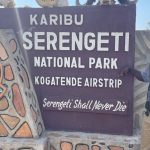
Kogatende and the Lamai region are particularly popular during the July-to-October migration season.
Large herds gather around the river, creating opportunities to witness one of Africa’s most dramatic wildlife spectacles.
Western Serengeti
The western corridor offers opportunities to experience the migration around the Grumeti River.
June and July are generally important months for exploring this region, although actual river crossings depend on herd movements and rainfall.
Southern Serengeti and Ndutu
The southern plains and Ndutu region are famous for the wildebeest calving season, particularly between January and March.
This is an excellent destination for wildlife photographers and travelers interested in predator activity.
Recommended stay: Three to four nights, depending on the season and your preferred migration experience.
5. Experience the Spectacular Ngorongoro Crater in Tanzania
Ngorongoro Crater is one of Tanzania’s most extraordinary wildlife destinations and an essential addition to a combined Maasai Mara and Serengeti safari.
Located within the Ngorongoro Conservation Area, the crater is a massive volcanic caldera formed by the collapse of an ancient volcano.
Its dramatic walls surround a wildlife-rich crater floor containing grasslands, woodland, swamps, lakes, and other habitats.
The result is one of East Africa’s most remarkable wildlife-viewing environments.
What Animals Can You See in Ngorongoro Crater?
Ngorongoro offers opportunities to encounter:
- Lions.
- African elephants.
- African buffaloes.
- Black rhinoceroses.
- Zebras.
- Wildebeest.
- Spotted hyenas.
- Hippos.
- Flamingos and other waterbirds.
The crater is particularly famous for its population of black rhinoceroses, although sightings are never guaranteed.
What Makes Ngorongoro Crater Special?
Unlike the vast open plains of Serengeti, Ngorongoro offers a relatively compact wildlife-viewing environment.
Visitors can enjoy an early morning descent into the crater for a game drive across the crater floor.
The spectacular scenery, wildlife diversity, and opportunities to encounter several large mammal species make this an unforgettable safari experience.
Best Time to Visit Ngorongoro Crater
Ngorongoro Crater can be visited throughout the year.
June to October is particularly popular because of the dry-season conditions.
January to March is also rewarding, especially when combined with the wildebeest calving season in nearby southern Serengeti.
Recommended stay: One or two nights in the Ngorongoro Conservation Area or nearby Karatu, with time allocated for a crater game drive.
6. How to Travel Between Maasai Mara, Serengeti and Ngorongoro
One of the most important parts of planning a combined safari is understanding the travel arrangements between Kenya and Tanzania.
Although the Maasai Mara and Serengeti form part of the same ecosystem, they are located in different countries and are separated by an international border.
There is no ordinary tourist vehicle crossing directly between the two parks through their shared boundary.
The most practical overland connection between the Maasai Mara and Serengeti is through the Isebania–Sirari border crossing.
Option 1: Travel by Road Through Isebania–Sirari
This is a common option for travelers who prefer an overland safari.
The journey generally follows this route:
Maasai Mara → Isebania Border in Kenya → Sirari Border in Tanzania → Western Serengeti → Central or Northern Serengeti.
Your Kenyan safari vehicle takes you to the border, where you complete immigration formalities.
You then meet your Tanzanian safari guide and continue in a Tanzanian vehicle.
Vehicle changes are commonly required because safari vehicles and operators need appropriate authorization to work in each country.
The journey can take most of a day, depending on your starting point, road conditions, border queues, and final destination in Serengeti.
Advantages of traveling by road:
- Suitable for travelers who enjoy overland adventures.
- Can be economical for some private and group arrangements.
- Allows you to experience more of the countryside.
- Can be incorporated into a longer safari itinerary.
Option 2: Fly Between Kenya and Tanzania
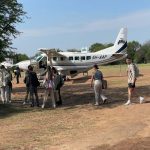
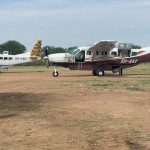
Flying can be a convenient alternative for travelers who want to reduce long road transfers.
Depending on seasonal schedules, a connection between the Maasai Mara and Serengeti may involve flights through Migori and Tarime, with a road transfer across the Isebania–Sirari border.
Other itineraries may connect through Nairobi, Arusha, or Kilimanjaro International Airport.
The exact route depends on the airlines, departure airstrips, season, and immigration arrangements.
Advantages of flying:
- Saves time on suitable routes.
- Offers spectacular aerial views.
- Makes shorter safari itineraries more practical.
- Provides access to remote safari camps.
Important: Do not assume there is a direct bush-airstrip flight between the two parks without immigration arrangements. Confirm all flight sectors, transfers, baggage restrictions, and border formalities before booking.
Traveling from Serengeti to Ngorongoro
The connection between Serengeti and Ngorongoro is much simpler because both destinations are in northern Tanzania.
You can travel by road in your Tanzanian safari vehicle, enjoying scenic landscapes and wildlife viewing along the way.
Many itineraries travel from central Serengeti towards the Ngorongoro Conservation Area, with possible game viewing en route.
This makes Ngorongoro a convenient final destination for travelers exploring the northern Tanzania safari circuit.
7. Suggested 10-Day Maasai Mara, Serengeti and Ngorongoro Safari Itinerary
A ten-day safari is a good option for travelers who want to experience all three destinations without rushing through every wildlife area.
This suggested itinerary starts in Nairobi, Kenya, and ends in Arusha, Tanzania.
Day 1: Arrival in Nairobi, Kenya
Arrive at Jomo Kenyatta International Airport in Nairobi.
Meet your safari representative and transfer to your hotel.
Depending on your arrival time, you may enjoy a short city excursion or relax before beginning your adventure.
Overnight in Nairobi.
Day 2: Nairobi to Maasai Mara National Reserve
After breakfast, depart Nairobi for the Maasai Mara.
Enjoy scenic views of Kenya’s Great Rift Valley before continuing towards the reserve.
Arrive at your lodge in time for lunch, followed by an afternoon game drive.
Look out for elephants, giraffes, zebras, lions, and other wildlife.
Overnight in Maasai Mara.
Day 3: Full-Day Wildlife Safari in Maasai Mara
Spend the day exploring the Maasai Mara.
Enjoy morning and afternoon game drives or a full-day excursion with a packed lunch.
During the migration season, explore suitable areas near the Mara River in search of wildebeest crossing activity.
You may also encounter lions, cheetahs, leopards, elephants, buffaloes, and other wildlife.
Overnight in Maasai Mara.
Day 4: Maasai Mara to Serengeti, Tanzania
After breakfast, depart for the Isebania–Sirari border crossing.
Complete immigration procedures before meeting your Tanzanian safari team.
Continue towards Serengeti, depending on your selected camp and transfer arrangements.
This is primarily a travel day, so allow sufficient time for the border crossing and road journey.
Overnight in western or central Serengeti, depending on the seasonal itinerary.
Day 5: Full-Day Safari in Serengeti National Park
Spend the day exploring Serengeti.
Depending on the season, your guide may focus on central Serengeti for resident predators or northern Serengeti for migration viewing.
Enjoy spectacular scenery and search for lions, leopards, cheetahs, elephants, giraffes, zebras, and migrating herds.
Overnight in Serengeti.
Day 6: Another Day Exploring Serengeti
Enjoy another full day of wildlife viewing.
If traveling during the Mara River crossing season, explore the northern Serengeti around Kogatende or Lamai.
During the calving season, focus on the southern Serengeti and Ndutu plains.
Having additional time in the park increases your opportunities to experience different wildlife habitats and migration activity.
Overnight in Serengeti.
Day 7: Serengeti to Ngorongoro Conservation Area
After breakfast, enjoy a morning game drive before departing towards Ngorongoro.
Travel through beautiful landscapes and enjoy wildlife viewing along the way.
Arrive at your accommodation near the crater rim or in Karatu.
Overnight near Ngorongoro.
Day 8: Ngorongoro Crater Safari
Rise early for an exciting game drive inside Ngorongoro Crater.
Descend to the crater floor and explore its diverse wildlife habitats.
Search for lions, elephants, buffaloes, zebras, hippos, hyenas, and the endangered black rhinoceros.
Enjoy a picnic lunch during your excursion before returning to your accommodation.
Overnight near Ngorongoro or Karatu.
Day 9: Explore the Ngorongoro Highlands and Transfer to Arusha
After breakfast, enjoy a relaxed morning and scenic drive through the Ngorongoro highlands.
Depending on your interests and schedule, you may include a cultural visit or another stop along the way.
Continue to Arusha for your overnight stay.
Day 10: Departure from Tanzania
After breakfast, transfer to Kilimanjaro International Airport or Arusha Airport for your onward journey.
You may also extend your holiday with additional destinations such as Tarangire National Park, Lake Manyara, or Zanzibar.
This itinerary can be customized around your travel dates, budget, preferred accommodation, and migration movements.
8. Suggested 12-Day Maasai Mara, Serengeti and Ngorongoro Safari
If you have more time, a twelve-day itinerary allows you to spend additional nights in the wildlife areas.
| Day | Destination | Main activity |
|---|---|---|
| 1 | Nairobi | Arrival and overnight |
| 2 | Maasai Mara | Transfer and afternoon game drive |
| 3 | Maasai Mara | Full-day wildlife safari |
| 4 | Maasai Mara | Migration viewing and predator encounters |
| 5 | Kenya to Tanzania | Isebania–Sirari border crossing and transfer |
| 6 | Northern or Central Serengeti | Wildlife safari |
| 7 | Serengeti | Full-day game drives |
| 8 | Serengeti | Migration viewing or predator tracking |
| 9 | Ngorongoro | Transfer and scenic exploration |
| 10 | Ngorongoro Crater | Full-day crater safari |
| 11 | Tarangire or Karatu | Additional wildlife or cultural experience |
| 12 | Arusha | Departure |
The itinerary can be modified depending on the seasonal location of the migrating herds.
For a migration-focused trip between July and October, consider allocating more nights to northern Serengeti and the Maasai Mara.
For a calving-season safari between January and March, allocate more time to southern Serengeti and Ndutu.
9. How Much Does a Maasai Mara, Serengeti and Ngorongoro Safari Cost?
The cost of a combined Kenya and Tanzania safari depends on the length of your trip, accommodation category, transportation, park fees, and number of travelers.
A budget camping safari will generally cost less than a private luxury safari featuring premium tented camps and fly-in connections.
The main factors affecting your safari budget include:
Accommodation
You can choose from:
- Budget safari camps.
- Midrange lodges.
- Luxury tented camps.
- Premium migration camps.
- Exclusive luxury safari lodges.
For migration safaris, accommodation location is particularly important.
Staying in northern Serengeti or near the Mara River during the main crossing season can improve your access to wildlife-viewing areas.
Safari Transportation
Your safari package may include:
- Private 4×4 Land Cruiser.
- Professional English-speaking safari guide.
- Airport transfers.
- Cross-border transportation.
- Domestic flights where required.
- Game drives in each national park.
Remember that Kenyan and Tanzanian safari vehicles are generally arranged separately.
Park and Conservation Fees
Kenya and Tanzania have separate park entrance and conservation fee structures.
Your safari quotation should clearly explain the applicable charges and whether they are included.
Other Expenses
Remember to budget for:
- International flights.
- Visas and travel authorization.
- Travel insurance.
- Tips and gratuities.
- Optional hot-air balloon safaris.
- Personal purchases.
- Additional hotel accommodation.
For an accurate quotation, provide your travel dates, number of travelers, preferred accommodation level, and itinerary.
Epic Uganda Vacation can help you organize a safari arrangement suited to your travel requirements.
10. What Should You Pack for a Combined Kenya and Tanzania Safari?
Packing appropriately makes your safari more comfortable and enjoyable.
We recommend bringing:
- Lightweight safari clothing in neutral colors.
- Comfortable walking shoes.
- A wide-brimmed hat.
- Sunglasses.
- Sunscreen.
- Insect repellent.
- Binoculars.
- A camera with a suitable zoom lens.
- Extra batteries and memory cards.
- A light jacket for early morning game drives.
- Personal medication.
- Passport and travel documents.
If you are visiting during the rainy season, bring a waterproof jacket and suitable footwear.
For travelers interested in wildlife photography, binoculars and a telephoto camera lens are particularly useful.
11. Important Travel Requirements for Kenya and Tanzania
Because your safari involves two countries, it is important to organize your travel documents before departure.
Passport
Ensure your passport meets the entry requirements of both Kenya and Tanzania.
Kenya Electronic Travel Authorization
Many international visitors need to obtain a Kenyan Electronic Travel Authorization before traveling, subject to nationality-specific exemptions.
Tanzania Visa
Many international travelers require a separate Tanzanian visa.
The East African Tourist Visa covers eligible visits to Kenya, Uganda, and Rwanda, but it does not include Tanzania.
Yellow Fever Certificate
Yellow fever vaccination documentation may be required when entering Tanzania from a yellow-fever-risk country, including Kenya.
Confirm the current requirements for your nationality and travel route before departure.
Travel Insurance
Comprehensive travel insurance is strongly recommended.
Choose a policy that covers medical emergencies, evacuation, trip interruptions, and other relevant travel risks.
Always verify the latest immigration and health requirements through the official government authorities before traveling.
12. Best Accommodation for a Maasai Mara, Serengeti and Ngorongoro Safari
Your choice of accommodation can significantly influence the overall safari experience.
For the best wildlife opportunities, choose lodges and camps based on the seasonal location of the animals and the areas you want to explore.
Accommodation in Maasai Mara
The Maasai Mara offers different accommodation categories, including:
- Luxury tented camps.
- Midrange safari lodges.
- Budget camps.
- Private conservancy accommodation.
For travelers interested in the migration, consider camps with convenient access to the Mara River and the Mara Triangle, depending on where the herds are located.
Accommodation in Serengeti
Serengeti offers a wide range of accommodation choices.
You can choose from permanent lodges, seasonal tented camps, mobile migration camps, and luxury safari accommodation.
For Mara River crossings, consider northern Serengeti camps around Kogatende and Lamai.
For calving-season safaris, consider accommodation around Ndutu and southern Serengeti.
Central Serengeti is an excellent choice for general wildlife viewing.
Accommodation in Ngorongoro
Popular accommodation areas include:
- Ngorongoro Crater rim.
- Ngorongoro Conservation Area.
- Karatu.
- Nearby safari lodges and tented camps.
Staying near the crater rim offers spectacular views, while Karatu provides additional accommodation options for different budgets.
13. Why Choose Epic Uganda Vacation for Your East African Safari?
Planning a combined safari across Kenya and Tanzania requires careful coordination of destinations, accommodation, transportation, park fees, and international border arrangements.
At Epic Uganda Vacation, we aim to make your East African adventure memorable through customized safari experiences and convenient travel arrangements.
Whether you want to explore the Maasai Mara, follow the Great Wildebeest Migration through Serengeti, or discover the spectacular Ngorongoro Crater, we can help you organize a safari that matches your interests.
Our East African safari arrangements can be tailored around:
- Maasai Mara wildlife safaris.
- Serengeti National Park safaris.
- Ngorongoro Crater excursions.
- Great Wildebeest Migration safaris.
- Mara River crossing experiences.
- Kenya and Tanzania combined safaris.
- Luxury African wildlife holidays.
- Private family safaris.
- Honeymoon safari experiences.
- Combined Uganda, Kenya, and Tanzania holidays.
We understand that every traveler has different interests, budgets, and expectations.
Our goal is to help you discover East Africa through carefully planned wildlife experiences, comfortable accommodation, and suitable safari transportation.
Frequently Asked Questions About Combining Maasai Mara, Serengeti and Ngorongoro
1. Can I combine Maasai Mara, Serengeti and Ngorongoro in one safari?
Yes. You can visit all three destinations in one safari. A typical itinerary begins in Nairobi, explores the Maasai Mara, crosses into Tanzania through Isebania–Sirari, continues to Serengeti, and finishes with a visit to Ngorongoro Crater.
2. How many days do I need for a Maasai Mara, Serengeti and Ngorongoro safari?
We recommend 10 to 12 days for a comfortable safari covering all three destinations. This allows enough time for wildlife viewing, border transfers, and exploration without rushing between parks.
3. What is the best time to visit Maasai Mara, Serengeti and Ngorongoro?
July to October is generally an excellent period for migration safaris and dry-season wildlife viewing. January to March is ideal for the wildebeest calving season in southern Serengeti.
4. Can I see the Great Wildebeest Migration in both Maasai Mara and Serengeti?
Yes. Both destinations form part of the same migration ecosystem. Depending on the season, you can witness large herds moving through northern Serengeti and the Maasai Mara.
5. Can I drive directly from Maasai Mara to Serengeti?
No. The direct tourist crossing between the parks through their shared boundary is not open. You generally need to use the Isebania–Sirari international border crossing or organize suitable flight connections.
6. Which is better, Maasai Mara or Serengeti?
Both destinations are exceptional. Maasai Mara is famous for concentrated wildlife viewing and migration-season river crossings, while Serengeti offers a much larger ecosystem with different migration experiences throughout the year. Visiting both gives you a more comprehensive safari experience.
7. Is Ngorongoro Crater worth including in a Kenya and Tanzania safari?
Absolutely. Ngorongoro offers a completely different wildlife experience from the Maasai Mara and Serengeti. Its spectacular volcanic scenery and relatively concentrated wildlife population make it one of Tanzania’s most rewarding safari destinations.
8. Can I see the Big Five in all three destinations?
All three destinations support several Big Five species. Ngorongoro is particularly well known for opportunities to see black rhinoceroses, while the Maasai Mara and Serengeti offer excellent opportunities to encounter lions, elephants, buffaloes, and leopards. Seeing all five is never guaranteed.
9. Can I fly between Maasai Mara and Serengeti?
Yes, flight-based connections can be arranged through suitable regional airstrips, border transfers, and immigration points. The exact routing depends on airline schedules and seasonal availability.
10. Do I need separate visas for Kenya and Tanzania?
Many international visitors require a Kenyan eTA and a separate Tanzanian visa. Requirements vary by nationality. The East African Tourist Visa does not cover Tanzania.
11. Can I combine this safari with gorilla trekking in Uganda?
Yes. You can extend your Kenya and Tanzania safari with mountain gorilla trekking in Bwindi Impenetrable National Park or Mgahinga Gorilla National Park in Uganda.
12. How far in advance should I book?
We recommend booking approximately six to twelve months in advance, especially if you plan to travel during July, August, or September when migration accommodation is in high demand.
Book Your Maasai Mara, Serengeti and Ngorongoro Safari With Epic Uganda Vacation
Are you dreaming of witnessing the Great Wildebeest Migration, encountering Africa’s Big Five, and exploring some of East Africa’s most spectacular wildlife destinations?
Combining Kenya’s Maasai Mara, Tanzania’s Serengeti, and Ngorongoro Crater creates an unforgettable African safari experience.
Whether you prefer a luxury safari, a private wildlife adventure, or a personalized family holiday, Epic Uganda Vacation can help you organize a memorable journey across Kenya and Tanzania.
You can also extend your adventure to Uganda for an extraordinary mountain gorilla trekking experience and discover even more of East Africa.
Contact Epic Uganda Vacation today to plan your Maasai Mara, Serengeti and Ngorongoro safari. Let us help you experience the best of East African wildlife!
Website: https://epicugandavacation.com/