Mikeno Gorilla Sector: Location, Gorilla Families, Wildlife and Trekking in Virunga National Park
Introduction to the Mikeno Gorilla Sector
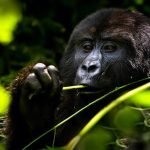
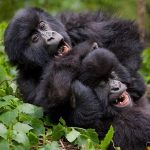
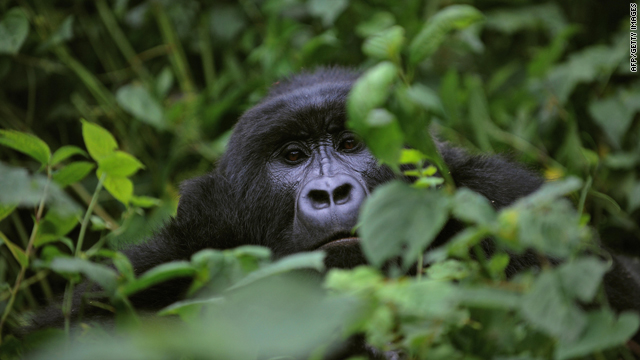
The Mikeno Gorilla Sector is one of the most important mountain gorilla conservation areas in Virunga National Park, located in the eastern Democratic Republic of Congo (DRC). Situated within the spectacular Virunga Mountains, this sector protects a significant population of endangered mountain gorillas and provides habitat for several habituated gorilla families.
Named after Mount Mikeno, one of the prominent volcanoes in the Virunga Massif, the sector is characterised by montane forests, bamboo vegetation, steep volcanic slopes and rich biodiversity. It is particularly famous for its mountain gorilla population, which has attracted researchers, conservationists and wildlife enthusiasts from around the world.
The Mikeno Sector is home to several well-known mountain gorilla families, including Kabirizi, Bageni, Humba, Rugendo, Mapuwa, Lulengo, Munyaga and Nyakamwe. These families have fascinating histories involving silverback leadership, family divisions, migration and population growth.
For travellers researching mountain gorilla trekking in Africa, the Mikeno Sector is an important destination to understand, particularly when comparing gorilla experiences in the Democratic Republic of Congo, Uganda and Rwanda.
Where Is the Mikeno Gorilla Sector Located?
The Mikeno Sector is located in the southern part of Virunga National Park in North Kivu Province, eastern Democratic Republic of Congo.
It forms part of the wider Virunga Conservation Area, which extends across three countries:
-
Democratic Republic of Congo.
-
Uganda.
-
Rwanda.
The sector covers approximately 250 square kilometres and contains important mountain gorilla habitats within the forested volcanic landscape.
Its environment is influenced by the Virunga volcanoes, including Mount Mikeno, Mount Karisimbi, Mount Bisoke and Mount Sabyinyo.
The area is characterised by:
-
Dense montane forests.
-
Bamboo vegetation.
-
Volcanic mountain slopes.
-
High-altitude grasslands.
-
Natural water sources.
-
Rich wildlife habitats.
These different vegetation zones provide food and shelter for mountain gorillas and other wildlife species.
The Mikeno Sector is also associated with Bukima, an important ranger and gorilla monitoring area within Virunga National Park.
Mount Mikeno: The Mountain Behind the Sector’s Name
Mount Mikeno is one of the remarkable volcanic mountains within the Virunga Massif.
Rising to approximately 4,437 metres above sea level, it is among the highest volcanoes in the Virunga range.
The mountain is situated within Virunga National Park and is surrounded by forested landscapes that provide important habitats for mountain gorillas.
Unlike some of the more frequently discussed Virunga volcanoes, such as Nyiragongo and Karisimbi, Mount Mikeno is particularly associated with mountain gorilla conservation.
Its steep slopes, montane vegetation and surrounding forests contribute to the ecological importance of the Mikeno Sector.
The mountain’s name is also used to identify the gorilla conservation area where several habituated mountain gorilla families are monitored.
Mountain Gorilla Families in the Mikeno Sector
The Mikeno Sector is internationally recognised for its mountain gorilla families.
Virunga National Park’s family records describe 11 monitored groups, including established habituated families and groups that have more recently become accustomed to human presence.
Each family has a unique history, social structure and dominant silverback or silverbacks.
Some of the notable families include:
1. Bageni Gorilla Family
The Bageni Gorilla Family is one of the largest mountain gorilla families in Virunga National Park.
It was established on 27 January 2013, when silverback Bageni separated from his father Kabirizi, taking approximately 20 individuals with him.
Bageni subsequently developed an independent family that continued growing through births and other changes in membership.
Virunga’s current family information identifies Bageni as its largest group, with approximately 60 members. Its social organisation includes several silverbacks that help defend the group’s territory.
2. Kabirizi Gorilla Family
The Kabirizi Gorilla Family has a long and interesting history dating back to the Zunguruka gorilla group.
Its original lineage was habituated in the Bukima area in 1994.
The family became known as Kabirizi after silverback Kabirizi established leadership following several changes in the group’s social structure.
One of its most significant developments occurred in 2013 when Bageni separated from Kabirizi to establish his own family.
Another division occurred in August 2025 when silverback Masibo challenged Kabirizi and departed with several members.
3. Humba Gorilla Family
The Humba Gorilla Family was established in December 1998 after silverback Humba separated from his father Rugendo.
Humba initially left with several members, including his brother Nyakamwe.
However, disagreements between the two brothers eventually resulted in another family split in 2014.
Nyakamwe established his own independent group, while Humba retained the remaining members.
The family has since experienced further changes, including the development of shared leadership between Humba and subordinate silverback Mahindure.
4. Nyakamwe Gorilla Family
The Nyakamwe Gorilla Family was established in April 2014.
Silverback Nyakamwe separated from his brother Humba following disagreements over dominance and leadership.
He left with approximately ten individuals to form an independent family.
The group is an interesting example of how competition between mature silverbacks can lead to the formation of new mountain gorilla families.
5. Rugendo Gorilla Family
The Rugendo Gorilla Family is among the historically established mountain gorilla groups in Virunga National Park.
It was habituated in 1985 and named after its original dominant silverback, Rugendo.
Rugendo was the father of several silverbacks who later established their own families, including Humba and Mapuwa.
The family suffered a tragic history involving armed conflict and the deaths of several gorillas.
Following the death of silverback Bukima in June 2024, leadership passed to Gongomani.
6. Mapuwa Gorilla Family
The Mapuwa Gorilla Family was established by silverback Mapuwa, who separated from his father Rugendo in 1995.
Initially, Mapuwa left with two females and gradually developed his own group.
Over the years, the family experienced several changes resulting from confrontations with neighbouring gorilla groups, migrations and births.
The family is particularly interesting because Mapuwa eventually lost dominant leadership to younger silverbacks.
7. Lulengo Gorilla Family
The Lulengo Gorilla Family is another historically important group in Virunga.
Its original leader was silverback Rugabo, who was killed in a poaching incident in 1994.
Following his death, Lulengo assumed leadership of the surviving members.
The group has experienced changes in membership over the years but remains an important part of Virunga’s mountain gorilla conservation programme.
8. Munyaga Gorilla Family
The Munyaga Gorilla Family has an interesting history involving several silverbacks and leadership changes.
The family was initially led by silverback Munyaga, who later disappeared during a period of insecurity in the park.
Mawazo subsequently assumed leadership, and the group experienced additional changes as other males matured.
Its history illustrates the complex social relationships that exist within mountain gorilla communities.
9. Wilungula Gorilla Family
The Wilungula Gorilla Family is among the more recently habituated groups in the Mikeno Sector.
Virunga’s family records describe it as a growing group, with 36 individuals and five silverbacks in the published family information.
The group demonstrates how habituation and continued monitoring can contribute to mountain gorilla research and conservation.
10. Baraka Gorilla Family
The Baraka Gorilla Family is another group that has recently become accustomed to human presence.
Virunga’s 2026 family information reports 18 members.
The group also attracted attention following the birth of twins in 2026, although one of the twins did not survive.
This is a particularly interesting development because twin births are relatively uncommon among mountain gorillas.
11. Masibo Gorilla Family
The Masibo Gorilla Family was established in October 2025 following a split from the Kabirizi family.
Silverback Masibo separated with several members after challenging Kabirizi’s leadership.
The family subsequently developed as an independent group.
Virunga’s March 2026 information recorded 16 members, following the birth of an infant to female Serundori.
These family records illustrate how the composition of the Mikeno Sector’s gorilla population changes through births, deaths, migration and family divisions.
Other Wildlife in the Mikeno Sector
Although mountain gorillas are the main attraction, the Mikeno Sector supports a variety of other wildlife species.
Its different vegetation zones provide suitable habitats for mammals, birds and other forest organisms.
Wildlife that may be found in the wider Virunga ecosystem includes:
-
Forest elephants.
-
African buffaloes.
-
Golden monkeys.
-
Chimpanzees.
-
Duikers.
-
Forest-dwelling small mammals.
-
Numerous forest bird species.
Wildlife sightings depend on location, season and habitat conditions.
Mountain Gorilla Habituation in the Mikeno Sector
Habituation is an important conservation activity in the Mikeno Sector.
It involves gradually introducing wild mountain gorillas to the presence of human observers without changing their natural behaviour or making them domestic animals.
The process is undertaken by experienced trackers, researchers and conservation teams.
During habituation, teams regularly visit gorilla groups to observe their movements, feeding patterns, social relationships and reactions to human presence.
Once a group is considered sufficiently habituated, it may become eligible for regulated tourism activities, subject to park management approval.
Habituation also supports scientific research and veterinary monitoring.
Virunga’s conservation programme relies on daily monitoring of gorilla families to identify changes in their health, population and social structure.
Gorilla Trekking in the Mikeno Sector
Mountain gorilla trekking is one of the most remarkable wildlife experiences associated with Virunga National Park.
The experience involves hiking through montane forests in search of a habituated gorilla family.
Visitors are accompanied by experienced park rangers and trackers who understand the movements and behaviour of individual gorilla groups.
What Happens During Gorilla Trekking?
A typical gorilla trekking experience involves several stages:
1. Morning briefing
Visitors receive instructions from park rangers about safety, conservation and gorilla trekking regulations.
2. Entering the forest
Rangers and trackers lead visitors into the forest to locate the allocated gorilla family.
3. Searching for the gorillas
The search may involve walking through dense vegetation, bamboo forests and mountainous terrain.
4. Meeting the gorillas
Once the family is located, visitors observe the gorillas from the distance instructed by their guides.
5. One-hour gorilla encounter
Under standard trekking arrangements, visitors spend up to one hour observing the gorillas before returning to the starting point.
The experience provides opportunities to observe silverbacks, mothers with infants, juveniles and other members of the family.
How Difficult Is Gorilla Trekking in the Mikeno Sector?
Gorilla trekking in the Mikeno Sector can be physically demanding because of its mountainous terrain.
The difficulty depends on the location of the gorilla family and the prevailing forest conditions.
Visitors may encounter:
-
Steep volcanic slopes.
-
Muddy forest trails.
-
Dense vegetation.
-
Uneven ground.
-
Changing weather conditions.
-
Long walking distances.
A reasonable level of physical fitness is recommended.
Hiring a porter, where available, is also helpful because porters assist with carrying backpacks and navigating challenging sections of the trail.
Best Time to Visit the Mikeno Gorilla Sector
The Virunga mountain gorilla habitat can be visited in different seasons, but weather conditions influence trekking experiences.
June to September
These months generally experience relatively lower rainfall and can offer favourable conditions for forest trekking.
December to February
This is another relatively drier period that may provide more comfortable trekking conditions.
March to May
These months generally receive heavier rainfall, which can make forest trails muddy and slippery.
October to November
Rainfall is also relatively high during this period, although the forest remains attractive and green.
It is important to remember that the Virunga Mountains experience unpredictable weather, and rain can occur throughout the year.
Travel advisory: Weather is not the only consideration when planning a visit. Security and park operations in eastern DRC can change. Confirm whether gorilla trekking is operating, which areas are accessible and whether permits are being issued directly with Virunga National Park before booking flights or accommodation.
How to Get to the Mikeno Gorilla Sector
The Mikeno Sector is accessed through eastern Democratic Republic of Congo.
Historically, visitors have used different routes depending on their starting destination.
From Goma
Goma is an important gateway to Virunga National Park.
The Grande Barrière border area connects Goma with Gisenyi in Rwanda.
Historically, visitors arriving through Goma have proceeded towards the park’s tourism facilities and gorilla trekking departure points.
From Rwanda
Travellers have historically accessed the southern parts of Virunga through the Rwanda–DRC border crossing at Gisenyi and Goma.
However, border operations, visa requirements and security conditions must be confirmed before travel.
From Uganda
Uganda provides another geographical approach to parts of the wider Virunga region.
However, access arrangements depend on the specific destination, border crossing and current security conditions.
A journey into the Mikeno Sector should only be organised through officially approved routes and confirmed park arrangements.
Where to Stay When Visiting the Mikeno Sector
One of the historically established accommodation facilities serving the Mikeno gorilla trekking area is Kibumba Tented Camp.
The camp is situated on the slopes of Mount Mikeno and has traditionally served visitors undertaking gorilla trekking in the park.
Its facilities include:
-
Private safari tents.
-
En-suite bathrooms.
-
Hot-water showers.
-
Restaurant facilities.
-
Mountain scenery.
-
Access to the wider Virunga landscape.
Accommodation availability and access must be confirmed with the park’s tourism office before making reservations.
Visit Virunga National Park, Congo
Conservation Challenges in the Mikeno Sector
The Mikeno Sector is an important stronghold for endangered mountain gorillas, but its conservation efforts face several challenges.
1. Armed Conflict and Insecurity
Eastern Democratic Republic of Congo has experienced prolonged periods of armed conflict.
This has affected conservation operations, tourism activities and the safety of park personnel.
Park rangers often work under difficult conditions to protect wildlife and maintain conservation programmes.
2. Poaching and Illegal Hunting
Although mountain gorillas are protected, snares and other illegal hunting activities can threaten wildlife.
Anti-poaching patrols are essential for identifying and removing traps and preventing illegal activities.
3. Habitat Destruction
Agricultural expansion, illegal logging and charcoal production can affect natural forest habitats.
Protecting the forest is essential because mountain gorillas depend on vegetation for food and shelter.
4. Human-Wildlife Conflict
Communities surrounding protected areas sometimes experience conflicts involving wildlife.
Conservation programmes therefore need to involve local communities in protecting forests and promoting sustainable livelihoods.
5. Disease Transmission
Mountain gorillas are susceptible to several human respiratory infections.
Strict tourism regulations, health screening and appropriate visitor precautions help reduce disease transmission.
Virunga’s monitoring programme is particularly important in identifying health concerns and changes in gorilla family populations.
Mikeno Gorilla Sector Compared with Bwindi and Mgahinga in Uganda
Travellers planning mountain gorilla trekking in East Africa often compare Virunga with Uganda’s Bwindi Impenetrable National Park and Mgahinga Gorilla National Park.
| Feature | Mikeno Sector | Bwindi | Mgahinga |
|---|---|---|---|
| Country | DRC | Uganda | Uganda |
| Protected area | Virunga National Park | Bwindi Impenetrable National Park | Mgahinga Gorilla National Park |
| Main attraction | Mountain gorillas | Mountain gorillas | Mountain gorillas |
| Landscape | Volcanic montane forest | Ancient rainforest | Volcanic forest |
| Gorilla families | Several monitored groups | Multiple habituated groups | Nyakagezi family |
| Tourism access | Subject to security and park operations | Established tourism programme | Established tourism programme |
Uganda’s Bwindi and Mgahinga destinations provide established alternatives for travellers interested in mountain gorilla trekking. Uganda Wildlife Authority manages gorilla permits and trekking arrangements in these parks.
Uganda Wildlife Authority+1
Frequently Asked Questions About the Mikeno Gorilla Sector
1. Where is the Mikeno Gorilla Sector located?
The Mikeno Sector is located in the southern part of Virunga National Park in North Kivu Province, eastern Democratic Republic of Congo.
2. Why is it called the Mikeno Sector?
It is named after Mount Mikeno, a prominent volcano in the Virunga Mountains that rises approximately 4,437 metres above sea level.
3. How many gorilla families are in the Mikeno Sector?
Virunga’s current family information identifies 11 monitored families, although the number of groups available for tourism can differ from the number monitored for conservation.
4. Which gorilla family is the largest in the Mikeno Sector?
The Bageni Gorilla Family is currently identified by Virunga National Park as its largest group, with approximately 60 members.
5. What are the famous gorilla families in the Mikeno Sector?
Some of the best-known families include Bageni, Kabirizi, Humba, Rugendo, Mapuwa, Lulengo, Munyaga, Nyakamwe, Wilungula, Baraka and Masibo.
6. Is Mount Mikeno an active volcano?
Mount Mikeno is an extinct volcano within the Virunga volcanic chain.
7. Can tourists trek gorillas in the Mikeno Sector?
Gorilla trekking has historically been offered in the sector. However, visitors must confirm current tourism operations and security arrangements directly with Virunga National Park.
8. What is the difference between Mikeno and Virunga National Park?
Virunga National Park is the larger protected area, while the Mikeno Sector is one of its mountain gorilla conservation areas.
9. Which country is the Mikeno Sector found in?
It is located in the Democratic Republic of Congo.
10. Can I combine Mikeno gorilla trekking with Uganda gorilla trekking?
Uganda and DRC are neighbouring countries within the wider Virunga region. Combining destinations may be geographically possible, but travellers must consider border requirements, permits, security and current park operations.
Conclusion
The Mikeno Gorilla Sector is one of the most important mountain gorilla conservation areas in Africa. Located within Virunga National Park in the Democratic Republic of Congo, it protects several mountain gorilla families with fascinating histories and complex social structures.
From the large Bageni family to the historically significant Kabirizi, Humba, Rugendo and Mapuwa groups, the sector provides an important setting for understanding mountain gorilla behaviour, family relationships and conservation.
Despite challenges associated with armed conflict, habitat destruction and other environmental pressures, continued monitoring and conservation programmes remain essential to the survival of these endangered primates.
For travellers interested in exploring mountain gorilla destinations in East Africa, the Mikeno Sector is an important part of the wider conservation story, alongside Uganda’s Bwindi Impenetrable National Park and Mgahinga Gorilla National Park.
Explore Uganda’s remarkable mountain gorillas with Epic Uganda Vacation and discover the extraordinary wildlife heritage of East Africa.