Lion Tracking in Queen Elizabeth National Park, Uganda: An Unforgettable Wildlife Research Experience
Introduction: Experience Lion Tracking in Queen Elizabeth National Park
Imagine travelling through the beautiful African savannah of western Uganda, following the movements of one of Africa’s most powerful predators. Instead of simply searching for lions during an ordinary game drive, you join experienced wildlife researchers who monitor their movements, behaviour and conservation status.
This is the extraordinary experience of lion tracking in Queen Elizabeth National Park, Uganda.
Queen Elizabeth National Park is one of the country’s most celebrated wildlife destinations, famous for its lions, elephants, buffaloes, Uganda kob and spectacular savannah landscapes. However, beyond traditional game drives, the park offers a unique conservation experience that allows visitors to participate in scientific wildlife monitoring.
Lion tracking is an exciting research-based tourism activity conducted with conservation researchers, including the Uganda Carnivore Program. Visitors join the research team in the field to learn how lions are located, identified and monitored using specialised tracking technology.
The experience provides a deeper understanding of lion behaviour, predator conservation and the challenges facing large carnivores in Uganda.
For travellers looking for something beyond an ordinary wildlife safari, lion tracking in Queen Elizabeth National Park offers a memorable opportunity to connect with nature while contributing to wildlife conservation.
At Epic Uganda Vacation, we can help you arrange this exceptional experience as part of your personalised Uganda safari.
Where Does Lion Tracking Take Place in Queen Elizabeth National Park?
Lion tracking is primarily associated with the northern sector of Queen Elizabeth National Park, particularly the Kasenyi Plains.
The Kasenyi Plains are characterised by open savannah grasslands, scattered trees and extensive grazing areas that support large populations of Uganda kob.
These antelopes are an important food source for lions, making the area an important habitat for the park’s predators.
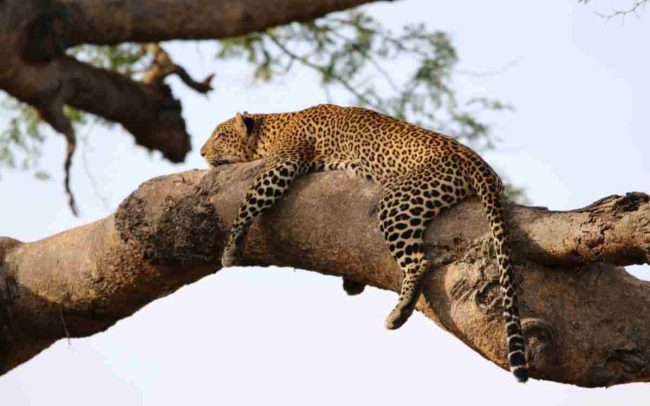
The northern section of Queen Elizabeth National Park is also home to other carnivores, including leopards and spotted hyenas.
Lion tracking takes place in the wider wilderness areas where researchers monitor individual animals and study their movements.
Visitors participating in this experience have an opportunity to explore areas associated with ongoing conservation research while learning about the park’s fascinating ecosystem.
What Is Lion Tracking in Uganda?
Lion tracking is a specialised wildlife research experience that allows visitors to accompany conservation researchers as they monitor wild lions.
Unlike an ordinary game drive, which primarily focuses on finding and observing animals, lion tracking provides insight into the scientific work involved in protecting Uganda’s large predators.
The activity is associated with the Uganda Carnivore Program, which conducts research and conservation work involving lions, leopards and spotted hyenas.
Researchers use specialised equipment, including radio telemetry, to locate lions fitted with tracking collars.
These collars transmit signals that help researchers determine the animals’ locations.
During the experience, visitors learn how researchers use tracking information to understand:
-
- Lion movements and home ranges.
-
- Pride structures and social behaviour.
-
- Feeding habits and hunting behaviour.
-
- Lion population monitoring.
-
- Predator conservation challenges.
-
- Human-wildlife conflict.
-
- The importance of protecting natural habitats.
The experience is particularly valuable for wildlife photographers, conservation enthusiasts, students and travellers interested in understanding how scientific research contributes to wildlife protection.
How Does the Lion Tracking Experience Work?
Lion tracking is different from a conventional safari game drive because visitors accompany researchers who are actively monitoring predators.
The experience generally follows several stages.
1. Meeting the Research Team
Your experience begins with an introduction to the researchers and an explanation of the lion monitoring programme.
The team explains the objectives of the research, the importance of lion conservation and the methods used to locate individual animals.
Visitors also receive guidance on responsible wildlife observation and safety.
2. Understanding Radio Telemetry
One of the most interesting aspects of lion tracking is learning how radio telemetry works.
Some lions are fitted with specialised radio collars that transmit signals.
Researchers use receiving equipment to detect these signals and establish the approximate location of the collared animals.
This technology allows researchers to monitor lion movements without constantly disturbing them.
3. Searching for Lions
After the briefing, visitors accompany the research team into the wilderness.
Researchers use tracking equipment and their field experience to locate the monitored lions.
The search takes place across the savannah landscape, particularly around the Kasenyi region.
4. Observing Lions in Their Natural Environment
Once lions are located, visitors may have the opportunity to observe them from an appropriate distance.
Depending on the circumstances, you may see lions resting, walking, interacting with members of their pride or displaying other natural behaviours.
The researchers explain what is happening and help visitors understand the animals’ behaviour.
5. Learning About Lion Conservation
The experience also introduces visitors to the challenges facing lions in Uganda.
These include habitat pressure, human-wildlife conflict, livestock predation and other threats to predator survival.
You gain a better appreciation of why continued monitoring and conservation research are essential.
Why Is Lion Tracking Different from a Normal Game Drive?
Many travellers visiting Queen Elizabeth National Park hope to see lions.
A conventional game drive offers an excellent opportunity to search for wildlife, but it does not necessarily explain the scientific work involved in protecting these animals.
Lion tracking provides a more educational and interactive experience.
| Ordinary game drive | Lion tracking experience |
|---|---|
| Focuses on general wildlife viewing | Focuses on predator research and monitoring |
| Led by a safari guide | Conducted with conservation researchers |
| Searches for different wildlife species | Specifically monitors lions and other predators |
| Uses field observation | Uses specialised tracking technology |
| Mainly a tourism activity | Combines tourism with conservation research |
| Wildlife sightings depend on chance | Tracking information helps locate monitored lions, but sightings are not guaranteed |
The main attraction of lion tracking is the opportunity to learn directly from people involved in predator research.
It is an ideal experience for visitors who want a deeper understanding of African wildlife.
Which Animals Can You See During Lion Tracking?
Although lion tracking focuses primarily on lions, the experience takes place in a wildlife-rich environment.
The Kasenyi Plains support numerous wildlife species.
Lions
Lions are the main attraction.
Queen Elizabeth National Park is one of Uganda’s important lion conservation areas, and the Kasenyi region offers opportunities to observe lions in their natural habitat.
Visitors may encounter individual lions or members of a pride.
Leopards
Leopards are among Africa’s most elusive predators.
They are found in Queen Elizabeth National Park, although sightings are less predictable than those of some other wildlife species.
The wider Uganda Carnivore Program also conducts research on leopards.
Spotted Hyenas
Spotted hyenas are important members of the park’s predator community.
They play an important ecological role as hunters and scavengers.
Uganda Kob
Uganda kob are among the most frequently encountered antelopes in Kasenyi Plains.
Their large numbers make the area an important hunting ground for lions.
African Elephants
Elephants are another remarkable species found throughout Queen Elizabeth National Park.
You may encounter them during your journey through the park.
African Buffaloes
Large herds of buffaloes are frequently seen grazing across the savannah.
Their presence contributes to the rich wildlife diversity of the park.
The Uganda Carnivore Program and Lion Conservation
The Uganda Carnivore Program plays an important role in researching and protecting Uganda’s large predators.
Its work focuses on understanding the ecology, behaviour, population dynamics and conservation challenges facing lions, leopards and spotted hyenas.
Through scientific monitoring, researchers collect information that helps improve wildlife management and conservation planning.
One important area of its work is reducing conflict between people and carnivores.
Communities living around protected areas sometimes experience livestock losses caused by predators. Such conflicts can create negative attitudes towards lions and other carnivores.
Conservation programmes therefore work with communities to develop solutions that encourage coexistence between people and wildlife.
Lion tracking tourism also helps visitors understand the importance of these conservation initiatives.
By participating in an approved research experience, travellers gain a deeper appreciation of the work required to protect Uganda’s wildlife.
Conservation Importance of Lion Tracking
Lions are among Africa’s most iconic predators, but their survival faces numerous challenges.
Across the continent, lion populations have experienced pressure from habitat loss, human-wildlife conflict and declining prey availability.
Queen Elizabeth National Park is an important refuge for Uganda’s remaining lion populations.
Research activities help conservationists understand the number of lions, their movements, their behaviour and the threats they encounter.
The information collected can contribute to:
-
- Monitoring individual lions and prides.
-
- Understanding predator population trends.
-
- Identifying important wildlife habitats.
-
- Reducing human-lion conflict.
-
- Improving wildlife management.
-
- Supporting long-term conservation planning.
When you choose responsible wildlife experiences, you also help promote the importance of protecting Uganda’s natural heritage.
Best Time to Do Lion Tracking in Queen Elizabeth National Park
Lion tracking can be organised throughout the year, subject to research programme schedules, availability and current operating conditions.
However, the dry seasons are generally favourable for wildlife activities in Queen Elizabeth National Park.
The main dry periods are:
-
- June to August.
-
- December to February.
During these months, relatively dry weather can make some park tracks easier to navigate.
Early morning is often a rewarding time for predator observation because lions are generally more active during cooler hours.
Afternoon experiences may also be available depending on the research team’s schedule.
We recommend arranging your activity in advance because lion tracking is a specialised experience with limited participation.
How Long Does Lion Tracking Take?
A lion tracking experience generally takes approximately two to three hours, although the actual duration depends on the location of the lions, research activities and field conditions.
Some searches may take longer when the animals are moving across extensive areas.
Visitors should allow sufficient time in their safari itinerary and avoid scheduling other activities too close to the expected end of the experience.
The research team determines the actual activities and duration on the day.
What Should You Bring for Lion Tracking?
Proper preparation helps make your lion tracking experience more comfortable and enjoyable.
We recommend bringing:
-
- Comfortable outdoor clothing.
-
- Neutral-coloured safari clothes.
-
- Closed walking shoes.
-
- A hat or cap.
-
- Sunscreen.
-
- Drinking water.
-
- Binoculars.
-
- A camera with a suitable zoom lens.
-
- A notebook for recording observations.
-
- Light rain protection during wet weather.
Follow the research team’s instructions throughout the experience.
Wildlife observation should always be conducted responsibly, without disturbing the animals.
Rules and Guidelines for Lion Tracking
Because lion tracking is a conservation research activity, visitors are expected to respect wildlife and follow the instructions of researchers.
Important guidelines include:
-
- Follow the instructions of the research team and park authorities.
-
- Maintain an appropriate distance from lions.
-
- Avoid making unnecessary noise.
-
- Do not attempt to feed or approach wild animals.
-
- Do not interfere with research equipment.
-
- Avoid littering in the park.
-
- Remain in the designated vehicle unless researchers authorise otherwise.
-
- Respect wildlife and their natural behaviour.
These guidelines help protect both visitors and the animals being studied.
Lion Tracking vs Tree-Climbing Lions in Ishasha
Queen Elizabeth National Park is famous for two different lion experiences: predator tracking in the northern sector and the famous tree-climbing lions in Ishasha.
Although both involve lions, they offer different safari experiences.
Lion Tracking in Kasenyi
Lion tracking is a research-based activity where visitors accompany researchers to monitor lions using specialised equipment.
The focus is on understanding lion behaviour, movement and conservation.
Tree-Climbing Lions in Ishasha
The Ishasha sector is famous for its tree-climbing lions, which are often seen resting in large fig trees.
This is a traditional wildlife-viewing experience during a game drive.
Visitors may observe lions resting in tree branches, particularly during hot parts of the day.
If you have enough time, combining both experiences can make your Queen Elizabeth National Park safari particularly rewarding.
Other Activities to Combine with Lion Tracking
A visit to Queen Elizabeth National Park offers several other outstanding wildlife and nature experiences.
You can combine lion tracking with the following activities.
1. Kasenyi Plains Game Drive
Explore the open savannah and search for elephants, buffaloes, Uganda kob, lions and other wildlife.
2. Kazinga Channel Boat Cruise
Enjoy a boat cruise along the famous Kazinga Channel, which connects Lake Edward and Lake George.
The channel is famous for its large hippo populations, crocodiles, elephants and numerous waterbirds.
3. Chimpanzee Tracking in Kyambura Gorge
Visit Kyambura Gorge, also known as the Valley of Apes, for an exciting chimpanzee-tracking experience.
4. Visit Lake Katwe
Discover the traditional salt-mining industry at Lake Katwe and learn about the livelihoods of local communities.
5. Explore Lake Bunyampaka
Enjoy the volcanic crater landscape and discover another fascinating saline lake in the Katwe-Kikorongo region.
6. Birdwatching
Queen Elizabeth National Park is one of Uganda’s important birding destinations, with more than 600 recorded bird species.
A birding excursion can be combined with a wildlife safari or a boat cruise.
Sample 3-Day Queen Elizabeth National Park Safari with Lion Tracking
Epic Uganda Vacation can organise a safari that combines lion tracking with other major attractions in the park.
Day 1: Transfer to Queen Elizabeth National Park
Depart from Kampala or Entebbe and travel to Queen Elizabeth National Park.
Enjoy scenic views of western Uganda along the journey.
Arrive at your lodge, relax and prepare for the following day’s wildlife adventure.
Overnight at your selected safari lodge.
Day 2: Lion Tracking and Kazinga Channel Boat Cruise
Wake up early and prepare for your lion tracking experience.
Meet the conservation research team and receive a briefing about the lion monitoring programme.
Join the researchers in the field and learn how radio telemetry is used to locate and monitor collared lions.
Observe the lions when located and discover more about their behaviour, ecology and conservation.
Return to your lodge for lunch and relaxation.
In the afternoon, enjoy a boat cruise along the Kazinga Channel.
Look out for hippos, crocodiles, elephants and numerous waterbirds.
Overnight at your lodge.
Day 3: Kasenyi Game Drive and Departure
After breakfast, enjoy a morning game drive through Kasenyi Plains.
Search for elephants, buffaloes, Uganda kob, lions and other wildlife.
After the game drive, begin your return journey to Kampala or Entebbe.
This itinerary can be extended to include chimpanzee tracking, the Ishasha tree-climbing lions or a visit to the crater lakes.
Why Book Lion Tracking with Epic Uganda Vacation?
At Epic Uganda Vacation, we believe that a great Uganda safari should combine adventure, knowledge and meaningful conservation experiences.
Our team helps travellers discover Uganda’s extraordinary wildlife while enjoying professionally organised safari services.
When arranging a lion tracking safari with us, we can assist with:
-
- Organising lion tracking reservations through the appropriate authorities.
-
- Private 4×4 safari transportation.
-
- Experienced English-speaking safari guides.
-
- Accommodation in Queen Elizabeth National Park.
-
- Wildlife game drives.
-
- Kazinga Channel boat cruises.
-
- Chimpanzee tracking arrangements.
-
- Customised Uganda safari itineraries.
We work to make your journey comfortable, informative and memorable.
Whether you are travelling as a couple, family, solo traveller, wildlife photographer or conservation enthusiast, we can tailor your safari to suit your interests and budget.
Frequently Asked Questions About Lion Tracking in Queen Elizabeth National Park
1. Where can I do lion tracking in Uganda?
The specialised lion tracking experience is associated with Queen Elizabeth National Park in western Uganda, particularly the Kasenyi Plains and northern sector.
2. What is the difference between lion tracking and a normal game drive?
A normal game drive focuses on searching for different wildlife species. Lion tracking involves joining conservation researchers who monitor lions using specialised tracking technology.
3. Who conducts lion tracking in Queen Elizabeth National Park?
The experience is associated with the Uganda Carnivore Program and Uganda Wildlife Authority’s experiential tourism activities. Confirm the current operating arrangements when booking.
4. How are lions tracked in Queen Elizabeth National Park?
Researchers use radio telemetry to locate lions fitted with specialised tracking collars. The technology helps researchers monitor their movements and behaviour.
5. Can I take photographs during lion tracking?
Yes, photography is generally possible, provided visitors follow the researchers’ instructions and do not disturb the animals.
6. Are lion sightings guaranteed?
No. Although tracking technology improves the ability to locate monitored lions, sightings are not guaranteed. Lions remain wild animals and their movements can change.
7. How long does lion tracking take?
The experience generally takes approximately two to three hours, depending on research activities and the location of the lions.
8. Is lion tracking safe?
The activity is conducted under the guidance of experienced research personnel and park authorities. Visitors must follow all safety instructions throughout the experience.
9. Can children participate in lion tracking?
Age restrictions and participation requirements may depend on the current programme regulations. Confirm eligibility with Uganda Wildlife Authority before booking.
10. Do I need to book lion tracking in advance?
Yes. Advance arrangements are strongly recommended because the experience has limited capacity and depends on researcher availability.
11. Can I combine lion tracking with chimpanzee tracking?
Yes. You can combine lion tracking in the Kasenyi area with chimpanzee tracking in Kyambura Gorge as part of a longer Queen Elizabeth National Park safari.
12. What is the best time to see lions in Queen Elizabeth National Park?
Early morning is generally favourable for predator observation. However, sightings depend on wildlife movements and environmental conditions.
Conclusion: Experience the Extraordinary Lion Tracking Adventure in Uganda
Lion tracking in Queen Elizabeth National Park is one of Uganda’s most fascinating wildlife experiences.
Unlike an ordinary game drive, this specialised activity allows visitors to discover how conservation researchers monitor and protect one of Africa’s most iconic predators.
From learning about radio telemetry to observing lions in their natural habitat, the experience offers a unique combination of adventure, education and conservation.
The opportunity to explore the Kasenyi Plains, encounter Uganda’s remarkable wildlife and understand the challenges facing large carnivores makes this an unforgettable addition to any Uganda safari.
If you are planning a wildlife holiday in Uganda, consider adding lion tracking to your Queen Elizabeth National Park itinerary.
Book Your Lion Tracking Safari with Epic Uganda Vacation!
Discover the fascinating world of Uganda’s lions and experience wildlife conservation from a different perspective.
Contact Epic Uganda Vacation today to organise your personalised Queen Elizabeth National Park safari.
Website: https://www.epicugandavacation.com/
Epic Uganda Vacation – Discover the Pearl of Africa!