Moshi Town, Tanzania: Best Things to Do, Places to Visit and Complete Travel Guide
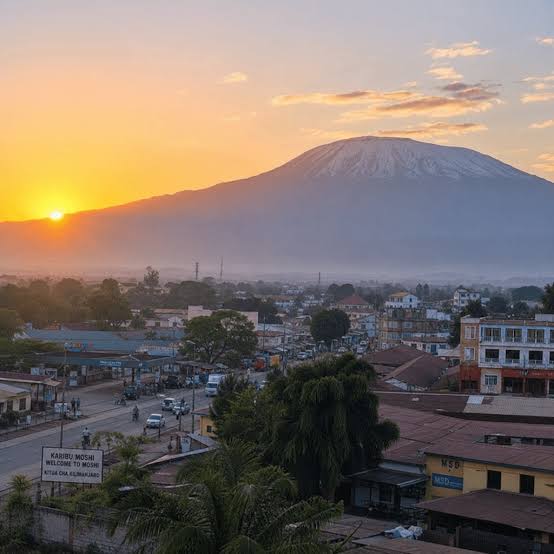
Moshi is one of the most attractive towns in northern Tanzania, beautifully situated at the southern foothills of Mount Kilimanjaro. Known for its coffee-growing communities, welcoming atmosphere and spectacular mountain scenery, Moshi is an excellent destination for travellers seeking a combination of nature, culture, adventure and relaxation.
Although many visitors come to Moshi as a starting point for climbing Mount Kilimanjaro, the town has much more to offer than mountain trekking. Its surrounding countryside is dotted with beautiful waterfalls, coffee plantations, traditional Chagga villages, natural swimming pools, forest reserves and scenic viewpoints.
Visitors can spend their mornings exploring local markets and coffee shops, take guided walks through the foothills of Kilimanjaro, visit traditional villages and enjoy refreshing excursions to natural attractions outside town.
Moshi is also a convenient base for exploring other destinations in northern Tanzania, including Arusha National Park, Tarangire National Park, Lake Manyara, Ngorongoro Conservation Area and Serengeti National Park.
Whether you are planning a Kilimanjaro climbing adventure, a Tanzania wildlife safari, a cultural holiday or a short town visit, Moshi offers plenty of interesting experiences.
Where Is Moshi Town Located?
Moshi is located in the Kilimanjaro Region of northern Tanzania, close to the border with Kenya. It lies on the southern side of Mount Kilimanjaro, Africa’s highest mountain, which rises to 5,895 metres above sea level.
The town is approximately 40 kilometres from Kilimanjaro International Airport (JRO), making it an accessible destination for international travellers arriving for mountain climbing and northern Tanzania safaris.
Moshi is also connected by road to Arusha, Himo and other towns in the region.
Its location makes it particularly convenient for visitors interested in exploring the southern slopes of Mount Kilimanjaro, including Materuni, Marangu, Machame and other traditional Chagga communities.
Why Visit Moshi Town?
Moshi is worth visiting because it offers a combination of experiences that are difficult to find in one destination.
The town provides access to some of Tanzania’s most beautiful mountain landscapes, traditional communities and nature-based attractions.
Reasons to visit Moshi include:
- Exploring the foothills of Mount Kilimanjaro.
- Visiting spectacular waterfalls such as Materuni Waterfalls.
- Experiencing traditional Chagga coffee preparation.
- Swimming at Chemka Hot Springs, also known as Kikuletwa Hot Springs.
- Discovering Chagga culture and traditional villages.
- Visiting local markets and coffee shops.
- Enjoying birdwatching and nature walks.
- Exploring Lake Chala, a beautiful volcanic crater lake.
- Starting or ending a Mount Kilimanjaro climbing expedition.
- Connecting with northern Tanzania wildlife safari destinations.
Best Things to Do in Moshi Town, Tanzania
Moshi offers a wide selection of activities for visitors with different interests. Below are some of the best things to do while exploring the town and its surrounding attractions.
1. Climb Mount Kilimanjaro
Mount Kilimanjaro is the most famous attraction associated with Moshi and one of Tanzania’s greatest natural landmarks.
Standing at 5,895 metres, Kilimanjaro is the highest mountain in Africa and the world’s highest free-standing mountain. Its snow-capped summit, volcanic peaks, forests and high-altitude landscapes attract climbers from around the world.
Moshi is one of the main bases for Kilimanjaro climbing expeditions. Visitors can arrange mountain climbing packages through licensed tour operators, with transfers from town to the designated park gates.
There are several established climbing routes, each offering different scenery, difficulty levels and acclimatisation opportunities.
Popular routes include:
- Machame Route: Known for its scenic landscapes and varied terrain.
- Marangu Route: Famous for its mountain huts and established trail.
- Lemosho Route: Offers beautiful wilderness scenery and a longer approach.
- Rongai Route: Approaches Kilimanjaro from the northern side.
- Northern Circuit: A longer route offering extensive mountain scenery.
- Umbwe Route: A challenging and steep approach suitable for experienced trekkers.
Climbing to Uhuru Peak requires preparation, an appropriate itinerary and professional mountain support. Tanzania National Parks states that summit climbs commonly take between five and eight days depending on the route, while some itineraries take longer.
All climbs must be organised through the appropriate licensed operator, and visitors should allow sufficient time for acclimatisation.
For more information, see our Mount Kilimanjaro climbing guide.
2. Visit Materuni Waterfalls
Materuni Waterfalls is one of the most popular natural attractions near Moshi.
Located in Materuni Village on the southern slopes of Mount Kilimanjaro, the waterfall is surrounded by lush vegetation, coffee farms, banana plantations and traditional Chagga homesteads.
The waterfall drops approximately 70 metres into a natural pool, creating an impressive setting for photography and nature exploration.
A visit normally involves a guided walk from the village through farmland and forested landscapes. Along the way, visitors can enjoy views of Mount Kilimanjaro on clear days.
Activities at Materuni include:
- Guided hiking to the waterfall.
- Swimming in the natural pool, where conditions permit.
- Photography.
- Exploring coffee and banana farms.
- Learning about Chagga traditions.
- Enjoying local food.
- Combining the waterfall excursion with a coffee tour.
The trail can become slippery after rainfall, so comfortable walking shoes are recommended.
Materuni Waterfalls is an excellent half-day or full-day excursion for travellers staying in Moshi.
3. Experience a Traditional Chagga Coffee Tour
Moshi and the surrounding slopes of Mount Kilimanjaro are famous for coffee production, particularly Arabica coffee.
A Chagga coffee tour introduces visitors to the traditional methods used by local communities to cultivate, harvest, process and prepare coffee.
During the experience, visitors can explore smallholder coffee farms, learn how coffee cherries are harvested and participate in the traditional preparation process.
A typical coffee experience may include:
- Walking through coffee plantations.
- Learning how coffee is grown and harvested.
- Observing the traditional processing of coffee beans.
- Roasting coffee over a traditional fire.
- Grinding the roasted beans.
- Preparing and tasting freshly brewed coffee.
Some community-based tours combine coffee preparation with traditional songs, dancing and a locally prepared lunch.
A coffee tour is an excellent opportunity to learn about the agricultural traditions of the Chagga people while supporting community tourism.
For visitors with limited time, Materuni Waterfalls and a Chagga coffee experience can be combined into one excursion.
4. Swim at Chemka Hot Springs (Kikuletwa Hot Springs)
Chemka Hot Springs, also known as Kikuletwa Hot Springs, is a popular natural swimming destination accessible from Moshi.
Despite its name, the water is generally warm rather than extremely hot. The natural pool is surrounded by trees and vegetation, creating a beautiful setting for relaxation.
The clear water makes Chemka particularly attractive to visitors who want to swim after a demanding Kilimanjaro climb or enjoy a relaxing day away from the town.
Things to do at Chemka include:
- Swimming in the natural pool.
- Relaxing beneath the surrounding trees.
- Photography.
- Enjoying a picnic.
- Spending time with friends and family.
- Exploring the surrounding natural environment.
Visitors can arrange transport from Moshi through a local tour operator. Travel time depends on the chosen route and road conditions.
Bring swimwear, a towel, sunscreen and drinking water. Weekends can be busy, so travellers seeking a quieter experience may prefer a weekday visit.
5. Explore Marangu Village and Chagga Culture
Marangu is an important village on the southern slopes of Mount Kilimanjaro, known for its Chagga heritage, traditional settlements and access to the mountain.
A cultural excursion to Marangu provides an opportunity to learn about the history and traditions of the Chagga people, one of the major communities associated with the Kilimanjaro region.
Visitors can explore:
- Traditional Chagga homesteads.
- Historical underground caves.
- Local coffee and banana farms.
- Traditional food preparation.
- Community cultural experiences.
- Nearby waterfalls.
The Chagga caves are particularly interesting because they provide insight into historical defensive structures and the region’s past.
A local guide can explain how the caves were used, the history of the Chagga communities and the traditional agricultural systems that supported life on the mountain slopes.
Marangu is also one of the main access areas for the Marangu Route on Mount Kilimanjaro.
6. Visit Lake Chala
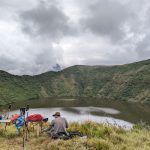
Lake Chala is a beautiful volcanic crater lake situated near the Tanzania–Kenya border, east of Moshi.
Surrounded by steep crater walls and natural vegetation, the lake is known for its striking blue and green water, peaceful environment and scenic landscape.
Its volcanic origins make it an interesting destination for travellers interested in geology and natural scenery.
Activities around Lake Chala include:
- Hiking along designated trails.
- Photography.
- Birdwatching.
- Enjoying crater viewpoints.
- Exploring the surrounding natural environment.
- Relaxing at designated picnic areas.
The steep crater landscape creates beautiful photographic opportunities, particularly when the water reflects the surrounding cliffs.
Access and permitted activities should be confirmed before travelling. Visitors should follow local safety instructions around the crater and water.
Lake Chala is suitable for a full-day excursion from Moshi and can be combined with other attractions in the eastern Kilimanjaro region.
7. Explore Moshi Central Market
Moshi Central Market is an interesting place for visitors who want to experience everyday life in northern Tanzania.
The market brings together local traders selling fresh produce, household goods, clothing, spices and other everyday products.
Walking through the market allows visitors to experience the town’s local trading culture and interact with vendors.
Things to see and experience include:
- Fresh tropical fruits.
- Bananas and vegetables.
- Local spices.
- Traditional foods.
- Clothing and fabrics.
- Household products.
- Local trading activities.
Visitors should ask permission before taking photographs of traders or their businesses.
The market is best explored with a local guide if you want to understand the different products and their importance to the local community.
8. Visit Uhuru Park and Enjoy Views of Mount Kilimanjaro
Uhuru Park is one of the places visitors can explore while discovering Moshi town.
The park offers an opportunity to relax and observe local life. On clear mornings, open areas around the town may provide views towards Mount Kilimanjaro.
The mountain is often covered by clouds later in the day, so early morning is generally a better time to look for clear views of its summit.
Visitors can combine a short town walk with a visit to the market, local cafés and other central attractions.
9. Discover Moshi Railway Station and Town History
Moshi has a history closely connected with the development of transport and trade in the Kilimanjaro region.
The railway station and surrounding town streets provide opportunities to learn about the town’s development as an agricultural and commercial centre.
Visitors interested in local history can include the railway area in a guided Moshi town tour.
It is worth checking access arrangements and the current condition of historical buildings before planning a dedicated visit.
10. Visit Rau Forest Reserve
Rau Forest Reserve is another nature attraction worth considering when visiting Moshi.
The forest provides a quieter environment for nature walks, birdwatching and observing vegetation.
Forest excursions can offer a welcome contrast to the busy town centre and the open mountain landscapes.
Visitors should arrange access and guiding through the appropriate local authorities or tour providers, particularly when planning specialist birdwatching or longer walks.
11. Enjoy Local Tanzanian Food
Moshi offers visitors an opportunity to experience Tanzanian cuisine and the food traditions of the Kilimanjaro region.
Local restaurants and food outlets serve a variety of traditional meals prepared using locally available ingredients.
Popular foods to try include:
- Ugali: A firm maize-based staple commonly served with vegetables, meat or fish.
- Mshikaki: Marinated and grilled meat skewers.
- Nyama Choma: Grilled meat, often served with side dishes.
- Pilau: Spiced rice prepared with meat or vegetables.
- Wali: Rice served with different sauces and accompaniments.
- Ndizi: Bananas prepared in different traditional ways.
- Chips Mayai: A popular combination of chips and eggs.
Visitors can also enjoy fresh tropical fruits, locally brewed coffee and traditional Chagga dishes.
Trying local food is an enjoyable way to understand the region’s culture and hospitality.
12. Visit Local Coffee Shops and Buy Kilimanjaro Coffee
Moshi is an important centre for coffee production in Tanzania.
The surrounding slopes support coffee farming, particularly Arabica coffee, which is valued for its flavour and aroma.
Visitors can spend time in local coffee shops tasting freshly prepared coffee and learning about the region’s coffee culture.
You can also purchase packaged coffee beans as souvenirs to take home.
If you are interested in the full production process, combine a coffee shop visit with a guided coffee farm experience in one of the surrounding villages.
13. Explore the Local Arts and Souvenir Shops
Moshi has shops where visitors can purchase locally made souvenirs, artwork, fabrics and other products.
Popular items include:
- Tanzanian paintings.
- Wood carvings.
- Beaded jewellery.
- Handmade crafts.
- Traditional fabrics.
- Locally produced coffee.
- Small gifts and decorative items.
Purchasing locally made products is a practical way to support artisans and small businesses.
Best Places to Visit Near Moshi Town
Beyond the attractions within town, Moshi provides access to several destinations that can be explored as day trips.
| Destination | Main attraction | Suggested visit |
|---|---|---|
| Materuni Village | Waterfalls and coffee tours | Half or full day |
| Chemka Hot Springs | Natural swimming pool | Full day |
| Marangu Village | Chagga culture and caves | Half or full day |
| Lake Chala | Volcanic crater lake | Full day |
| Arusha National Park | Wildlife and Mount Meru scenery | Full day |
| Mount Kilimanjaro | Mountain climbing and hiking | Multiple days |
| Rau Forest Reserve | Forest walks and birdwatching | Half day |
Arusha National Park
Arusha National Park is a rewarding wildlife destination for travellers staying in Moshi who want to explore more of northern Tanzania.
The park is known for Mount Meru, forest habitats, crater landscapes and wildlife.
Activities include game drives, guided walking safaris, birdwatching and mountain hiking.
Visitors may encounter giraffes, zebras, buffaloes, warthogs, monkeys and different bird species. Wildlife sightings depend on the season and location within the park.
Mount Meru
Mount Meru is an impressive volcanic mountain located within Arusha National Park.
It is Tanzania’s second-highest mountain, rising to 4,566 metres above sea level.
The mountain is popular with hikers seeking a challenging multi-day trekking experience. Some travellers also use Mount Meru as a preparatory climb before attempting Mount Kilimanjaro.
A guided trek takes visitors through forest, heathland and higher-altitude landscapes.
Tarangire National Park
Tarangire National Park is famous for its large elephant populations, baobab trees and seasonal wildlife concentrations.
It is an excellent destination for travellers interested in traditional African game drives.
Visitors can combine Moshi with a longer safari itinerary that includes Tarangire, Lake Manyara, Ngorongoro and Serengeti.
Ngorongoro Conservation Area
The Ngorongoro Conservation Area is one of Tanzania’s most famous wildlife destinations.
Its main attraction is the Ngorongoro Crater, a large volcanic caldera supporting a remarkable concentration of wildlife.
Visitors can enjoy game drives in search of lions, elephants, buffaloes, rhinos, zebras and other animals.
Serengeti National Park
Serengeti National Park is one of Africa’s most famous safari destinations, recognised for its wildlife populations and the annual wildebeest migration.
Travellers staying in Moshi can use the town as a starting or ending point for a wider northern Tanzania safari, depending on their itinerary and transport arrangements.
Cultural Experiences in Moshi
Moshi is closely connected with the traditions of the Chagga people, whose communities have lived on the fertile slopes of Mount Kilimanjaro for generations.
Cultural tourism provides opportunities to learn about their agricultural practices, traditional food, music and community life.
Chagga Traditional Agriculture
The Chagga people are well known for their traditional farming systems, which combine coffee, bananas and other crops within smallholder agricultural landscapes.
Visitors can explore farms and learn how local households cultivate their land.
Traditional Food and Banana Beer
Some community tourism experiences introduce visitors to traditional food preparation and locally made banana beverages.
The availability of these activities depends on the village and tour provider.
Traditional Music and Dance
Cultural visits may include traditional songs and dances that reflect the region’s history and community identity.
Visitors should choose experiences that are organised respectfully and provide direct benefits to local households.
Best Time to Visit Moshi, Tanzania
Moshi can be visited throughout the year, but weather conditions influence outdoor activities, mountain views and trekking experiences.
June to October
This is generally one of the most favourable periods for visiting Moshi and exploring the surrounding region.
The drier weather makes outdoor excursions more convenient, and conditions are often suitable for Kilimanjaro climbing, village visits and waterfall hikes.
January to February
These months can also offer favourable conditions for outdoor activities and mountain climbing, although weather conditions vary.
Clear mornings may provide good opportunities to see Mount Kilimanjaro.
March to May
This period generally experiences the long rains in northern Tanzania.
The surrounding landscapes become green, making the region attractive for photography and nature exploration. However, rainfall can make some hiking trails slippery.
November to December
The short rains may occur during this period. Visitors can still enjoy town tours, coffee experiences and other excursions, although afternoon showers may affect outdoor plans.
Overall recommendation: June to October and January to February are popular periods for visitors seeking generally drier conditions, mountain activities and outdoor excursions.
How to Get to Moshi Town
Moshi is accessible by air and road.
By Air
The closest major international airport is Kilimanjaro International Airport, approximately 40 kilometres from Moshi.
International travellers can arrange airport transfers through their hotel or tour operator.
Visitors may also arrive through Julius Nyerere International Airport in Dar es Salaam and continue to Moshi by domestic flight or road, depending on their itinerary.
By Road from Arusha
Moshi is connected to Arusha by a paved highway. The journey generally takes around 1.5 to 2 hours, depending on traffic and road conditions.
Private transfers, taxis and public transport are available.
By Road from Nairobi, Kenya
Travellers coming from Kenya can reach Moshi through the Namanga border crossing or other suitable routes, depending on their starting point.
Border procedures, travel time and vehicle arrangements should be confirmed before departure.
Getting Around Moshi
Visitors can explore the central town on foot, while taxis and three-wheeled bajaji vehicles are useful for longer distances.
For excursions to Materuni, Marangu, Chemka or Lake Chala, arranging private transport or joining an organised tour is usually more convenient.
Where to Stay in Moshi
Moshi offers different accommodation options, including budget guesthouses, mid-range hotels, boutique properties and luxury lodges.
Travellers can choose accommodation based on their budget, location, preferred facilities and the activities they plan to undertake.
Budget Accommodation
Budget guesthouses and smaller hotels are suitable for backpackers, independent travellers and climbers looking for affordable accommodation before or after a Kilimanjaro trek.
Mid-Range Hotels
Mid-range properties offer a balance of comfort and affordability. They may include private rooms, restaurants, gardens, Wi-Fi and assistance with local excursions.
Luxury Accommodation
Luxury lodges and boutique hotels provide additional comfort for visitors seeking a relaxing stay before or after a mountain climb or Tanzania safari.
When choosing accommodation, consider:
- Proximity to Moshi town centre.
- Distance from Kilimanjaro International Airport.
- Availability of airport transfers.
- Restaurant and meal services.
- Mountain views.
- Laundry facilities.
- Assistance with trekking arrangements.
- Availability of guided excursions.
Always confirm current room rates and facilities directly before booking.
Sample 3-Day Moshi Town and Surrounding Attractions Itinerary
A three-day visit provides enough time to explore Moshi town, discover Chagga culture and enjoy some of the region’s most beautiful natural attractions.
Day 1: Arrival and Moshi Town Tour
Arrive at Kilimanjaro International Airport and transfer to your hotel in Moshi.
After check-in and relaxation, enjoy a guided town tour.
Visit the central market, explore local shops and experience the town’s coffee culture. Depending on the weather, enjoy views towards Mount Kilimanjaro.
In the evening, enjoy a traditional Tanzanian meal and overnight accommodation in Moshi.
Accommodation: Hotel in Moshi.
Day 2: Materuni Waterfalls and Chagga Coffee Experience
After breakfast, depart for Materuni Village on the slopes of Mount Kilimanjaro.
Meet your local guide and begin a walk through coffee farms, banana plantations and green countryside towards Materuni Waterfalls.
Spend time enjoying the waterfall, taking photographs and swimming where conditions permit.
After the walk, return to the village for a traditional Chagga coffee experience. Learn how coffee is harvested, roasted, ground and prepared.
Enjoy a local lunch before returning to Moshi.
Accommodation: Hotel in Moshi.
Day 3: Chemka Hot Springs and Departure
After breakfast, depart for Chemka Hot Springs.
Enjoy time swimming in the natural pool and relaxing in the surrounding vegetation.
After the excursion, return to Moshi for your onward transfer or continuation of your Tanzania safari.
This itinerary can be adjusted to include Lake Chala, Marangu Village or an Arusha National Park excursion.
Practical Travel Tips for Visiting Moshi
Before travelling to Moshi, consider the following recommendations:
- Carry comfortable walking shoes: Waterfall hikes and village trails can be uneven or slippery.
- Pack warm clothing: Early mornings and evenings can be cool, especially near the mountain.
- Carry swimwear: This is useful for Chemka Hot Springs and waterfall excursions where swimming is permitted.
- Bring sunscreen: Outdoor activities can involve prolonged exposure to the sun.
- Carry insect repellent: This is useful when visiting forested and rural areas.
- Use local guides: Local guides provide valuable information about the region’s history, culture and natural environment.
- Respect local communities: Ask permission before photographing people, homes or private property.
- Book Kilimanjaro climbs early: Allow time to organise a suitable route, licensed operator and climbing equipment.
- Confirm activity fees: Waterfall, village, park and hot spring fees may change.
- Allow enough time: Do not schedule demanding excursions too close to an international flight or a mountain climbing departure.
Frequently Asked Questions About Moshi Town
1. What is Moshi Town famous for?
Moshi is famous for its location at the foot of Mount Kilimanjaro, coffee production, Chagga culture and its role as a major starting point for Kilimanjaro climbing expeditions.
2. Is Moshi worth visiting?
Yes. Moshi offers much more than mountain climbing. Visitors can explore waterfalls, coffee farms, local markets, traditional villages, crater lakes and natural swimming pools.
3. What are the best things to do in Moshi?
Some of the best activities include climbing Mount Kilimanjaro, visiting Materuni Waterfalls, taking a Chagga coffee tour, swimming at Chemka Hot Springs, exploring Marangu Village and visiting Lake Chala.
4. How many days should I spend in Moshi?
Two to three days are suitable for exploring the town and nearby attractions. Travellers planning to climb Mount Kilimanjaro should allow several additional days depending on their chosen route.
5. How far is Moshi from Kilimanjaro International Airport?
Moshi is approximately 40 kilometres from Kilimanjaro International Airport. The journey generally takes around 45 minutes to one hour, depending on traffic and road conditions.
6. Can I see Mount Kilimanjaro from Moshi?
Yes. Mount Kilimanjaro can be seen from different parts of Moshi on clear days. Early morning often offers better opportunities because clouds may gather around the mountain later in the day.
7. Can I visit Materuni Waterfalls from Moshi?
Yes. Materuni is a popular excursion from Moshi. Visitors can enjoy a guided waterfall hike and combine it with a traditional Chagga coffee experience.
8. Is Chemka Hot Springs suitable for families?
Chemka can be a suitable family excursion, provided children are supervised around the water and visitors follow local safety instructions.
9. What is the best time to visit Moshi?
June to October and January to February are generally popular periods for outdoor activities and mountain climbing. However, Moshi can be visited throughout the year.
10. Can I combine Moshi with a Tanzania wildlife safari?
Yes. Moshi can be included in a northern Tanzania itinerary featuring Tarangire National Park, Lake Manyara, Ngorongoro Conservation Area and Serengeti National Park.
11. Is Moshi better than Arusha for visiting Mount Kilimanjaro?
Moshi is particularly convenient for visitors planning to climb Mount Kilimanjaro because of its proximity to several mountain access points. Arusha is a major base for northern Tanzania wildlife safaris. The better location depends on your travel plans.
12. What airport should I use when visiting Moshi?
Kilimanjaro International Airport is the most convenient major airport for reaching Moshi. Visitors can arrange road transfers from the airport to their accommodation.
Plan Your Moshi Town and Tanzania Safari with Epic Uganda Vacation
Moshi is a wonderful destination for travellers who want to explore the natural beauty and cultural heritage of northern Tanzania. From the spectacular slopes of Mount Kilimanjaro to the refreshing waters of Chemka Hot Springs, the waterfalls of Materuni and the traditional coffee farms of the Chagga communities, the town offers a memorable range of experiences.
Whether you are planning a Kilimanjaro climbing adventure, a cultural excursion, a relaxing holiday or a longer wildlife safari, Moshi provides an excellent starting point.
At Epic Uganda Vacation, we can help you organise a personalised Tanzania holiday combining Moshi town tours, Mount Kilimanjaro activities, Materuni Waterfalls, Chagga cultural experiences and northern Tanzania wildlife safaris.
You can also combine Tanzania with a wider East African holiday featuring Uganda gorilla trekking, Rwanda gorilla trekking and wildlife safaris.
Contact Epic Uganda Vacation to plan your Moshi town excursion or request a customised Tanzania safari itinerary based on your travel dates, interests and budget.
Visit our contact page to start planning your East African adventure.