Matete Picnic Site in Tarangire National Park, Tanzania
Introduction to Matete Picnic Site
Matete Picnic Site is one of the scenic places to take a break during a wildlife safari in Tarangire National Park, northern Tanzania. Located near the Tarangire River, this picnic area gives visitors an opportunity to enjoy their packed lunch while appreciating the park’s beautiful landscapes and wildlife-rich surroundings.
Tarangire is famous for its large elephant herds, ancient baobab trees, seasonal wetlands and diverse wildlife. The Tarangire River is particularly important during the dry season, when animals from the surrounding areas move towards its remaining water sources. Matete offers visitors an opportunity to appreciate this riverine environment while taking a break from game driving.
The picnic site is also a useful stop for travellers exploring the northern part of the park. Whether you are visiting Tarangire for a day trip or including it in a longer northern Tanzania safari, Matete can add a relaxing outdoor experience to your itinerary.
Where Is Matete Picnic Site Located?
Matete Picnic Site is situated inside Tarangire National Park, a protected wildlife area in northern Tanzania. It is associated with the Tarangire River and the surrounding riverine landscape.
The site is listed among Tarangire’s visitor facilities on Tanzania National Parks Authority (TANAPA) maps. It is also described by safari guides as being approximately 14 kilometres from the park’s main entrance, although the actual driving distance and travel time depend on the route and road conditions.
The surrounding landscape includes riverine vegetation, woodland and open areas that support a variety of wildlife. The Tarangire River is an important source of water for animals, particularly during the dry months.
What Makes Matete Picnic Site Special?
Scenic Views of the Tarangire River
One of the appealing features of Matete is its setting near the Tarangire River. The river and its surrounding vegetation create a beautiful landscape for visitors taking a break from game drives.
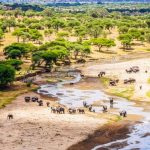
The river is a major wildlife lifeline within the park. During the dry season, when temporary water sources become scarce, animals increasingly depend on the river and associated wetlands.
A Convenient Safari Lunch Stop
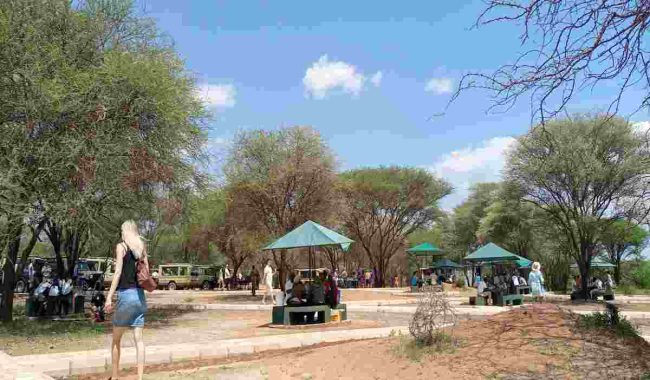
Matete Picnic Site provides an opportunity to stop for lunch during a day of wildlife viewing. Instead of returning to a lodge or leaving the park, visitors can enjoy a packed meal at a designated picnic location.
A lunch break also gives travellers time to rest, stretch and appreciate the natural surroundings before continuing their game drive.
Visitors should remain alert because Tarangire is a wildlife area. Follow the instructions of your safari guide and observe all park safety regulations.
Wildlife Viewing Opportunities
The wider Matete and Tarangire River area supports a variety of wildlife. Depending on the season, time of day and animal movements, visitors may encounter:
- African elephants
- African buffaloes
- Zebras
- Wildebeests
- Giraffes
- Impalas and other antelopes
- Lions and leopards in suitable habitats
- Various bird species
Elephants are among Tarangire’s most recognisable animals. During the dry season, herds often move towards permanent water sources, creating excellent opportunities for wildlife observation from authorised roads and safe locations.
Wildlife sightings are never guaranteed, so visitors should enjoy the wider landscape as well as the animals they encounter.
Activities at Matete Picnic Site
1. Enjoying a Picnic Lunch
The main reason to stop at Matete Picnic Site is to enjoy a meal during a Tarangire safari. Travellers can bring packed lunch prepared by their lodge or safari operator and enjoy a break in the designated area.
It is advisable to carry sufficient drinking water, especially during the hotter months. Keep all food and rubbish properly secured, and never leave leftovers behind.
2. Wildlife Observation
The picnic stop provides an opportunity to appreciate the wildlife-rich environment surrounding the Tarangire River. Visitors may see elephants and other animals moving through the wider area.
Always observe wildlife from designated safe areas and follow your guide’s instructions. Do not approach, feed or attempt to attract wild animals.
3. Birdwatching
Tarangire National Park is an excellent birdwatching destination, with a wide variety of species living in its woodlands, grasslands, wetlands and riverine habitats.
Birdwatchers exploring the Matete area may look for different species associated with riverine vegetation and open savanna. Carry binoculars and a bird identification guide if birding is an important part of your safari.
4. Photography
Matete’s riverine setting provides opportunities for landscape and nature photography. Visitors can capture the surrounding vegetation, river scenery and wildlife encountered during the safari.
The changing light in the morning and late afternoon can create attractive photography conditions. However, visitors should never leave designated safe areas or compromise wildlife safety to obtain photographs.
Wildlife Around Matete Picnic Site
Matete is part of the wider Tarangire ecosystem, which supports a remarkable variety of mammals and birds.
African Elephants
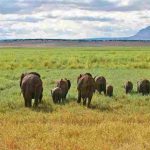
Elephants are among the most celebrated animals in Tarangire. The park is particularly known for its large elephant herds, which can often be seen moving through woodland, feeding beneath baobab trees and visiting water sources.
During the dry season, the Tarangire River becomes especially important to elephants and other wildlife.
Buffaloes
African buffaloes inhabit different parts of Tarangire and may be encountered around grasslands, woodland and water sources. They are powerful wild animals and should always be observed from a safe distance.
Lions and Leopards
Tarangire supports several predators, including lions and leopards. Lions may be encountered resting in shaded areas or following herds of herbivores, while leopards are more elusive and often use woodland cover.
A sighting around Matete is not guaranteed, but the wider park offers opportunities to search for these predators during game drives.
Giraffes, Zebras and Antelopes
Giraffes, zebras and several antelope species contribute to Tarangire’s rich wildlife diversity. They can be encountered in open grasslands, woodland and areas close to water.
Best Time to Visit Matete Picnic Site
Matete Picnic Site can be visited throughout the year, as Tarangire National Park remains open to visitors in different seasons. However, the dry season generally offers some of the most rewarding wildlife-viewing opportunities.
June to October: Dry season
This is a particularly popular period for visiting Tarangire. As seasonal water sources dry up, wildlife increasingly gathers around the Tarangire River and permanent wetlands. Visitors may have better opportunities to observe elephants, buffaloes, zebras and other animals.
November to December: Short rainy season
The short rains transform parts of the park into greener landscapes. Migratory birds may be present, and the changing scenery can make for attractive photography. Some roads may become muddy after rainfall.
March to May: Long rainy season
The long rains bring lush vegetation and seasonal water sources. Wildlife may be more dispersed because water is available across a wider area. Travellers should be prepared for wet and potentially challenging road conditions.
For visitors whose main interest is dry-season wildlife concentration, June to October is generally a good period to plan a Tarangire safari.
How to Get to Matete Picnic Site
By Road from Arusha
Arusha is one of the main starting points for safaris to Tarangire National Park. The park is approximately 120 kilometres from Arusha, and the drive to the main entrance generally takes around two and a half to three hours, depending on traffic and road conditions.
After entering the park, visitors continue along designated park roads towards the wildlife-viewing areas and picnic locations. The journey to Matete depends on the route selected by the safari guide.
By Air
Visitors can also arrange charter flights to airstrips serving Tarangire National Park, including Kuro Airstrip. From the airstrip, onward transfers and game drives are arranged according to the accommodation and safari itinerary.
Facilities at Matete Picnic Site
Matete is identified as a picnic facility on TANAPA’s Tarangire visitor-facilities maps. Published visitor information also describes the site as having outdoor seating and an ablution block.
Facilities and their operating condition can change, so travellers should confirm what is available before departure. It is sensible to bring drinking water, personal essentials and any additional supplies needed for the picnic.
Visitors should use designated facilities, keep the area clean and avoid leaving litter in the park.
Important Rules for Visitors
Matete is located within a protected wildlife area, so visitors must follow Tarangire National Park regulations.
- Remain within designated picnic areas and follow your guide’s instructions.
- Do not approach, feed or disturb wild animals.
- Never leave food scraps or rubbish behind.
- Do not exit your vehicle except at designated visitor areas.
- Keep a safe distance from elephants, buffaloes and other wildlife.
- Follow park speed limits and remain on authorised roads.
- Respect other visitors and avoid unnecessary noise.
- Do not collect plants, stones, animal products or other natural materials.
- Follow park opening hours and all instructions from park authorities.
These precautions help protect visitors and wildlife while maintaining the natural environment.
Other Attractions to Combine with Matete Picnic Site
Matete can be included in a broader Tarangire game drive that explores several of the park’s attractions.
Tarangire River
The Tarangire River is one of the park’s most important natural features. It supports wildlife throughout the year and becomes especially valuable during the dry season.
Silale Swamp
Silale Swamp is an important wetland within Tarangire National Park. Its vegetation and water supply support wildlife and birdlife, particularly when other parts of the park become dry.
Baobab Trees
Tarangire is famous for its impressive baobab trees, which form striking features across its savanna and woodland landscapes. These trees provide food and shelter for different forms of wildlife.
Wildlife-Rich Savannas
The park’s open grasslands, woodland and river valleys provide habitats for elephants, giraffes, zebras, buffaloes, antelopes and predators.
Where to Stay During a Tarangire Safari
Visitors can choose from lodges, tented camps and campsites inside or around Tarangire National Park. The best option depends on the safari budget, preferred level of comfort and planned route.
Some accommodation options associated with the wider Tarangire safari area include:
- Tarangire Safari Lodge: A well-known lodge overlooking the Tarangire River landscape.
- Tarangire Sopa Lodge: An established safari lodge within the park.
- Tented safari camps: Various permanent and seasonal camps provide accommodation closer to different wildlife-viewing areas.
- Lodges outside the park: Travellers can also stay around the park boundary, Lake Manyara and Karatu, depending on their itinerary.
Confirm the location, operating dates, facilities and availability of any property before booking.
Suggested Tarangire Safari Itinerary Including Matete Picnic Site
One-Day Tarangire National Park Safari
Morning: Arusha to Tarangire National Park
Depart Arusha after breakfast and drive to Tarangire National Park. After completing the entry procedures, begin a game drive through the park’s savanna, woodland and riverine habitats.
Look out for elephants, giraffes, zebras, buffaloes and other wildlife.
Midday: Picnic at Matete Picnic Site
Proceed towards Matete Picnic Site for a lunch break. Enjoy your packed meal in the designated area while appreciating the natural surroundings.
Afternoon: Continue Game Viewing
After lunch, continue exploring Tarangire’s wildlife areas. Depending on the route and time available, your guide may explore parts of the Tarangire River landscape and other suitable game-viewing areas.
Later, leave the park and return to Arusha.
The exact route and time spent at Matete depend on park conditions, wildlife movements and the day’s safari schedule.
Why Include Matete Picnic Site in Your Tanzania Safari?
A safari is not only about travelling between wildlife sightings. It is also about enjoying the landscapes and natural surroundings of the destinations you visit.
Matete Picnic Site offers a practical place to pause during a Tarangire game drive. Its association with the Tarangire River makes it a worthwhile stop for visitors interested in the park’s riverine environment, wildlife and scenery.
For travellers planning a northern Tanzania safari, Matete can be combined with Tarangire’s famous elephant-viewing areas, baobab landscapes and wetlands.
Frequently Asked Questions About Matete Picnic Site
1. Where is Matete Picnic Site found?
Matete Picnic Site is located inside Tarangire National Park in northern Tanzania, in the wider Tarangire River area.
2. What is Matete Picnic Site known for?
It is known as a designated lunch stop within Tarangire National Park, offering visitors a place to rest and enjoy the surrounding riverine landscape during a game drive.
3. Can I see elephants at Matete Picnic Site?
Elephants inhabit the wider Tarangire River area and may be encountered during a visit. However, sightings at the picnic site itself are not guaranteed.
4. Is Matete Picnic Site suitable for birdwatching?
Yes. Tarangire supports diverse birdlife, and the riverine vegetation around Matete provides habitat for different bird species.
5. When is the best time to visit Matete Picnic Site?
June to October is generally a good period for wildlife viewing because animals increasingly concentrate around permanent water sources as seasonal areas dry out.
6. Can I have lunch at Matete Picnic Site?
Yes. The site is used as a picnic stop where safari visitors can enjoy packed meals during their game drives. Follow the designated picnic-area rules and your guide’s instructions.
7. Can Matete Picnic Site be visited on a one-day safari?
Yes. It can be included in a one-day Tarangire safari from Arusha, depending on the route, available time and park conditions.
8. Are there accommodation facilities at Matete Picnic Site?
Matete is identified as a picnic facility, not a lodge. Visitors should arrange overnight accommodation at an established lodge, tented camp or campsite within or around Tarangire National Park.
Book a Tarangire National Park Safari with Epic Uganda Vacation
Would you like to explore Tarangire National Park and experience its remarkable wildlife, baobab landscapes and riverine scenery? Epic Uganda Vacation can help arrange a personalised Tanzania safari with local ground arrangements and guides familiar with the destination.
Your itinerary can include Matete Picnic Site, the Tarangire River, Silale Swamp and other wildlife-viewing areas, depending on your travel dates and interests.
Contact our team through Epic Uganda Vacation to discuss your Tanzania safari plans and request a personalised itinerary.