SEO Title: Mishaya Gorilla Family in Bwindi, Uganda | Rushaga Sector
Focus Keyphrase: Mishaya Gorilla Family
URL Slug: mishaya-gorilla-family
Meta Description: Learn about the Mishaya Gorilla Family in Rushaga, Bwindi, Uganda. Discover its history, silverback leadership, current group composition and gorilla trekking tips.
Mishaya Gorilla Family in Rushaga Sector, Bwindi Impenetrable National Park
The Mishaya Gorilla Family is one of the recognised mountain gorilla groups in Rushaga Sector of Bwindi Impenetrable National Park, southwestern Uganda. Its history is closely connected to the Nshongi Gorilla Family, from which it separated in July 2010 under the leadership of a silverback named Mishaya.
The group became known for its independent formation and the remarkable history of its original leader. Following Mishaya’s death in February 2014, the remaining gorillas dispersed, and the group was later rediscovered under a new silverback, Tinfayo, in May 2018.
Today, the Mishaya family remains an important part of Rushaga’s gorilla conservation and tourism history. Visitors planning a Uganda gorilla trekking safari can explore the story of this group while learning about mountain gorilla behaviour, family relationships and conservation in Bwindi.
Where Is the Mishaya Gorilla Family Located?
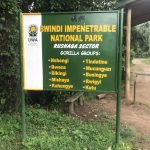
The Mishaya Gorilla Family is associated with Rushaga Sector, in the southern part of Bwindi Impenetrable National Park. The park is located in southwestern Uganda and is one of the world’s most important habitats for endangered mountain gorillas.
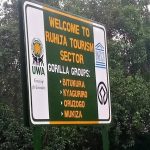
Rushaga is one of Bwindi’s four main gorilla trekking sectors, alongside Buhoma, Ruhija and Nkuringo. It is particularly recognised for its concentration of habituated gorilla families and its Gorilla Habituation Experience.
The Rushaga landscape consists of forested ridges, steep valleys, thick vegetation and high-altitude rainforest. These natural features provide important habitats for mountain gorillas and other forest wildlife.
The Mishaya family moves through its natural habitat, meaning its location can change from one day to another. Visitors should not expect to find the gorillas in a fixed location.
History of the Mishaya Gorilla Family
The history of the Mishaya Gorilla Family began with the Nshongi group, which was once one of the largest habituated mountain gorilla families in Bwindi.
The Nshongi group originally had more than 30 members and became available for tourism in 2009. It included several mature silverbacks, females, juveniles and infants.
As the group developed, changes in social relationships and competition among mature males contributed to the formation of smaller families.
In July 2010, a silverback named Mishaya separated from the Nshongi group with eight other members and established an independent family. The new group became known as the Mishaya Gorilla Family.
This separation was an example of the natural social dynamics of mountain gorillas. Mature males may leave their original groups and establish new families by attracting females and other individuals.
Why Did Mishaya Leave the Nshongi Group?
Mishaya’s departure was connected to the social changes within the large Nshongi family. As a mature silverback, he established a separate group with several other members.
Mountain gorillas live in social groups, usually organised around a dominant silverback. However, these relationships are not permanent. Competition, maturity and changes in social bonds can lead to the formation of new families.
The establishment of Mishaya’s group therefore provides an interesting example of how mountain gorilla communities develop naturally.
The Death of Silverback Mishaya in 2014
The original leader of the Mishaya Gorilla Family died on 3 February 2014, aged approximately 28 years.
According to the International Gorilla Conservation Programme, Mishaya died following an intestinal obstruction. His death was a significant event in the history of the group because he was its sole leader.
Following his death, the remaining members dispersed. Some joined other gorilla families, including Bweza and Bikingi, while the whereabouts of others were initially unknown.
The loss of the group’s leader illustrates how the death of a dominant silverback can affect the structure and future of a mountain gorilla family.
Rediscovery of the Mishaya Gorilla Family Under Silverback Tinfayo
In May 2018, the remaining Mishaya group members were rediscovered under the leadership of another silverback named Tinfayo.
Tinfayo was previously associated with the Nshongi group. He had reportedly left Nshongi around 2012 with an adult female named Shida and her infant, Rotary.
The rediscovery of the group was an important development for conservation monitoring in Rushaga. Because some members had previously been habituated, rehabilitation of the group’s habituation process was considered necessary to support closer monitoring.
Today, Tinfayo is identified by the International Gorilla Conservation Programme as the leader of the Mishaya group.
How Many Gorillas Are in the Mishaya Family?
The International Gorilla Conservation Programme recorded nine members in the Mishaya Gorilla Family as of 31 January 2024.
The reported family composition was:
| Gorilla category | Number |
|---|---|
| Silverback | 1 |
| Adult females | 5 |
| Juveniles | 1 |
| Infants | 2 |
| Total | 9 |
These figures represent the group’s reported composition at that time, not a guaranteed current count. Mountain gorilla families change through births, deaths, dispersal and changes in group membership.
Visitors interested in the latest family composition should confirm the information with Uganda Wildlife Authority or their safari operator before travelling.
What Makes the Mishaya Gorilla Family Special?
The Mishaya group has several interesting features that make it an important part of Rushaga’s gorilla trekking history.
1. Its Formation from the Nshongi Group
The family was established in July 2010 after Mishaya separated from the large Nshongi group with eight other members. Its formation demonstrates how mountain gorilla families develop through natural social changes.
2. The History of Its Original Silverback
Mishaya was the founding leader of the group. His death in 2014 marked a major turning point in the family’s history.
3. Rediscovery Under Tinfayo
The group was rediscovered in 2018 under the leadership of Tinfayo. This development helped restore the family’s identity as a monitored gorilla group in Rushaga.
4. An Example of Gorilla Conservation Monitoring
The group’s history demonstrates the importance of tracking individual gorillas, monitoring family composition and following changes in leadership. Such monitoring contributes to conservation research and the management of habituated gorilla families.
Gorilla Trekking to See the Mishaya Family
Rushaga is an important destination for visitors interested in mountain gorilla trekking in Uganda. The sector has several habituated gorilla families, including Mishaya, Nshongi, Bweza, Kahungye and Busingye.
However, visitors should understand that a gorilla trekking permit is booked for a particular date and sector, not for a named family.
Uganda Wildlife Authority allocates visitors to available gorilla families on the trekking day. Therefore, booking a Rushaga permit does not guarantee that you will be assigned to the Mishaya group.
What Happens During a Mishaya Gorilla Trekking Experience?
A typical gorilla trekking experience in Rushaga follows several stages.
1. Morning registration and briefing
Visitors report to the Rushaga briefing centre early in the morning. Park officials verify permits, register visitors and explain the trekking rules.
2. Gorilla family allocation
Visitors are organised into trekking groups and assigned to available habituated families. Guides consider the day’s tracking arrangements and the location of the gorillas.
3. Entering Bwindi Forest
After the briefing, visitors enter the rainforest accompanied by experienced guides and trackers. The trek involves walking through thick vegetation, uneven paths and sometimes steep slopes.
4. Locating the gorillas
Trackers help locate the assigned family and communicate its position to the guides. Trekking time varies depending on the distance the gorillas have travelled.
5. Observing the mountain gorillas
Once the gorillas are located, visitors on a standard trek are allowed a maximum of one hour to observe them.
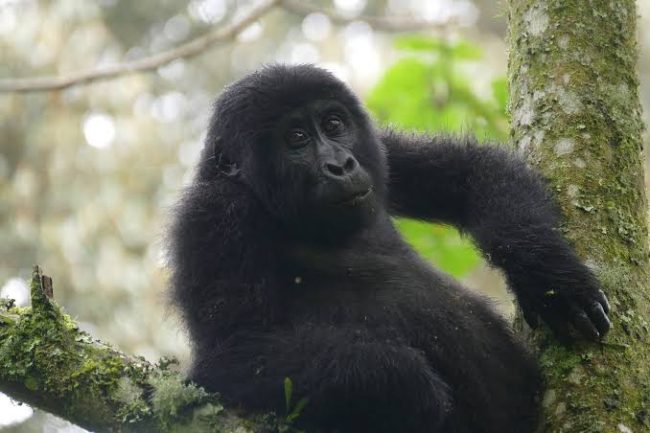
You may see gorillas feeding, resting, grooming, caring for infants or moving through the forest.
6. Returning from the forest
After the encounter, visitors follow their guides back to the starting point. A trekking certificate may be provided at the end of the experience.
Can You Specifically Book the Mishaya Gorilla Family?
You can request a gorilla trekking permit for Rushaga Sector, but you cannot guarantee an encounter with the Mishaya family.
Uganda Wildlife Authority manages gorilla allocation according to the trekking date, designated sector and operational arrangements. Visitors are assigned to available groups on the day of trekking.
If Mishaya is your preferred group, you can communicate your interest to your safari operator when booking. However, the final allocation remains the responsibility of the park authorities.
You should also share your fitness level and any mobility concerns during the morning briefing. This helps guides consider your needs when organising trekking groups, although the walking distance and duration cannot be guaranteed.
Gorilla Trekking Rules in Rushaga
Mountain gorillas are endangered, and responsible tourism is essential for their protection. Visitors must follow the instructions of Uganda Wildlife Authority guides and observe the established trekking guidelines.
Important rules include:
- The minimum age for gorilla trekking in Uganda is 15 years.
- Maintain the distance instructed by your guide.
- Do not touch gorillas, even if they approach you.
- Avoid shouting, sudden movements and unnecessary noise.
- Flash photography is not permitted.
- Do not eat, drink or smoke during the gorilla viewing session.
- Do not leave rubbish in the forest.
- Visitors who are sick or showing signs of infectious illness should not enter the forest.
- Cover your mouth and turn away from the gorillas if you need to cough or sneeze.
- Follow all instructions from your guides and trackers.
Standard gorilla trekking allows a maximum of one hour with the gorillas after they have been located.
Best Time to Visit the Mishaya Gorilla Family
Gorilla trekking in Rushaga is available throughout the year. However, some months generally offer more favourable conditions for walking through Bwindi’s forest trails.
June to September
These months are generally part of Uganda’s main dry season. Trails are often less muddy, making trekking more manageable. This is also a popular period for gorilla safaris, so early permit booking is recommended.
December to February
This is another relatively dry period in southwestern Uganda. Visitors can enjoy gorilla trekking, although occasional rain is still possible.
March to May and October to November
These months generally experience more rainfall. Forest trails may become muddy and slippery, but trekking continues. Visitors should prepare with waterproof clothing and suitable hiking boots.
Because Bwindi is a tropical rainforest, rain can occur at any time of the year.
What to Pack for Gorilla Trekking in Rushaga
A gorilla trek involves walking through dense vegetation and uneven terrain. Appropriate clothing and equipment can make the experience more comfortable.
Recommended items include:
- Waterproof hiking boots with good grip.
- Long trousers and long-sleeved shirts.
- Waterproof jacket or raincoat.
- Gardening gloves for holding vegetation.
- Drinking water and packed lunch.
- Small backpack.
- Insect repellent.
- Camera with flash switched off.
- Walking stick, which may be available at the park.
- Binoculars for observing birds and other forest wildlife.
Hiring a local porter is also recommended. Porters can carry your backpack and assist you on difficult sections of the trail while earning income from tourism.
Accommodation Near Rushaga Sector
Visitors planning to trek in Rushaga can choose from budget, mid-range and luxury accommodation options in the southern Bwindi area.
Some accommodation options to consider include:
- Four Gorillas Lodge
- Rushaga Gorilla Camp
- Gorilla Valley Lodge
- Ichumbi Gorilla Lodge
- Clouds Mountain Gorilla Lodge
Your choice of accommodation should depend on your budget, travel dates and proximity to the Rushaga briefing point. Confirm the lodge’s location and transfer arrangements before booking.
How to Get to Rushaga Sector
Rushaga can be accessed by road from Kampala, Entebbe, Kigali and Kisoro.
From Kampala or Entebbe: The journey generally takes around 9–11 hours by road, depending on traffic, route and road conditions. Travellers may break the journey with an overnight stay along the way.
From Kigali, Rwanda: Visitors can travel through the Uganda–Rwanda border to Rushaga. The journey generally takes around 4–5 hours, depending on the border crossing, immigration procedures and road conditions.
From Kisoro: Rushaga can be reached in approximately 1–2 hours, depending on the starting point and accommodation location.
Travellers entering Uganda from Rwanda should check visa requirements and border-entry arrangements before travelling.
Combine Mishaya Gorilla Trekking with Other Uganda Safari Experiences
A gorilla trekking safari in Rushaga can be combined with other attractions in southwestern Uganda.
Lake Bunyonyi
Lake Bunyonyi is known for its scenic islands, terraced hills and peaceful surroundings. It is an excellent place to relax before or after gorilla trekking.
Mgahinga Gorilla National Park
Mgahinga offers golden monkey tracking, volcano hiking and opportunities to explore the Virunga Mountains.
Lake Mutanda
Located near Kisoro, Lake Mutanda offers beautiful views of the Virunga volcanoes. Visitors can enjoy canoeing, photography and relaxation beside the lake.
Queen Elizabeth National Park
Travellers can extend their safari to Queen Elizabeth National Park for wildlife viewing, game drives and a boat cruise along the Kazinga Channel.
Frequently Asked Questions About the Mishaya Gorilla Family
1. Where is the Mishaya Gorilla Family found?
The Mishaya Gorilla Family is associated with Rushaga Sector in the southern part of Bwindi Impenetrable National Park, southwestern Uganda.
2. How was the Mishaya Gorilla Family formed?
The group was formed in July 2010 when a silverback named Mishaya separated from the Nshongi Gorilla Family with eight other members.
3. Is the original silverback Mishaya still alive?
No. The original silverback Mishaya died on 3 February 2014, aged approximately 28 years, following an intestinal obstruction.
4. Who leads the Mishaya Gorilla Family today?
The International Gorilla Conservation Programme identifies silverback Tinfayo as the group’s leader. This information should be reconfirmed before travel because gorilla leadership can change.
5. How many members are in the Mishaya Gorilla Family?
The International Gorilla Conservation Programme recorded nine members as of 31 January 2024: one silverback, five adult females, one juvenile and two infants. The current number may differ.
6. Can I book a permit specifically for Mishaya?
No. Visitors book a permit for Rushaga Sector rather than a named gorilla family. The park authorities allocate visitors to available groups on the trekking day.
7. How long can I spend with the Mishaya gorillas?
Standard gorilla trekking allows a maximum of one hour with the gorillas after they have been located.
8. Can I trek gorillas in Rushaga from Kigali?
Yes. You can travel from Kigali to Rushaga through the Uganda–Rwanda border. This is a convenient option for travellers combining a Rwanda holiday with gorilla trekking in Uganda.
Book Your Rushaga Gorilla Trekking Safari with Epic Uganda Vacation
The Mishaya Gorilla Family has a remarkable history, from its formation out of the Nshongi group in 2010 to the death of its founding silverback and the rediscovery of the remaining members under Tinfayo.
Its story offers visitors an interesting perspective on mountain gorilla social behaviour, family formation and conservation in Bwindi Impenetrable National Park.
Epic Uganda Vacation organises personalised gorilla trekking safaris in Rushaga and other sectors of Bwindi. We can arrange gorilla permits, accommodation, ground transportation and professional safari guides.
You can also combine your gorilla trekking experience with visits to Lake Bunyonyi, Mgahinga Gorilla National Park, Lake Mutanda and Queen Elizabeth National Park.
Contact Epic Uganda Vacation to plan your Uganda gorilla trekking safari: https://www.epicugandavacation.com/contact-us/