How to Get to Kidepo Valley National Park, Uganda
Introduction
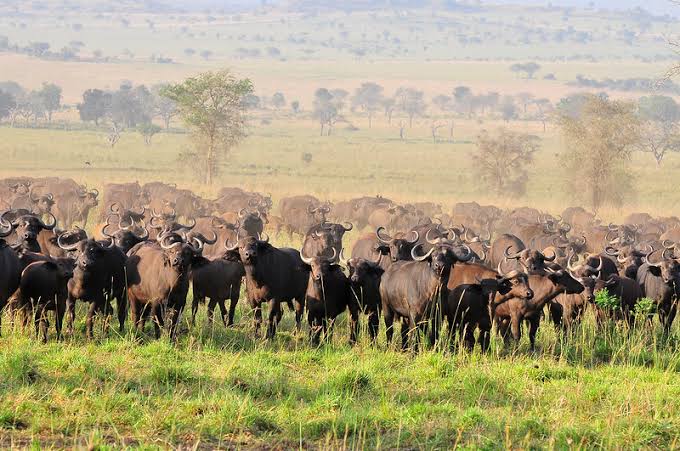
Kidepo Valley National Park is one of Uganda’s most remote and spectacular wildlife destinations. Located in the northeastern corner of the country, in the rugged Karamoja region, the park is famous for its vast savannah plains, dramatic mountain scenery, and remarkable diversity of wildlife. It offers an exceptional safari experience for travelers seeking beautiful landscapes, fewer crowds, and encounters with wildlife in a relatively wild setting.
However, because Kidepo lies far from Uganda’s main international gateway at Entebbe, knowing how to get to Kidepo Valley National Park is an important part of planning your safari.
Visitors can reach Kidepo by road from Kampala or Entebbe, travel through northern Uganda via Gulu and Kitgum, explore the scenic eastern route through Mbale and Moroto, or fly to the airstrip serving the Apoka tourism area. Each option offers a different balance of cost, travel time, comfort, and sightseeing opportunities.
For travelers with sufficient time, a road trip can become an adventure in its own right, passing through rural communities, open countryside, and the distinctive landscapes of northern Uganda. Those with limited time may prefer a domestic or charter flight.
At Epic Uganda Vacation, we help travelers organize memorable Uganda wildlife safaris, including transport, accommodation, guided activities, and itineraries combining Kidepo with other national parks.
This guide explains the best ways to reach Kidepo Valley National Park, the routes to consider, approximate journey times, available transport options, and practical advice to help you plan a smooth safari.
Where Is Kidepo Valley National Park Located?
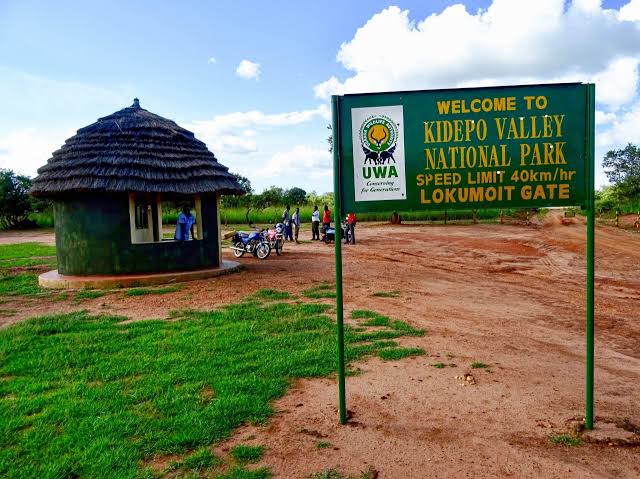
Kidepo Valley National Park is situated in northeastern Uganda, in Kaabong District, within the Karamoja subregion. It lies near Uganda’s international borders with South Sudan and Kenya and is surrounded by rugged mountain ranges and expansive semi-arid landscapes.
The park is approximately 570–700 kilometres from Kampala by road, depending on the route and final destination. Although the distance may appear manageable on a map, driving conditions, the remote location, and the final approach can make the journey lengthy.
The main tourism area is around Apoka, where visitors find park facilities, accommodation options, and access to wildlife-viewing areas.
Kidepo is particularly known for the Narus Valley, where seasonal water availability supports wildlife throughout much of the year. The park’s open grasslands and scattered hills create excellent opportunities for game drives, photography, birdwatching, and guided nature experiences.
Unlike destinations closer to Kampala, Kidepo requires careful transport planning. Travelers should choose their route according to their schedule, accommodation, vehicle, and interest in exploring other parts of Uganda.
How to Get to Kidepo Valley National Park by Road
Traveling by road is a rewarding way to reach Kidepo Valley National Park. It allows visitors to explore Uganda beyond the more frequently visited safari destinations and experience the changing landscapes between central Uganda and Karamoja.
There are two main approaches: the northern route through Gulu and Kitgum, and the eastern route through Mbale, Soroti or Nakapiripirit, Moroto, and Kaabong.
1. From Kampala to Kidepo Valley National Park
The northern route through Gulu and Kitgum is commonly used by travelers heading to Kidepo from Kampala.
The route covers approximately 570–700 kilometres, depending on the precise route and destination. Allow around 10–12 hours of driving under favorable conditions, and preferably plan the journey over two days rather than relying on a single long drive.
Recommended route:
Kampala → Luweero → Karuma → Gulu → Kitgum → Karenga area → Kidepo Valley National Park.
The main stages of the journey are as follows.
Kampala to Karuma
Leave Kampala and travel north through Luweero toward the Karuma area. This section follows the main northern road corridor and takes you away from the capital’s busy urban environment into more open countryside.
Karuma is a useful reference point on the route toward northern Uganda.
Karuma to Gulu
Continue north toward Gulu, one of the major urban centers in northern Uganda. Gulu is a convenient place to stop for meals, fuel, supplies, and overnight accommodation.
Travelers who prefer a relaxed journey can spend the night here before continuing toward Kidepo the following day.
Gulu to Kitgum
From Gulu, continue northeast toward Kitgum. Kitgum is an important staging point for the final section of the journey.
This is a good opportunity to refuel, check the remaining route, purchase any necessary supplies, and confirm current road conditions.
Kitgum to Kidepo Valley National Park
From Kitgum, continue toward the Karenga area and the relevant park access route. The final approach involves remote roads that can be rough, particularly during rainy weather.
Allow extra time for this section and avoid planning to arrive after dark.
Travel tip: For most visitors, the best approach is to leave Kampala early, stay overnight in Gulu or Kitgum, and complete the final leg the next morning. This reduces fatigue and leaves more time to enjoy the park after arrival.
2. From Entebbe International Airport to Kidepo Valley National Park
Entebbe International Airport is the main entry point for most international visitors to Uganda.
From Entebbe, travelers can either continue by road or arrange a domestic or charter flight to Kidepo.
For a road safari, the usual journey begins by traveling toward Kampala before following the northern highway through Luweero, Karuma, Gulu, and Kitgum.
The total journey can take approximately 11–14 hours or longer, depending on traffic, stops, road conditions, and the selected route.
Because of the distance, it is generally more comfortable to break the journey with an overnight stay rather than drive directly from the airport to Kidepo in one stretch.
If your international flight arrives late in the day, consider staying overnight near Entebbe or Kampala before beginning the safari.
A road journey from Entebbe is particularly suitable for travelers who want to explore Uganda’s countryside or combine Kidepo with destinations such as Murchison Falls National Park.
For visitors with limited time, flying may be a more practical alternative.
3. From Kampala to Kidepo Through Mbale and Moroto
The eastern route provides a different experience from the more direct northern approach. It passes through eastern Uganda and the Karamoja region, offering opportunities to explore mountain scenery, rural communities, and cultural attractions.
Recommended route:
Kampala → Jinja → Mbale → Nakapiripirit or Soroti → Moroto → Kotido → Kaabong → Kidepo Valley National Park.
The exact route depends on road conditions and the towns you want to visit. Some itineraries pass through Nakapiripirit, while others travel through Soroti before connecting toward Moroto.
The journey may cover approximately 740–800 kilometres and can require 12–14 hours or more of driving, excluding extended sightseeing stops.
Why choose the eastern route?
-
- It offers an opportunity to explore eastern Uganda.
-
- It can be combined with a visit to Sipi Falls or the Mount Elgon area.
-
- It passes through the distinctive landscapes of Karamoja.
-
- It can include cultural experiences around Moroto and other communities, subject to arrangements.
Because of the distance, an overnight stay in Moroto or another suitable town is advisable.
Travelers should confirm road conditions before departure, particularly on remote sections between Moroto, Kotido, Kaabong, and the park.
4. From Moroto to Kidepo Valley National Park
Moroto is an important town in the Karamoja region and a useful stop for travelers taking the eastern route.
From Moroto, the journey generally continues toward Kotido and Kaabong before reaching Kidepo Valley National Park.
The remaining journey can take several hours, depending on the chosen route, road conditions, and stops.
Moroto is particularly useful for travelers who want to explore the region rather than simply drive through it. Depending on your interests and available time, you may arrange cultural experiences, visit local markets, or learn more about the landscapes and communities of Karamoja.
Before leaving Moroto, confirm fuel availability, road conditions, and your expected arrival time with your driver or accommodation provider.
5. From Gulu to Kidepo Valley National Park
Gulu is one of the most convenient overnight stops for visitors using the northern route.
From Gulu, travelers continue toward Kitgum and then proceed to the park through the relevant northern approach.
The journey from Gulu to Kidepo can take several hours, depending on the route and road conditions. An overnight stop in Kitgum can make the final approach more comfortable.
Gulu is also useful for travelers combining Kidepo with Murchison Falls National Park or exploring other parts of northern Uganda.
If you are arranging a private safari, ask your operator to plan the transfer so that you reach your lodge with enough time to settle in before an afternoon game drive.
6. From Murchison Falls National Park to Kidepo Valley National Park
Combining Murchison Falls National Park with Kidepo Valley National Park is an excellent option for travelers seeking a more comprehensive Uganda wildlife safari.
Murchison Falls offers boat cruises on the Nile, dramatic waterfalls, and savannah wildlife. Kidepo provides a more remote wilderness experience, with expansive plains and distinctive wildlife-viewing opportunities.
Travelers usually connect through northern Uganda, using the route toward Gulu and then Kitgum before continuing to Kidepo.
The journey depends on your starting location in Murchison Falls, the park gate used, and your accommodation in Kidepo. It is best treated as a substantial transfer rather than a short drive.
Plan an overnight stop if necessary, and confirm the route with your driver before departure.
A well-organized itinerary can include game drives and a Nile boat cruise in Murchison Falls before continuing to Kidepo for additional wildlife viewing.
How to Get to Kidepo Valley National Park by Air
Flying is the fastest and often the most comfortable way to reach Kidepo Valley National Park.
It is especially suitable for visitors with limited time, travelers combining several national parks, and guests who prefer to avoid the long overland journey from Kampala.
Domestic and charter flights may operate from Entebbe International Airport or Kajjansi Airfield near Kampala to the airstrip serving the Apoka tourism area.
1. Flying from Entebbe to Kidepo
Visitors arriving at Entebbe International Airport can arrange a domestic flight toward Kidepo, subject to the available schedule and operator.
Flight time is approximately 1.5–2.5 hours, depending on the departure point, aircraft, routing, and operating arrangements.
The usual destination is Lomej Airstrip, which serves the Apoka tourism area.
After landing, travelers need a ground transfer to their lodge or the park headquarters. Arrange this transfer in advance rather than assuming that transport will be available upon arrival.
Flying from Entebbe is particularly convenient for international visitors who want to begin their safari without spending a full day on the road.
2. Flying from Kajjansi Airfield to Kidepo
Kajjansi Airfield, near Kampala, is another possible departure point for charter flights to Kidepo.
This option may be suitable for travelers already staying in Kampala or for private groups arranging a customized safari.
Charter arrangements depend on aircraft availability, passenger numbers, luggage, weather, and the operator’s schedule.
Contact the flight operator or your tour company to confirm the departure point, flight time, baggage allowance, and ground transfer arrangements.
3. Which Airstrip Serves Kidepo Valley National Park?
Lomej Airstrip serves the Apoka tourism area and is the main air access point commonly associated with Kidepo safaris.
The airstrip is located a short drive from the park’s main tourism facilities, although actual transfer time depends on the destination and road conditions.
Before booking, confirm that your flight lands at the airstrip appropriate for your lodge.
Important Tips for Flying to Kidepo
-
- Confirm current flight schedules directly with the operator.
-
- Book flights well in advance, especially during busy safari periods.
-
- Check luggage restrictions and weight limits.
-
- Arrange airport transfers before departure.
-
- Allow for possible weather-related schedule changes.
-
- Confirm whether the flight is scheduled, shared, or a private charter.
Flight services and operating days can change, so do not rely on an old timetable when planning your safari.
What Is the Best Way to Reach Kidepo Valley National Park?
The best transport option depends on your available time, budget, travel preferences, and interest in exploring other parts of Uganda.
-
- Best for saving time: Fly from Entebbe or Kajjansi to the airstrip serving Kidepo.
-
- Best for a conventional road safari: Travel through Karuma, Gulu, and Kitgum.
-
- Best for exploring Karamoja: Take the eastern route through Mbale or Soroti, Moroto, and Kaabong.
-
- Best for a combined wildlife itinerary: Connect Kidepo with Murchison Falls National Park and other destinations in northern Uganda.
-
- Best for flexibility: Arrange a private 4×4 safari vehicle with an experienced driver.
For many international visitors, a private safari package is the simplest option because transport, accommodation, park activities, and overnight stops can be coordinated in advance.
What Type of Vehicle Is Recommended for Kidepo?
A reliable four-wheel-drive vehicle is strongly recommended for traveling to Kidepo Valley National Park.
The main highways are generally easier to navigate than the remote roads near the park, where surfaces may be rough, dusty, muddy, or uneven depending on the season.
Suitable vehicles include:
-
- 4×4 Toyota Land Cruisers.
-
- 4×4 Toyota Prados with adequate ground clearance.
-
- Other high-clearance safari vehicles operated by experienced drivers.
A 4×4 is particularly important for the final approach and for game drives on park tracks.
If you are planning a self-drive safari, check your vehicle’s condition, spare tyres, recovery equipment, fuel arrangements, and route before departure.
For international visitors unfamiliar with the region, hiring an experienced safari driver can make the journey more comfortable and reduce the challenges of navigating remote roads.
Can You Reach Kidepo Valley National Park by Public Transport?
Public transport can take travelers from Kampala toward towns such as Gulu, Kitgum, Moroto, or Kaabong, depending on the route.
However, reaching the park itself by public transport is considerably more complicated than traveling to a major town.
Services to remote areas may be limited or irregular, and the final connection to Apoka may require separately arranged transport.
Public transport is therefore most suitable for travelers with flexible schedules, experience traveling independently, and sufficient time to coordinate connections.
For visitors with confirmed accommodation and scheduled safari activities, private transport is generally the more practical choice.
It allows you to manage departure times, carry supplies, reach your lodge more reliably, and explore the park according to your itinerary.
Road Conditions and Safety Tips When Traveling to Kidepo
Kidepo’s remote location means that road conditions should be considered an essential part of safari planning.
Some sections of the journey are paved, while roads closer to the park can be rough and slower to navigate. Rain can affect unpaved sections, and the semi-arid landscape can produce dusty conditions during drier periods.
For a more comfortable trip:
-
- Start long journeys early in the morning.
-
- Avoid unnecessary driving after dark.
-
- Check current road conditions before leaving Gulu, Kitgum, Moroto, or Kaabong.
-
- Carry sufficient drinking water and snacks.
-
- Refuel in major towns before entering remote areas.
-
- Carry a spare tyre and ensure your vehicle is in good condition.
-
- Keep your accommodation informed of your estimated arrival time.
-
- Follow current guidance from the Uganda Wildlife Authority and your safari operator.
Because services are limited near the park, do not assume you can easily find fuel, vehicle repairs, or other supplies at your destination.
Road conditions and local security guidance can change. Check current advice before departure, particularly if using remote routes through Karamoja.
Where to Stay When Visiting Kidepo Valley National Park
Choosing accommodation near the Apoka tourism area can make your safari more convenient, particularly if you plan early-morning game drives.
Accommodation options range from budget-friendly facilities to comfortable safari camps and luxury lodges.
When selecting a place to stay, consider:
-
- Distance from the park headquarters and your planned activities.
-
- Whether meals are included.
-
- Availability of organized game drives.
-
- Airport or airstrip transfer arrangements.
-
- Vehicle access during wet weather.
-
- Your preferred level of comfort and budget.
Staying close to the main wildlife-viewing areas can help you spend more time enjoying the park rather than traveling between activities.
Book early if you have particular accommodation preferences, especially when your itinerary depends on a specific flight or a limited number of nights.
What Can You See on the Way to Kidepo Valley National Park?
A journey to Kidepo can include memorable stops, especially if you choose a route that allows time for sightseeing.
Ziwa Rhino Sanctuary
Ziwa Rhino Sanctuary is a popular stop on the northern road corridor from Kampala. Visitors can arrange guided rhino-tracking experiences and learn about rhino conservation in Uganda.
It is best included in a road itinerary with sufficient time for the activity and onward travel.
Murchison Falls National Park
Murchison Falls is an excellent addition to a longer Uganda safari. Visitors can experience the Nile, enjoy game drives, and see the powerful waterfall before continuing toward northern Uganda.
If you intend to visit both parks, plan enough time for the transfer and consider an overnight stop.
Sipi Falls
Travelers using the eastern route may be able to include Sipi Falls, a scenic destination on the slopes of Mount Elgon.
The area is known for its waterfalls, hiking opportunities, and mountain scenery. An overnight stay is useful if you want to enjoy the area rather than simply pass through.
Moroto and the Karamoja Region
Moroto offers a chance to experience the distinctive landscapes and cultural heritage of Karamoja.
Visitors can arrange cultural experiences with local communities through responsible guides and operators. Such visits should be organized in advance and conducted respectfully.
These stops can turn the journey into a broader cultural and scenic adventure rather than simply a transfer between destinations.
How Many Days Should You Allow to Reach Kidepo?
The time required depends on whether you travel by road or air.
For a road safari from Kampala, it is advisable to allow two travel days for a comfortable journey, especially if you want to avoid driving long distances after dark.
A suggested itinerary is:
-
- Day 1: Travel from Kampala toward Gulu or Kitgum, with optional stops along the way.
-
- Day 2: Continue to Kidepo Valley National Park, settle into your accommodation, and enjoy an afternoon activity if time permits.
-
- Days 3–4: Enjoy game drives, guided nature activities, and other planned experiences.
-
- Day 5: Begin the return journey or continue to another destination.
If you fly, you can save significant travel time and potentially spend more of your itinerary exploring the park.
For the best experience, plan at least two full days for wildlife viewing, with additional time if you want to include cultural activities or combine Kidepo with other national parks.
How Much Does It Cost to Travel to Kidepo Valley National Park?
The total cost of reaching Kidepo depends on your transport choice, accommodation, group size, travel dates, and planned activities.
Typical budget considerations include:
-
- Road transport or domestic flights.
-
- Fuel and driver services.
-
- Park entry fees.
-
- Accommodation and meals.
-
- Guided game drives and other activities.
-
- Optional cultural experiences.
-
- Overnight stops during road travel.
Flying is generally more expensive than road transport but can save a substantial amount of time.
A private road safari may offer better value for travelers who want to include several destinations or share transport costs with a group.
Park fees and flight prices can change, so confirm current rates before booking. Ask your safari operator for a clear breakdown of included services and additional expenses.
Epic Uganda Vacation can help tailor an itinerary according to your preferred travel style, budget, and schedule.
Why Book Your Kidepo Safari with Epic Uganda Vacation?
A safari to Kidepo Valley National Park requires careful coordination because of the park’s remote location and the time needed to reach it.
Epic Uganda Vacation can help you plan a comfortable, well-organized trip, from your arrival in Uganda to your wildlife experiences in Kidepo.
Our safari planning services can include:
-
- Airport transfers from Entebbe.
-
- Private 4×4 road transport.
-
- Domestic and charter flight arrangements, subject to availability.
-
- Accommodation bookings.
-
- Guided game drives and nature activities.
-
- Cultural experiences with local communities.
-
- Multi-destination itineraries combining Kidepo with Murchison Falls, Sipi Falls, or other Ugandan destinations.
-
- Tailor-made safaris for couples, families, groups, and independent travelers.
Whether you prefer an adventurous road trip through northern Uganda or a fly-in safari focused on wildlife viewing, advance planning helps you make the most of your time.
Ready to explore Kidepo Valley National Park? Visit Epic Uganda Vacation to discuss your travel dates, transport preferences, accommodation, and personalized Uganda safari itinerary.
Frequently Asked Questions About Getting to Kidepo Valley National Park
1. How do I get to Kidepo Valley National Park from Kampala?
You can drive north through Karuma, Gulu, and Kitgum before continuing toward Karenga and the park. Alternatively, arrange a domestic or charter flight from Entebbe or Kajjansi to the airstrip serving the Apoka area.
2. How far is Kidepo Valley National Park from Kampala?
The road distance is approximately 570–700 kilometres, depending on the route and destination within the park. Some eastern routes are longer.
3. How long does it take to drive from Kampala to Kidepo?
Allow approximately 10–12 hours of driving under favorable conditions on the northern route, excluding substantial stops. A two-day journey with an overnight stop is generally more comfortable.
4. Can I fly directly to Kidepo Valley National Park?
Yes. Domestic or charter flights may be available from Entebbe or Kajjansi to Lomej Airstrip, which serves the Apoka tourism area. Confirm current schedules and transfer arrangements before booking.
5. Which route is best for Kidepo Valley National Park?
The northern route through Karuma, Gulu, and Kitgum is commonly used for direct road access. The eastern route through Mbale or Soroti, Moroto, and Kaabong is useful for travelers who want to explore Karamoja and eastern Uganda.
6. Do I need a 4×4 vehicle to visit Kidepo?
A 4×4 vehicle is strongly recommended because remote roads and park tracks can be rough or muddy. It is particularly useful for the final approach and game drives.
7. Can I reach Kidepo by public transport?
You can travel by public transport to some towns in northern Uganda and Karamoja, but the final connection to the park can be difficult to arrange. A private transfer is usually more convenient for safari visitors.
8. Is Kidepo Valley National Park worth visiting?
Yes. Kidepo is an excellent choice for travelers seeking remote wilderness, expansive savannah scenery, wildlife viewing, and cultural experiences. Its distance from Uganda’s main tourism centers is part of what makes the destination feel distinctive.
9. Can I combine Kidepo with Murchison Falls National Park?
Yes. The two parks can be combined in a longer Uganda safari. Allow sufficient time for the road transfer and consider an overnight stop along the way.
10. Where should I stay when visiting Kidepo?
Accommodation is available around the Apoka tourism area, ranging from budget options to safari camps and luxury lodges. Choose accommodation based on your budget, preferred comfort, and proximity to activities.
11. What is the best time to visit Kidepo Valley National Park?
Kidepo can be visited throughout the year. Drier periods generally make road travel and wildlife viewing easier, while rainy conditions may affect access on unpaved roads. Confirm local conditions before traveling.
12. Should I book my Kidepo safari in advance?
Yes. Advance planning is recommended for accommodation, private vehicles, flights, and guided activities. This is especially important if you have limited travel dates or are combining Kidepo with other destinations.
Conclusion
Getting to Kidepo Valley National Park requires more planning than reaching many of Uganda’s other safari destinations, but the journey rewards travelers with extraordinary scenery, remarkable wildlife, and a memorable wilderness experience.
The northern road route through Gulu and Kitgum is a popular choice for overland travelers, while the eastern route through Moroto offers an opportunity to explore the landscapes and cultural heritage of Karamoja. Flying from Entebbe or Kajjansi is an attractive alternative for visitors who want to spend less time traveling and more time enjoying the park.
Whichever option you choose, confirm road conditions, book suitable accommodation, arrange reliable transport, and allow enough time for the journey.
Plan your Kidepo Valley National Park safari with Epic Uganda Vacation. Visit epicugandavacation.com to explore Uganda safari packages and organize a personalized adventure to one of the country’s most remarkable national parks.