Airstrips in Serengeti National Park: Complete Guide to Locations, Flights and Safari Access
Serengeti National Park in northern Tanzania is one of Africa’s most celebrated wildlife destinations, famous for the Great Wildebeest Migration, abundant predators, vast savannah plains and unforgettable game drives. For travellers who want to reach the park quickly and spend more time exploring its wildlife, flying to a Serengeti airstrip is one of the most convenient options.
The park has several airstrips serving different regions, including Seronera in central Serengeti, Kogatende and Lamai in the north, Lobo in the northeast, Kirawira in the west and Kusini in the south. These airstrips connect safari travellers with lodges, tented camps and wildlife-viewing areas across the Serengeti ecosystem.
Choosing the right airstrip is important because the Serengeti covers a vast area. Landing near your accommodation can reduce transfer times and help you focus your safari on the wildlife experiences you want most.
At Epic Uganda Vacation Ltd, we help travellers plan memorable East African wildlife adventures, including Northern Tanzania safaris and combined Tanzania–Uganda itineraries. This guide explains the main Serengeti airstrips, where they are located, which areas they serve and how to choose the best one for your safari.
1. What Are the Main Airstrips in Serengeti National Park?
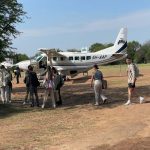
Most Serengeti safari flights use small aircraft that operate between regional airports and bush airstrips. These flights allow visitors to reach different parts of the park without spending an entire day travelling by road.
The main airstrips commonly used for Serengeti safaris include:
| Airstrip | Region served | Best suited for |
|---|---|---|
| Seronera | Central Serengeti | General wildlife viewing and central camps |
| Kogatende | Northern Serengeti | Northern migration areas and possible Mara River crossings |
| Lamai | Far northern Serengeti | Northern camps and the Mara River region |
| Lobo | Northeastern Serengeti | Lobo region and northeastern camps |
| Kirawira (Grumeti) | Western Serengeti | Western Corridor and Grumeti River region |
| Kusini | Southern Serengeti | Southern plains and seasonal wildlife movements |
These are established air access points identified in Tanzania National Parks visitor information. Exact flight availability depends on the airline, season, route and operational conditions.
Important: Some airstrips advertised as serving the Serengeti are actually located outside Serengeti National Park, in neighbouring conservation areas or private reserves. Ndutu, for example, is in the Ngorongoro Conservation Area, while Sasakwa serves the Grumeti reserve. Confirm the location of your landing strip because the applicable conservation fees and access arrangements may differ.
2. Seronera Airstrip: The Main Gateway to Central Serengeti
Seronera Airstrip is one of the most important airstrips in Serengeti National Park. Located in the central region, it provides convenient access to a wide range of safari camps and wildlife-viewing areas.
Central Serengeti is known for its resident populations of lions, leopards, elephants, giraffes, zebras and other wildlife. Its mix of open grasslands, rocky kopjes and riverine habitats makes it a rewarding destination throughout much of the year.
Why fly to Seronera?
-
Convenient access to central Serengeti lodges and tented camps.
-
Excellent opportunities for year-round wildlife viewing.
-
A practical base for travellers visiting the Serengeti for the first time.
-
Good connections for itineraries combining central Serengeti with other regions.
Seronera is a particularly useful choice if you want to explore the central plains without committing your entire safari to a single seasonal migration location.
Best for: First-time visitors, wildlife photographers, families, couples and travellers looking for a flexible Serengeti safari.
3. Kogatende Airstrip: Access to Northern Serengeti
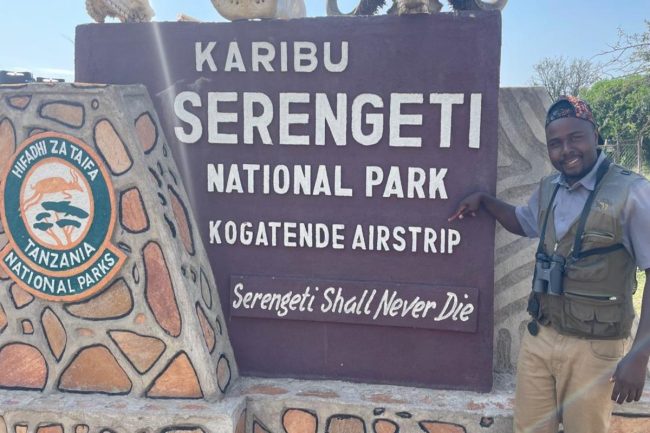
Kogatende Airstrip serves the northern part of Serengeti National Park, an area particularly popular during the Great Wildebeest Migration season.
Northern Serengeti is famous for the Mara River, where migrating wildebeest may attempt dramatic crossings as they move between grazing areas in Tanzania and Kenya. These crossings can attract crocodiles and other predators, creating some of Africa’s most memorable wildlife spectacles.
Why choose Kogatende Airstrip?
-
Convenient access to northern Serengeti camps.
-
A practical arrival point for migration-focused safaris.
-
Reduced overland travel compared with driving from central Tanzania.
-
Access to wildlife-rich riverine habitats and northern plains.
River crossings are unpredictable, however. The herds may remain in one location for days or move elsewhere, depending on rainfall, grazing and other natural conditions.
Best for: Travellers visiting between July and October who want to focus on northern Serengeti and the possibility of seeing the Mara River crossings.
Book your accommodation and flights early if you intend to travel during the busiest migration months.
4. Lamai Airstrip: Exploring the Far Northern Serengeti
Lamai Airstrip serves the far northern part of the Serengeti, close to the Mara River region. It is an alternative for travellers staying at camps in the Lamai area, depending on the location of their accommodation and available flights.
The northern Serengeti offers open plains, rolling hills, riverine vegetation and excellent opportunities for wildlife photography. During migration season, the region can provide access to areas where wildebeest congregate around the river.
Advantages of flying to Lamai
-
Access to selected northern Serengeti camps.
-
Less need for long transfers from central Serengeti.
-
Opportunities to explore a quieter, more remote part of the ecosystem.
-
A useful option for itineraries focused on the northern migration route.
Lamai and Kogatende serve broadly similar safari regions, but they are not interchangeable for every camp. Before booking, ask your lodge which airstrip is most convenient and confirm the ground transfer arrangements.
Best for: Travellers staying in the Lamai region, particularly those interested in northern Serengeti wildlife and seasonal migration activity.
5. Lobo Airstrip: Access to Northeastern Serengeti
Lobo Airstrip is located in the northeastern part of Serengeti National Park. The surrounding Lobo region features rocky hills, open woodland and grassland, creating varied habitats for wildlife.
The area supports lions, elephants, giraffes, antelopes and other wildlife. It can also be an attractive option for travellers seeking a different perspective on the Serengeti beyond the busiest central safari routes.
Why use Lobo Airstrip?
-
Direct access to the Lobo region and nearby accommodation.
-
Opportunities to explore northeastern Serengeti.
-
A convenient arrival point for selected northern safari itineraries.
-
A useful option for travellers seeking a less concentrated safari experience.
Wildlife sightings vary with season and location, so choose Lobo based on your lodge and itinerary rather than assuming it guarantees a particular animal encounter.
Best for: Private safaris, repeat visitors and travellers whose accommodation is in northeastern Serengeti.
6. Kirawira Airstrip: Exploring the Western Corridor
Kirawira Airstrip, also associated with the Grumeti area, serves the western part of Serengeti National Park.
The Western Corridor is characterised by grasslands, woodland, river systems and the Grumeti River. It is an important part of the wider Great Migration route, and the area can be particularly interesting when herds move through the western Serengeti.
What makes Kirawira useful?
-
Access to selected western Serengeti camps.
-
Opportunities to explore the Grumeti River region.
-
A convenient option for itineraries focusing on the Western Corridor.
-
Potential to combine western and central Serengeti in a longer safari.
The migration’s timing varies from year to year. If your main objective is to follow the herds, coordinate your travel dates and accommodation with an experienced safari planner.
Best for: Travellers staying in western Serengeti who want to explore its riverine habitats and seasonal wildlife movements.
7. Kusini Airstrip: Access to Southern Serengeti
Kusini Airstrip serves the southern part of Serengeti National Park, an area associated with expansive grasslands and seasonal wildlife movements.
The southern plains are particularly important during the wildebeest calving season, when large numbers of wildebeest give birth and predators take advantage of the abundance of young animals.
Why fly to Kusini?
-
Access to selected southern Serengeti camps.
-
Convenient travel for seasonal wildlife-viewing itineraries.
-
Opportunities for photography across open grassland.
-
Reduced road-transfer time when your safari is focused on the southern park.
January and February are popular months for calving-season safaris, although the timing and distribution of the herds depend on rainfall. Accommodation availability and scheduled flights should be checked before confirming your trip.
Best for: Wildlife photographers, families and travellers interested in the southern Serengeti during the calving season.
8. What About Ndutu, Sasakwa and Fort Ikoma Airstrips?
Travellers researching Serengeti flights may also encounter these names. It is important to distinguish airstrips inside the national park from those serving neighbouring protected areas.
Ndutu Airstrip
Ndutu is in the Ngorongoro Conservation Area, outside Serengeti National Park. It is an important access point for camps in the southern plains, particularly during calving season. Conservation-area fees and regulations apply according to the itinerary.
Sasakwa Airstrip
Sasakwa serves the private Grumeti reserve area, rather than the public national park itself. It may be appropriate for guests staying at selected private-reserve lodges, subject to their arrangements and access conditions.
Fort Ikoma Airstrip
Fort Ikoma serves the northwestern Serengeti area and nearby accommodation. Confirm the precise location, access arrangements and current flight availability with your airline or lodge before booking.
These distinctions matter when budgeting for a safari. Your itinerary may involve different park authorities, fees or private-reserve arrangements depending on where you land and stay.
9. Which Serengeti Airstrip Should You Choose?
The best airstrip depends on the location of your accommodation, your travel dates and the wildlife experiences you want to prioritise.
Choose your safari region
Central Serengeti — Seronera
Best for general wildlife viewing, big cats and a first Serengeti safari.
Best for northern migration areas and possible Mara River crossings.
Northeastern Serengeti — Lobo
Best for selected northeastern camps and varied landscapes.
Western Serengeti — Kirawira
Best for the Western Corridor and Grumeti River region.
Best for selected southern camps and seasonal calving-season itineraries.
Tanzania National Parks identifies Seronera, Kusini, Lobo, Kirawira, Kogatende and Lamai as established air access points serving different regions of the park.
10. How to Book Flights to Serengeti Airstrips
Booking a Serengeti fly-in safari involves more than selecting an airport. Your flight and ground transfers should match your accommodation and safari itinerary.
Follow these steps:
-
Choose your accommodation. Decide where you want to stay in the Serengeti before selecting an airstrip.
-
Select your safari region. Determine whether central, northern, western or southern Serengeti best matches your interests and travel dates.
-
Check flight schedules. Ask a safari operator or airline about available routes, connections, operating days and departure times.
-
Confirm transfers. Arrange collection from the airstrip to your lodge or tented camp. Check whether game drives are included in the transfer.
-
Review luggage restrictions. Small aircraft may impose strict combined baggage limits and require soft-sided bags.
-
Confirm all charges. Ask whether flights, airstrip charges, park fees, accommodation and transfers are included in the quotation.
Domestic safari flights are operated by regional aviation companies, with availability varying by route and season. You can begin checking Tanzania National Parks information at TANAPA’s official website.
11. What Is the Best Time to Fly to Serengeti National Park?
Serengeti airstrips serve safari visitors throughout the year, but the best time to fly depends on your intended destination and wildlife interests.
| Period | Recommended area | Main attraction |
|---|---|---|
| January–February | Southern Serengeti | Wildebeest calving season, depending on rainfall |
| March–May | Central or other accessible regions | Green landscapes and birdwatching; check weather and flight operations |
| June–July | Western or central Serengeti | Seasonal migration movements and general wildlife viewing |
| July–October | Northern Serengeti | Possibility of Mara River crossings |
| November–December | Central and southern regions, depending on herd movement | Green-season scenery and changing migration patterns |
These are general seasonal guidelines, not guarantees of wildlife sightings. Rainfall influences the movement of the herds, and flight schedules may change with weather or operational requirements.
If your trip is specifically designed around the Great Migration, book your accommodation and flights well in advance.
12. What Should You Know Before Taking a Serengeti Safari Flight?
A fly-in safari is convenient, but small aircraft have different operating conditions from international passenger planes.
-
Baggage limits: Check your airline’s exact allowance for checked and hand luggage before packing.
-
Soft-sided luggage: Many bush flights require soft-sided bags because of limited storage space.
-
Flight changes: Weather, airstrip conditions and operational requirements can affect departure times.
-
Airstrip transfers: Confirm who will meet you and how long it takes to reach your accommodation.
-
Children and special requirements: Inform the operator about children, mobility needs or other requirements before booking.
-
Travel insurance: Consider insurance that covers the activities and travel arrangements in your itinerary.
Always follow your pilot’s and safari guide’s instructions, particularly when boarding or leaving an aircraft in a wildlife area.
13. Frequently Asked Questions About Airstrips in Serengeti National Park
How many airstrips are in Serengeti National Park?
The number depends on whether you count only airstrips within the national park or also include nearby private reserves and the Ngorongoro Conservation Area. Established air access points listed by Tanzania National Parks include Seronera, Kusini, Lobo, Kirawira, Kogatende and Lamai. Other facilities may serve surrounding safari areas.
Which is the main airstrip in Serengeti National Park?
Seronera Airstrip is a major gateway for central Serengeti and is widely used by safari travellers. It provides access to many camps and lodges in the central region.
Which airstrip is best for the Great Migration?
Kogatende and Lamai are useful for northern Serengeti migration safaris, while Kirawira serves the Western Corridor. For the calving season, Kusini or the nearby Ndutu Airstrip may be appropriate, depending on your accommodation. Wildlife movements vary throughout the year.
Can I fly directly from Arusha to Serengeti?
Yes. Domestic safari flights operate on routes between Arusha and selected Serengeti airstrips, subject to schedules and availability. Some itineraries may involve connections or stops at other airstrips.
Is Ndutu Airstrip inside Serengeti National Park?
No. Ndutu Airstrip is in the Ngorongoro Conservation Area, outside the national park boundary. This distinction can affect conservation fees and itinerary arrangements.
Are Serengeti airstrips open throughout the year?
Air access is available throughout the year, but individual flight schedules and operating conditions can change. Always reconfirm your flight and airstrip status before travelling.
Is flying to Serengeti better than driving?
Flying saves travel time and is especially convenient for remote camps. Driving is ideal if you want to explore several parks on an overland safari, enjoy scenic routes and include destinations such as Tarangire or Ngorongoro along the way.
How far are Serengeti airstrips from safari lodges?
Transfer distances vary by airstrip and accommodation. Some lodges are relatively close, while others require a longer road transfer. Ask your accommodation provider to confirm the estimated transfer time and whether a game drive is included.
Plan Your Serengeti Fly-In Safari with Epic Uganda Vacation
Choosing the right airstrip can make your Serengeti safari more comfortable, efficient and rewarding. Seronera is a strong choice for central Serengeti, Kogatende and Lamai are useful for northern migration itineraries, Kirawira serves the west, Lobo serves the northeast, and Kusini provides access to selected southern safari areas.
At Epic Uganda Vacation Ltd, we can help you plan a Northern Tanzania safari around your preferred wildlife experiences, accommodation level and travel dates. We can also help coordinate a wider East African itinerary combining Tanzania’s wildlife with Uganda’s mountain gorillas, chimpanzees and national parks.
Visit www.epicugandavacation.com to explore safari options and enquire about a tailor-made itinerary.