What Is Serengeti National Park Famous For? Serengeti National Park is one of Africa’s most iconic protected areas, and for good reason. Located in northern Tanzania, Serengeti is famous for its extraordinary wildlife, its vast open landscapes, and one of the natural world’s most spectacular events: the annual migration of millions of animals. Beyond the migration, Serengeti is celebrated for its strong predator populations, its high density of grazing species, and its variety of habitats that support life year-round. Whether you’re a wildlife enthusiast, a photographer, a student of ecology, or a traveler dreaming of an African safari, Serengeti National Park stands out as a “must-see” destination.
The Serengeti Migration
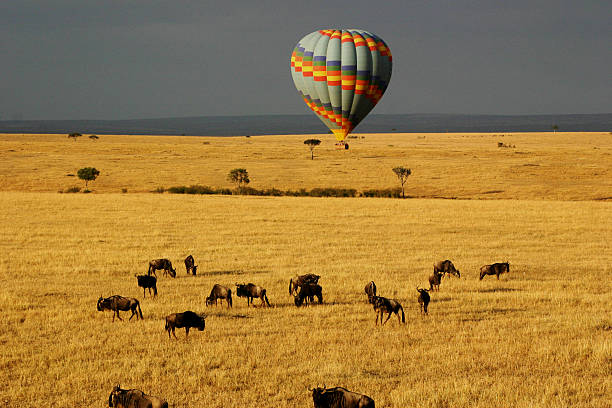
The single most famous thing about Serengeti National Park is the Great Migration of wildebeest (and the migration of other grazers such as zebra). Each year, enormous herds move in search of fresh grasses and water, following seasonal rainfall patterns. The migration isn’t just large, it is dramatic. Herds often travel in rivers, across open plains, and through areas where predators lie in wait.
This migration is truly a cycle rather than a straight line. The movement of animals changes with the seasons: During wetter periods, wildlife tends to concentrate where grass grows best. During dry seasons, herds shift toward areas where grazing remains available and water sources become more reliable.
As the herds move, predators such as lions, cheetahs, and hyenas also track them, creating a continuous chain of action. For visitors, it’s common to hear people describe migration sightings as emotional, because you’re not simply seeing animals; you’re witnessing a living process that has shaped ecosystems for thousands of years.
Predators and the “Big Cat” Experience
Serengeti is famous not only for the animals that graze in huge numbers, but also for the predators that hunt them. This combination, abundant prey and effective hunting grounds, makes Serengeti one of the best places in the world to observe predator behavior.
Lions and other big cats
Lions are among the most sought-after safari animals anywhere, and Serengeti offers frequent opportunities to spot them hunting, resting, or raising young. Cheetahs are also known to be more visible in certain open areas of the park, where their hunting style, fast sprints over short distances, can be observed.
Hyenas, leopards, and more
Hyenas, meanwhile, often dominate nighttime and opportunistic feeding. While leopards can be more elusive in many parts of the region, Serengeti’s habitat diversity, including areas with thicker cover, still offers chances for those patient enough to keep scanning the landscape.
The excitement of the Serengeti often comes from the balance of peace and tension in the ecosystem. One moment, you may see thousands of animals calmly grazing; the next, you might watch how predators react when the herd changes direction or gathers near a river crossing.
The Mara River Crossings
If migration is the headline, the Mara River crossings are the most dramatic scenes many visitors hope to witness. When large herds reach rivers like the Mara, the animals must cross water that can be dangerous and unpredictable. The crossing period often brings high drama because:
- Some animals hesitate before entering the water.
- Others rush forward, causing groups to bunch together.
- Predators often concentrate near river edges and in shallow areas.
- The herd’s momentum can lead to chaotic movement, especially when one animal slips behind.
Photographers and filmmakers often focus on this event because it captures high stakes in a natural setting, yet it is important to remember that the “drama” is simply how predators and prey interact in the wild. Every crossing tells a story about survival, adaptation, and timing.
Endless Plains and Iconic African Landscapes
Serengeti’s fame isn’t only about wildlife. The park’s scenery is also unforgettable. Known for its wide, open plains, Serengeti offers panoramic views of grasslands that stretch toward the horizon. These landscapes aren’t just beautiful—they also explain why the migration works as well as it does.
Open terrain allows herds to move efficiently across large distances. It also gives predators access to hunting grounds with better visibility than dense forests would allow. In short, the environment supports both the movement of prey and the success of predators, reinforcing Serengeti’s ecological reputation.
In addition to plains, Serengeti includes other habitat types such as woodlands and riverine areas, which means visitors can experience different ecosystems depending on where they are in the park and when they visit.
Diverse Ecosystems and Year-Round Wildlife
Another reason Serengeti is famous is its ecological variety. Even though it’s often marketed in terms of migration, Serengeti is not “only” a migration destination. The park supports wildlife year-round, and the variety of habitats helps sustain different species throughout the seasons.
Different areas of the park can feel like different worlds. Some zones are dominated by grasslands where herds gather and lions patrol. Others may have more tree cover, offering shade and hiding places for certain animals. Seasonal changes also affect vegetation height and water access, which in turn influences animal behavior.
As a result, Serengeti can offer an exciting safari experience even outside peak migration times, though the migration remains the main draw.
Large Herds of Wildebeest and Zebra
Serengeti is particularly known for its massive populations of grazing animals. Wildebeest are the star of the migration, but zebra and other grazers are also part of the story. These animals form the foundation of the food web.
When you see thousands, or even millions, of animals moving together, it becomes clear why Serengeti supports so many predators. Large herds also affect the landscape, through grazing patterns that influence how vegetation regenerates and how other species benefit.
Wildlife watchers often find Serengeti meaningful because it shows a complete ecological system, not just isolated animals. The animals’ numbers and collective movement create a sense of scale that is difficult to find elsewhere.
The Migration’s Ecological Importance
Serengeti’s fame is also tied to what the migration represents scientifically and environmentally. The Great Migration is a key process that helps shape regional biodiversity. As animals move, they distribute nutrients across wide areas through grazing and movement. Over time, these cycles help maintain the health of ecosystems.
Studying Serengeti’s migration provides insights into animal behavior, ecosystem dynamics, and how climate and rainfall patterns influence wildlife. It also highlights the fragility of these systems. When factors such as drought, fencing, land-use changes, or poaching interrupt movement routes, the entire ecological relationship can be affected.
So, Serengeti is famous not only as a place to see wildlife, but also as a living example of how natural processes function at massive scale.
Birdlife and the Hidden Side of Serengeti
While much attention goes to mammals, Serengeti is also known for its birdlife. The park provides habitat for a wide variety of species, and seasonal conditions can change which birds are most common.
Birds are often easier to observe than you might expect. Whether you’re watching raptors circling overhead, waterbirds near rivers and wetlands, or smaller species perched in grasslands and trees, Serengeti can reward careful observers. For photographers, birds add another layer of variety to the safari experience beyond the “big” mammals.
Conservation and Protection of a Natural Heritage
Serengeti’s fame is inseparable from the need to protect it. The park’s wildlife populations rely on protected habitats and well-managed conservation practices. While Serengeti is a tourist destination, it is first and foremost a conservation area that aims to safeguard ecosystems and animals for future generations.
Conservation challenges exist throughout Africa, including habitat pressure, climate variability, and human-wildlife conflict in nearby regions. Serengeti’s ongoing conservation importance helps ensure that its famous wildlife remains more than a memory. The park’s identity—its movement corridors, predator-prey relationships, and ecosystem stability—depends on long-term protection.
In many ways, Serengeti’s fame is tied to the fact that it still functions as a living ecosystem, not just a scenic landscape.
Why People Consider Serengeti a “Once-in-a-Lifetime” Destination
Travelers often describe Serengeti with superlatives because it consistently delivers moments that feel extraordinary: a predator stalking a herd, a lion resting in golden grass, a skyline of acacia trees, or a river crossing where survival instincts take over.
But the deeper reason Serengeti stands out is that it offers both spectacle and meaning. The migration is the spectacle, but the meaning is the ecosystem behind it, the ecological relationships that have evolved over time. When visitors see Serengeti at its best, it’s hard not to feel awe at how much life is concentrated in one place.
Conclusion
So, what is Serengeti National Park famous for? It’s famous for the Great Migration and the dramatic Mara River crossings, for its abundant predators and iconic big cats, and for its endless plains and diverse habitats. It’s also famous for the sheer scale of wildlife movement, the ecological importance of its natural cycles, and the fact that, even today, it remains one of the best places on Earth to witness how wild ecosystems function.