
What is the Best Time to Visit Ngorongoro Conservation Area? Imagine standing on the edge of a collapsed volcano, the morning mist swirling around your feet, revealing a green bowl teeming with life below. This is the Ngorongoro Crater, the beating heart of the Ngorongoro Conservation Area. Often dubbed the “Eighth Wonder of the World,” it is a place where the Big Five roam freely against a backdrop of unparalleled scenery. It is the Africa of postcards and dreams.
However, for the savvy traveler looking to invest in a once-in-a-lifetime safari, timing is everything. A trip to Ngorongoro is a significant investment, not just of money, but of time and anticipation. To maximize your return on this investment, ensuring that every moment spent on the crater floor or in the surrounding highlands is magical, you need to understand the rhythm of the seasons.
When is the best time to visit?
The answer depends entirely on what you want to see, how you prefer to travel, and the kind of memories you wish to bring home. Let’s guide you through the calendar, helping you choose the perfect window for your ultimate Tanzanian adventure.
The Dry Season (June to October)
For the majority of safari enthusiasts, the dry season is the undisputed peak time to visit Ngorongoro. Stretching from June through October, this period offers the quintessential African safari experience.
Why Book Now?
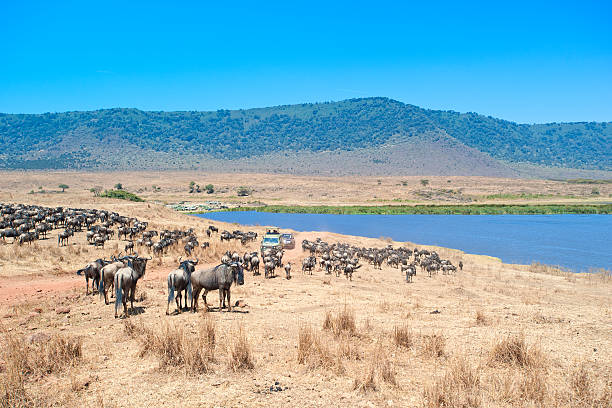
The Wildlife Guarantee During these months, the weather is predictable. Skies are a piercing, endless blue, and the landscape transforms from lush emerald to a golden, tawny hue. This change in vegetation is a gift to the photographer and the spotter alike. As the grass shortens and water sources become scarce outside the crater, wildlife concentrates in the dense numbers within the Ngorongoro Crater, which retains permanent water springs.
This is the best time for the “Big Five” guarantee. The crater floor is essentially a natural enclosure, and during the dry season, it feels like a theater stage. You are likely to see massive herds of buffalo and wildebeest, prides of lions lounging in the shade (and occasionally climbing trees!), and the elusive, highly endangered black rhino. The visibility is unmatched, allowing for crystal-clear wildlife viewing and photography without the obstruction of tall, wet grass.
Comfort and Clarity From a comfort perspective, the dry season is hard to beat. Days are warm and pleasant, perfect for open-sided game drives, while nights on the crater rim (where the lodges are perched) can be crisp and cool. This contrast offers a cozy “by the fire” atmosphere in the evenings after a dusty, exciting day on the floor.
If this is your first trip to Africa, or if your primary goal is to check off the Big Five with maximum reliability, the dry season is your “buy now” window. It offers the highest density of wildlife and the easiest logistics. However, remember that this is the peak season. The lodges are world-class, but they fill up months, sometimes a year, in advance. To secure the best rooms with crater-view balconies, you must plan early.
The Wet Season (November to May)
While the dry season offers density, the wet season offers drama and intimacy. Divided into the “short rains” (November to December) and the “long rains” (March to May), this period is often overlooked by the casual tourist. This is a mistake. For the traveler seeking value, solitude, and a different side of the African bush, the green season is the ultimate sales pitch.
Why Book Now?
When the rains arrive, the Ngorongoro Conservation Area undergoes a miraculous transformation. The dust settles, and the plains erupt in a vibrant carpet of wildflowers. The air is washed clean, making for spectacular, high-contrast landscape photography. The crater floor becomes a lush, Eden-like garden, teeming with new life.
This is calving season. From January to February, the southern plains of the conservation area (specifically Ndutu) see the birth of thousands of wildebeest and zebra calves. Where there are vulnerable babies, there are predators. This creates some of the most intense and dramatic predator-prey action you will ever witness. It is raw, emotional, and unfiltered.
Birdwatcher’s Bonanza If you are an ornithophile, the wet season is your time to shine. Migratory birds arrive from Europe and Asia, swelling the already impressive bird population of the crater to over 500 species. The flamingos return to Lake Magadi in the crater center, painting the shallow alkaline waters a shocking shade of pink against the green backdrop—a sight that is simply breathtaking.
The wet season is the “smart buy.” You will encounter significantly fewer tourists. Imagine descending into the crater and feeling like you are the only ones there; the silence broken only by the call of a fish eagle. Furthermore, many lodges offer lower rates or special packages during these months. You get a premium wilderness experience at a fraction of the cost of the high season. If you don’t mind a quick afternoon shower (which often passes quickly and creates dramatic rainbows), the value proposition here is unbeatable.
Month-by-Month Breakdown: What to Expect
To help you narrow down your decision, here is a monthly snapshot of what Ngorongoro has to offer:
- January & February: The peak of the calving season in Ndutu. The crater is lush and green. Excellent for spotting predators.
- March: The transition to the long rains. The landscape is stunning. Crowds are thin. Prices drop.
- April & May: The height of the long rains. Roads can be muddy, but the scenery is at its most verdant. The lodges are quietest here. Perfect for the romantic, solitary traveler.
- June: The rains stop, and the landscape begins to dry out. The start of the peak season. Wildlife viewing begins to pick up.
- July & August: The absolute peak of tourism. The weather is perfect. The crater is bustling with vehicles and animals. Book now for next year!
- September: Similar to July/August, but slightly cooler in the mornings. Still peak season with excellent game viewing.
- October: The “shoulder” season. The short rains might begin late in the month. The crowds start to thin, but game viewing remains spectacular.
- November & December: The short rains. Everything turns green again. Migratory birds arrive. A fantastic time for photography with dramatic storm clouds and clear air.
The Crater vs. The Highlands
When planning your sales pitch to yourself or your travel partner, remember that Ngorongoro is more than just the Crater.
While the dry season is best for the Crater floor, the surrounding Ngorongoro Highlands offer incredible hiking and cultural experiences year-round. You can combine your game drive with a trek to Empakaai Crater or a visit to a Maasai village (boma).
The Maasai people live in harmony with the wildlife here, and their cultural presence is a vital part of the experience. Visiting a boma is a humbling and educational experience that adds immense depth to your safari, regardless of the season.
Why You Need a Guide
No matter when you choose to visit, the key to unlocking the full potential of Ngorongoro is a professional, expert guide.
Navigating the crater floor requires knowledge that goes beyond just map-reading. It requires understanding the behavior of the animals, the layout of the land, and the best lighting for that perfect shot. During the busy dry season, a skilled guide knows how to find the quiet pockets away from the convoy of Land Rovers. During the green season, they know exactly where the newborns are hiding.
When booking your trip, prioritize a safari operator that uses exclusive camps or high-quality lodges on the crater rim. Waking up at sunrise, with the mist filling the crater below your private deck, is a luxury that defines the “Best Time.” It transforms the trip from a simple tour into a spiritual encounter with nature.
Weather and Crowds
Some travelers hesitate to book Ngorongoro because of concerns about cold weather or overcrowding.
The crater rim sits at high altitude (approx. 2,286 meters or 7,500 feet). It gets cold at night, even in the dry season. But this is part of the charm! It’s the “Highland” experience. You layer up with warm jackets and enjoy hot water bottles in your safari vehicle. As you descend the 600-meter crater wall in the morning, the temperature rises, and you strip off the layers to enjoy the warm sun below. It’s a dynamic climate that adds to the adventure.
Regarding crowds, yes, the crater can feel busy during the peak months of July and August. However, the vastness of the crater floor (260 square kilometers) absorbs vehicles surprisingly well. Moreover, the strict regulations limiting the time allowed on the crater floor keep traffic flowing. By choosing a lodge that offers an early descent (typically 6:00 AM), you get a head start on the day. Watching the sunrise over the crater floor in solitude, before other vehicles descend, is a moment of pure magic that is worth the price of admission.
Start Planning Today
The best time to visit is now. The lodges on the rim are filling up for the next dry season, and the green season offers immediate opportunities for last-minute luxury getaways. Secure your dates, pack your binoculars, and prepare for the journey of a lifetime. The walls of the crater are waiting, and the stories of the wild are ready to be told. Are you ready to listen? Book your Ngorongoro safari today and step into the Garden of Eden.


