A Tanzania safari is more than a holiday; it is a front-row seat to one of the planet’s most impressive wildlife dramas. From the endless savannas of the Serengeti to the volcanic wonder of Ngorongoro Crater, Tanzania offers landscapes that feel almost cinematic in their scale and beauty. Yet what makes a Tanzania safari truly special is how well the scenery and wildlife connect. You will not only see animals; you will also learn how they live, how they move, and how the environment shapes every behavior you witness.
The Tanzania Safari Advantage
Many safari destinations offer great game viewing, but Tanzania tends to deliver something extra: variety. Within the same country, you can experience multiple ecosystems, different styles of wildlife viewing, and dramatic changes in terrain. Your days may begin on broad, golden plains where visibility stretches for miles, then shift to more enclosed volcanic landscapes where animals gather and concentrate. Along the way, you will likely encounter the full “cast of characters” that safari travelers dream about, lions, leopards, cheetahs, elephants, giraffes, buffalo, and a remarkable diversity of other species.
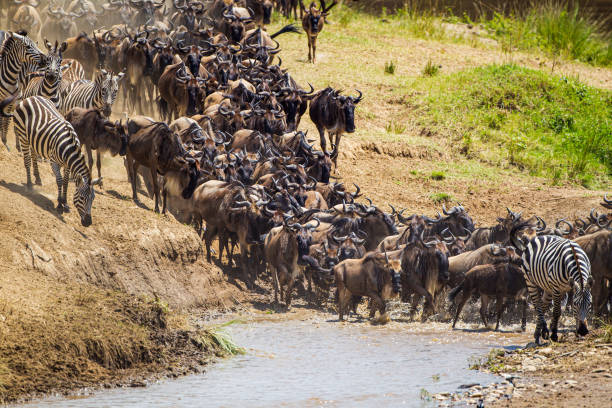
Another major advantage is the presence of migration-driven wildlife patterns, especially in the Serengeti ecosystem. Depending on the time of year, herds may be scattered across the plains, forming dramatic clusters, or moving through key corridors. This seasonal movement turns many drives into living stories that unfold day by day.
Serengeti National Park
When people picture a safari in Tanzania, they often picture the Serengeti. It is famous for its vastness and for the way it seems to stretch the imagination. But the Serengeti is not just “big”, it is ecologically rich. Grasslands, riverine areas, woodlands, and open plains create different habitats, and wildlife will shift accordingly. That is why the best safari days there often feel like a combination of planning and discovery: you will follow known areas where wildlife will likely be active, but you will still be surprised by what you find.
One of the greatest strengths of the Serengeti is predator-prey dynamics. You will notice that animals do not simply roam randomly; they respond to the landscape and the activity of other species. Herbivores tend to graze where conditions are favorable—where grass is nutritious, where water will be found, and where cover offers protection. Predators, meanwhile, will position themselves where success is more likely: near paths animals will take, around water sources, or where stalking opportunities will be available.
Even when you do not see a full “event” like a predator hunt, you will still experience constant wildlife presence, herds moving across the grasslands, birds calling above the plains, and the quiet efficiency of animals going about their day. It is a kind of natural rhythm that becomes addictive. Many safari-goers describe leaving the Serengeti feeling as though they have witnessed something ancient and deeply alive.
Ngorongoro Crater
If the Serengeti represents open wilderness, Ngorongoro Crater represents concentrated wonder. The crater is a geological giant: a caldera formed by volcanic activity that created a dramatic bowl-like landscape. What makes it so compelling is not just its beauty, but the way it supports a large variety of wildlife in a compact area.
A Tanzania safari that includes Ngorongoro often feels like a different chapter. On the crater floor, animals can be easier to spot because the environment draws them toward certain resources, particularly water and grazing areas. You may see grazing and browsing behavior repeated across zones, creating a tapestry of life that feels almost organized. Depending on the time of day and season, predators may also appear, though crater wildlife viewing often emphasizes the dramatic density of animals and the variety of species in one place.
The sight of the crater itself, when you first approach the rim and look down, can be unforgettable. It is one of those “wow” moments that stays with you long after the trip ends. And once you descend for game viewing, the crater can make you feel like you are watching a living museum exhibit, except the animals are real and the action continues all day.
Other Northern Circuit Highlights
While Serengeti and Ngorongoro are the most iconic names in Tanzania safari planning, the northern circuit typically includes additional regions that add character and variety.
Many itineraries begin around Arusha, a practical gateway that also offers a sense of Tanzanian atmosphere before you move deeper into the safari zone. From there, travelers often continue toward areas such as Tarangire, which is known for its large elephant populations and distinctive landscapes marked by baobab trees. Tarangire can be a strong wildlife introduction day because elephants are often visible and active, and the terrain provides plenty of scenic backdrops for game viewing.
Another common stop in the broader route is Lake Manyara, which can offer excellent birdlife and the occasional surprise of wildlife behavior. Depending on the season and environmental conditions, different habitats can produce different viewing moments, sometimes emphasizing tree-climbing animals, sometimes focusing more on shoreline or open-view sightings.
These additional stops matter because they make your Tanzania safari feel well-rounded. Instead of experiencing only one kind of landscape, you will see how wildlife adapts to different ecosystems.
What Makes Tanzania’s Wildlife Viewing Special
A Tanzania safari stands out because the animals feel integrated into their environment. You will not just spot wildlife; you will observe patterns.
You may notice that wildlife activity often follows the day’s temperature. Early mornings can bring movement and feeding when animals are more active and the light is flattering for sightings. Late afternoons can also be rewarding, especially because predators may become more alert and prey may reposition. Even midday drives can be productive, animals may simply be more likely to retreat to shade, and you will need to rely more on tracking skills and patience.
You will also learn that safari sightings are not only about “big moments.” The beauty of Tanzania safari travel lies in both the dramatic and the subtle. A leopard resting in a branch can be spectacular, but so can the sight of a herd’s shifting formation as they search for the right grass, or a group of birds landing with purposeful focus in an active area.
The best safari guides will help you interpret these moments. They will point out tracks, explain animal behavior, and help you understand why certain areas might produce sightings on a given day. That knowledge turns a drive into an education and makes wildlife encounters feel deeper and more meaningful.
Best Time to Go: Season Shapes the Safari
Your experience on a Tanzania safari will be influenced by the season. Weather patterns affect vegetation, water availability, and where animals will concentrate. In many cases, rainfall will change how accessible different areas become and how animals will behave. Green seasons may bring lush landscapes and different movement patterns, while drier periods can lead to more predictable gathering around water sources.
Migration-related timing in the Serengeti is especially seasonal. Since the Serengeti ecosystem spans multiple habitats, the direction and location of herds can vary throughout the year. That does not mean sightings are “bad” at other times – rather, it means the emphasis of the safari shifts. Some travelers prefer periods where migration drama is likely to be at its height, while others prefer seasons that make predator encounters and crater viewing more consistently strong.
How Safaris Work: The Rhythm of a Safari Day
A typical Tanzania safari day has a rhythm that becomes part of the experience. You will usually start early because morning light and cooler temperatures support active wildlife movement. Your game drive will continue for several hours with breaks that keep the experience comfortable and safe. After lunch, there may be time to rest or enjoy the camp’s atmosphere. Then you will head out again later in the day for another game viewing session, often returning to base as the light begins to change.
You will also notice that safari travel is not hurried. There is a steady pace, and that pace matters. It gives you time to look closely, at eye contact from lions, at the way elephants move through grasslands, at bird behavior, and at the small signs that tell you where wildlife is likely to appear next.
Practical Considerations for a Tanzania Safari
A safari in Tanzania can be comfortable, but it does require preparation. Game drives usually involve time outdoors, so lightweight clothing, sun protection, and insect-repellent are essential. It also helps to bring neutral-colored clothing and to be ready for temperature variation between day and night.
Road conditions and travel times can vary by region and season. That is why choosing a well-structured itinerary is important, one that balances driving with time for meaningful game viewing. A good itinerary will also account for how wildlife viewing can change from day to day.
Many travelers will want to capture memories through photos and video. While you will have chances for great images, it helps to remember that wildlife may be far at times. Patient observation and listening to your guide can improve your odds of great sightings.
Conclusion
A Tanzania safari is a world-class adventure because it combines iconic wildlife, dramatic landscapes, and the kind of ecological storytelling that few places can match. Serengeti National Park will draw you into the scale and energy of the savanna, while Ngorongoro Crater will reward you with concentrated wildlife density and breathtaking scenery. Add in additional northern circuit areas, and you get a complete picture of how Tanzania’s wildlife thrives across changing environments.
If you are considering a safari, Tanzania should be at the top of your list. Whether you plan for migration highlights, crater magic, or a balanced itinerary filled with classic sightings, you will find that Tanzania delivers what many travelers search for: the feeling that nature is not just beautiful, but alive, every day, in every direction.