What to Expect on Your Gorilla Trekking Safari in Bwindi
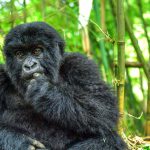
Gorilla trekking in Bwindi Impenetrable National Park is widely considered one of the most thrilling wildlife experiences on earth. Nestled in the rugged landscapes of southwestern Uganda, Bwindi is home to nearly half of the world’s remaining mountain gorillas. Because a Uganda gorilla safari requires careful planning, this article will guide you through every stage of your adventure—from the incredible wildlife encounters to the essential preparations needed for a successful trip.
The Beauty of Bwindi Impenetrable National Park
Bwindi covers approximately 321 square kilometers of lush rainforest, steep hills, and diverse ecosystems. Due to its rich biodiversity, it is recognized as a UNESCO World Heritage site. This ancient forest supports over 320 species of birds, numerous butterflies, and thousands of unique plant species. However, the undisputed star attraction remains the majestic mountain gorilla.
Planning Your Trek: Permits and Preparation
The first step in planning your Uganda gorilla safari adventure is securing a permit. Currently, a Uganda gorilla trekking permit in Bwindi costs around USD 800 per person and must be booked through a reputable tour operator. Since demand is incredibly high, we strongly advise booking several months in advance, especially during peak travel seasons.
In addition to securing your permit, packing the right gear is essential. We recommend bringing:
-
Protective Clothing: Wear long-sleeved shirts and long pants to shield against thorns.
-
Footwear: Sturdy, waterproof hiking boots with good traction are necessary for muddy terrain.
-
Weather Gear: A waterproof jacket is vital because the rain is often unpredictable.
-
Essentials: Bring garden gloves, a hat, insect repellent, and a personal first-aid kit.
Fitness and Terrain Challenges
Trekking difficulty varies significantly depending on the specific gorilla family’s location. While some treks take only 30 minutes, others can last several hours through dense foliage. Therefore, hikers should maintain a moderate fitness level and prepare physically for the steep, uneven terrain ahead.
Getting to the Park: Air and Road Options
Bwindi is accessible by both air and road, depending on your budget and time. The most convenient approach is to fly into Kihihi or Kisoro airstrips, followed by a short transfer to your lodge. Alternatively, you can drive from Kampala, which usually takes 8–10 hours. Although the drive is long, the scenic journey showcases beautiful landscapes and charming Ugandan villages.
The Day of the Trek: Briefing and Wildlife
Your experience begins early with a briefing at the Uganda Wildlife Authority (UWA) headquarters. During this meeting, expert guides explain park regulations designed to protect both visitors and the primates. Once the briefing is complete, you will embark on your trek through the dense forest accompanied by experienced rangers.
While searching for gorillas, keep an eye out for over 350 bird species, including the Great Blue Turaco. You might also spot other primates, such as the black-and-white colobus or red-tailed monkeys. Eventually, you will come upon the gorilla family and spend one unforgettable hour observing them.
Support for Mountain Gorilla Conservation
Responsible trekking is essential for the continued survival of these great apes. By adhering to park guidelines, you directly support conservation efforts. Key regulations include:
-
Maintain Distance: Always stay at least 7 meters (22 feet) away.
-
Stay Quiet: Avoid making loud noises to prevent disturbing the family.
-
Health First: If you feel unwell, inform your guide, as gorillas are highly susceptible to human illnesses.
Post-Trek Reflections and Culture
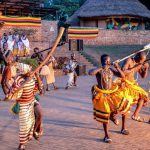
After your trek, return to your lodge to reflect on this profound encounter. Many lodges, such as Buhoma Lodge or Nkuringo Gorilla Camp, offer opportunities to visit local communities. By engaging with the indigenous Batwa people, you can learn about traditional customs and crafts, adding cultural depth to your wildlife safari.