
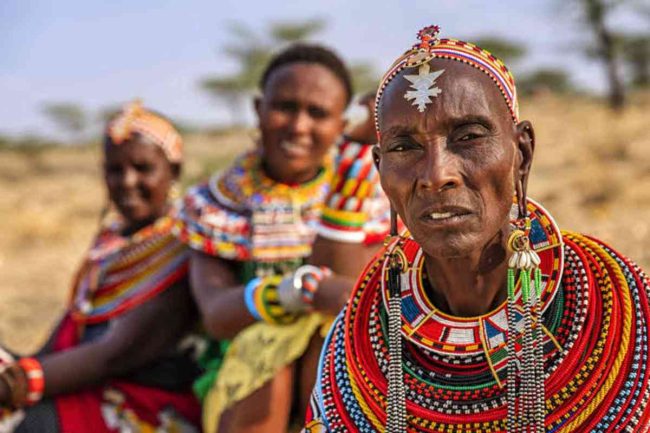
The Samburu Tribe of Kenya: Culture, Traditions, Lifestyle and Cultural Experiences
The Samburu people are one of Kenya’s most fascinating indigenous communities, known for their colourful traditional clothing, intricate beadwork, pastoral lifestyle, and strong cultural identity. Living primarily in northern Kenya, especially Samburu County, they have maintained many of their cultural traditions while adapting to the changes of modern life.
For travellers exploring northern Kenya, learning about the Samburu people adds a meaningful cultural dimension to a wildlife safari. Beyond the famous elephants, leopards, and Samburu Special Five, the region offers opportunities to discover traditional knowledge, local craftsmanship, community life, and the close relationship between people, livestock, and the environment.
At Epic Uganda Vacation Ltd, we believe that an East African safari is about more than wildlife. It is also an opportunity to understand the people, histories, and cultures that make the region unique. Whether you are visiting Samburu National Reserve or planning a broader Kenya and Uganda safari, experiencing Samburu culture can make your journey more rewarding.
Who Are the Samburu People?
The Samburu are a Nilotic ethnic community primarily associated with Samburu County in northern Kenya. They are closely related to the Maasai and speak Samburu, a language within the Maa language group.
The community is particularly well known for its pastoral heritage, colourful ornaments, traditional clothing, and age-set social organisation. Livestock has historically played a central role in Samburu society, influencing household livelihoods, social relationships, cultural ceremonies, and ideas of wealth.
Although Samburu County is named after the community, it is also home to other ethnic groups, including the Turkana, Rendille, Borana, and Pokot.
Today, Samburu people live in rural settlements and towns, participate in education and business, work in conservation and tourism, and maintain connections with their cultural heritage. Their lifestyles vary according to location, household circumstances, and individual choices.
Where Do the Samburu People Live?
The Samburu primarily inhabit northern Kenya, especially Samburu County. Their traditional territories include semi-arid plains, rugged hills, river valleys, and dryland environments where access to water and pasture influences daily life.
Important towns and settlements in Samburu County include Maralal, Baragoi, Archer’s Post, and Wamba.
The Ewaso Ng’iro River is especially important to the region, providing water for communities, livestock, and wildlife. The surrounding landscape supports pastoral activities and some of Kenya’s most distinctive wildlife habitats.
The Samburu also live in neighbouring areas beyond the county’s administrative boundaries. Their relationship with the land reflects generations of experience adapting to variable rainfall, seasonal grazing, and the challenges of living in an arid and semi-arid environment.
History and Origins of the Samburu Community
The Samburu have a long history in northern Kenya, with oral traditions and historical research offering different perspectives on their origins and migrations.
They belong to the broader Maa-speaking cultural group and share historical and cultural connections with the Maasai and other related communities in the region.
Over generations, the Samburu developed pastoral practices suited to the northern Kenyan landscape. Moving livestock between grazing areas helped families respond to seasonal changes in rainfall, water availability, and vegetation.
Colonial administration, modern county boundaries, conservation areas, education, and economic development have influenced how Samburu communities live and use their land. Nevertheless, cultural knowledge, family networks, language, beadwork, ceremonies, and respect for elders continue to play important roles in many households.
Understanding Samburu history means recognising both the community’s cultural continuity and its capacity to adapt to changing circumstances.
The Samburu Traditional Lifestyle
1. Pastoralism and Livestock Keeping
Livestock keeping has traditionally been central to Samburu life. Families raise cattle, goats, sheep, and, in some areas, camels.
These animals provide milk, meat, income, and other important resources. Livestock can also carry social significance, featuring in marriage arrangements, exchanges between families, and traditional measures of wealth.
Pastoralism requires detailed knowledge of the environment. Herders must understand grazing conditions, water sources, animal health, and seasonal movements.
During dry periods, some households may move livestock in search of pasture and water. These decisions depend on local conditions, land access, household resources, and community arrangements.
Although pastoralism remains important, the livelihoods of Samburu families are increasingly diverse. Education, wage employment, trade, tourism, and other economic activities also contribute to household income.
2. Traditional Homes and Settlements
Traditional Samburu settlements are often organised around family households and livestock enclosures. Homes have historically been constructed using locally available materials, including branches, grass, hides, and other suitable resources.
Livestock enclosures help protect animals, while the arrangement of homes reflects family relationships and practical needs.
Some households continue to use traditional building methods, while others live in more permanent houses made from modern materials. Housing styles differ according to location, resources, and lifestyle.
Visitors who take part in a community visit may have the opportunity to learn about traditional settlement patterns and how homes are adapted to the local climate.
3. Family and Community Relationships
Family networks are important in Samburu society. Elders have traditionally played influential roles in resolving disputes, guiding younger generations, and helping preserve cultural knowledge.
Age sets also form part of the community’s social organisation, connecting people who pass through important stages of life around similar periods.
The roles and responsibilities associated with age and gender have traditionally influenced family life, ceremonies, and community decisions. These practices are not identical in every household, and contemporary Samburu communities continue to evolve.
Samburu Traditional Clothing and Beadwork
One of the most recognisable features of Samburu culture is its colourful clothing and elaborate beadwork.
Colourful Traditional Clothing
Bright red, blue, purple, white, and other colours feature in traditional clothing and ornaments. Clothing choices vary according to personal preference, age, occasion, and community practice.
Traditional garments are often layered or wrapped around the body, providing practical clothing while expressing cultural identity.
Visitors may encounter people wearing traditional attire during community visits, cultural celebrations, and everyday activities. However, not everyone dresses traditionally all the time, and contemporary clothing is also common.
The Meaning of Samburu Beadwork
Beadwork is an important artistic tradition among Samburu women and other community members. Beads are used to create necklaces, bracelets, earrings, and other ornaments.
Colours, patterns, and designs can communicate aspects of identity, social relationships, personal taste, and ceremonial significance. Meanings may vary according to the individual and the particular piece.
Beadwork is also an important source of income for some households and women’s groups. Visitors can support local artisans by purchasing authentic, locally made crafts directly from makers or through community cooperatives.
Buying locally produced items provides a practical way to support cultural craftsmanship while taking home a meaningful souvenir.
Samburu Warriors, Age Sets and Ceremonies
Samburu society has traditionally included age-based social categories, with young men known as moran or lmurran often associated with the warrior stage of life.
Historically, this stage involved specific responsibilities, social expectations, and ceremonial practices. Warriorhood was connected with community protection, livestock keeping, and the transition towards later stages of adulthood.
Ceremonies mark important moments in community life, including transitions between age categories and other significant social events. Elders have traditionally played important roles in guiding these processes and passing knowledge to younger generations.
Practices have changed over time, and ceremonies vary between communities and circumstances. Travellers should understand that cultural events are meaningful parts of community life, not performances that are automatically available on demand.
If a ceremony is included in a cultural visit, participation should be arranged through appropriate local contacts and with the community’s consent.
Samburu Music, Singing and Traditional Dance
Music, singing, and dance are important elements of Samburu cultural expression.
Group performances may involve rhythmic movement, coordinated singing, and distinctive styles of dancing. Some dances are associated with celebrations, social gatherings, and particular stages of life.
Visitors may have an opportunity to experience a cultural performance during a community visit, depending on what local hosts choose to share.
Rather than viewing these activities simply as tourist entertainment, travellers can learn about their social meaning by asking local guides and participants respectful questions.
Photography and video recording should always be done with permission.
Samburu Language and Communication
The Samburu language belongs to the Maa language group and is closely related to the language spoken by the Maasai.
Language plays an important role in preserving oral history, family relationships, local knowledge, and cultural identity.
Swahili and English are also used in various settings, particularly in education, business, administration, and tourism. The languages spoken by an individual depend on their background, education, and daily activities.
Learning a simple greeting or asking a local guide to teach you a few Samburu words can make a cultural encounter more engaging. Visitors should approach unfamiliar words and customs with curiosity and respect rather than assuming that every Samburu person speaks or practises the same things.
Samburu Spiritual Beliefs and Respect for Nature
Traditional Samburu spiritual beliefs include reverence for Nkai, a divine power associated in cultural accounts with nature, rain, fertility, and protection.
Prayers, blessings, and other spiritual practices have historically been connected with rainfall, livestock, family wellbeing, and important moments in community life.
Beliefs and religious practices differ among individuals and households today. Some Samburu people maintain traditional spiritual practices, while others identify with Christianity or other religious influences.
The region’s environmental conditions have also shaped traditional knowledge about weather, water, grazing, and animal behaviour.
Visitors can learn about these relationships through respectful conversations with local guides and community members, recognising that spiritual beliefs are personal and that not every tradition is intended for public explanation.
Samburu Food and Traditional Cuisine
Food traditions have historically reflected the pastoral lifestyle of the Samburu people.
Milk and other livestock products have been important in many households, while meat may be consumed during particular occasions or as part of a varied diet. Grain-based foods and other purchased ingredients have also become increasingly important in contemporary diets.
Food practices vary according to household preferences, location, resources, and modern influences.
During an organised cultural visit, travellers may have the opportunity to learn about traditional food preparation or sample locally prepared dishes if the hosts offer this experience.
Always ask about ingredients and dietary requirements before trying unfamiliar foods.
The Role of Women in Samburu Culture
Samburu women play important roles in family life, cultural knowledge, craftsmanship, and household livelihoods.
Traditional responsibilities have included caring for children, preparing food, collecting water and firewood, maintaining homes, and participating in livestock-related activities. The distribution of work varies between households and has changed over time.
Women are also recognised for their beadwork skills, with some participating in cooperatives and small businesses that sell handmade jewellery and other crafts.
Education, entrepreneurship, conservation initiatives, and tourism have created additional opportunities for women in many parts of the region.
Travellers can support women’s economic participation by purchasing crafts directly from makers, choosing community-led cultural experiences, and ensuring that any fees or payments are agreed transparently.
Samburu People and Wildlife Conservation
The Samburu people live in a region that supports important wildlife populations, including elephants, Grevy’s zebras, reticulated giraffes, gerenuks, and Beisa oryx.
Livestock, wildlife, and tourism all depend on access to land and water. Managing these resources requires cooperation between communities, conservation organisations, county authorities, and tourism operators.
Community conservancies in northern Kenya provide examples of how local participation can contribute to wildlife protection, employment, and tourism-related income. The benefits and challenges vary by location, and conservation outcomes depend on local governance and environmental conditions.
Some Samburu residents work as guides, rangers, researchers, hospitality staff, craftspeople, or community tourism organisers.
Responsible tourism can contribute to conservation and local livelihoods when revenue is shared fairly, community priorities are respected, and visitors follow wildlife regulations.
Cultural Experiences: Visiting a Samburu Village
A guided Samburu cultural visit can complement a wildlife safari by introducing travellers to community life, craftsmanship, local history, and traditional knowledge.
Depending on the host community and the experience arranged, visitors may have opportunities to:
- Learn about traditional homes and settlement patterns.
- Discover the significance of beadwork and jewellery.
- Hear stories about pastoral life and the northern Kenyan environment.
- Learn about traditional clothing and cultural identity.
- Experience a community-approved song or dance presentation.
- Purchase handmade crafts from local artisans.
- Ask questions about livestock keeping, conservation, and changes in modern life.
Experiences differ from one village or community project to another. A visit should not be presented as a universal representation of all Samburu people.
For a more meaningful encounter, choose a locally guided experience with clear arrangements for payment and community participation.
Where to Experience Samburu Culture in Kenya
1. Samburu County
Samburu County is the principal region associated with the community. Travellers can learn about local culture through appropriately organised visits, community initiatives, markets, and conversations with local guides.
Maralal and Archer’s Post are among the locations that may feature in wider northern Kenya itineraries, depending on the route and activities selected.
2. Samburu National Reserve
Samburu National Reserve is famous for its wildlife, including elephants and the Samburu Special Five. It is also a useful base for travellers who want to explore the relationship between wildlife conservation and the surrounding communities.
Cultural visits should be arranged separately through suitable local hosts or tourism operators, as a wildlife safari does not automatically include a village visit.
3. Community Conservancies
Community conservancies around the Samburu region can offer opportunities to learn about locally managed conservation and community tourism.
The activities available vary by conservancy and may include guided nature experiences, cultural encounters, or discussions about conservation and local livelihoods.
Confirm what is included before booking and choose operators who explain how the visit benefits participating communities.
Best Time to Visit the Samburu People
Samburu communities can be visited throughout the year, but weather conditions may influence road travel and the wider safari experience.
June to October: These months are generally drier in much of northern Kenya and can be favourable for combining cultural visits with wildlife game drives.
January to February: This is another relatively dry period, often suitable for exploring the region.
March to May: Longer rains may affect road conditions and travel times, although the landscape can become greener.
November to December: Short rains may occur, and conditions vary from year to year.
Cultural visits are not dependent on seeing a particular wildlife species or seasonal spectacle. The most important consideration is arranging a suitable visit with local hosts and allowing sufficient time for travel.
Responsible and Respectful Cultural Tourism
Visiting a community is a privilege. Travellers should approach Samburu culture with respect and recognise that the people they meet have their own priorities, privacy, and daily responsibilities.
Follow these guidelines:
- Ask before taking photographs. Always obtain permission before photographing people, homes, or private activities.
- Dress respectfully. Choose practical clothing that is appropriate for a community visit.
- Use local guides. Community-based guides can provide context and help ensure that visits are arranged appropriately.
- Support local businesses. Purchase handmade crafts directly from artisans or trusted cooperatives when possible.
- Respect privacy. Do not enter homes or photograph ceremonies without explicit permission.
- Agree on payments in advance. Confirm what a cultural visit includes and how the fee is allocated.
- Avoid stereotypes. Samburu people have diverse contemporary lives and should not be portrayed only through traditional clothing or historical practices.
- Follow community guidance. Some subjects, ceremonies, or locations may be private or restricted.
Responsible cultural tourism encourages meaningful exchange while respecting the dignity and choices of the people who welcome visitors.
Combining Samburu Culture with an East African Safari
A journey through northern Kenya can combine cultural experiences with remarkable wildlife encounters.
A tailor-made itinerary may include:
- Samburu National Reserve for elephants and the Samburu Special Five.
- A locally guided Samburu cultural visit.
- Lake Nakuru National Park for rhinos and birdlife.
- Maasai Mara National Reserve for classic savannah wildlife.
- Bwindi Impenetrable National Park in Uganda for mountain gorilla trekking.
- Kibale Forest National Park for chimpanzee tracking.
- Queen Elizabeth National Park for wildlife drives and boat safaris.
A combined Kenya and Uganda itinerary requires planning for travel distances, flights, accommodation, border requirements, and activity permits.
Epic Uganda Vacation Ltd can help travellers organise a personalised East African safari that brings together wildlife, cultural encounters, and Uganda’s unique primate experiences.
Frequently Asked Questions About the Samburu Tribe
1. Who are the Samburu people?
The Samburu are a Nilotic ethnic community primarily associated with northern Kenya. They are closely related to the Maasai and are known for their pastoral heritage, distinctive beadwork, colourful attire, and cultural traditions.
2. Where do the Samburu people live?
Most Samburu people are associated with Samburu County in northern Kenya, although community members also live in neighbouring regions.
3. What language do the Samburu speak?
They speak Samburu, a language within the Maa language group that is closely related to Maasai. Swahili and English are also used in many settings.
4. What are the Samburu people famous for?
The community is widely known for colourful clothing, intricate beadwork, pastoral traditions, age-set social organisation, and its historical connection with the landscapes of northern Kenya.
5. What do the Samburu people traditionally eat?
Milk and other livestock products have traditionally played an important role in the diet, alongside meat on certain occasions. Grain-based foods and other ingredients are also part of many contemporary diets.
6. Can tourists visit a Samburu village?
Yes. Some communities and local tourism organisations offer guided cultural visits. Availability, activities, and fees vary, so visitors should arrange the experience in advance and follow local guidance.
7. What is the relationship between the Samburu and Maasai?
The Samburu and Maasai are closely related Maa-speaking communities with shared cultural and linguistic connections. However, each community has its own identity, history, customs, and regional traditions.
8. How can visitors support Samburu communities?
Visitors can choose community-led cultural experiences, purchase locally made crafts, use local guides, respect cultural protocols, and support tourism businesses that work transparently with local communities.
Discover Samburu Culture with Epic Uganda Vacation
The Samburu people are an important part of northern Kenya’s cultural heritage. Their traditions, beadwork, pastoral knowledge, and relationship with the surrounding environment offer travellers a deeper understanding of the region beyond its celebrated wildlife.
A visit to the Samburu region can be a rewarding addition to a Kenya safari, especially when combined with wildlife viewing, community-led experiences, and other East African destinations.
Contact Epic Uganda Vacation Ltd to plan a personalised East African journey combining Kenya’s wildlife and cultural highlights with Uganda’s gorilla trekking, chimpanzee tracking, and unforgettable natural landscapes.