Nestled in the southwestern corner of Uganda, Bwindi Impenetrable National Park offers one of the most profound wildlife experiences on the planet: gorilla trekking. Many travelers from around the world choose to visit Bwindi Impenetrable National Park specifically for this opportunity. Known for its rich biodiversity and stunning landscapes, this UNESCO World Heritage site is home to nearly half of the world’s remaining mountain gorillas. This article delves into the intricacies of Bwindi gorilla trekking, covering its significance, preparation, what to expect, and tips for an unforgettable adventure.
The Significance of Bwindi Impenetrable National Park
A Biodiversity Hotspot
Bwindi Impenetrable National Park is a treasure trove of biodiversity. Covering over 321 square kilometres, the park features dense forests filled with various flora and fauna. Beyond gorillas, Bwindi is home to over 120 species of mammals, 348 bird species, and several endangered plants. The ecological richness of the park makes it a critical area for conservation efforts and encourages tourists to visit Bwindi Impenetrable National Park for its exceptional natural wonders.
Conservation Success Story
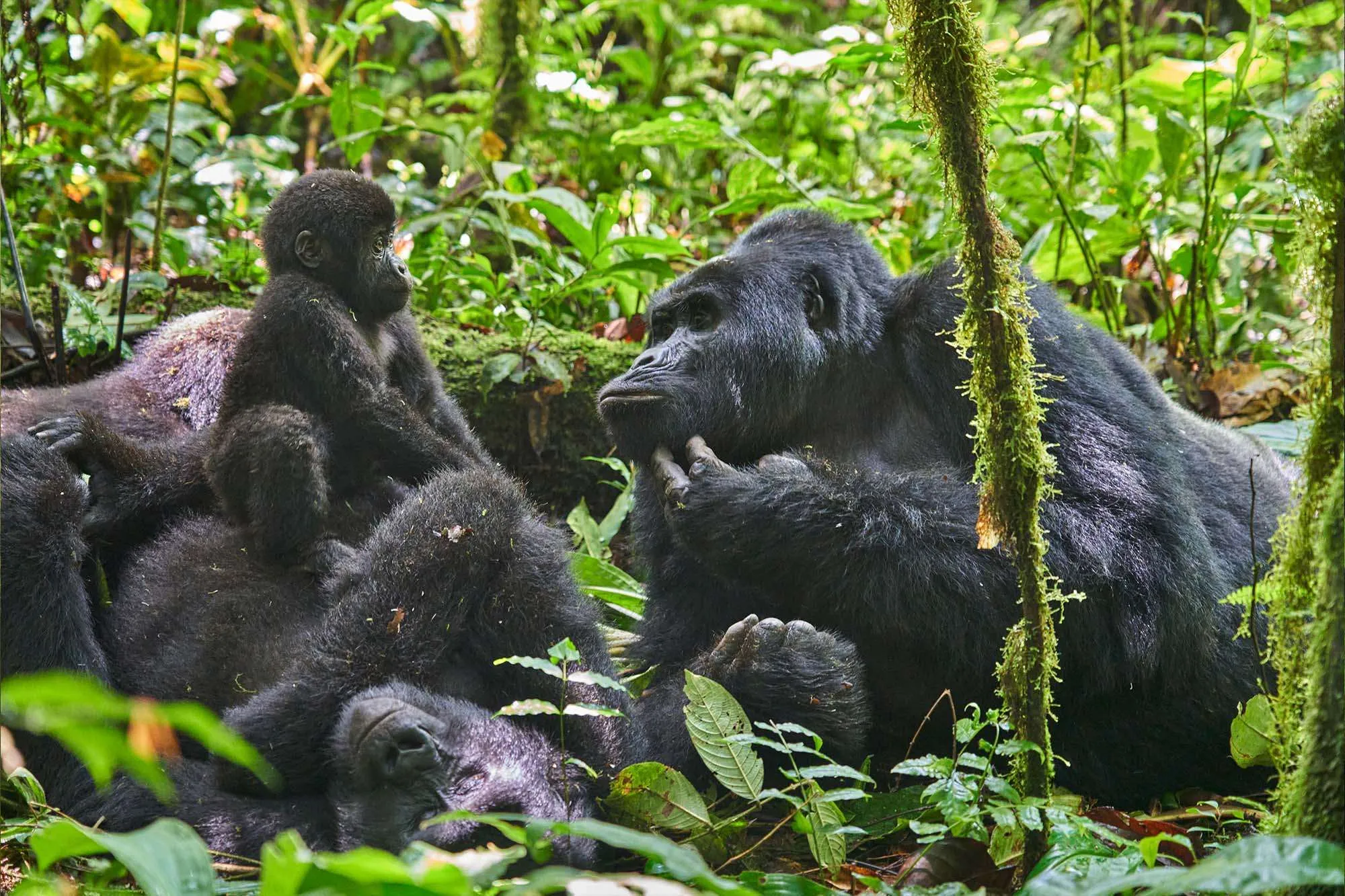
With an estimated population of about 400 mountain gorillas residing in Bwindi, the park exemplifies successful conservation. Thanks to rigorous anti-poaching efforts, habitat protection, and community engagement, the gorilla population in Bwindi has seen a steady increase over the years. The revenue generated from gorilla trekking permits plays a vital role in funding these conservation initiatives, creating a sustainable model that benefits both wildlife and local communities.
The Gorilla Trekking Experience in Bwindi
Before embarking on a gorilla trekking expedition, several preparatory steps are crucial for a smooth experience: To make the most of your journey, you should plan to visit Bwindi Impenetrable National Park when permits are available.
Secure your gorilla trekking permits well in advance, as they can sell out quickly, especially during peak seasons. As of 2025, permits typically cost around $800 per person. While no specific fitness requirements exist, a reasonable level of fitness will enhance your experience. Trekkers may face varying altitudes and trail conditions; regular walking or hiking can help prepare your body. Gather the necessary gear, such as sturdy hiking boots, long clothing to protect against thorns, a rain jacket, gloves, a small backpack, and practical essentials like water and snacks. A camera or binoculars can help you capture the beautiful moments during the trek.
Guided Trekking Process
On the day of your trek, participants usually gather early in the morning for a briefing at one of the park’s gates. Here, park rangers explain safety protocols, ecological significance, and the importance of respecting the gorillas. Trekking groups typically consist of a small number of participants, accompanied by experienced guides. These guides know the terrain well and provide valuable insights about gorilla behaviour and the surrounding ecosystem. In particular, visit Bwindi Impenetrable National Park with a guide for the most enriching experience.
Depending on the location of the gorilla family, the trek can last from 1 to 6 hours. Once you arrive at the gorilla family, each trekker is allowed to spend one hour observing these magnificent creatures. This experience often leaves visitors in a state of awe. Watching the gorillas interact, play, and forage offers a unique glimpse into their social structures and behaviours. Guides ensure that trekkers maintain a respectful distance from the gorillas to minimise stress on the animals. It’s essential to follow all guidelines, as the health and safety of both gorillas and humans are paramount.
The Trekking Routes/Sectors of Bwindi
Bwindi Impenetrable National Park features numerous trekking routes, each with unique terrain and experiences:
Nkuringo Sector: The Nkuringo sector is known for its stunning views of the Virunga Mountains and challenging hiking paths. Treks here often lead to families that are accustomed to human presence, offering visitors an intimate experience.
Buhoma Sector: This is one of the most accessible sectors and is home to several gorilla families. The trails are well-marked, making it suitable for various fitness levels. Buhoma offers a more moderate trekking experience and allows trekkers to easily spot other wildlife.
Rushaga Sector
Rushaga is known for its diverse gorilla families, and trekkers may have the opportunity to encounter multiple groups on a single trek. The terrain can be steep, but the experience is often rewarding, making it popular among enthusiastic hikers.
Ruhija Sector
The Ruhija sector is less crowded, providing a quieter trekking experience. The trails can be steep and muddy, requiring a higher fitness level. However, the breathtaking scenery and tranquillity make the effort worthwhile.
Best Time for Gorilla Trekking in Bwindi
The ideal time for gorilla trekking in Bwindi is during the dry seasons, typically from June to September and December to February. During these months, trails are generally drier, making trekking more manageable. However, even during the rainy season, trekkers can find unique opportunities, as the park’s lush landscapes are vibrant and teeming with life. Therefore, if you want to enjoy a memorable holiday, visit Bwindi Impenetrable National Park in the dry season for the best conditions.
Health and Safety Considerations
While gorilla trekking is generally safe, there are essential health precautions to remember:
Health Status: Visitors exhibiting signs of illness may be denied participation in treks to protect the gorillas from potential exposure to human pathogens.
Vaccinations: Consult your healthcare provider regarding vaccinations, including those for yellow fever and other communicable diseases.
Guidelines: Everyone must adhere to park regulations to protect themselves and the gorillas. This includes maintaining a safe distance and avoiding any abrupt movements.
Engaging with Local Cultures
Gorilla trekking in Bwindi not only supports conservation but also fosters community engagement. Many residents depend on tourism for their livelihoods, working as guides, porters, or in hospitality services.
Visitors often have opportunities to interact with local communities through village visits and cultural performances. This cultural exchange enriches the trekking experience and further promotes sustainable tourism practices.
A Transformative Adventure Awaits
Bwindi gorilla trekking offers travellers a unique connection with one of nature’s most endangered species. The stunning landscapes, rich biodiversity, and cultural interactions create an unforgettable experience that resonates long after the trek ends.
As you embark on this incredible journey, remember that each step taken not only brings you closer to these magnificent creatures but also contributes to their future survival and the well-being of the communities that protect them.
A trek through Bwindi Impenetrable National Park is not just an adventure. It is a responsibility, a chance to participate in the ongoing conservation story that ensures these extraordinary animals continue to thrive in their natural habitat. So put on your hiking boots, secure your permits, and prepare for the journey of a lifetime – Bwindi’s mountain gorillas are waiting to share their world with you. Above all, don’t miss the chance to visit Bwindi Impenetrable National Park and experience its wonders firsthand.