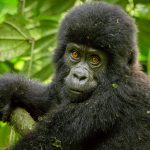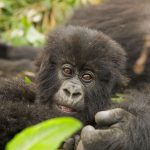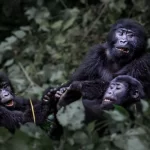
Gorilla trekking in Bwindi Impenetrable National Park is one of the most exhilarating wildlife experiences you can have. Located in southwestern Uganda, this UNESCO World Heritage Site is home to nearly half of the world’s remaining mountain gorilla population. This guide will explore everything you need to know about this unforgettable adventure, from planning your trip to trekking safely and responsibly.
About Bwindi Impenetrable National Park
Bwindi Impenetrable National Park spans over 321 square kilometers. It is characterized by dense rainforests, steep hills, and rich biodiversity. The park is not only a sanctuary for mountain gorillas but also for numerous bird and plant species, making it a haven for nature enthusiasts.
Why Visit Bwindi?
Bwindi is renowned for its high-altitude rainforests and stunning scenery, offering visitors a chance to see majestic creatures in their natural habitat. The park’s network of trails and diverse topography provide a unique trekking experience.
Weather and Climate of Bwindi
Bwindi experiences a temperate climate with temperatures ranging from 7°C to 20°C (45°F to 68°F). Rain can occur any time of year, so it is essential to be prepared for sudden changes in weather conditions.
What is the best time for gorilla trekking in Bwindi?
The best time to visit Bwindi for gorilla trekking is during the dry seasons, which typically run from June to August and from December to February. During these months, the chances of encountering gorillas are higher, and the trekking conditions are generally less challenging.
How to Get to Bwindi Impenetrable National Park
Reaching Bwindi involves a combination of air and road travel:
By Air: The quickest way to get to Bwindi is by flying to Entebbe International Airport in Uganda. From there, you can take a domestic flight to Kisoro or to nearby airstrips such as Kihihi.
By Road: Traveling by road can be a scenic adventure, though it takes longer. From Kampala, the journey to Bwindi typically takes around 8-10 hours. Alternatively, you can fly to Rwanda and then drive for about 4 hours to Bwindi Impenetrable National Park via the Katuna boarder.
Gorilla Trekking Permits in Bwindi Impenetrable National Park
To trek in Bwindi Impenetrable National Park, you need a gorilla trekking permit, which typically costs USD 800 per person. These permits can be purchased through the Uganda Wildlife Authority (UWA) through a reputable tour operator in Uganda. It is advisable to book your permits several months in advance, especially during peak seasons. Online booking through our website is straightforward.
Rules and Regulations of gorilla trekking in Bwindi
To ensure the safety of both visitors and the gorillas, strict regulations govern gorilla trekking. Key rules include:
Maintain a Distance: Always stay at least 7 meters (22 feet) away from the gorillas.
Limit Group Size: Only 8 visitors can be allowed per gorilla family.
Time Limits: Visitors can only spend one hour interacting with the gorillas.
What to Expect on Your Trek
Gorilla trekking typically starts early in the morning. Visitors gather at the park headquarters for a briefing from UWA rangers. This session includes essential information about the rules, safety procedures, and what to expect during the trek.
Once assigned a group, you will head into the forest, accompanied by a knowledgeable guide. The trek can last from 30 minutes to several hours, depending on the location of the gorilla family. As you walk, enjoy the lush vegetation, various bird species, and the sounds of the forest.
Upon finding the gorilla family, you will have approximately one hour to observe and photograph them. This rare opportunity offers a chance to see their behaviors and social interactions up close.
What to Pack for Gorilla Trekking in Bwindi
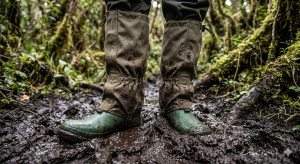
Proper packing is crucial for a successful and comfortable trekking experience. Below is a checklist:
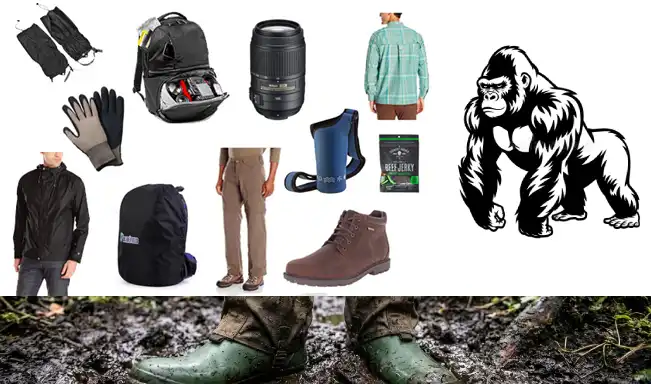
Clothing: Long pants and long-sleeved shirts to protect against thorny bushes. Waterproof jackets are also recommended.
Footwear: Sturdy hiking boots with good grip are essential.
Gear: A backpack, trekking poles (usually provided at the starting point), binoculars, and a camera with a zoom lens.
Health: Carry a personal first-aid kit, insect repellent, and any necessary medications.
Safety Tips and Responsible Tourism in Bwindi
- Safety is paramount during your gorilla trekking adventure. Gorilla trekking is not only an adventure but also a responsibility. Here are ways to be a responsible traveler
- Ensure you are in good health, as diseases can easily spread to gorillas.
- Always trek with an experienced guide who knows the terrain and the gorillas’ behavior.
- If you encounter gorillas unexpectedly, remain calm and follow your guide’s instructions.
- Adhere to all guidelines from your guides and UWA.
- Engage with local businesses and communities to promote sustainable tourism.
- Be aware of conservation campaigns and consider contributing to organizations that support gorilla preservation.
What other activities can I do in Bwindi National Park?
Besides gorilla trekking, Bwindi offers various activities for visitors:
Bird Watching: Bwindi is home to over 350 bird species, making it a paradise for bird watchers. Trails provide excellent opportunities to see unique avian species.
Nature Walks: Explore the trails through the park to discover breathtaking landscapes and the rich flora and fauna of Bwindi.
Cultural Experiences: Visit neighboring communities to learn about local cultures and traditions. Engaging with the Batwa people, the original inhabitants of the forest, provides unique insight into their history and ways of life.
Where to Stay in Bwindi National Park
Accommodations around Bwindi vary from luxury lodges to budget-friendly options. Some popular choices include: Buhoma Lodge, Gorilla Forest Camp, Engagi Lodge, Silverback Lodge, Buhoma Community Rest Camp, and Nkuringo Gorilla Camp
Frequently Asked Questions about Gorilla Trekking in Bwindi National Park
How physically fit do I need to be for gorilla trekking?
While a moderate level of fitness is helpful, everyone can participate. Treks vary in difficulty, and your guide will choose a route suitable for your ability.
What happens if the gorillas don’t show up?
Guides usually have a good idea of the gorillas’ locations. However, in rare cases, if the group doesn’t see them, upon request through your tour operator, you may be given another chance to trek the next day.
Is gorilla trekking safe?
Yes, with professional guides and following the park regulations, gorilla trekking is considered safe.
Final Thoughts
Gorilla trekking in Bwindi Impenetrable National Park is a life-changing adventure. It offers a rare chance to connect with one of our closest relatives in the animal kingdom. By planning ahead, understanding the regulations, and respecting the environment, you can make the most of this incredible experience. Whether you are a nature lover, an adventure seeker, or a conservation advocate, Bwindi promises memories that will last a lifetime.