Birdwatching at the Royal Mile, Budongo Forest: A Complete Guide to Uganda’s Tropical Forest Birds
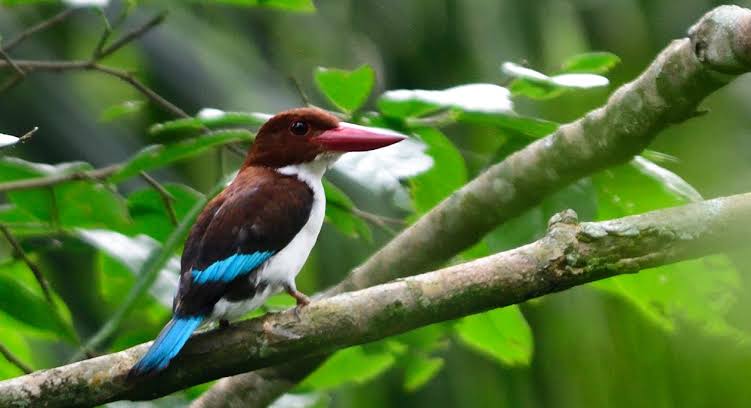
Introduction: Discover the Royal Mile, Budongo Forest’s Famous Birdwatching Trail
The Royal Mile in Budongo Central Forest Reserve is one of Uganda’s best-known destinations for tropical forest birdwatching. Located at the Busingiro ecotourism site in western Uganda, this scenic forest trail attracts birdwatchers, wildlife photographers, nature lovers and travelers seeking to explore the country’s remarkable biodiversity.
Surrounded by towering indigenous trees and dense tropical vegetation, the Royal Mile provides an opportunity to search for colorful kingfishers, hornbills, flycatchers, greenbuls and other forest birds. The experience is different from birdwatching in open savannah landscapes because many species live high in the canopy or remain hidden among the understory.
With a knowledgeable birding guide, visitors can learn to identify birds by their calls, observe their feeding behavior and understand the ecological importance of Budongo’s forest habitat.
The Royal Mile is also an excellent addition to a Uganda safari. Its location near Masindi and Murchison Falls National Park makes it possible to combine forest birding with wildlife game drives, a boat cruise along the River Nile and a visit to the spectacular Murchison Falls.
At Epic Uganda Vacation, we help travelers discover Uganda’s birdlife through carefully planned nature excursions, birdwatching safaris and personalized wildlife itineraries.
Whether you are an experienced birder hoping to find specialist forest species or a beginner looking for a memorable nature experience, the Royal Mile deserves a place on your Uganda travel itinerary.
Where Is the Royal Mile Located?
The Royal Mile is located within Budongo Central Forest Reserve at the Busingiro ecotourism site, in the Masindi area of western Uganda.
Budongo is a large tropical forest reserve in the wider Murchison Falls conservation landscape. Its mature trees, varied vegetation and rich wildlife make it an important destination for forest birdwatching.
The Royal Mile is particularly well known for its scenic forest track, which passes beneath a canopy of large indigenous trees, including mahogany and ironwood species.
How far is the Royal Mile from Kampala?
The journey from Kampala generally takes approximately four to five hours by road under favorable conditions, although traffic, stops, weather and the precise destination can affect travel time.
A typical journey passes through Luweero, Nakasongola and Masindi before continuing toward the Busingiro area.
Travelers should confirm the route and road conditions before departure, particularly during wetter periods.
Why is the Royal Mile famous?
The Royal Mile is recognized for three main attractions:
- Forest birdwatching: The trail offers opportunities to search for specialist tropical forest birds.
- Scenic nature walks: Visitors can explore the forest beneath mature indigenous trees.
- Biodiversity and conservation: The surrounding forest supports birds, primates, butterflies and other wildlife.
The trail also has cultural and historical significance associated with the Bunyoro Kingdom. Today, it provides visitors with an opportunity to appreciate both the natural heritage and the wider cultural history of the region.
Why Visit the Royal Mile for Birdwatching?
Budongo Forest supports a rich bird community, including species associated with the Guinea-Congo forest biome.
The Royal Mile is especially appealing because visitors can explore forest habitats on foot rather than relying on vehicle-based wildlife viewing.
1. Search for specialist forest birds
The forest provides habitat for birds that are difficult to observe in open-country environments.
Some species move through the canopy, while others forage quietly among leaves, vines and fallen vegetation. An experienced guide can help locate them and distinguish their calls.
2. Explore a beautiful tropical forest
Birdwatching at the Royal Mile is about more than identifying species.
The walk takes visitors through an environment of mature trees, filtered sunlight, forest sounds and rich vegetation. These surroundings create a memorable experience for nature enthusiasts and photographers.
3. Enjoy birdwatching at a relaxed pace
The Royal Mile’s forest track provides a useful route for guided birding. Visitors can stop frequently to listen, observe and photograph wildlife.
The pace can be adapted to the interests of the group, making the experience suitable for both dedicated birdwatchers and travelers who are new to tropical forest birding.
4. Combine birdwatching with a wider Uganda safari
The Royal Mile can be included in an itinerary featuring Budongo Forest, Murchison Falls National Park and other wildlife destinations.
This combination allows visitors to explore forest birds, savannah species and riverine habitats during the same trip.
Birds to Look for at the Royal Mile, Budongo Forest
The Royal Mile is particularly attractive to birders searching for species associated with Uganda’s tropical forests.
The following birds are among those worth looking for during a guided excursion. Actual sightings depend on season, habitat, weather and bird activity.
1. Chocolate-backed kingfisher
The chocolate-backed kingfisher is a sought-after forest species and one of the birds that makes Budongo appealing to specialist birdwatchers.
Like many forest kingfishers, it can be difficult to locate because it may remain concealed among vegetation.
A guide familiar with its calls and habitat preferences can improve your chances of finding it.
2. Yellow-footed flycatcher
The yellow-footed flycatcher is another notable forest bird associated with Budongo.
It is particularly interesting to birders seeking species that are less frequently encountered in ordinary garden or savannah birding.
Careful observation and patient listening are valuable when searching for this and other forest flycatchers.
3. Puvel’s illadopsis
Puvel’s illadopsis is a specialist forest bird that attracts experienced birdwatchers visiting Budongo.
Birds in this group can be difficult to see because they often move through dense vegetation. Learning their calls can be particularly useful during a forest walk.
4. White-thighed hornbill
The white-thighed hornbill is a distinctive forest bird and an exciting potential sighting for visitors exploring Budongo.
Hornbills play important ecological roles, including seed dispersal, which helps maintain forest regeneration.
Their size and characteristic shape can make them easier to recognize than some smaller, more secretive forest species when they are visible.
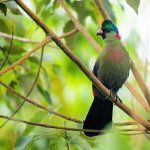
5. Great blue turaco
The great blue turaco is an impressive bird that may be observed moving through the forest canopy.
Its size and colorful plumage make it an appealing subject for nature photography.
Like other canopy birds, it may be easier to detect by movement or calls before it becomes clearly visible.
6. Chestnut-capped flycatcher
This forest bird is another species of interest to visitors exploring Budongo’s birdlife.
Flycatchers can be challenging to identify, especially when several species occupy similar habitats. A guide can help distinguish them through field marks, behavior and vocalizations.
7. Ituri batis
The Ituri batis is a notable forest species associated with the wider region’s specialist birdlife.
It is one of the birds experienced birders may include on a target list when planning a visit to Budongo.
As with other forest species, its presence during any particular walk should not be assumed.
8. Nahan’s francolin
Nahan’s francolin is a particularly interesting bird for specialist birdwatchers exploring forest habitats in western Uganda.
Ground-dwelling forest birds can be difficult to observe because they often remain concealed in thick vegetation.
A quiet approach and a guide familiar with the species are valuable when searching for elusive birds.
9. African dwarf kingfisher
The African dwarf kingfisher is a small, colorful bird that may be encountered in suitable forest habitat.
Its compact size and bright coloration make it attractive to photographers, although locating it can require patience.
10. Other forest birds
Depending on conditions, birdwatchers may also search for forest greenbuls, African emerald cuckoos, forest robins, sunbirds, woodpeckers and other species associated with Budongo.
A local guide can help develop a realistic target list based on the season, the group’s experience and the time available.
Birdwatching tip: Do not measure the success of a Royal Mile excursion only by the number of species recorded. Finding a difficult forest bird, hearing its call or watching its behavior can be just as rewarding as adding another species to your checklist.
The Best Way to Experience the Royal Mile
The most rewarding birdwatching experiences generally involve moving slowly with an experienced guide who understands the forest and its birdlife.
Guided birdwatching walks
A guided walk allows visitors to search for birds while learning about their habitats, behavior and ecological roles.
Guides can help identify birds by sight and sound, explain differences between similar species and point out wildlife that visitors might otherwise overlook.
For serious birders, consider arranging a specialist guide rather than relying solely on a general nature walk.
Bird photography
The Royal Mile offers opportunities to photograph forest birds, butterflies, large trees and other wildlife.
Forest photography can be challenging because lighting changes beneath the canopy and birds may remain partially obscured by leaves.
Consider carrying a camera with a suitable telephoto lens, along with binoculars for locating birds before taking photographs.
Be patient, avoid disturbing wildlife and follow your guide’s instructions.
Nature walks and forest interpretation
Even if you are not an expert birder, a forest walk can be an enjoyable way to discover Budongo’s natural heritage.
Guides can explain the importance of mature trees, forest regeneration and the relationships between birds and their habitats.
These walks are particularly suitable for travelers who want to combine birdwatching with a broader appreciation of tropical forest ecology.
Best Time for Birdwatching at the Royal Mile
Birdwatching at the Royal Mile is possible throughout the year, although seasonal conditions influence trail comfort, visibility and the species encountered.
Drier periods
Relatively dry periods can make walking easier and may be convenient for travelers combining the Royal Mile with game drives in Murchison Falls National Park.
However, tropical forest conditions can change quickly, and rain may occur even during generally drier months.
Rainier periods
Wetter periods can make forest trails muddy or slippery, so appropriate footwear is important.
The forest may appear particularly lush, offering attractive scenery for nature photography.
Bird activity and visibility vary with local conditions, and no single season guarantees sightings of a particular species.
What time of day is best?
Early morning is generally a good choice for birdwatching because birds are often active and temperatures are cooler.
Plan to arrive early enough to begin your walk around first light or at the time agreed with your guide.
Allow sufficient time for slow observation, listening and photography rather than treating the visit as a quick stop along the road.
How Long Should You Spend at the Royal Mile?
The ideal duration depends on your interests.
- Short visit: A brief guided walk can introduce you to the forest and its birdlife.
- Half-day birding: A useful option for travelers combining birdwatching with other safari activities.
- Full-day birding: Recommended for dedicated birdwatchers hoping to search for a wider range of species and spend more time observing forest habitats.
If your priority is to find specialist birds, allow as much time as your itinerary permits.
Birdwatching is unpredictable, and a longer excursion gives you more opportunities to observe different areas of the forest.
What to Pack for Royal Mile Birdwatching
A few practical items can make your forest birding experience more comfortable.
- Binoculars: Essential for observing birds in the canopy and understory.
- Camera and telephoto lens: Useful for wildlife photography.
- Comfortable walking shoes: Choose footwear with good grip.
- Lightweight long-sleeved clothing: Helps protect against insects and vegetation.
- Rain jacket: Tropical showers can occur at any time.
- Insect repellent: Follow the product instructions.
- Drinking water: Carry enough for your planned walk.
- Field guide or bird identification app: Useful for recording observations and identifying species.
- Notebook or checklist: Helpful for keeping track of sightings.
Keep your equipment organized so you can respond quickly when a bird appears.
How to Get to the Royal Mile in Budongo Forest
The Royal Mile is reached through the Busingiro ecotourism site in Budongo Central Forest Reserve.
Travelers commonly approach from Kampala via Luweero, Nakasongola and Masindi.
Because road and access conditions can vary, it is advisable to confirm the exact route and reporting location before departure.
Can you visit the Royal Mile on a Murchison Falls safari?
Yes. The Royal Mile is a practical addition to a wider Murchison Falls itinerary, particularly for travelers interested in birdwatching.
However, the forest visit should be planned around your accommodation, driving times and other scheduled activities.
For dedicated birders, an overnight stay in the area may provide more flexibility than trying to complete the forest walk and a long transfer on the same day.
Royal Mile Birdwatching and Murchison Falls National Park
Combining the Royal Mile with Murchison Falls National Park offers a varied wildlife experience.
Budongo’s forest birds differ from many species encountered in open savannah, woodland and riverine habitats. Visiting both areas therefore provides a broader introduction to Uganda’s birdlife.
Activities to combine with birdwatching
Depending on your itinerary, you may enjoy:
- Game drives in search of elephants, giraffes, buffaloes and antelopes.
- A boat cruise along the Victoria Nile.
- A visit to Murchison Falls.
- Additional birdwatching in the park’s savannah and riverine habitats.
- Chimpanzee tracking at Kaniyo Pabidi, subject to current availability and confirmed arrangements.
This combination is especially attractive to travelers who want a dedicated forest birding experience alongside Uganda’s classic wildlife safari activities.
Suggested Three-Day Royal Mile and Murchison Falls Birding Safari
Day 1: Kampala to Budongo Forest
Depart Kampala and travel toward Masindi and the Budongo Forest area.
Enjoy the countryside along the route and stop for refreshments as needed.
Depending on your arrival time, check in to your accommodation and prepare for the next morning’s birdwatching excursion.
Day 2: Birdwatching at the Royal Mile
Start early and meet your birding guide at the confirmed Busingiro access point.
Spend the morning searching for forest birds along the Royal Mile. Your guide can help identify calls, locate species and explain the forest’s ecological importance.
Depending on your interests, continue with additional nature walks or travel toward Murchison Falls National Park.
Overnight near your preferred park activity location.
Day 3: Murchison Falls wildlife experience
Enjoy a game drive or boat cruise, depending on your itinerary.
Search for wildlife in the park’s savannah and riverine habitats, and visit Murchison Falls if time allows.
Begin your return journey to Kampala or extend your trip to explore more of Uganda.
For specialist birders: Consider adding another night so that the Royal Mile receives a full day of dedicated birdwatching rather than being fitted between long drives.
Accommodation for a Royal Mile Birdwatching Trip
Your accommodation choice depends on whether you are visiting primarily for birding or combining the forest with a broader safari.
Staying near Busingiro
Accommodation options close to the Busingiro site should be confirmed directly before booking, as facilities and availability can change.
Staying nearby can be useful for early-morning birdwatching.
Staying in Masindi
Masindi offers a practical base for travelers who want access to town services and are comfortable traveling to the forest.
Confirm the driving time to the Royal Mile and arrange an early departure with your guide.
Staying near Murchison Falls National Park
If your itinerary includes game drives and a Nile boat cruise, accommodation near your preferred park sector may be more convenient.
The best location depends on your schedule and the distance between the park activities and the forest.
Epic Uganda Vacation can help coordinate accommodation, transport and birdwatching arrangements according to your itinerary and confirmed availability.
Responsible Birdwatching at the Royal Mile
Responsible birdwatching helps protect the forest and minimize disturbance to wildlife.
Follow these practices during your visit:
- Keep noise to a minimum.
- Avoid disturbing birds at nests or roosting sites.
- Never attempt to capture or handle wild birds.
- Stay on authorized trails and follow your guide’s instructions.
- Avoid littering or removing plants and other natural materials.
- Use photography equipment without harassing wildlife.
- Respect other visitors and local communities.
The aim is to observe birds without changing their natural behavior.
Responsible tourism supports the long-term protection of Budongo’s biodiversity and helps preserve the Royal Mile for future visitors.
Frequently Asked Questions About Birdwatching at the Royal Mile
1. Where is the Royal Mile in Uganda?
The Royal Mile is located in Budongo Central Forest Reserve at the Busingiro ecotourism site in the Masindi area of western Uganda.
2. What is the Royal Mile famous for?
The Royal Mile is best known for forest birdwatching, guided nature walks and its scenic route beneath mature indigenous trees.
3. What birds can I see at the Royal Mile?
Potential sightings include chocolate-backed kingfishers, yellow-footed flycatchers, Puvel’s illadopsis, white-thighed hornbills, great blue turacos and other forest birds. Actual sightings depend on the season and local conditions.
4. Is the Royal Mile suitable for beginner birdwatchers?
Yes. Beginners can enjoy the forest and learn to identify birds with a guide. Experienced birders may benefit from hiring a specialist guide and allowing more time to search for elusive species.
5. How long does birdwatching at the Royal Mile take?
A short walk may provide an introduction to the forest, but a half-day or full-day excursion is preferable for dedicated birdwatchers.
6. What is the best time to visit the Royal Mile?
The Royal Mile can be visited throughout the year. Early morning is generally a good time to begin birdwatching, while seasonal weather affects trail conditions and sightings.
7. Do I need a guide for Royal Mile birdwatching?
A guide is strongly recommended, especially if you want to locate specialist forest birds and identify them by their calls.
8. Can I combine Royal Mile birdwatching with chimpanzee tracking?
Yes, but chimpanzee tracking is associated with designated tourism arrangements at Kaniyo Pabidi, while the Royal Mile at Busingiro is primarily known for birding and nature walks. Confirm the availability and logistics of each activity before planning your itinerary.
9. Can I visit the Royal Mile and Murchison Falls National Park on one trip?
Yes. The Royal Mile can be incorporated into a multi-day safari featuring game drives, a Nile boat cruise and a visit to Murchison Falls.
10. How do I arrange a birdwatching trip to the Royal Mile?
Check the official Uganda Forestry Services platform for current birding and nature-walk arrangements, or contact Epic Uganda Vacation to discuss a customized birdwatching itinerary.
Plan Your Royal Mile Birdwatching Safari with Epic Uganda Vacation
The Royal Mile in Budongo Forest offers a rewarding opportunity to