Uganda Photography Safari: A Complete Guide to Wildlife, Birds, Landscapes and Karamoja Culture
Uganda is one of Africa’s most rewarding destinations for photography enthusiasts, offering an extraordinary combination of wildlife, tropical rainforests, mountain landscapes, lakes, waterfalls, birdlife and vibrant cultural experiences. Known as the Pearl of Africa, Uganda provides opportunities to photograph mountain gorillas in misty forests, elephants on open savannah, chimpanzees in the canopy, colourful birds in wetlands and traditional pastoral communities in the northeastern region of Karamoja.
A Uganda photography safari can be tailored to different interests, from professional wildlife and bird photography to landscape photography, cultural portraits and documentary storytelling. Whether you are carrying a professional camera system or travelling with a mirrorless camera, Uganda offers diverse photographic opportunities throughout the year.
At Epic Uganda Vacation, we help travellers plan photography-focused safaris around their preferred subjects, travel dates, accommodation style and photographic goals.
Why Choose Uganda for a Photography Safari?
Uganda stands out because several different photographic environments can be explored within one country. Photographers can move from open savannah and wetlands to tropical forests, volcanic mountains, crater lakes and traditional communities.
The country’s biodiversity and cultural heritage make it suitable for photographers interested in both nature and people. A well-planned itinerary can combine wildlife photography in national parks with birdwatching, scenic landscapes and community-based cultural experiences.
Highlights of a Uganda photography trip include:
- Mountain gorillas in Bwindi Impenetrable National Park and Mgahinga Gorilla National Park.
- Chimpanzees in Kibale Forest National Park and other forest habitats.
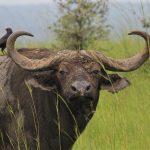
- African elephants, buffaloes, lions and other wildlife in Uganda’s savannah parks.
- Shoebills and other wetland birds.
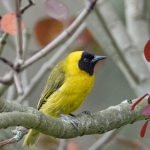
- Albertine Rift endemic birds and colourful forest species.
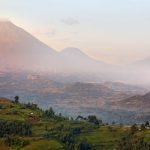
- Landscapes around Lake Bunyonyi, the Rwenzori Mountains and crater lakes.
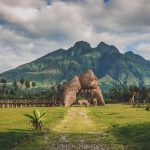
- Karamojong cultural photography, traditional crafts and pastoral life in northeastern Uganda.
- Local markets, community activities and cultural performances, where photography is welcomed.
Best Places for Photography in Uganda
1. Bwindi Impenetrable National Park: Mountain Gorilla Photography
Bwindi is one of Uganda’s most important destinations for wildlife photographers, particularly those interested in mountain gorillas. Its dense rainforest, moss-covered vegetation, vines and mist create an atmospheric setting for photographing these endangered primates.
During an authorised gorilla trek, photographers may capture gorillas feeding, resting, grooming, moving through vegetation or interacting within their family groups. The experience is unpredictable, and photographic conditions can change quickly as the gorillas move through the forest.
Photography opportunities include:
- Mountain gorilla portraits and family interactions.
- Forest textures, mosses and filtered light.
- Primate behaviour and close-up details, subject to viewing rules.
- Forest birds and other wildlife encountered during the trek.
Photography tip: Bring a camera that performs well at high ISO settings. Forest light can be dim, and flash photography is not permitted during gorilla trekking. A versatile zoom lens can be more practical than carrying several heavy lenses through the forest.
Gorilla trekking is regulated. Visitors must follow ranger instructions, maintain the required distance and comply with current health and wildlife-protection rules. Special photographic access or extended viewing time should never be assumed.
2. Kibale Forest National Park: Chimpanzee Photography
Kibale Forest is a leading destination for chimpanzee trekking in Uganda. Its tropical forest supports chimpanzees, monkeys and a wide range of bird species, making it attractive to photographers interested in primate behaviour and forest biodiversity.
Chimpanzees can move rapidly through the canopy or travel along the forest floor, creating opportunities for action photography as well as portraits.
Photographic subjects may include:
- Chimpanzees feeding, grooming and communicating.
- Red-tailed monkeys and other primates.
- Forest vegetation, butterflies and insects.
- Birds encountered during guided walks.
Photography tip: Use a fast shutter speed to photograph moving chimpanzees, particularly when they are climbing or moving through the canopy. A telephoto zoom lens helps frame subjects without disturbing them.
Sightings, lighting and viewing opportunities vary. Visitors must follow their guide’s instructions and current wildlife-viewing regulations.
3. Queen Elizabeth National Park: Savannah Wildlife Photography
Queen Elizabeth National Park offers a contrasting photographic environment to Uganda’s rainforests. Open grasslands, wetlands, lakes and woodland provide opportunities to photograph mammals and birds in different habitats.
The park is particularly attractive to photographers who want to combine game drives with a boat safari.
Important photography locations include:
- Kasenyi Plains: Search for elephants, Uganda kob, buffaloes and lions.
- Kazinga Channel: Photograph hippos, Nile crocodiles, elephants near the water and a variety of waterbirds.
- Ishasha sector: Look for the area’s famous tree-climbing lions, although sightings are not guaranteed.
- Maramagambo Forest: Explore forest habitats and birdlife through permitted activities.
Photography tip: Early morning and late afternoon often provide softer light for wildlife photography. Ask your guide about positioning the vehicle to improve your angle and avoid harsh backlighting where possible.
4. Murchison Falls National Park: Wildlife and Dramatic Landscapes
Murchison Falls National Park is an excellent choice for photographers interested in large mammals, river scenery and dramatic natural features. The Nile flows through the park before forcing its way through a narrow gorge at Murchison Falls.
Potential subjects include:
- African elephants, buffaloes, giraffes and antelopes.
- Lions and other predators when encountered.
- Nile crocodiles and hippos along the river.
- Birds of prey and waterbirds.
- The waterfall and surrounding river landscape.
A boat trip on the Nile offers a different perspective from a game drive, with opportunities to photograph wildlife along the banks and the landscape around the falls.
Photography tip: Carry a telephoto lens for wildlife and a wider lens for landscapes. Protect your camera from spray near the falls and from dust during game drives.
5. Mabamba Swamp: Shoebill Photography
Mabamba Swamp, on the northern shore of Lake Victoria near Entebbe, is one of Uganda’s best-known places to search for the shoebill. This distinctive wetland bird is a major attraction for bird photographers.
The swamp’s channels are explored by boat, usually with a local guide who helps locate birds while minimising disturbance to the habitat.
Photographic opportunities include:
- Shoebills standing among wetland vegetation.
- Herons, kingfishers and other wetland birds.
- Reflections and atmospheric swamp landscapes.
- Birds hunting, feeding or moving through shallow water.
Photography tip: A telephoto lens is particularly useful because the boat must maintain a respectful distance from wildlife. Ask your guide about positioning the boat for a clear view without disturbing the bird.
Shoebill sightings are not guaranteed. Water levels, vegetation, bird movements and weather can all influence the experience.
6. Lake Bunyonyi: Landscape Photography
Lake Bunyonyi, in southwestern Uganda, is known for its rolling hills, terraced slopes and islands scattered across the water. It provides a peaceful setting for landscape photography and a welcome change after several days of wildlife viewing.
Subjects include:
- Sunrise and sunset over the lake.
- Islands and reflections on calm water.
- Terraced hillsides and rural landscapes.
- Canoes, lakeside communities and everyday life, with permission where appropriate.
Photography tip: Allow time at the lake rather than treating it only as an overnight stop. Early mornings can offer atmospheric mist and softer light, although conditions vary.
7. Rwenzori Mountains: Mountain and Nature Photography
The Rwenzori Mountains offer dramatic landscapes, mountain forests and unusual high-altitude vegetation. Photographers interested in hiking, wilderness and mountain environments can explore the region through organised trekking experiences.
Potential subjects include:
- Mountain ridges and cloud formations.
- Forest trails and moss-covered vegetation.
- Giant lobelias and other distinctive high-altitude plants.
- Waterfalls, streams and alpine scenery.
Photography tip: Weather can change rapidly in the mountains. Use weather-resistant camera protection, carry spare batteries and keep equipment accessible without compromising your safety on steep or slippery trails.
Longer mountain photography trips require careful planning because altitude, hiking difficulty and weather affect how much time is available for photography.
8. Budongo Forest and Ziwa Rhino Sanctuary: Forest and Rhino Photography
Budongo Forest, near Murchison Falls National Park, is known for its forest biodiversity and chimpanzee experiences. Ziwa Rhino Sanctuary offers a different setting where visitors can join guided rhino-tracking activities on foot.
Together, these locations can add variety to a northern Uganda photography itinerary.
At Ziwa, photographers may have opportunities to photograph southern white rhinos and other wildlife. Sightings and viewing conditions depend on the animals’ movements and the guidance of sanctuary staff.
Always follow the guide’s instructions, especially during on-foot wildlife encounters.
Karamoja Cultural Photography: The Karamojong People and Traditions
Karamoja, in northeastern Uganda, offers a distinctive cultural photography experience for travellers interested in traditional lifestyles, pastoral communities, local craftsmanship and the relationship between people and their environment.
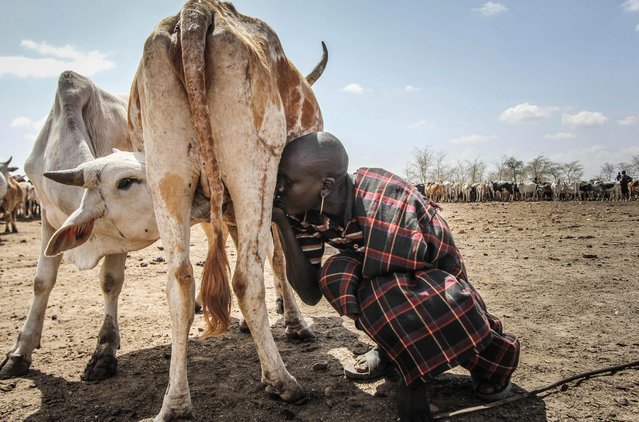
The region is home to the Karamojong, whose cultural identity is closely connected to cattle keeping, community traditions and life across the dry savannah landscapes. For photographers, Karamoja provides opportunities to document cultural heritage, traditional clothing, livestock, homesteads and everyday activities.
When approached respectfully, cultural photography can add a meaningful human dimension to a Uganda photography safari, complementing wildlife and landscape photography.
What to Photograph in Karamoja
Karamojong portraits
Portrait photography can document individual personalities, traditional attire, jewellery and personal adornments. Always obtain informed permission before taking close-up portraits and explain how the images may be used, particularly if they will be published commercially or online.
Pastoral life and cattle keeping
Cattle are important to many Karamojong communities. Photographers may document livestock herding, cattle care and the relationship between pastoral livelihoods and the surrounding environment.
Traditional homesteads
Traditional settlements provide opportunities to explore local architecture, domestic spaces and the organisation of community life. Ask residents for permission before photographing homes or private activities.
Beadwork and traditional craftsmanship
Locally made jewellery, beadwork and decorative items can offer detailed photographic subjects. Where possible, learn about the makers and the meaning of their work rather than photographing objects without context.
Markets and everyday activities
Community markets and other public activities can provide opportunities for documentary photography, showing trade, food preparation, crafts and daily life. Be considerate of people’s privacy and avoid disrupting their work.
Cultural dances and ceremonies
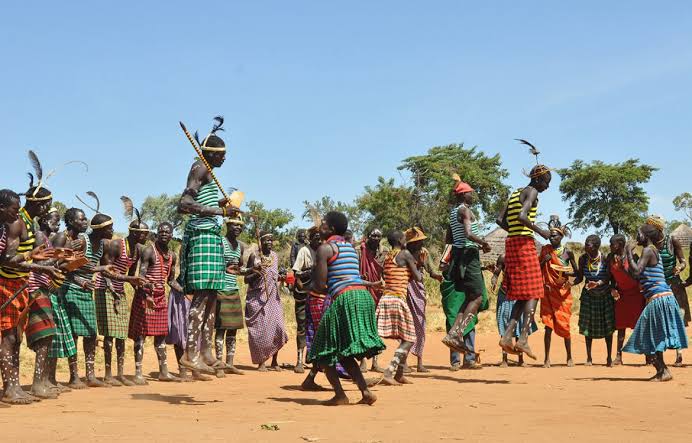
Where communities welcome visitors, traditional performances may provide opportunities to document music, dance, clothing and collective cultural expression. Ceremonies may be private or culturally sensitive, so permission must be obtained in advance.
Karamoja’s landscapes
The region’s open plains, rocky hills, livestock and expansive skies offer strong opportunities for environmental portraits and landscape photography. Images that place people within their surroundings can tell a broader story about life in the region.
Where to Experience Cultural Photography in Karamoja
Moroto and surrounding communities provide a useful base for exploring Karamoja’s landscapes and cultural heritage. Depending on local arrangements, photographers may also visit communities around Kotido and other parts of the region.
Visits should be organised with knowledgeable local guides or community representatives who can facilitate introductions, explain local customs and advise on appropriate photography. Access to particular settlements, ceremonies and cultural sites must be confirmed in advance.
Responsible Cultural and Tribal Photography
Cultural photography should document people as individuals and communities with their own identities, preferences and contemporary lives—not simply as photographic subjects.
Follow these principles:
- Ask permission before taking close-up portraits or photographing identifiable individuals.
- Explain how you intend to use the photographs, especially if they may be published commercially or online.
- Respect refusals without pressure or repeated requests.
- Agree on any photography fees or portrait payments in advance, where applicable.
- Obtain explicit permission before photographing ceremonies, homes or sensitive cultural activities.
- Avoid misleading captions and stereotypical portrayals.
- Work with local guides and community members who can help ensure that visits are welcome and mutually beneficial.
Photography tip: Use a versatile zoom lens for environmental portraits and a wider lens for landscapes that place people within their surroundings. Early morning and late-afternoon light can be particularly attractive for portraits, livestock and landscapes.
Combining Karamoja with a Uganda Photography Safari
Karamoja can add a cultural dimension to an itinerary that also includes Uganda’s wildlife parks, rainforests and birding locations. However, northeastern Uganda is geographically distant from destinations such as Bwindi and Kibale, so a trip combining these areas needs enough time for travel.
For a photography-focused journey, consider allowing two to three nights in Karamoja, depending on the communities you plan to visit, the availability of local guides and the amount of time you want for portraits and documentary photography.
This experience can be combined with wildlife and landscape photography elsewhere in Uganda to create a varied itinerary featuring nature, people and cultural heritage.
Best Time for a Uganda Photography Trip
Uganda can be visited throughout the year, but weather and habitat conditions influence photographic opportunities. The best time depends on whether your main priority is gorillas, birds, savannah wildlife, landscapes, cultural experiences or a combination of subjects.
| Period | Photography advantages | Things to consider |
|---|---|---|
| December–February | Often favourable for savannah wildlife and travel between parks | Dry conditions can create dust on game drives |
| June–August | Popular for wildlife safaris and gorilla trekking | Demand for permits and accommodation can be high |
| March–May | Lush landscapes, active vegetation and rewarding birding opportunities | Rain and muddy trails may affect access |
| September–November | Green scenery and birdwatching opportunities, depending on conditions | Rainfall can affect roads and forest trekking |
These are general seasonal patterns, not guarantees. Uganda’s tropical climate means rain can occur outside the wetter months.
When Is the Best Time for Bird Photography?
Bird photography is possible throughout the year. Seasonal movements, breeding behaviour, water levels and local habitat conditions influence which birds are present and how easy they are to photograph.
For a specialist bird photography trip, consider allocating several days to key habitats instead of visiting each location for only a short period. A knowledgeable birding guide can help identify species and improve the chances of finding target birds.
When Is the Best Time for Cultural Photography in Karamoja?
Karamoja can be visited at different times of the year, but weather, road conditions, local events and community availability can influence the experience. The best dates depend on the activities you hope to photograph and whether you want to document everyday pastoral life, crafts, markets or a community-approved cultural performance.
Cultural events should never be assumed to be available on demand. Coordinate visits in advance with local guides or community representatives.
Recommended Camera Equipment for Uganda
The best camera kit depends on your photographic goals and the type of safari you are planning. You do not need every possible lens, but choosing equipment for both forest and savannah environments can make a significant difference.
| Equipment | Recommended use |
|---|---|
| Camera body with good high-ISO performance | Forests, dawn and dusk photography |
| Telephoto zoom, such as 100–400mm or 150–600mm | Birds and distant wildlife |
| Mid-range zoom, such as 24–70mm | Landscapes, travel and cultural photography |
| Wide-angle lens | Waterfalls, mountains and broad landscapes |
| Spare batteries | Long game drives and forest treks |
| Extra memory cards | Extended wildlife and bird photography sessions |
| Rain cover or waterproof camera bag | Rainforest trekking and wet weather |
| Lens cloth and blower | Dust, moisture and general cleaning |
| Binoculars | Locating birds and distant wildlife |
These are examples rather than mandatory specifications. A lighter kit can be preferable for gorilla trekking, where you may walk through steep, muddy and densely vegetated terrain.
What Camera Settings Should You Use?
Different subjects require different settings, but these starting points can help:
- Moving wildlife: Use a fast shutter speed, often around 1/1000 second or faster when action is unpredictable.
- Birds in flight: Try 1/1600 second or faster, adjusting for the bird’s movement and available light.
- Gorillas in forest shade: Use a wide aperture and raise ISO as needed to maintain a usable shutter speed.
- Landscapes: Consider a lower ISO and a smaller aperture when light and tripod use allow.
- Handheld photography: Use image stabilisation where available, but remember that stabilisation does not freeze a moving animal.
- Cultural portraits: Use a suitable aperture to separate the subject from the background while keeping the person’s face in focus.
These settings are starting points, not fixed rules. Check exposure and focus regularly, especially when moving between bright savannah and dark forest.
How to Plan a Uganda Photography Safari
A successful photography safari requires more than visiting famous national parks. It involves allowing enough time at each location, choosing accommodation that suits the route, arranging suitable transport and understanding the limitations of wildlife viewing.
1. Choose Your Photography Interests
Begin by deciding which subjects matter most to you:
- Wildlife and big mammals.
- Mountain gorillas and chimpanzees.
- Birds, including the shoebill and Albertine Rift species.
- Landscapes, waterfalls and mountains.
- Karamojong culture and documentary photography.
- A mixed photography safari covering several interests.
Your priorities determine the best route and how long you should stay in each location.
2. Allow Enough Time at Each Destination
Photography often requires patience. Animals may be hidden, light may be poor, or a bird may appear only briefly.
Instead of moving every day, consider spending two or more nights in important locations. Bird photographers and travellers with specific target species may need longer, particularly when exploring several forest or wetland habitats.
Cultural photographers should also allow sufficient time for introductions, conversations and community visits rather than rushing between settlements.
3. Arrange Gorilla and Chimpanzee Permits Early
If your itinerary includes gorilla trekking or chimpanzee trekking, permits should be checked before confirming the rest of the arrangements. Availability depends on the destination, dates and visitor demand.
Photographers should understand the applicable wildlife-viewing rules. A photography trip does not automatically provide extended viewing time, special access or permission to use flash.
4. Choose Suitable Transport
A safari vehicle with a pop-up roof is useful for general game viewing, but photographers may have additional requirements, such as space for camera bags, convenient charging arrangements and the ability to position themselves comfortably.
For specialist photography, discuss your equipment and expectations with your operator before booking. A custom arrangement may be possible, depending on the vehicle and route.
5. Select Accommodation for the Route
Lodges close to your principal photography locations can reduce time spent driving and allow earlier starts. However, the best accommodation depends on your budget, preferred comfort level, road conditions and the specific park sectors you plan to visit.
Permit location and trekking logistics are particularly important when selecting accommodation for gorilla trekking.
6. Work with Knowledgeable Local Guides
Wildlife guides help visitors understand animal behaviour and locate photographic subjects. Birding guides can assist with species identification, while local cultural guides in Karamoja can explain community customs and facilitate respectful visits.
For cultural photography, local knowledge is especially important because not every activity or location is open to visitors or photography.
Sample 10-Day Uganda Photography Safari Itinerary
This example combines wildlife, birds, primates and landscapes. It is a starting point that can be adjusted for specialist photography interests.
| Day | Destination | Photography focus |
|---|---|---|
| 1 | Entebbe | Arrival, equipment preparation and optional wetland birding |
| 2 | Mabamba Swamp and travel towards Murchison Falls region | Shoebill and wetland birds, subject to conditions |
| 3 | Murchison Falls National Park | Savannah wildlife and Nile River scenery |
| 4 | Murchison Falls National Park | Morning game drive and boat-based wildlife photography |
| 5 | Kibale Forest area | Forest landscapes and preparation for primate trekking |
| 6 | Kibale Forest National Park | Chimpanzee photography and forest biodiversity |
| 7 | Queen Elizabeth National Park | Savannah wildlife and crater-lake landscapes |
| 8 | Queen Elizabeth National Park | Kazinga Channel boat cruise and bird photography |
| 9 | Bwindi Impenetrable National Park | Transfer and preparation for gorilla trekking |
| 10 | Bwindi and onward travel | Gorilla trekking if permit logistics allow, followed by a planned overnight or onward transfer |
Important planning note: This is a broad outline rather than a fully timed route. A gorilla trek on Day 10 followed by a long transfer or international flight on the same day may be impractical. The route should be adjusted to allow adequate trekking time, driving time and overnight accommodation. For a more relaxed photography safari, consider extending the trip to 12–14 days.
Adding Karamoja to the Itinerary
Karamoja is in northeastern Uganda, far from the southwestern gorilla and chimpanzee destinations. Combining Karamoja with Bwindi, Kibale and several western parks requires additional days and careful route planning.
If Karamojong cultural photography is a main priority, consider a longer itinerary rather than trying to fit every destination into ten days. Another option is to design a dedicated Karamoja photography journey focused on pastoral culture, portraits, crafts and landscapes.
Responsible Wildlife and Cultural Photography in Uganda
Responsible photography helps protect wildlife and supports the communities and habitats that make Uganda special.
Follow these principles throughout your trip:
- Maintain the required distance from gorillas, chimpanzees and other wildlife.
- Never use flash during gorilla trekking or where guides and wildlife rules prohibit it.
- Do not call, chase, feed or otherwise disturb animals to obtain a photograph.
- Ask permission before photographing people, particularly children and community members.
- Explain how portraits may be used, especially if the images will be published commercially.
- Respect cultural customs and any restrictions at sacred or sensitive locations.
- Follow park rules and guide instructions, even when a photographic opportunity appears brief.
- Support reputable local guides, lodges and tourism businesses.
The aim is to capture authentic images without compromising animal welfare, visitor safety or local dignity.
Cost of a Uganda Photography Safari
The cost of a photography safari varies according to trip length, accommodation category, group size, transport, park fees, permits and specialist guiding requirements.
A general budget should account for:
- Accommodation and meals.
- Private safari vehicle and driver-guide.
- National park entrance fees and activities.
- Gorilla and chimpanzee trekking permits, if included.
- Boat cruises and guided birding excursions.
- Cultural visits and local guiding arrangements in Karamoja.
- Specialist photography guiding, if required.
- Airport transfers and any domestic flights.
Gorilla and chimpanzee permits can represent a significant part of the budget. Current prices and availability should be confirmed for your travel dates rather than relying on old online rates.
A private photography safari may cost more than a standard group tour, but it can offer greater flexibility over departure times, time spent at selected locations and equipment needs. Special photographic access or extended viewing time should never be assumed unless explicitly authorised by the relevant park authority or community.
Frequently Asked Questions About Uganda Photography Trips
1. Is Uganda good for wildlife photography?
Yes. Uganda offers a diverse range of wildlife habitats, from savannah parks with elephants, buffaloes and lions to rainforests with mountain gorillas and chimpanzees. Wetlands and lakes also provide rewarding bird photography opportunities.
2. What is the best month for photography in Uganda?
There is no single best month for every subject. June to August and December to February are often popular for general wildlife travel, while wetter periods can offer lush scenery and interesting birding conditions. The best timing depends on your target species and preferred photographic environment.
3. Can I photograph mountain gorillas in Uganda?
Yes. Visitors with the appropriate permits can photograph mountain gorillas during authorised treks in Bwindi Impenetrable National Park or Mgahinga Gorilla National Park. Photography must follow current viewing rules, including restrictions on distance and flash.
4. What is Karamoja known for in cultural photography?
Karamoja offers opportunities to document Karamojong pastoral life, cattle keeping, traditional clothing, beadwork, homesteads, landscapes and community activities. Photography visits should be arranged respectfully with local guides or community representatives, and permission should be obtained before photographing individuals or culturally sensitive activities.
5. Can I combine Karamoja with gorilla trekking?
Yes, but it requires careful planning because Karamoja is in northeastern Uganda while Bwindi is in the southwest. A longer itinerary is advisable to allow for travel and meaningful time in each destination.
6. What lens is best for a Uganda safari?
A telephoto zoom is versatile for birds and distant mammals, while a mid-range zoom is useful for landscapes and general travel photography. Forest conditions can require a lens and camera body that perform well in low light. A wide-angle lens is useful for landscapes and environmental portraits.
7. Can I combine bird photography with gorilla trekking?
Yes. Uganda is particularly suitable for combining primate photography with birding. A tailored itinerary can include Bwindi, Kibale Forest, Queen Elizabeth National Park and selected wetlands, depending on your travel dates and target species.
8. How many days do I need for a Uganda photography safari?
Seven to ten days can cover several major highlights, but 12–14 days or longer is preferable for photographers who want time for gorilla trekking, chimpanzees, savannah wildlife, birds and landscapes without rushing between destinations. Adding Karamoja may require a longer trip.
9. Do I need a specialist photography guide?
Not necessarily for a general photography holiday, but a knowledgeable wildlife or birding guide can help locate subjects, understand behaviour and make better use of available time. For cultural photography in Karamoja, a local guide can explain customs, facilitate introductions and help ensure that visits are appropriate and welcome.
Plan Your Uganda Photography Trip with Epic Uganda Vacation
Uganda offers photographers an exceptional variety of subjects, from mountain gorillas and chimpanzees to shoebills, elephants, savannah landscapes, mountain scenery and the cultural heritage of Karamoja. The best trip is one designed around your photographic priorities, with sufficient time at each destination and realistic expectations about wildlife sightings and cultural access.
Epic Uganda Vacation can help plan a tailor-made Uganda photography safari, whether you are a wildlife photographer, birding enthusiast, landscape photographer or traveller hoping to document Uganda’s cultural heritage.
Contact our team through epicugandavacation.com to discuss your travel dates, preferred photography subjects, budget and accommodation style.