Gorilla Trekking in Rwanda: The Ultimate Guide to Volcanoes National Park
Are you planning a gorilla trekking safari to Rwanda and wondering where you can see these majestic creatures? Rwanda, famously known as the “Land of a Thousand Hills,” is a country blessed with remarkable biodiversity. One of its most iconic and sought-after experiences is trekking to see mountain gorillas in their natural habitat.
Volcanoes National Park.
Volcanoes National Park, located in the Virunga Mountains of northern Rwanda, is the premier destination for gorilla trekking. Because the park is part of the transboundary Virunga Massif, it shares a unique ecosystem with Uganda. It also shares this ecosystem with the DR Congo.
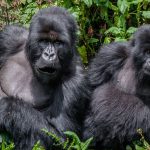
Currently, several habituated gorilla families live within the park, allowing visitors to observe these endangered primates up close. Furthermore, experienced guides lead treks through lush bamboo forests, ensuring a safe and once-in-a-lifetime wildlife encounter.
The Gorilla Trekking Experience in Rwanda.
Gorilla trekking in Rwanda is a carefully managed experience to ensure the well-being of the gorillas and the safety of visitors. Permits are required for trekking and are best obtained in advance due to limited availability. Trekking to see mountain gorillas involves hiking through dense bamboo forests. It also involves traversing steep terrain. Park rangers and trackers guide you and help locate the gorilla families.
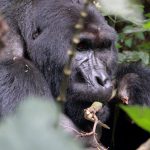
Upon meeting a gorilla family, visitors have the opportunity to spend a precious hour observing these magnificent creatures as they go about their daily activities. These activities include feeding, grooming and playing.
Conservation and Sustainability efforts in Rwanda.
Rwanda is dedicated to the conservation of mountain gorillas and their habitats. Revenue from gorilla trekking permits supports conservation initiatives, anti-poaching efforts, and community development projects. Local communities living near the park are actively involved in conservation efforts and benefit from gorilla tourism. This is accomplished through revenue sharing programs that promote sustainable livelihoods and environmental stewardship.
Where to stay on a gorilla trekking safari in Rwanda?
Accommodation options near Volcanoes National Park range from luxury lodges to eco- friendly camps. These options offer visitors a comfortable base for their gorilla trekking adventures.
In addition to gorilla trekking, visitors can engage in cultural activities, such as village visits and interactions with local communities. These activities help them gain insight into Rwanda’s rich cultural heritage.
The Trekking Experience and Permit Costs
Gorilla trekking in Rwanda is a carefully managed activity to ensure the well-being of the primates. As of 2026, a single gorilla trekking permit in Rwanda costs USD 1,500 per person. While this fee is significant, the revenue directly supports anti-poaching efforts and community development projects.
Regarding the trek itself, visitors are guided by park rangers and trackers who help locate the families. Once you meet a gorilla group, you have exactly one hour to observe their daily activities, such as grooming, feeding, and playing. Due to high demand, it is highly advisable to book your permits at least 6 to 12 months in advance.
Easy steps to plan a Rwanda Gorilla trekking safari tour.
To book a gorilla trekking trip to Rwanda, follow these steps to ensure a smooth and unforgettable experience:
- Choose a Reputable Tour Operator: Research and select a reputable tour operator specializing in gorilla trekking trips in Rwanda. Look for companies with positive reviews, experience in organizing such tours, and a commitment to sustainable tourism practices.
- Select Your Dates: Decide on the dates for your trip, taking into consideration the availability of gorilla trekking permits, weather conditions, and your personal schedule.
- Obtain Gorilla Trekking Permits: Gorilla trekking permits are a crucial requirement for visiting the mountain gorillas in Rwanda. Contact your tour operator to secure permits well in advance, as they are limited and in high demand.
- Plan Your Itinerary: Work with your tour operator to create a customized itinerary that includes gorilla trekking in Volcanoes National Park, accommodation, transportation, and other activities you may want to experience during your stay in Rwanda. Consider Additional Activities: Explore other attractions and activities in Rwanda, such as visiting cultural sites, embarking on nature walks, or going on safari tours to maximize your experience in the country.
- Pack Appropriately: Pack essentials for your gorilla trek, including sturdy hiking boots, lightweight clothing, rain gear, insect repellent, sunscreen, a hat, and a camera to capture your memorable encounters with the gorillas.
By following these steps and adequately preparing for your gorilla trekking trip to Rwanda, you can ensure a well-organized and rewarding experience. You can connect with these magnificent creatures in their natural habitat. In addition, you contribute to their conservation and the local communities that depend on sustainable tourism.
What is the best time to visit Rwanda for gorilla trekking?
The dry seasons, from June to mid-September and mid-December to early February, are popular times for gorilla trekking due to clearer weather conditions and easier hiking trails.
Safety and Ethical Guidelines
Is it safe to track gorillas in Rwanda? Yes, trekking is generally considered very safe. To maintain this safety, the following protocols are strictly enforced:
-
Small Groups: Treks are limited to 8 people per gorilla family to minimize disturbance.
-
Safe Distance: Visitors must maintain a distance of at least 7 meters (23 feet).
-
Expert Briefings: Before embarking, you will receive a briefing on gorilla behavior and etiquette.
-
Health Protocols: Since gorillas share 98% of our DNA, visitors must follow health guidelines to prevent disease transmission.
Below are some key points to consider regarding the safety of gorilla tracking in Rwanda:
- Gorilla trekking in Rwanda is led by experienced guides, trackers, and park rangers who are well-trained in gorilla behavior and ensure visitor safety during treks.
- Treks are conducted in small groups to minimize disturbance to the gorillas and enhance the overall safety and quality of the experience.
- Visitors are instructed to maintain a safe distance of at least 7 meters (about 23 feet) from the gorillas to avoid direct contact and minimize the risk of disease transmission.
- Before embarking on a gorilla trek, visitors receive a pre-trek briefing that covers safety guidelines, gorilla behavior, and etiquette to ensure a safe and respectful encounter.
- Gorilla trekking involves hiking through rugged terrain and dense forests. Visitors should be in good physical condition to navigate the trails safely. In the unlikely event of an emergency, Volcanoes National Park has medical facilities and staff trained to handle medical situations.
- Local communities are actively engaged in gorilla conservation efforts, promoting responsible tourism practices and benefiting from revenue-sharing programs that support conservation initiatives and community development.
In light of the COVID-19 pandemic, Rwanda has implemented health and safety protocols to protect visitors and staff. These include mandatory mask-wearing, temperature checks, and sanitization measures.
In conclusion
Embarking on a gorilla trekking adventure in Rwanda is a soul-stirring experience that immerses you in the natural splendor of the Virunga Mountains. It allows you to connect with one of our closest relatives in the animal kingdom. By venturing into the heart of Volcanoes National Park and witnessing mountain gorillas in their natural habitat, you not only create memories to last a lifetime. You also contribute to the conservation of these magnificent creatures and their fragile ecosystem.
Rwanda’s commitment to sustainable tourism and wildlife conservation makes it a leading destination for ethical and transformative wildlife encounters. This ensures that the magic of encountering mountain gorillas endures for generations to come.