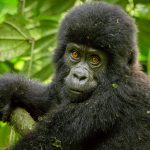
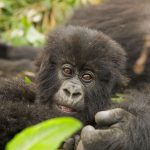
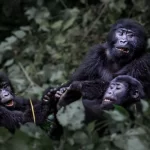
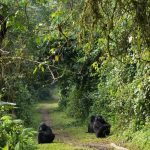
Gorilla trekking in Uganda is a once-in-a-lifetime experience that lets you encounter these majestic creatures in their natural habitat. However, securing a gorilla trekking permit can seem daunting. This guide breaks down the booking process into simple steps to ensure your adventure is seamless and enjoyable.
Where is gorilla trekking done in Uganda?
Bwindi Impenetrable National Park is a UNESCO World Heritage Site known for its rich biodiversity and dense forest cover. It is home to nearly half of the world’s mountain gorillas and offers a variety of trekking trails through its lush landscapes, making it a premier destination for wildlife enthusiasts.
Mgahinga Gorilla National Park, also a UNESCO World Heritage Site, is renowned for its stunning views of the Virunga volcanoes and its unique blend of ecosystems. While smaller than Bwindi, it offers an intimate gorilla trekking experience and is known for its vibrant culture, including the indigenous Batwa people. Both parks provide exceptional opportunities for observing these magnificent creatures in their natural habitat.
Step 1: Research and Decide on Your Trekking Location
Uganda is home to two primary locations for gorilla trekking: Bwindi Impenetrable National Park and Mgahinga Gorilla National Park. Bwindi is renowned for its diverse habitats and is home to roughly half of the world’s remaining mountain gorillas. Mgahinga, while smaller, offers stunning views of the Virunga Mountains and a rich cultural experience. Determine which park aligns with your interests and convenience.
Step 2: Choose Your Trekking Dates
The best time for gorilla trekking in Uganda is during the dry seasons, typically from January to February and June to August. However, trekking is possible year-round. Consider your preferred travel dates, keeping in mind that permits are limited and often sell out quickly during peak seasons.
Step 3: Check Permit Availability
Gorilla trekking permits are issued by the Uganda Wildlife Authority (UWA), but only tour operators can buy the permits. A limited number of permits are available daily, with 8 permits allocated per gorilla group. It’s essential to check availability in advance, especially during peak seasons. You contact a tour operator in Uganda directly for the latest updates on permit availability.
Step 4: Prepare Necessary Documents
Before booking your permit, ensure you have the required documents ready.
A valid passport (required for identification). Personal details such as your full name, nationality, and contact information. This information is crucial for both the booking process and to ensure your permit is accurately issued.
Step 5: Booking the Permit
You can book your gorilla trekking permit through a Tour Operator: Travelers must book through a reputable local tour operator. This route is convenient, as they handle all logistics, including transportation and accommodation.
Step 6: Payment for the Permit
The cost of a gorilla trekking permit in Uganda is currently $800 for foreign non-residents, $700 for foreign residents, and 300,000 UGX for East African nationals. Payment methods vary depending on the tour operator. Once payment is completed, keep the receipt, as you may need it for verification.
Step 7: Receive Confirmation
After your booking, you will receive a confirmation email or document detailing your trekking date, park, and group assignment. Keep this document safe, as it serves as your entry ticket to the park.
Step 8: Prepare for the Trek
With your permit booked, start preparing for your gorilla trekking adventure. Ensure you have appropriate clothing, trekking gear, and a good camera to capture the moments. Take time to understand the gorilla trekking guidelines, which include maintaining a respectful distance and following the guidance of your park ranger.
Conclusion
Booking a gorilla trekking permit in Uganda may seem complex, but by following these steps, you can facilitate a smooth experience. With a permit in hand, you’ll be one step closer to an unforgettable encounter with the mountain gorillas.